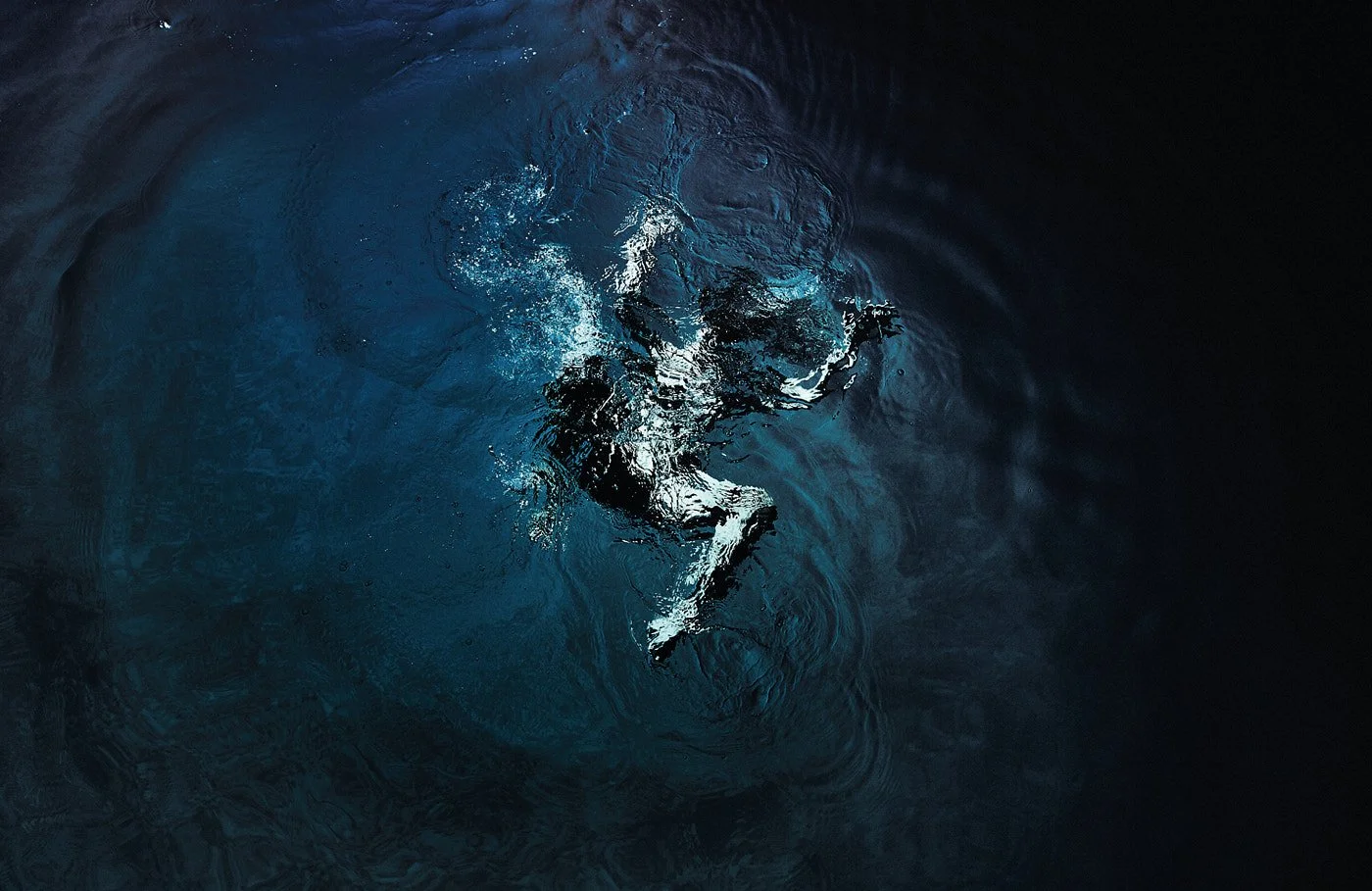

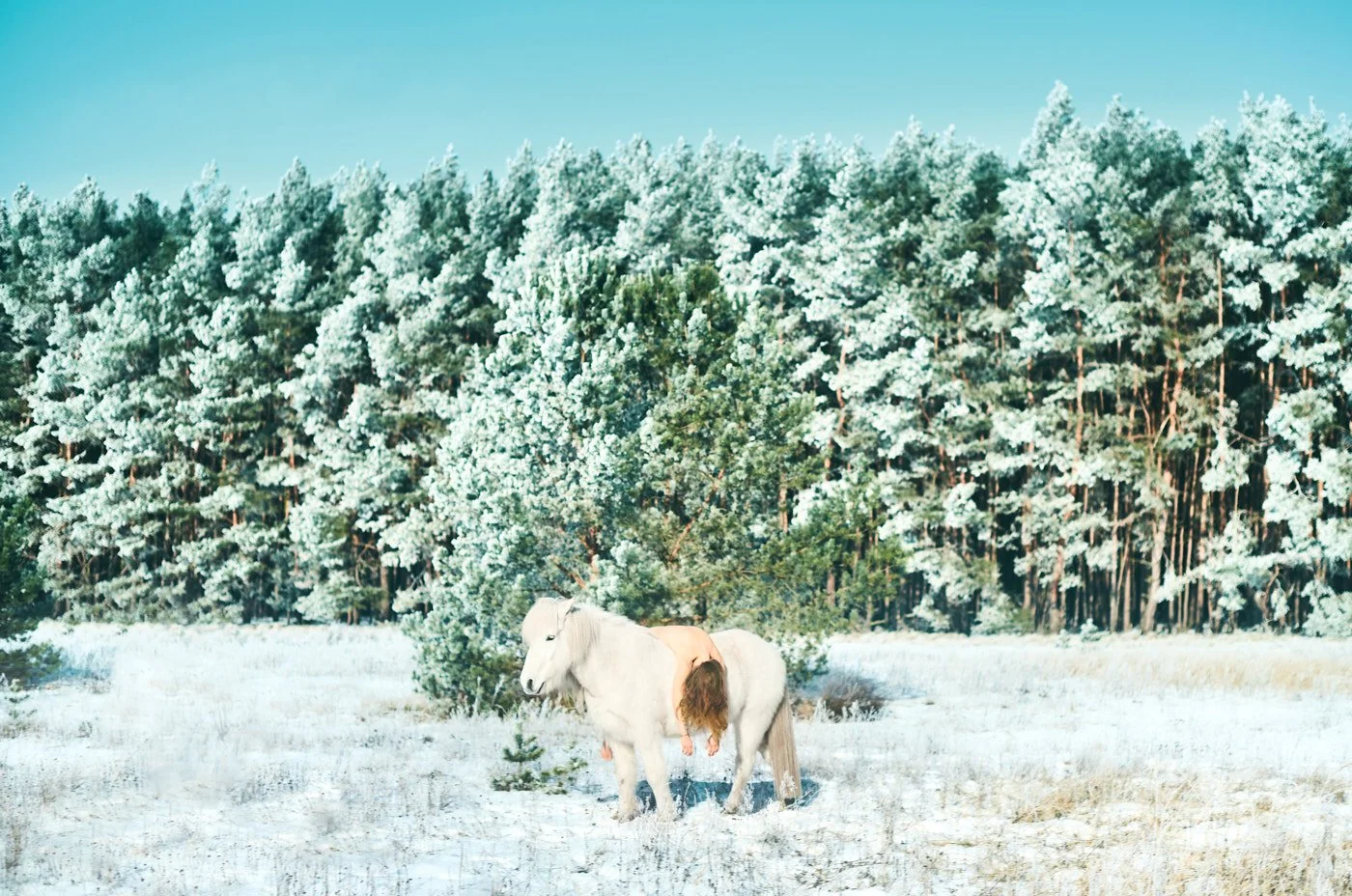
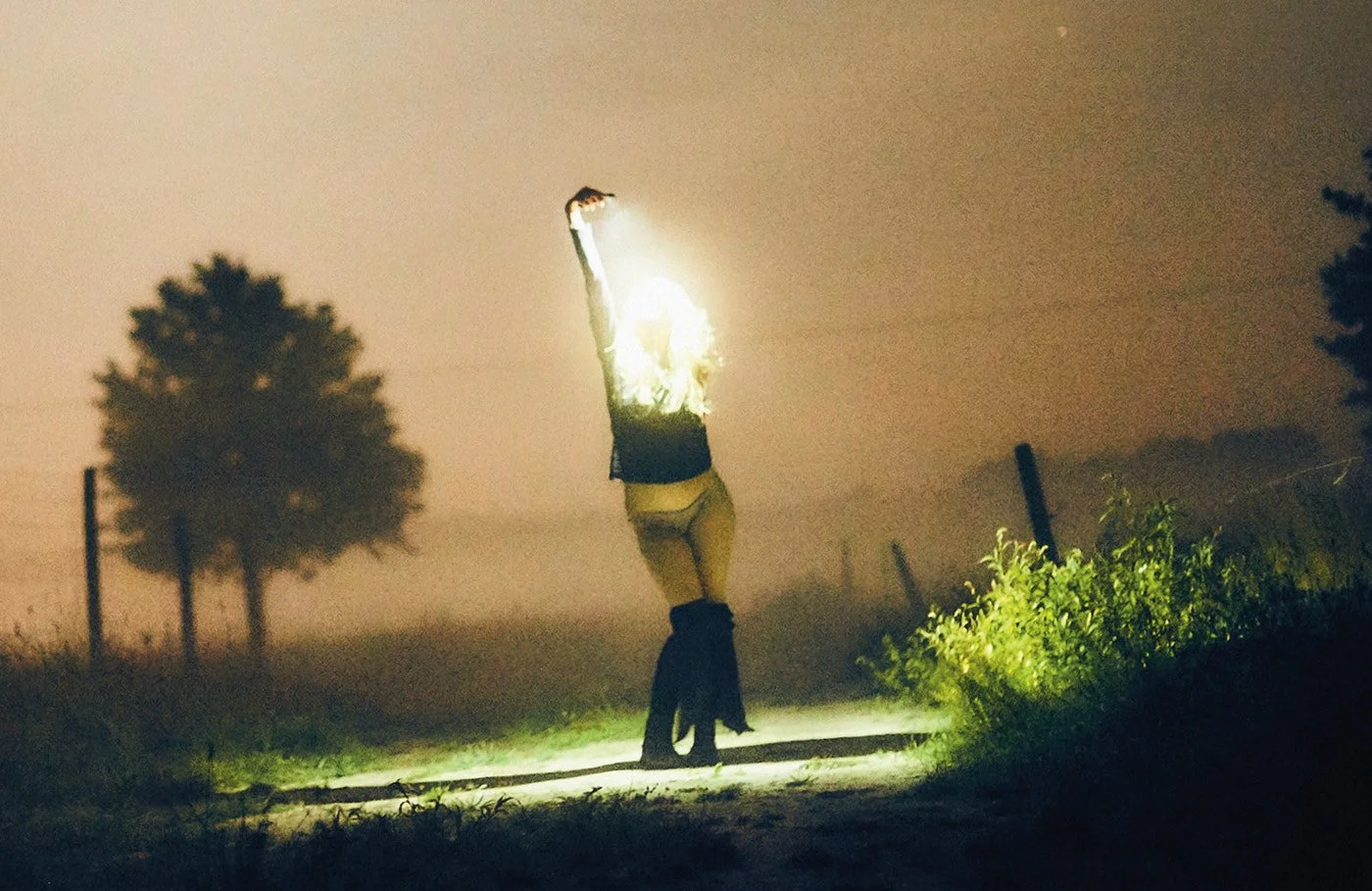
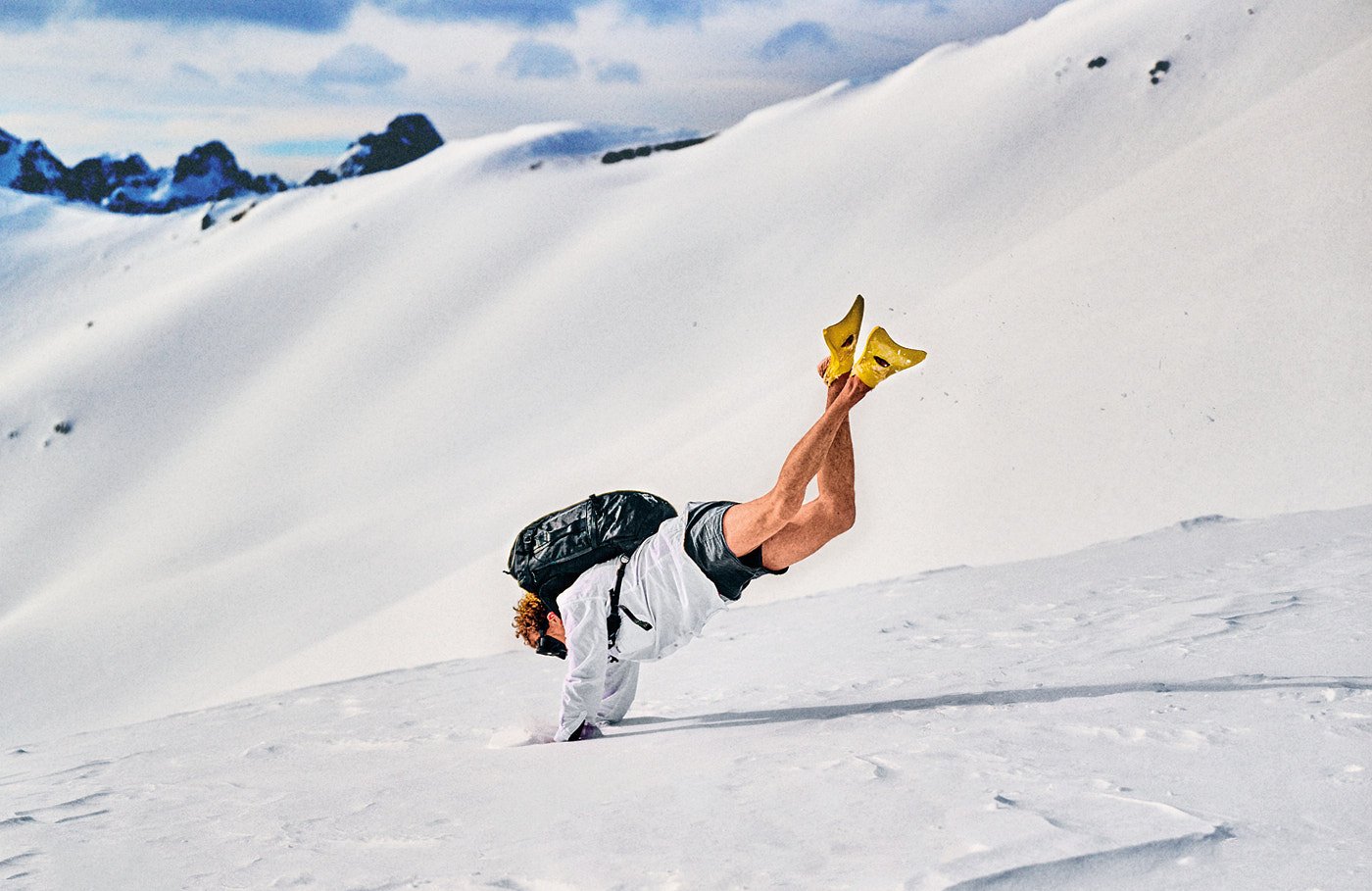
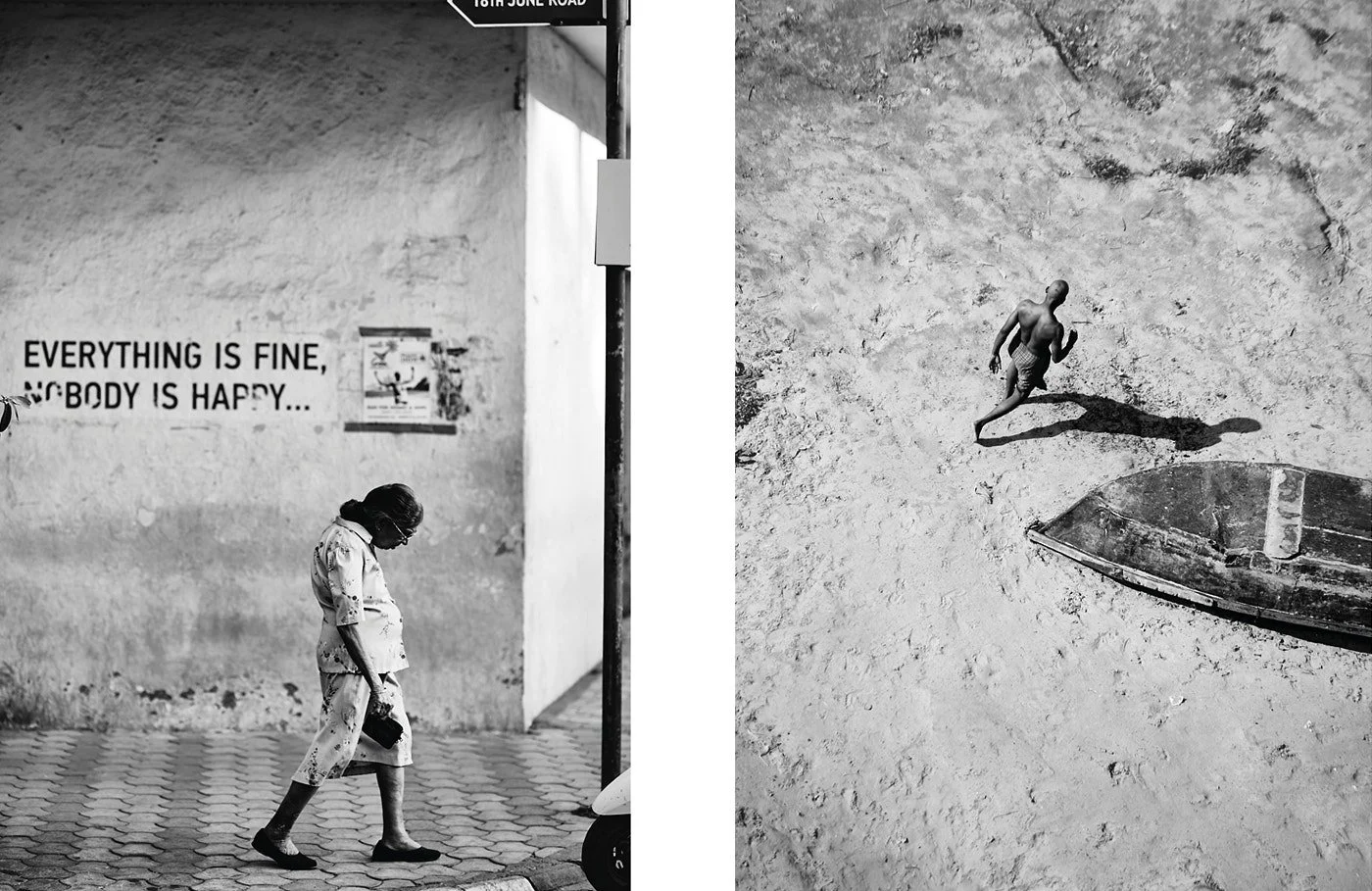
Why risk being real when you can be agreeable? Why stumble into discomfort when you can stay padded, invisible, safe? Say “I’m fine” until you almost believe it — no one likes to bleed on the carpet. Stay safe, stay likable, stay invisible. After all, nothing ever goes wrong when nobody really knows you. Except, of course, that nothing ever really happens either. But hey — at least no one saw the real you. And isn’t that what we call success?

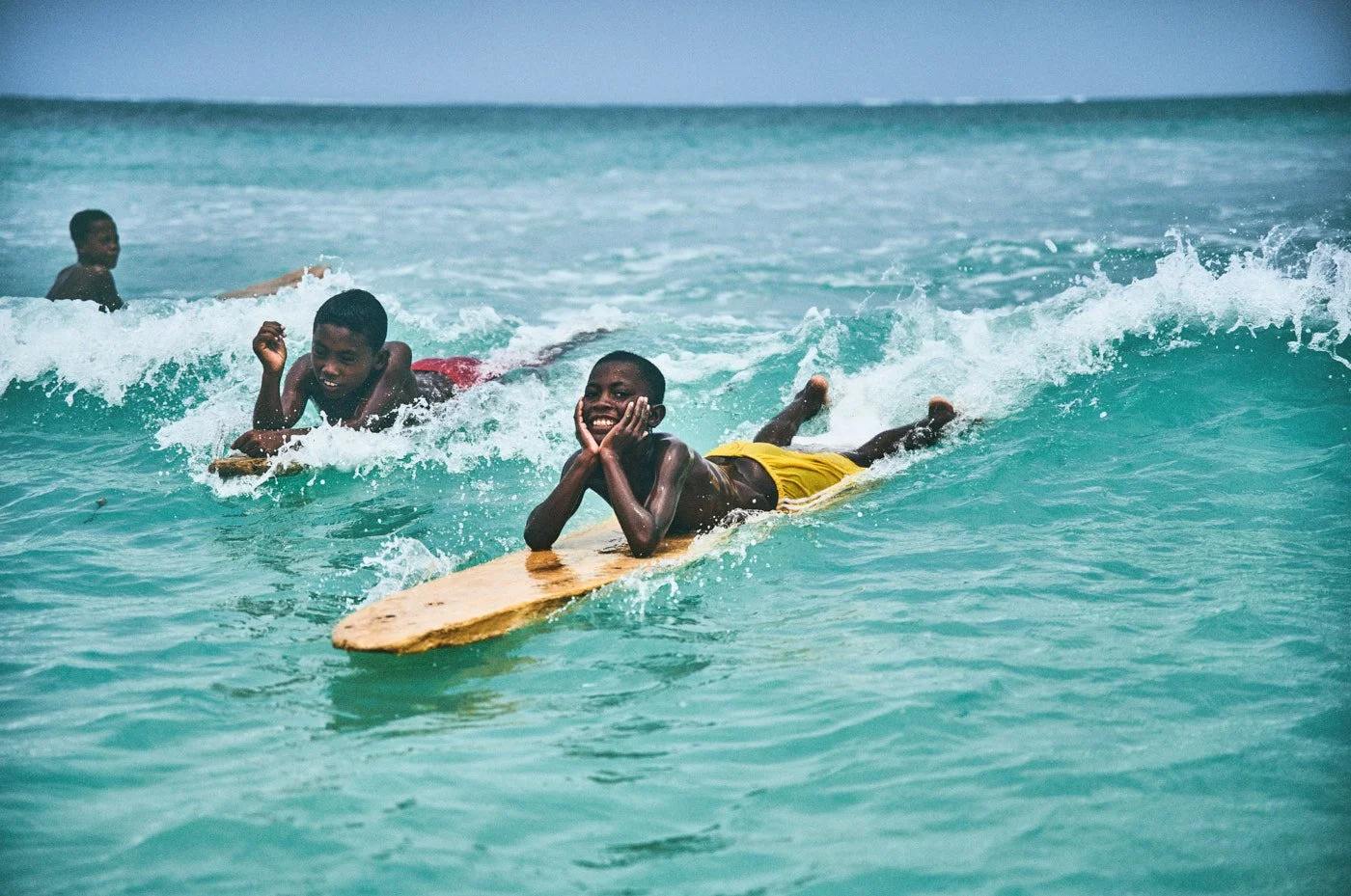
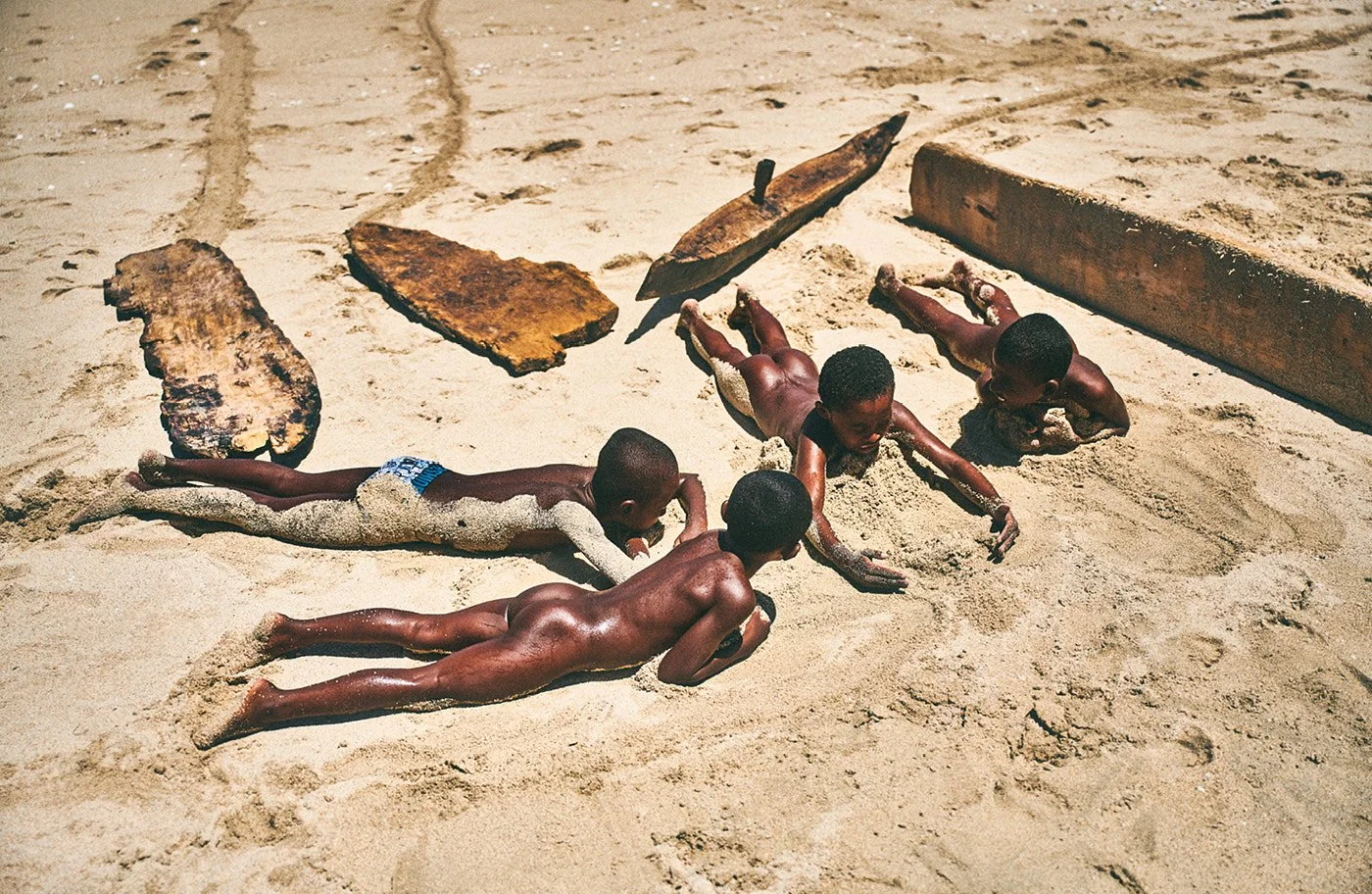
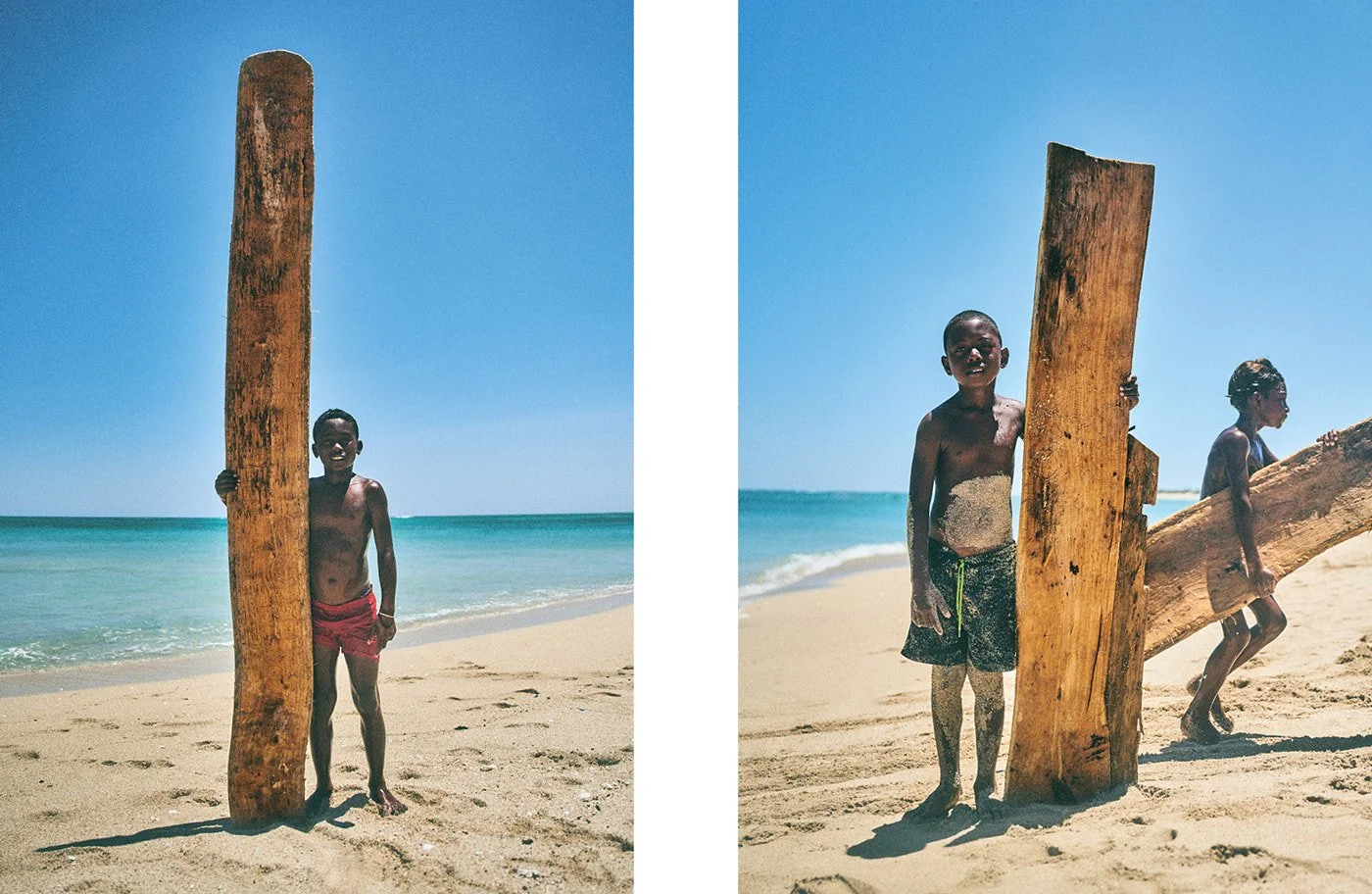
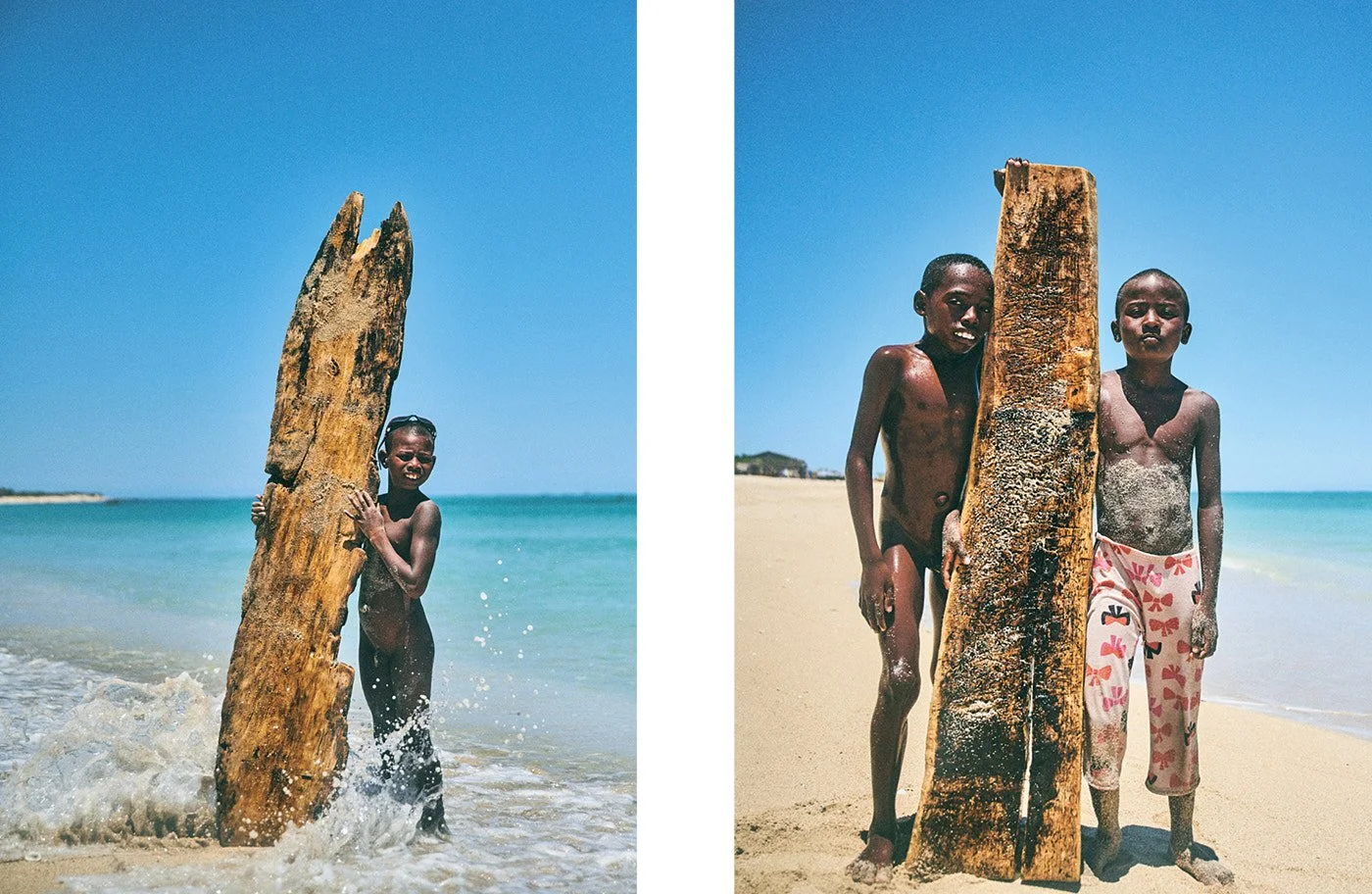
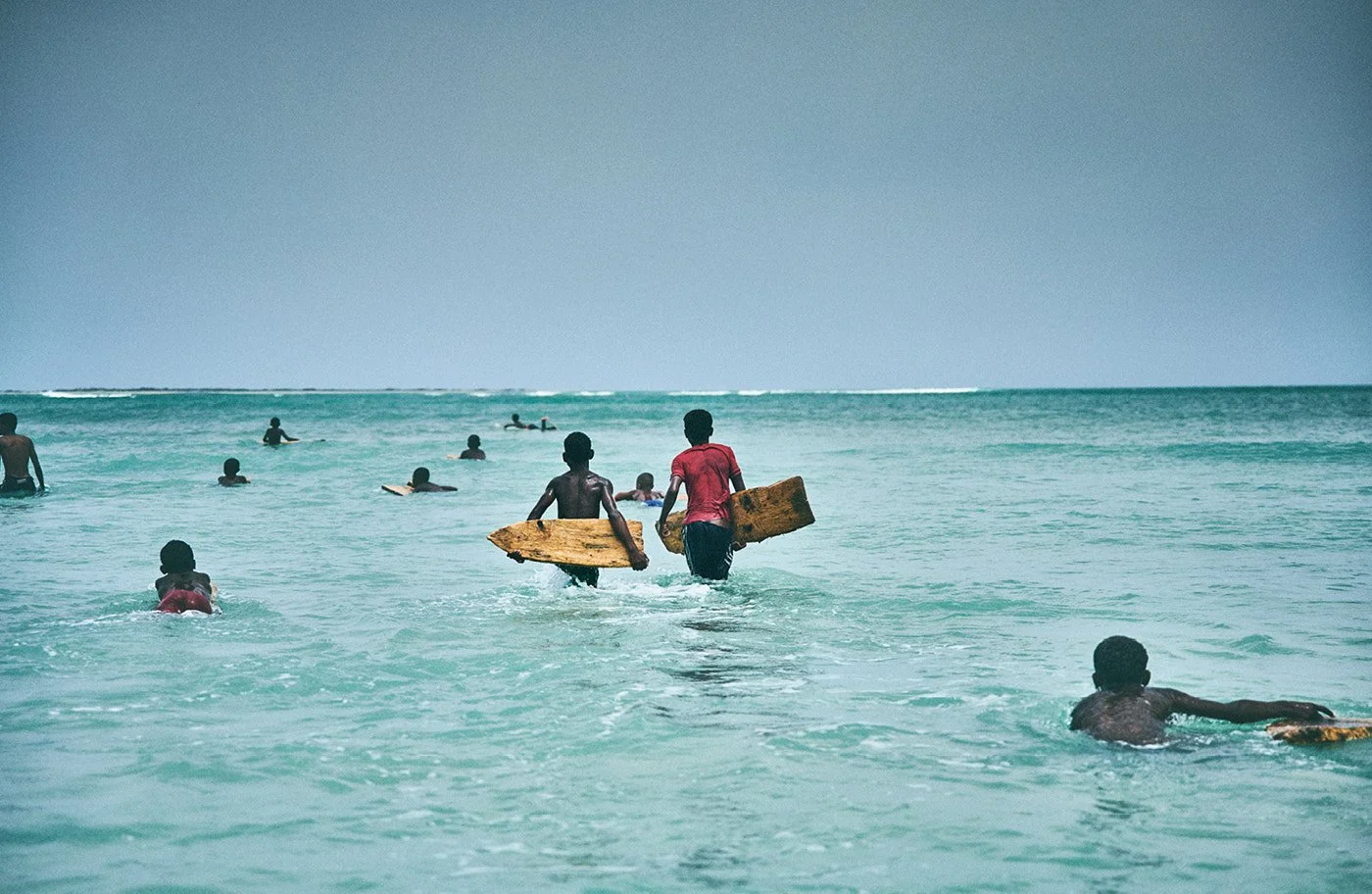
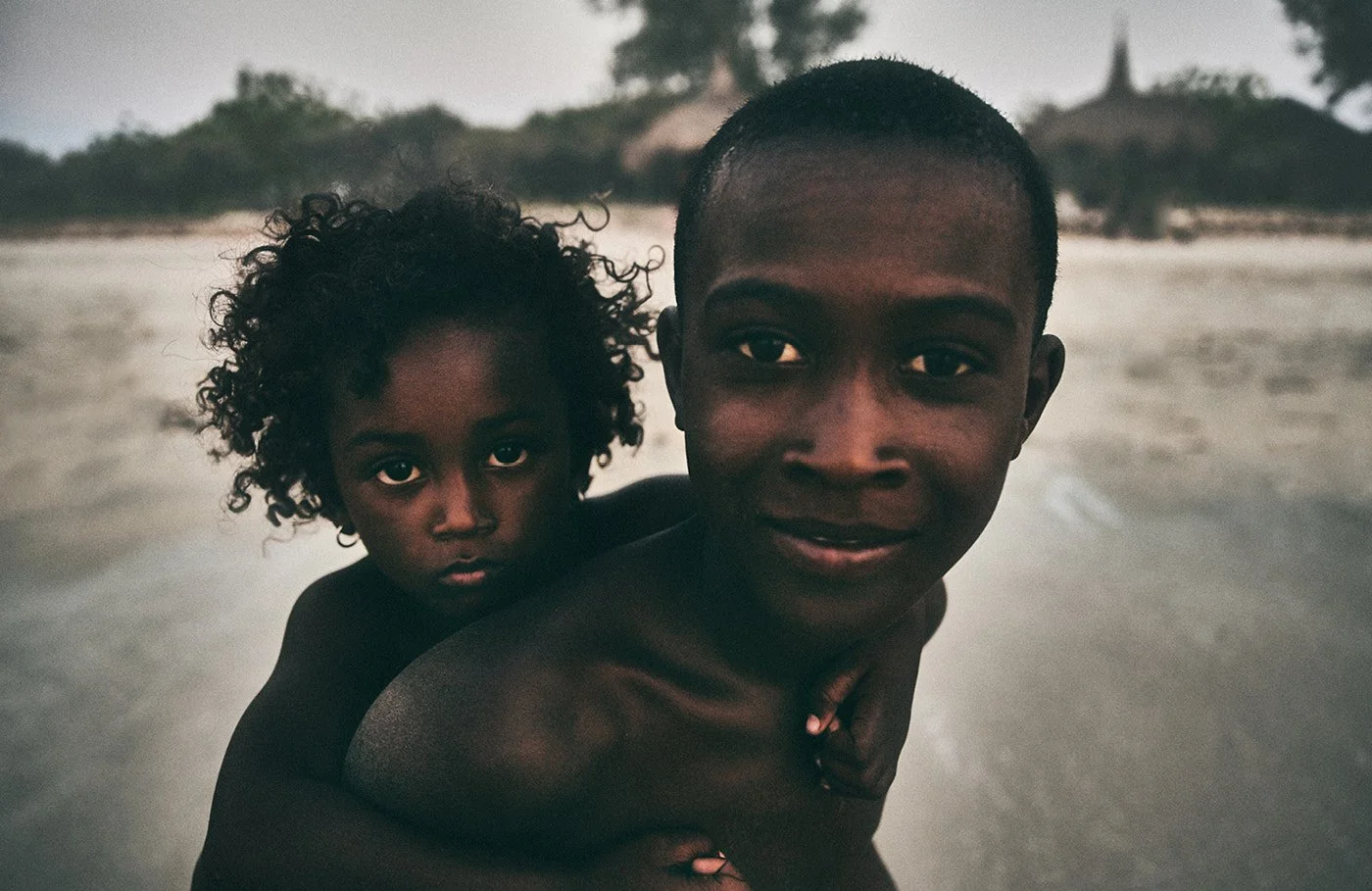
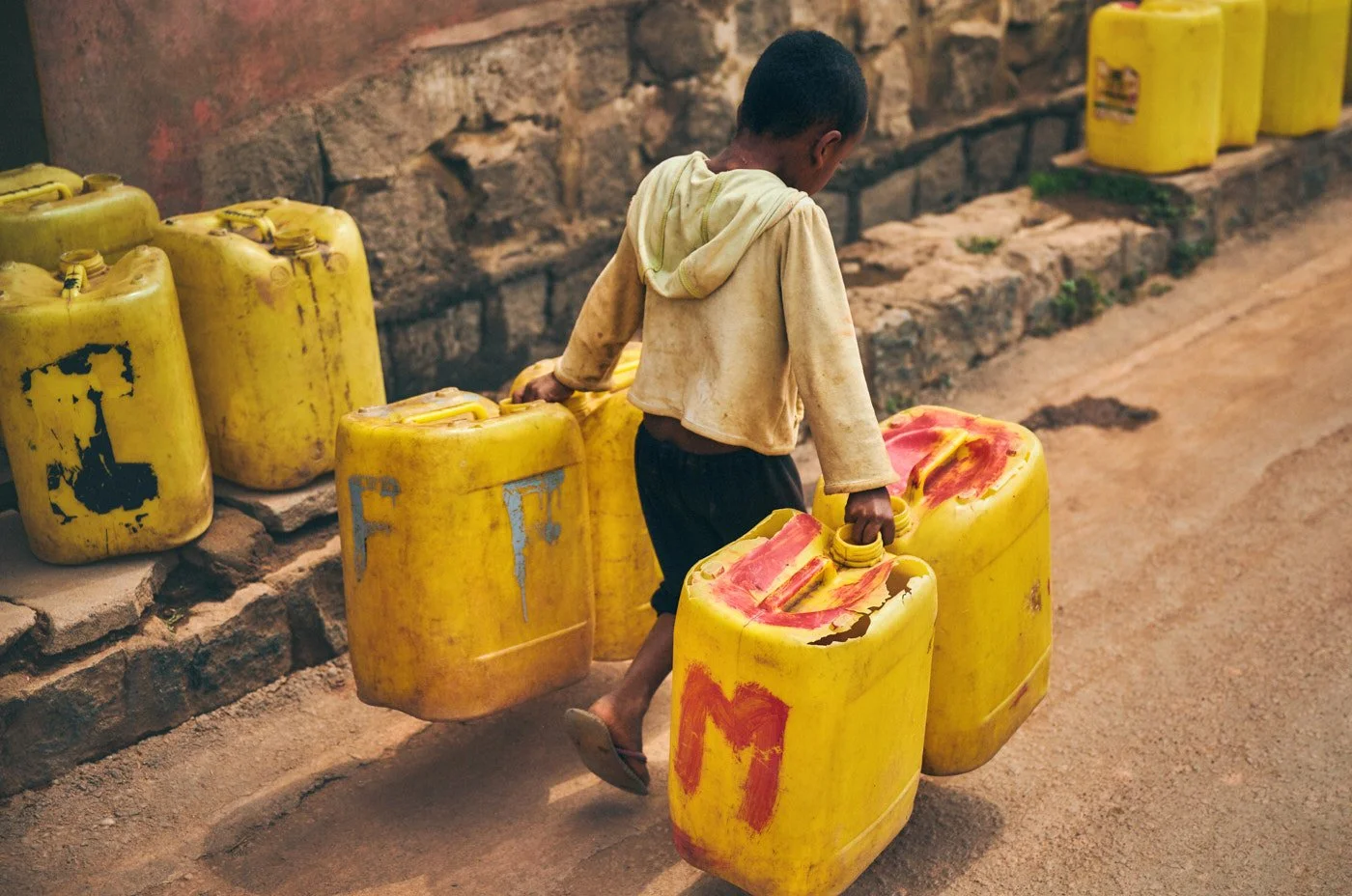
I had the pleasure of spending time with the surfing children of Madagascar, who use broken wood to surf. Some of them take great care to craft their own surfboards from the soft planks of their fathers’ fishing boats, glued together with tree resin. Others share an unfinished boat plank. When the waves roll into the bay of this small fishing village, all the children gather to ride them. Their goal is to have fun, improve their skills, and celebrate each other’s successes. The euphoria and playful desire to learn is incredible.Although a perfectly shaped surfboard that has been refined over the years would make riding the waves easier, the quality of the boards is irrelevant. Their authentic delight comes from the satisfaction of succeeding on their own.

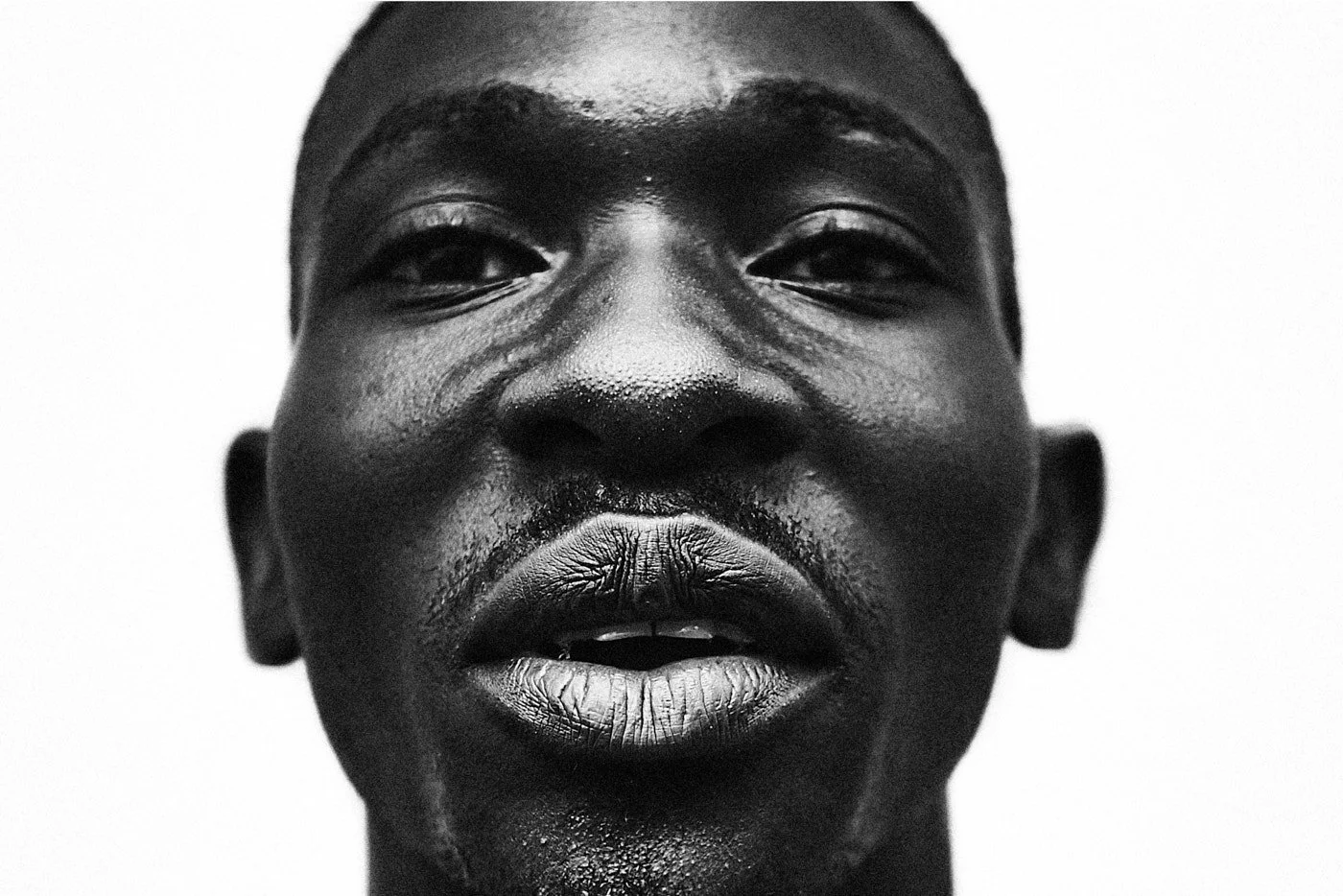
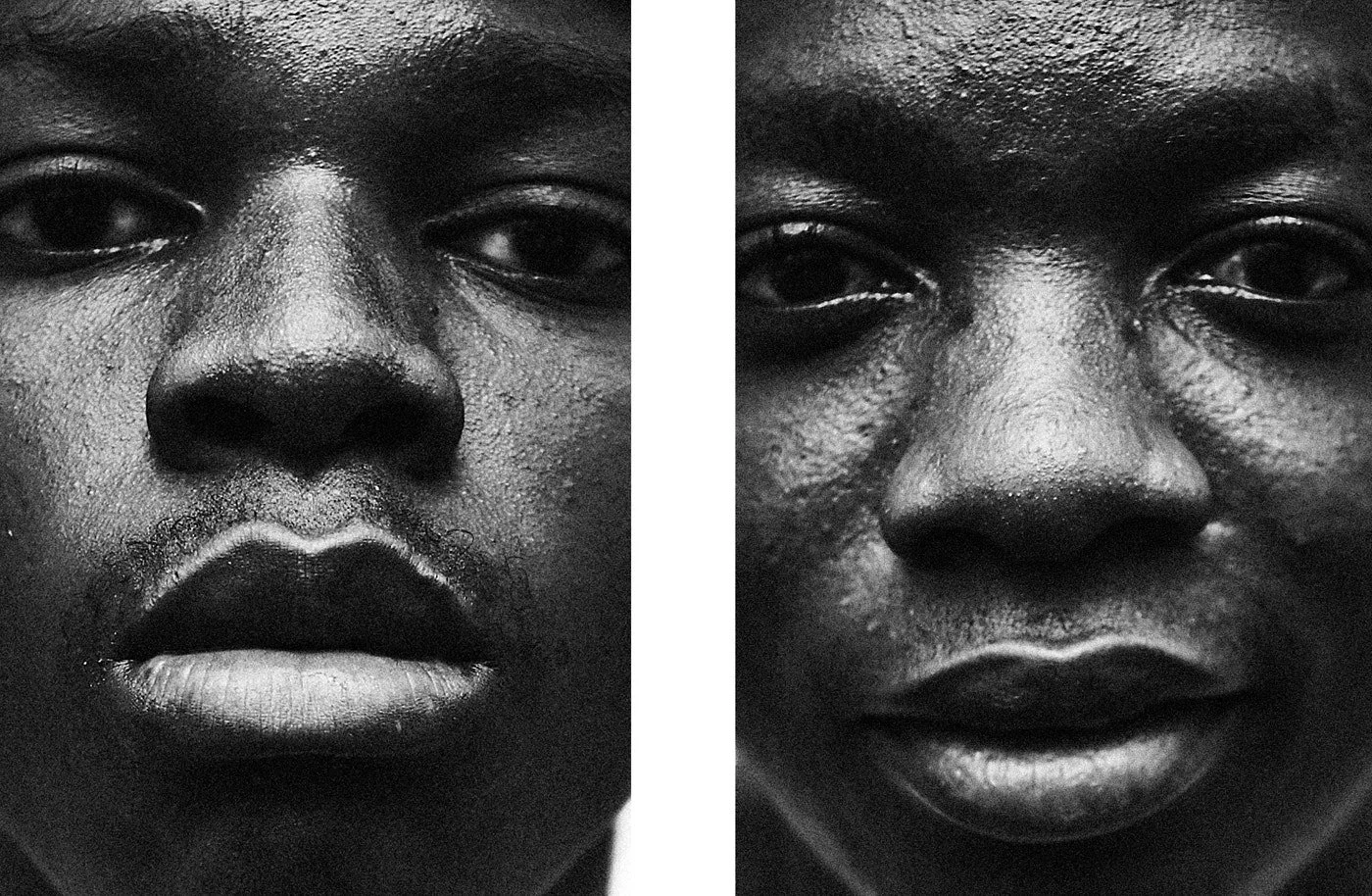
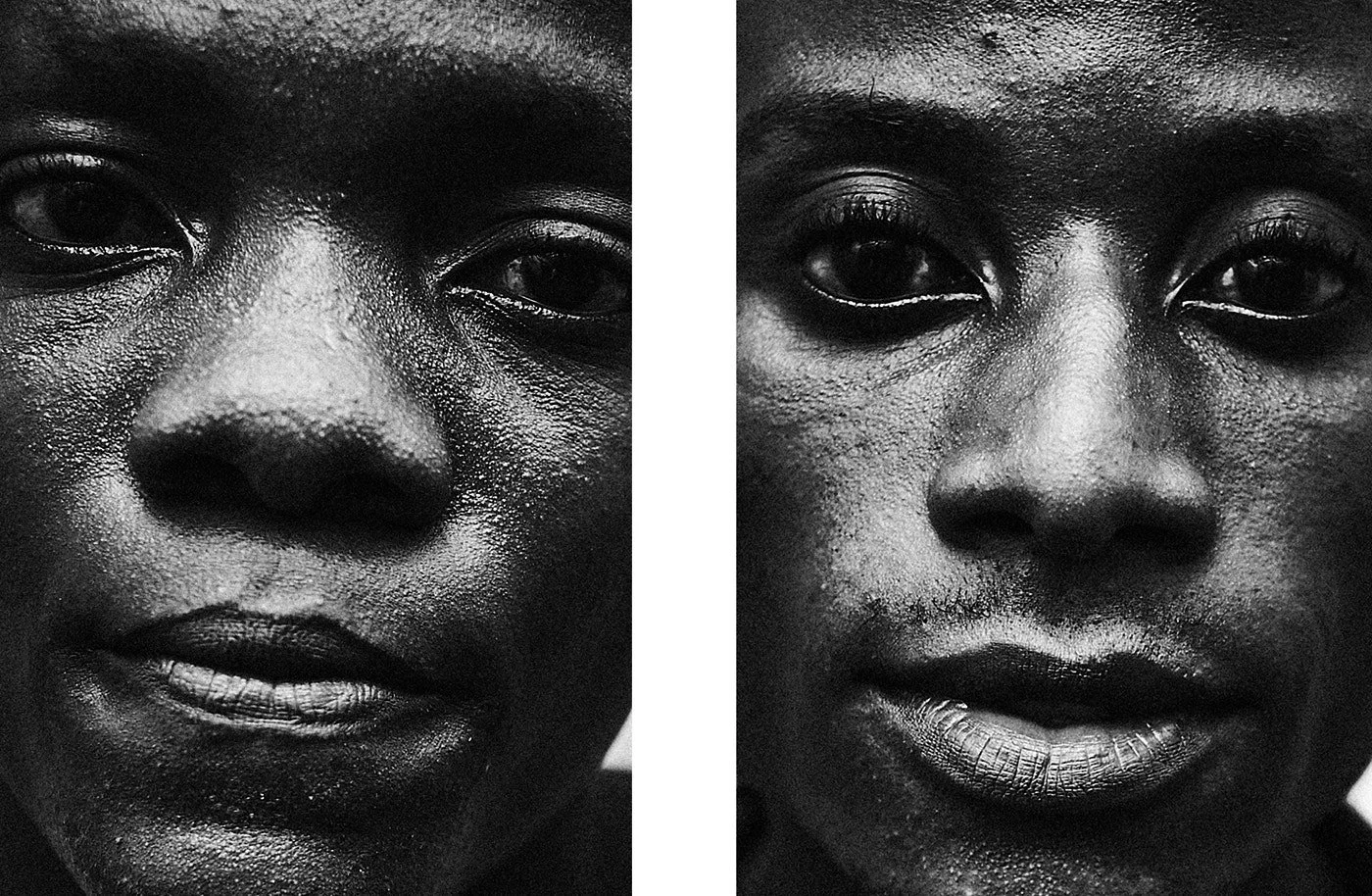
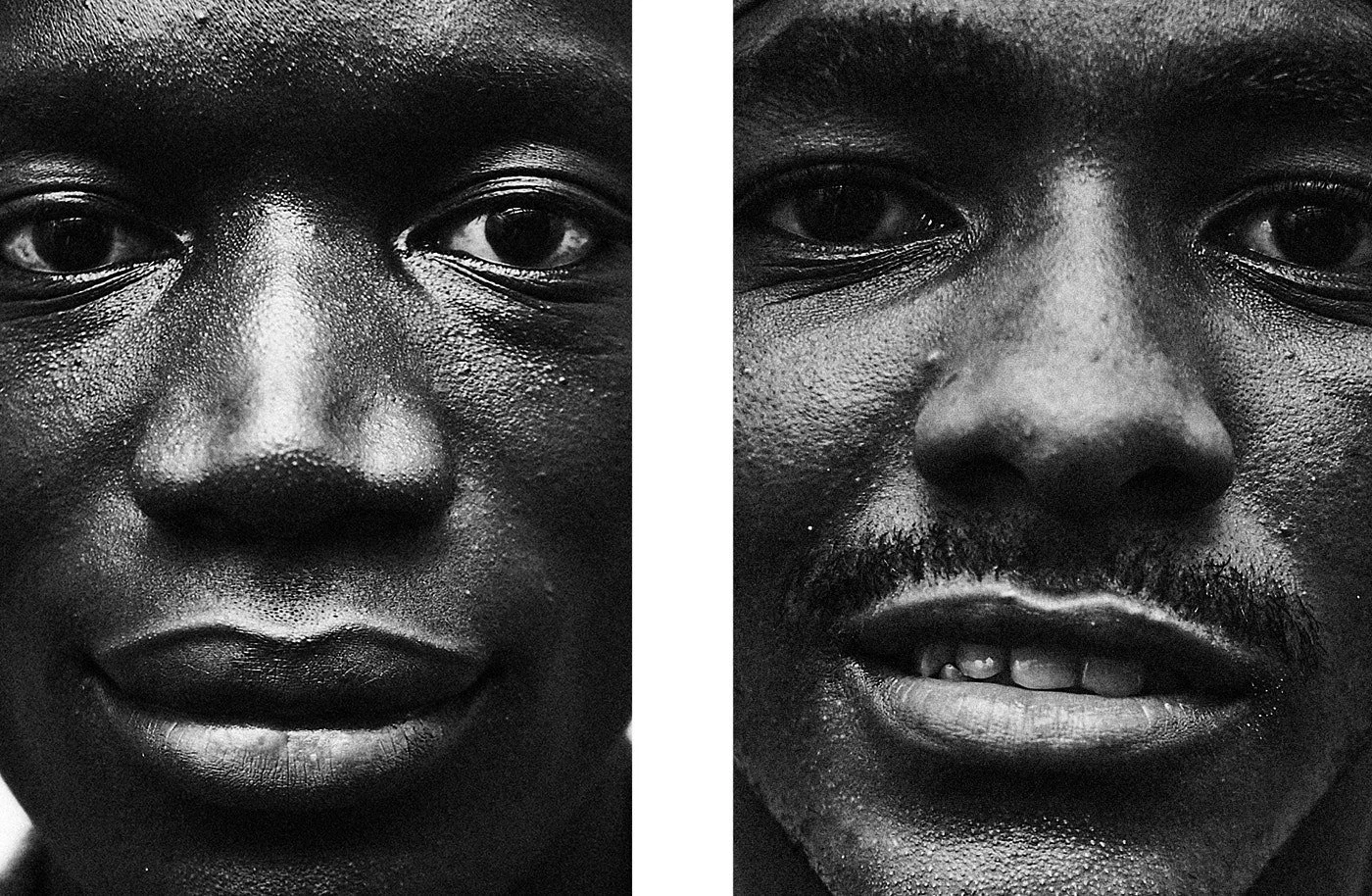
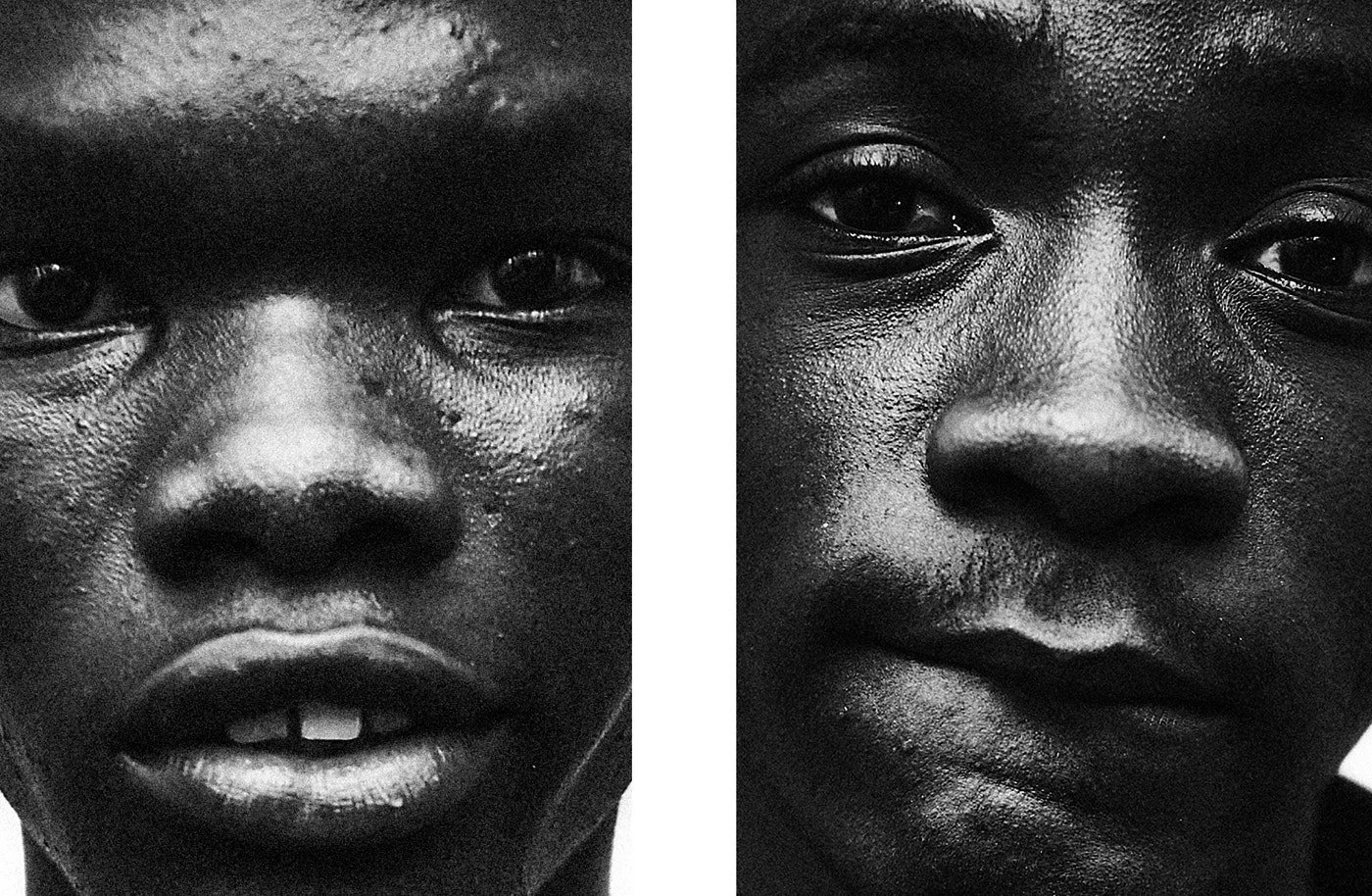
These portraits were taken in Tanzania. The dancers usually express themselves through their whole bodies — through movement, rhythm, and every gesture. Here, they are reduced to their faces, many and different, yet all sharing the same wish: to dance.

Photography always claims to show a fragment of reality. But every image already carries layers of interpretation: the gaze, the moment, the frame. By scanning and overlaying, I add a third skin – one that questions the supposed truth of the picture and reveals the tension between reality, memory, and imagination.

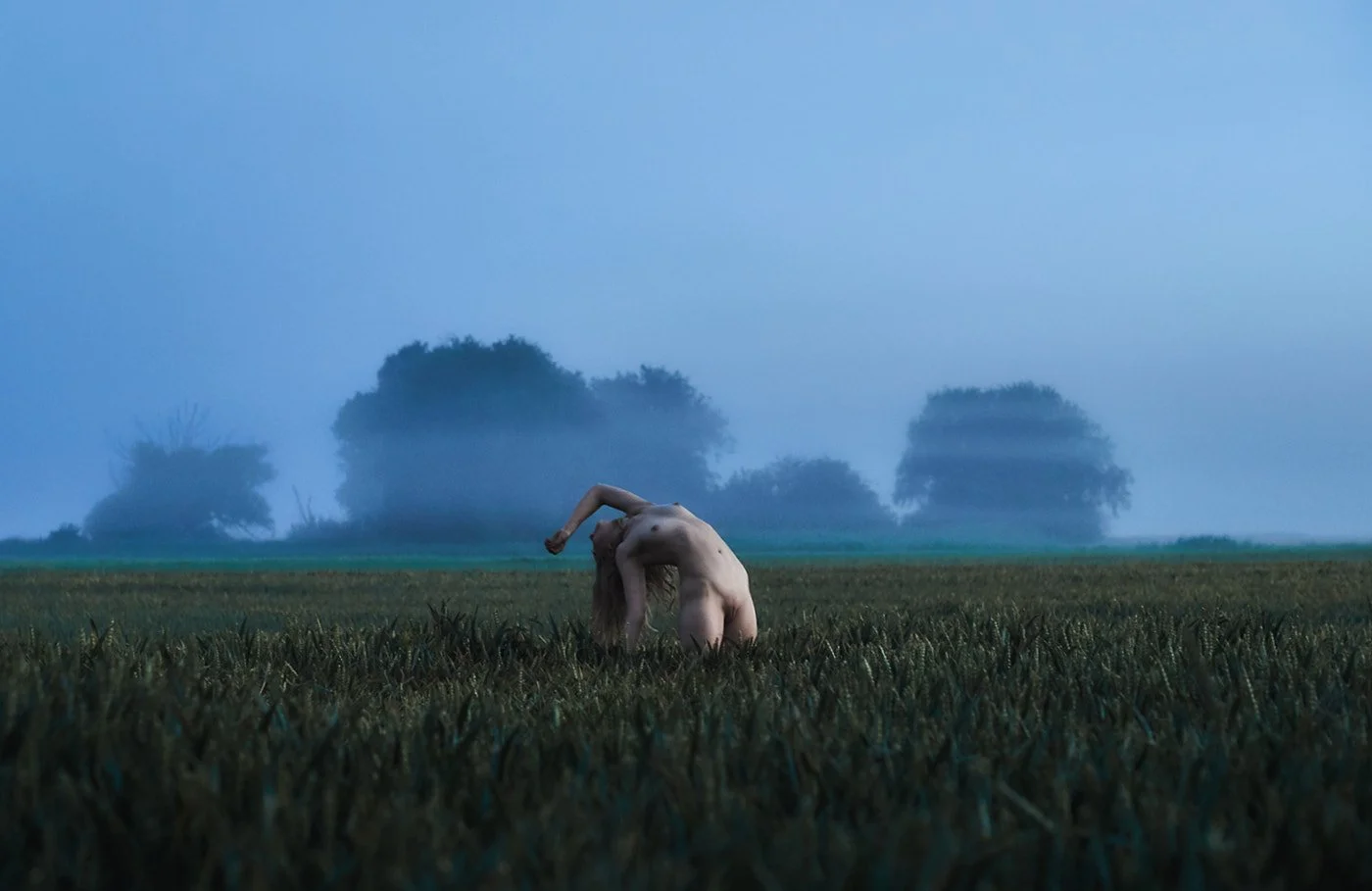
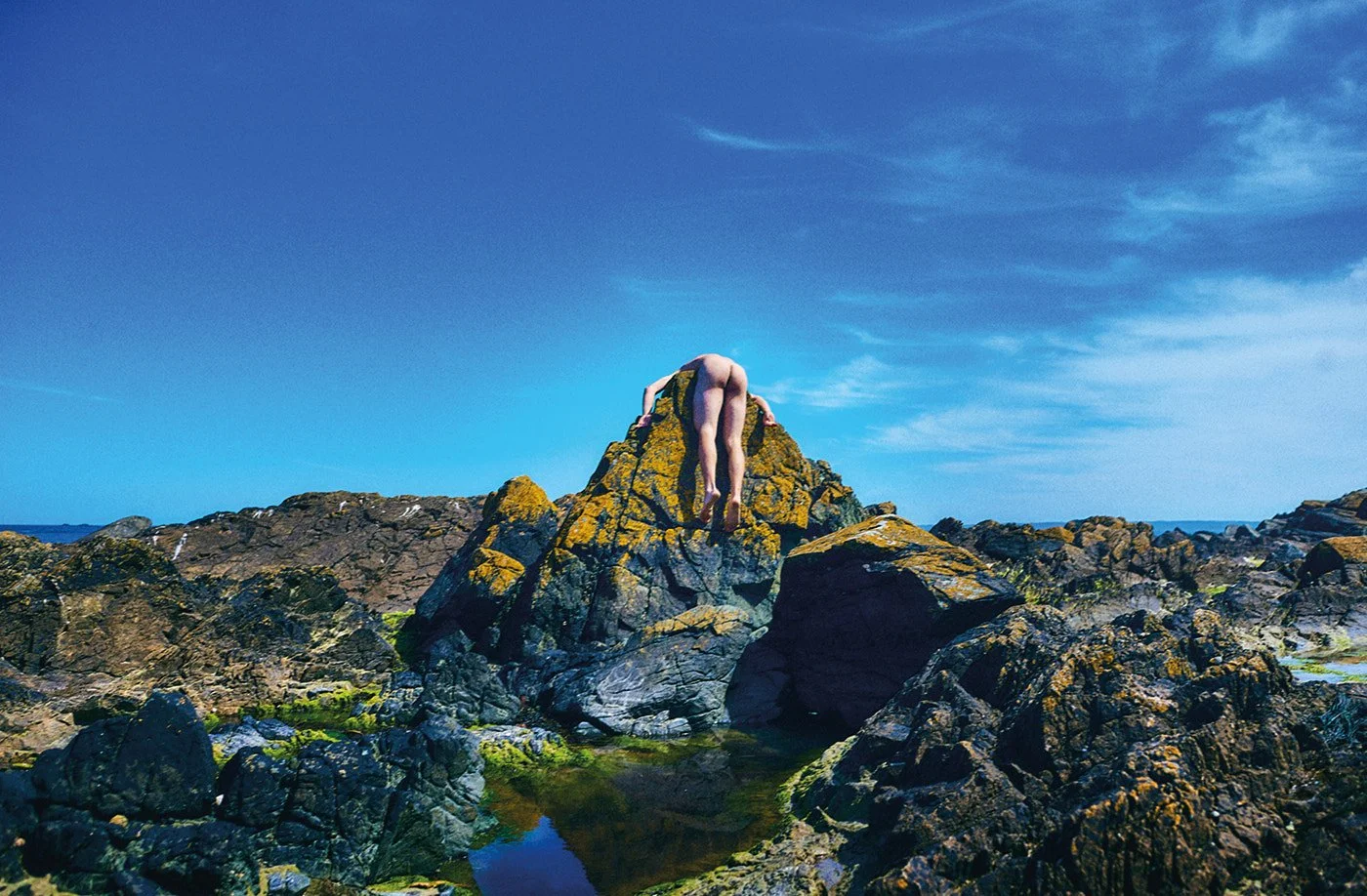
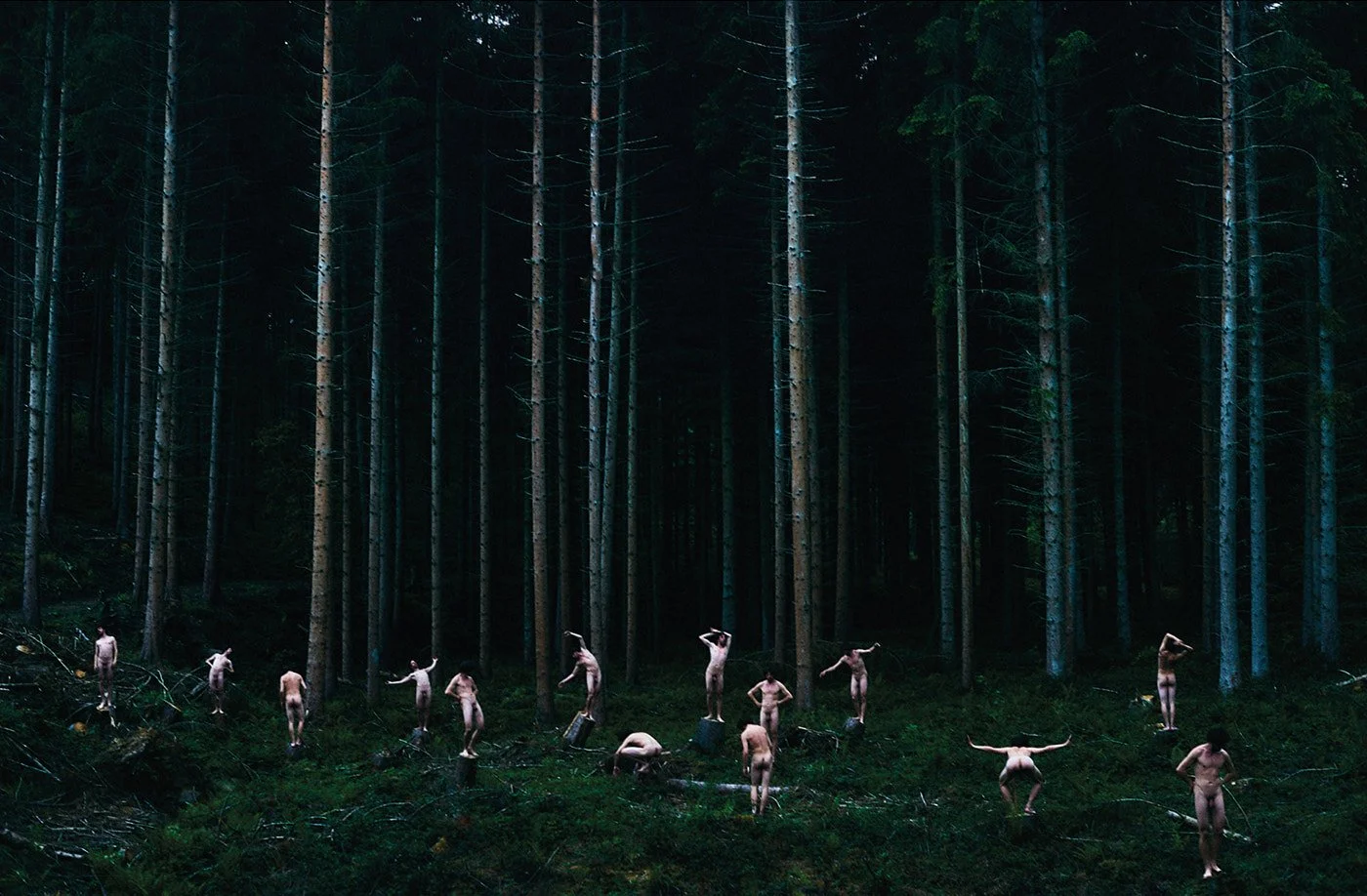
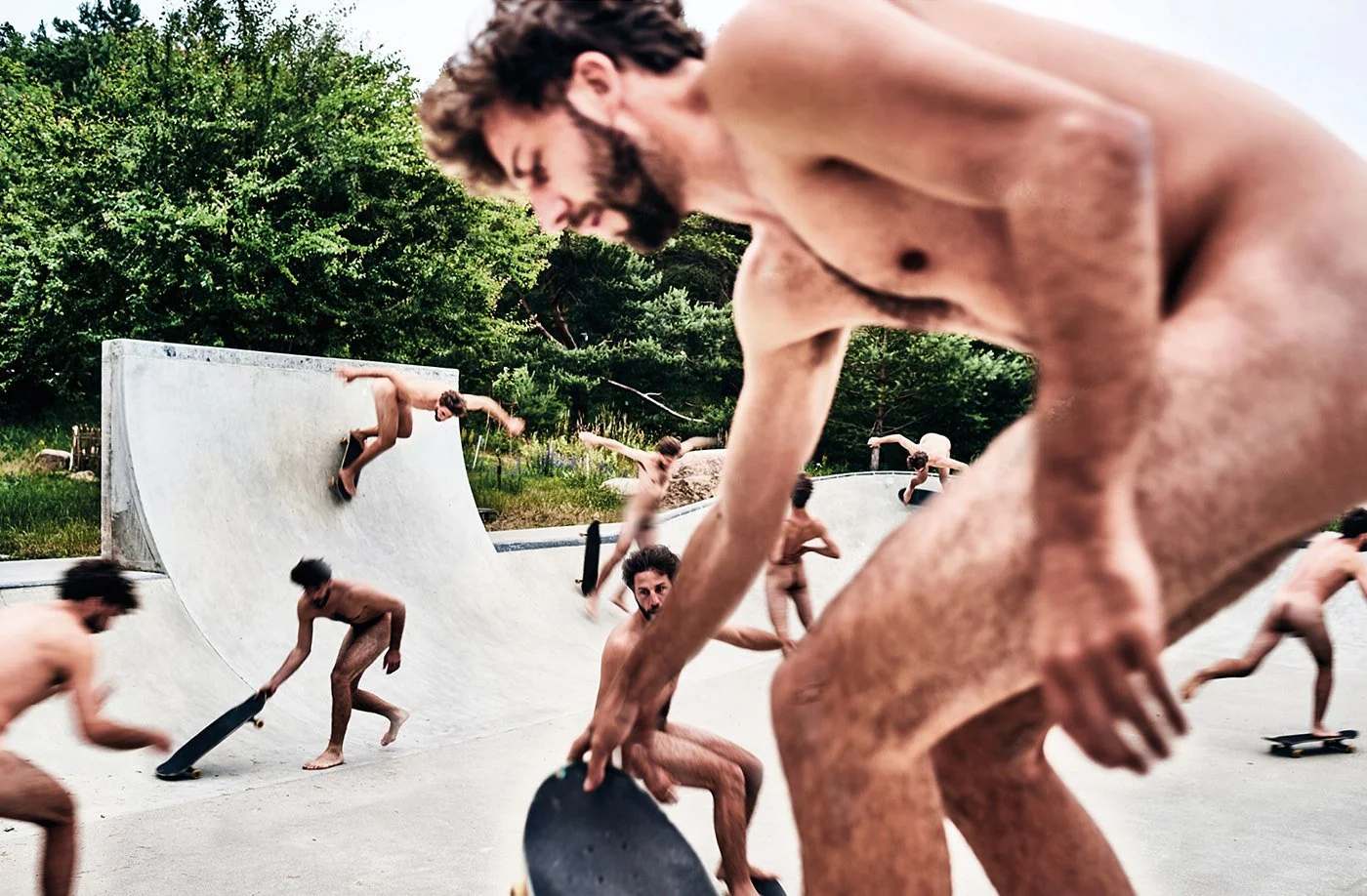
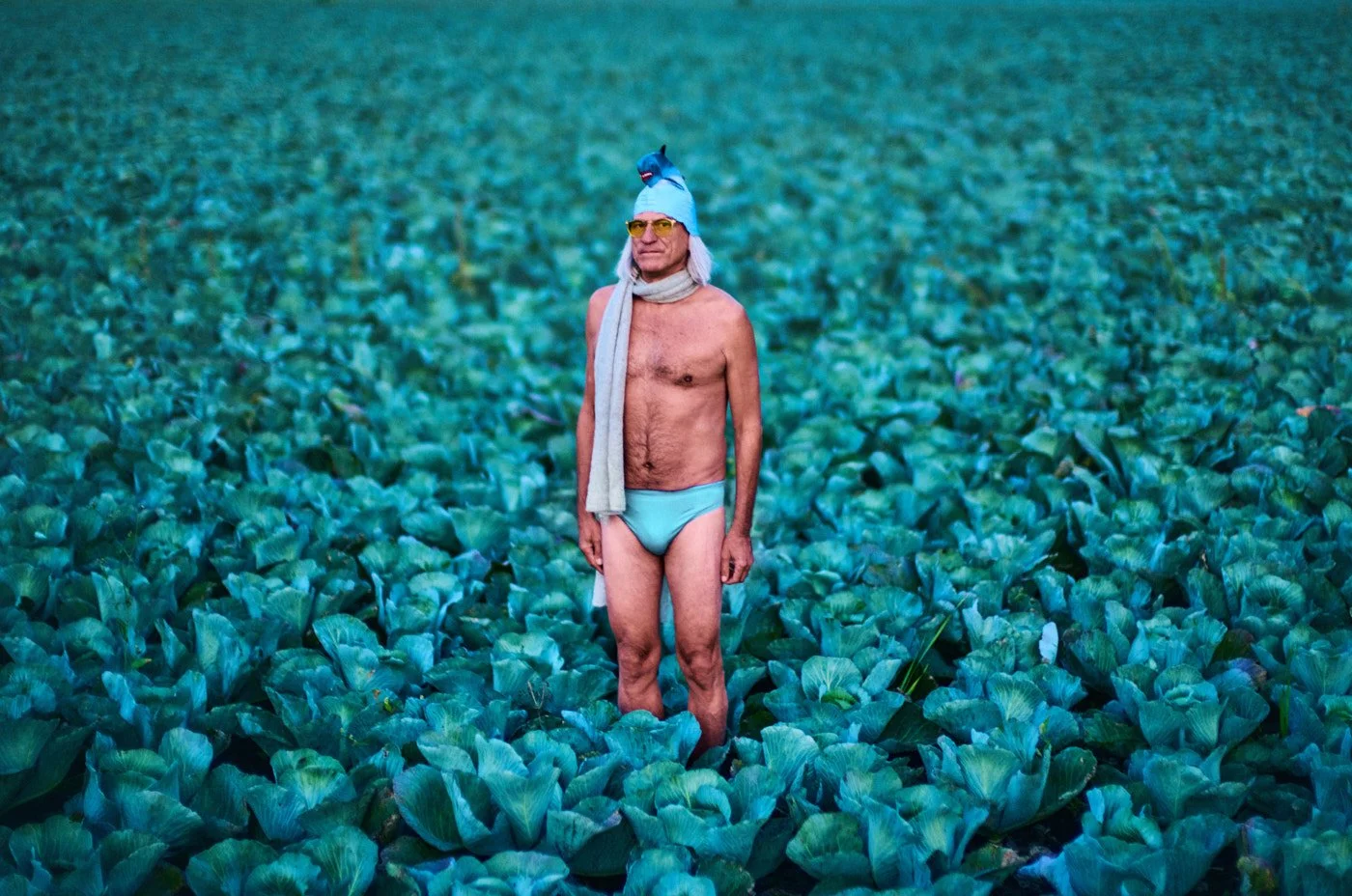
During my 4400km bicycle trip from Berlin to Marseille I was just by myself. With no one else to photograph, I decided to shoot a self-portrait series. At first it felt strange, but I recognized that overcoming this weirdness was a freeing process. Seen with a childish view, being naked in nature is the most normal and unspectacular thing. In the end I realized: the fear of being judged could be the very point of this series. That’s why I decided to not give a fuck. This could be me, and I don’t care.

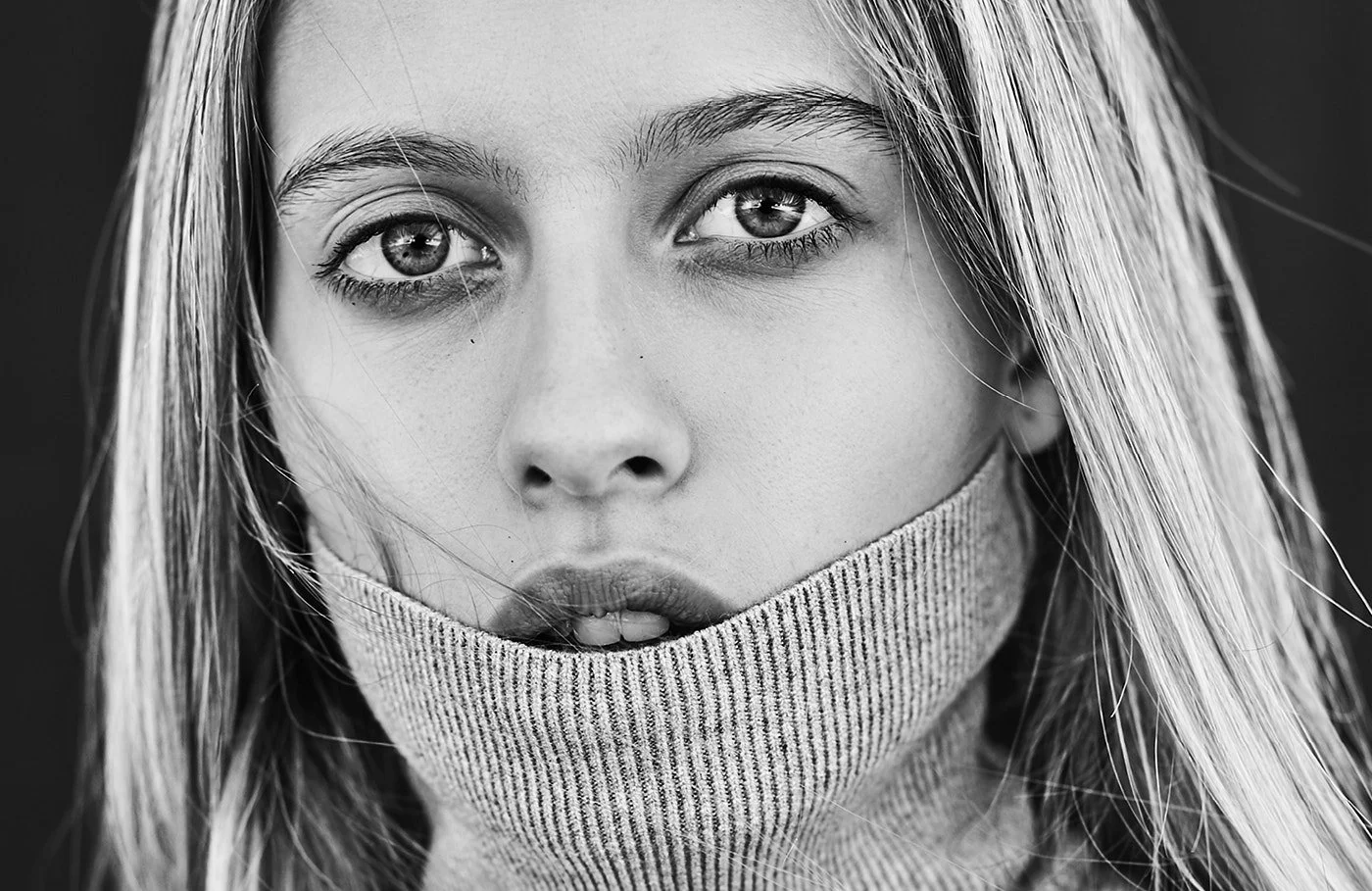
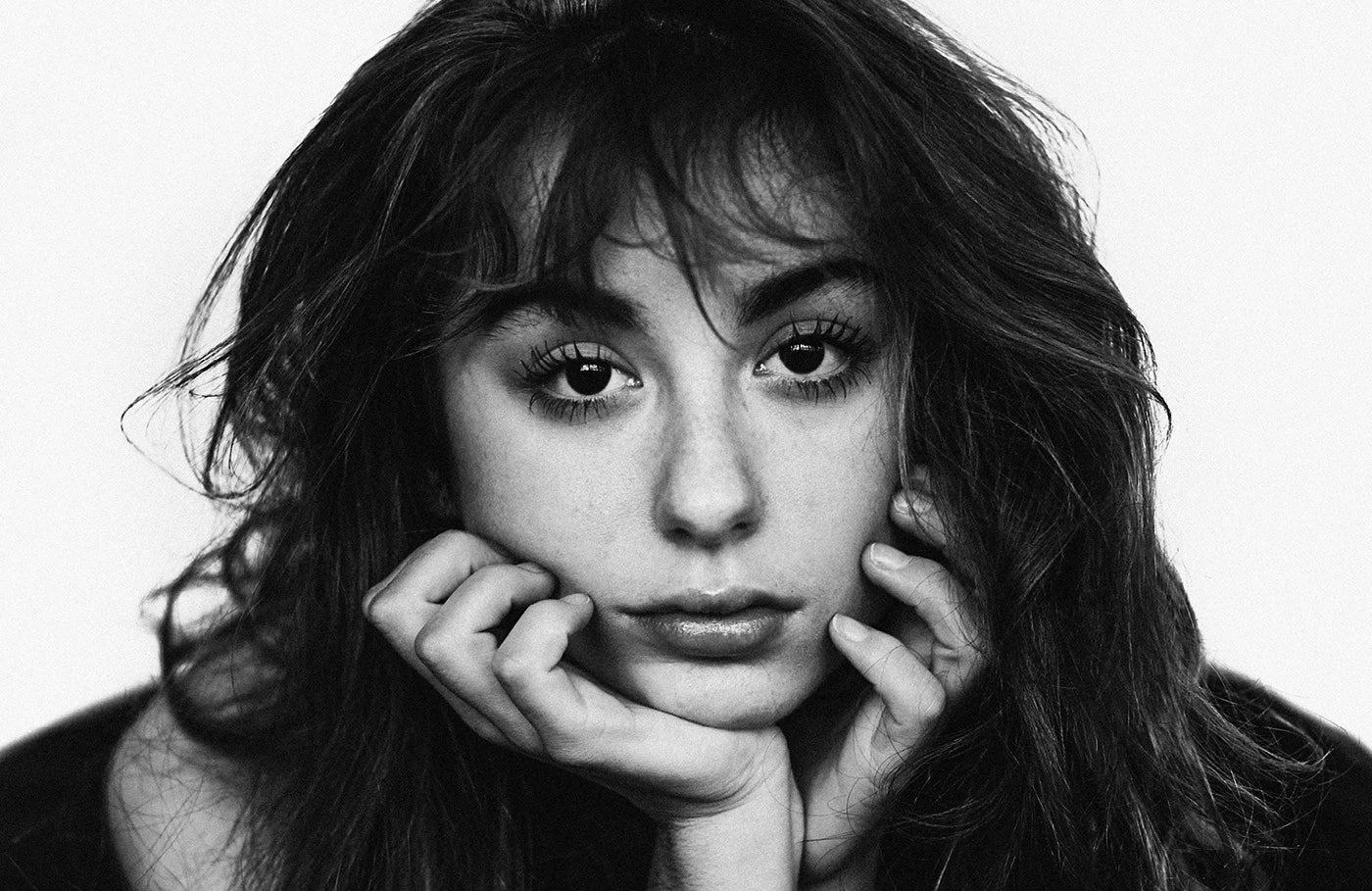
Faces reveal more than words. A glance, a twitch at the corner of the mouth, the calm or flicker in the eyes – that is where truth lies. Trust grows not from words, but from the quiet recognition in another’s expression.
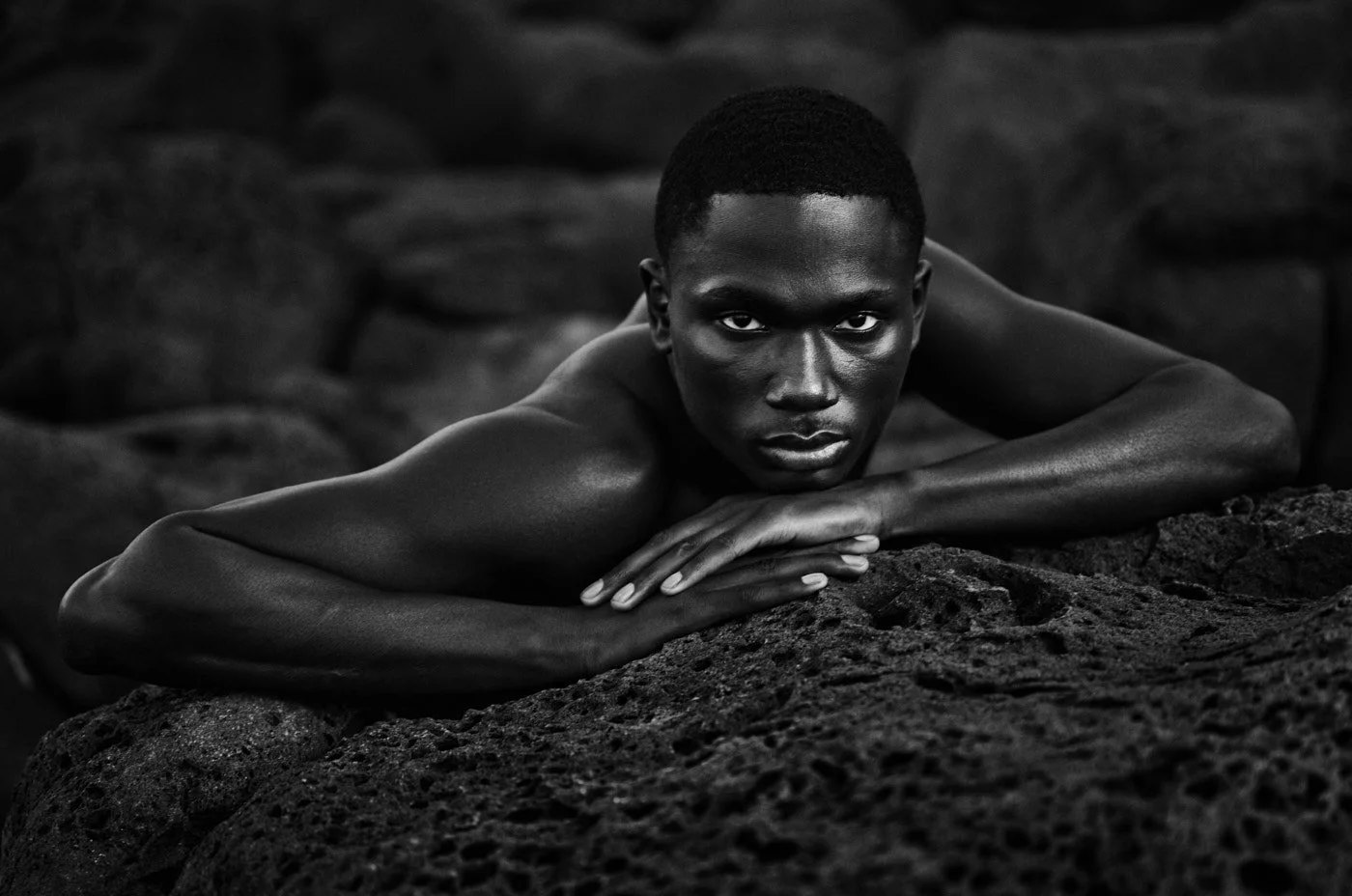

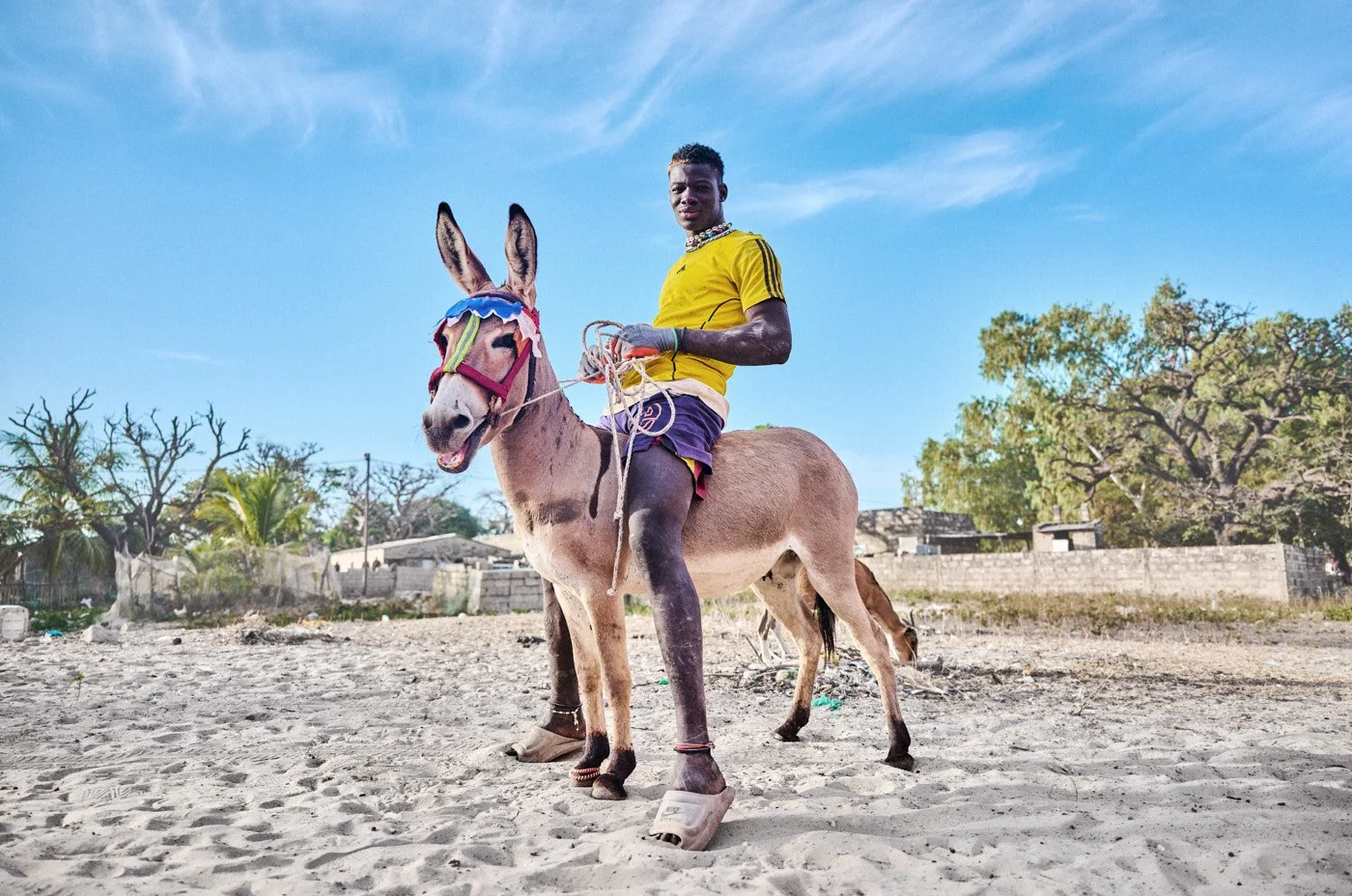
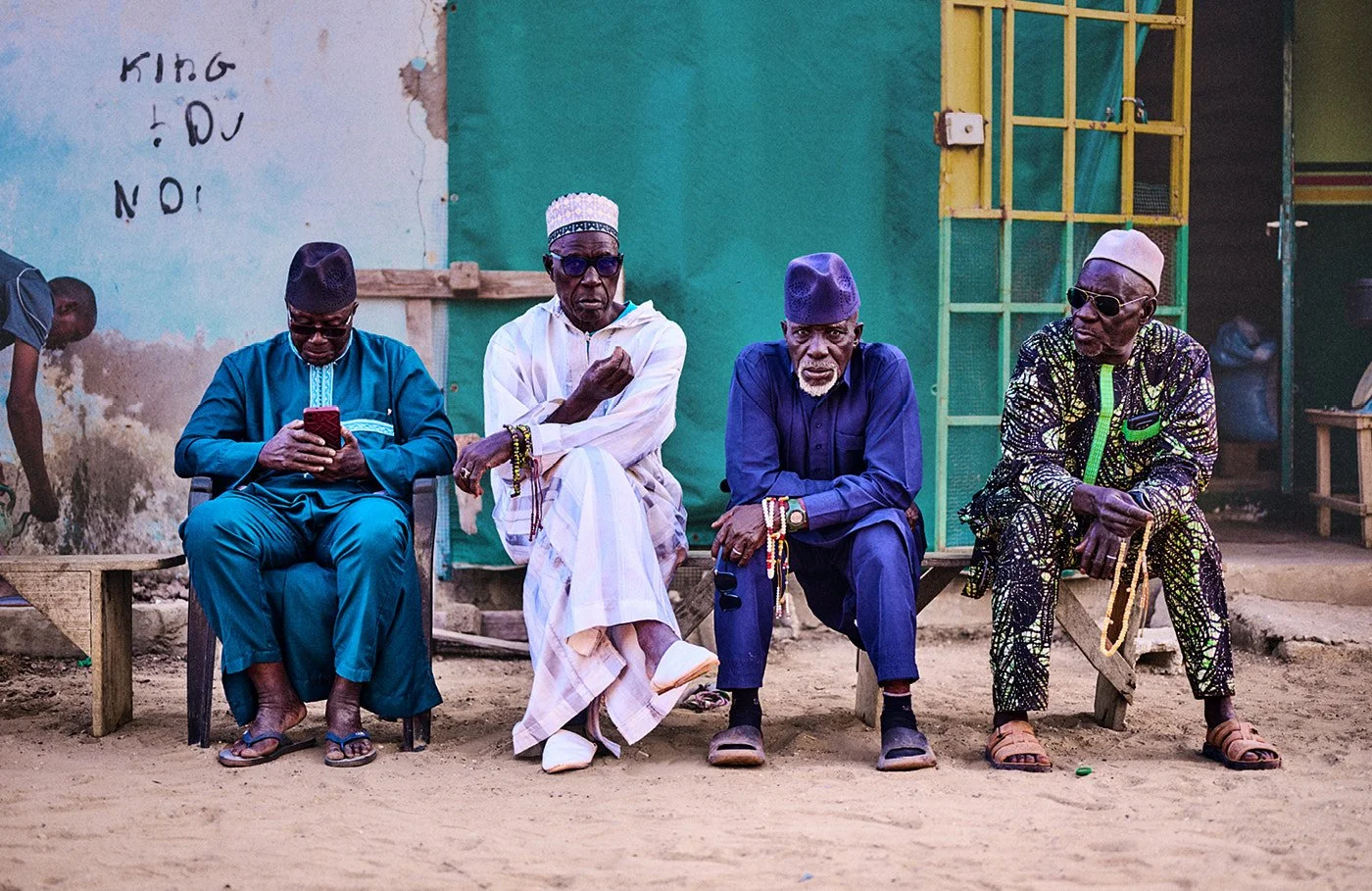
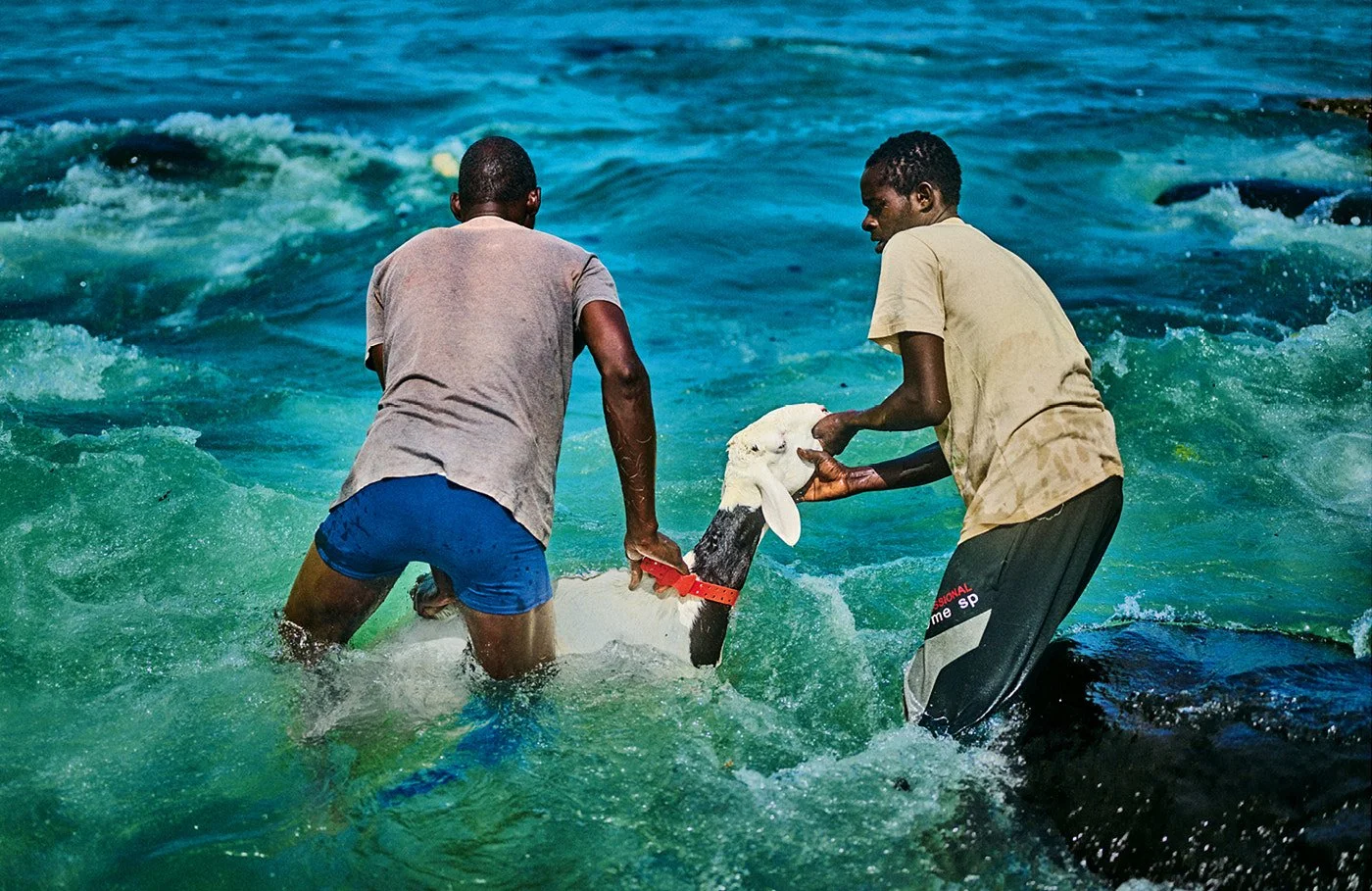
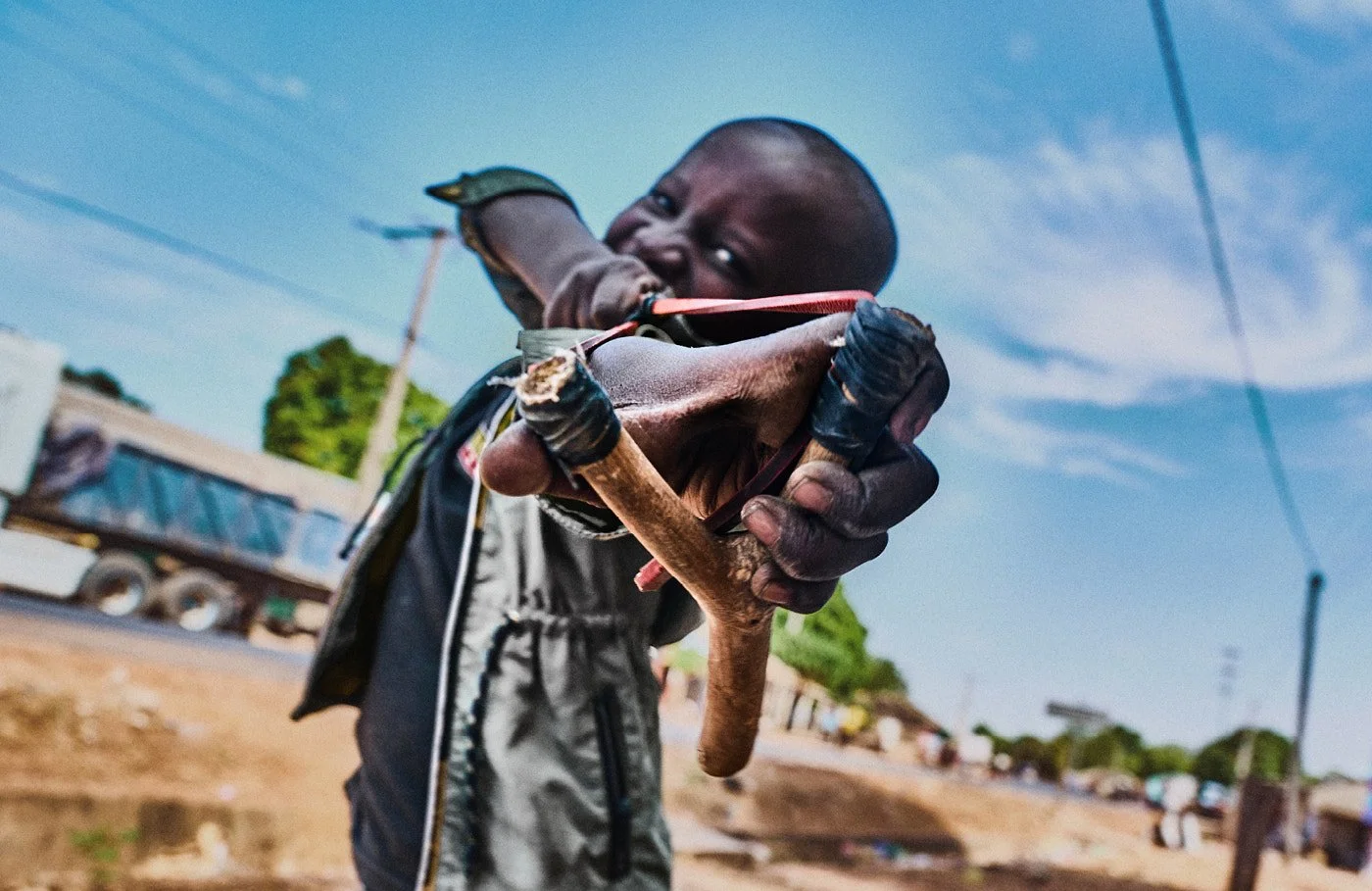
On est ensemble. A phrase I kept hearing in Senegal. At first, I didn’t think much of it. It sounded almost casual — something you say when you agree, when you say goodbye, when there isn’t much else to add. But people kept saying it. And after a while, I started to like how little the phrase asks for. No promise that everything will be fine. No grand declaration. Just: we’re in this together. Which, considering how unreliable most things are, is already quite a lot. Maybe that is why it stayed with me. -On est Ensemble.

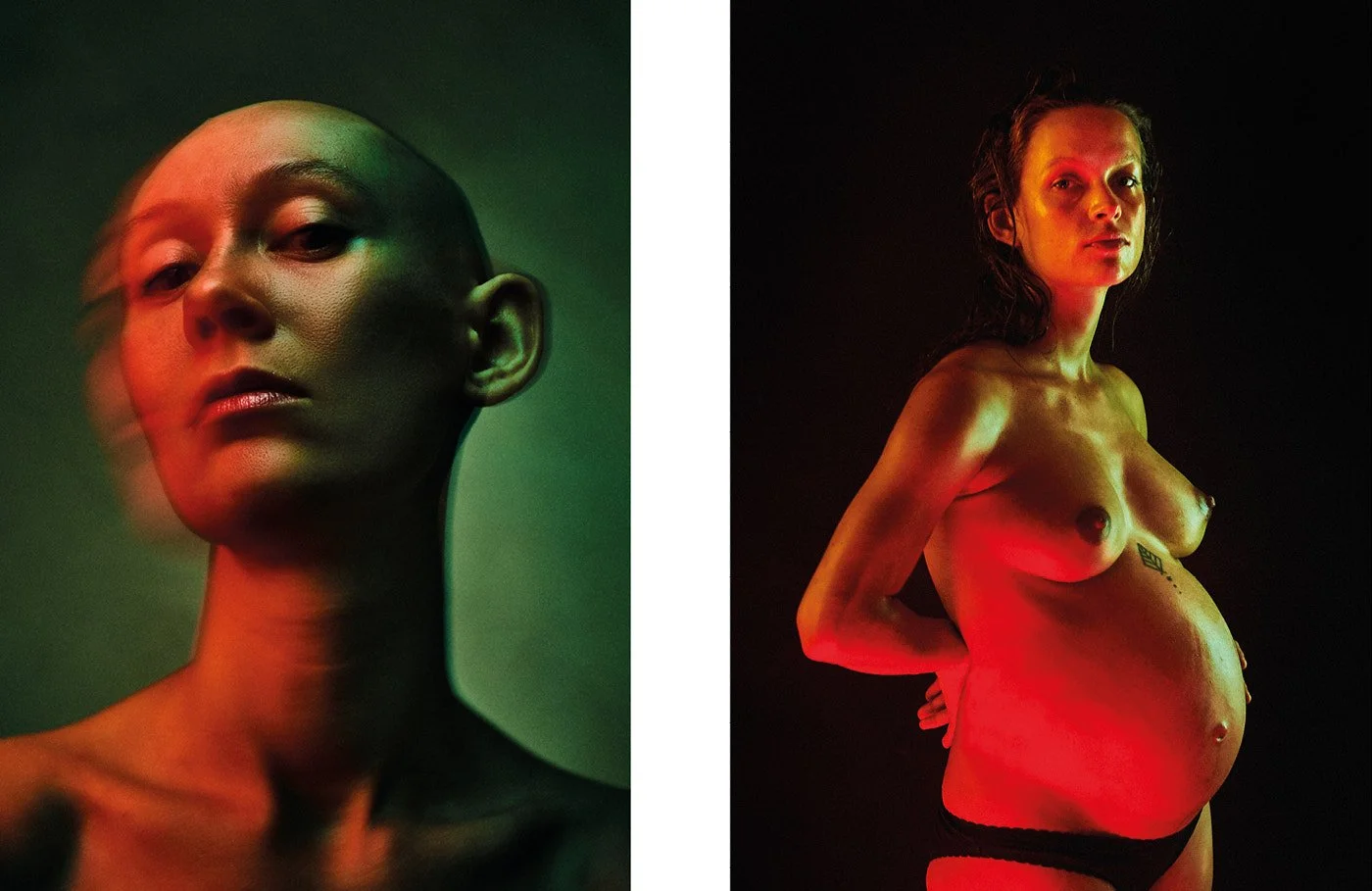
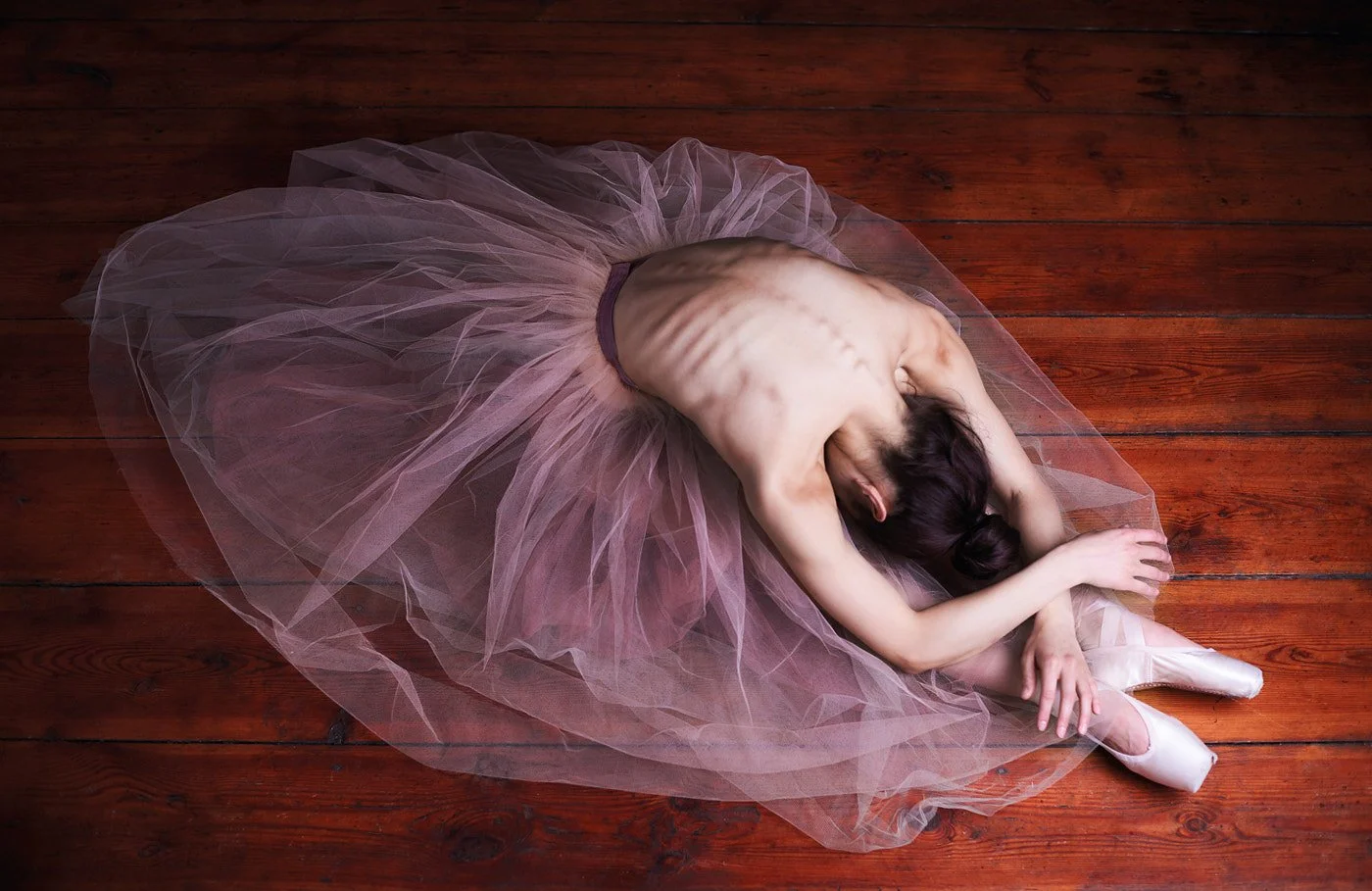
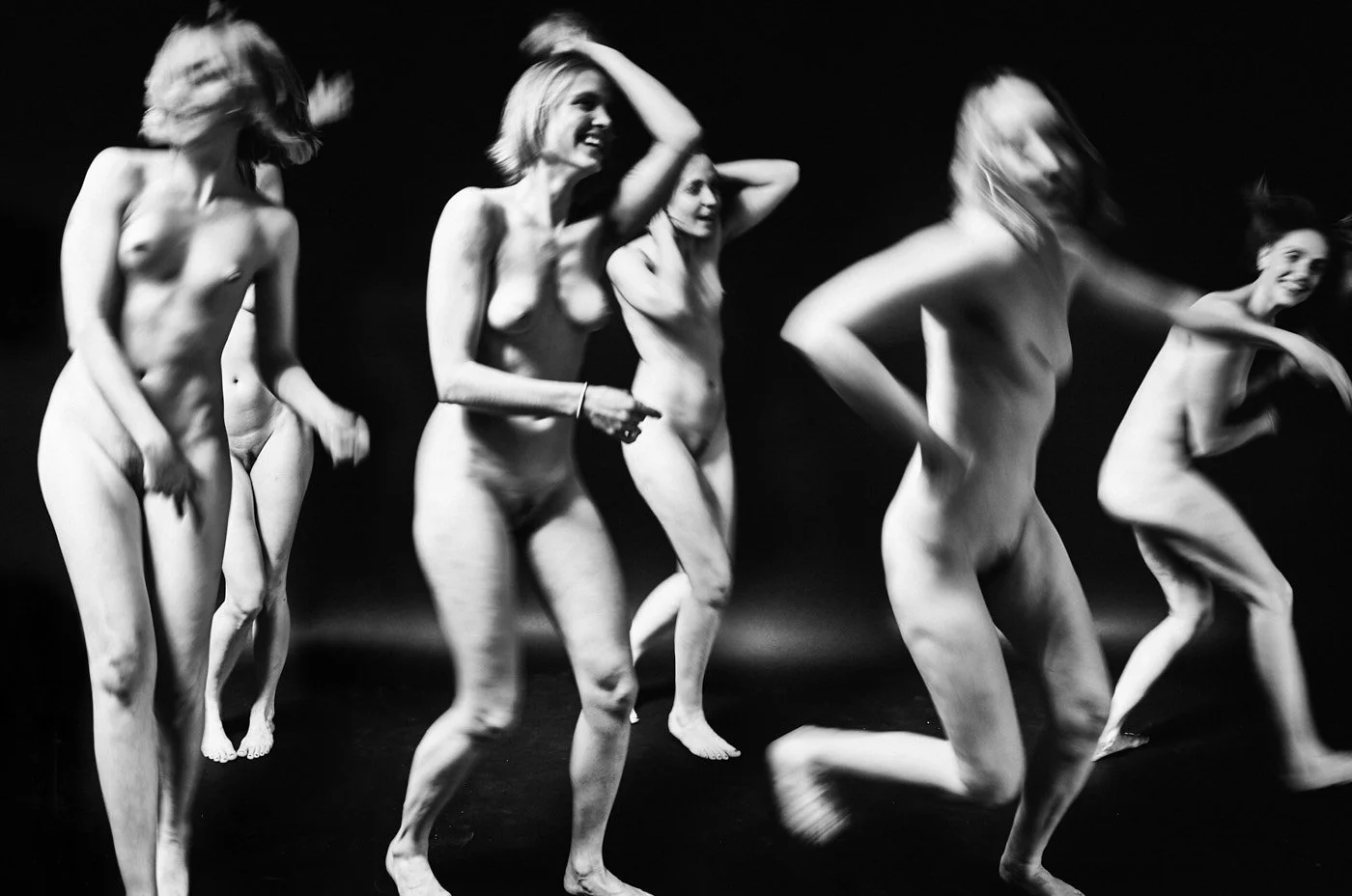
How can I, as a man, approach the female body with a camera? I know the weight of the gaze, the long history of possession and projection. This tension is part of every image, and I cannot step outside of it. That is why I wanted another voice to stand next to mine. Clara Hahn wrote a text for this series—her words don’t explain the pictures, they resist them, expand them, contradict them. For me, the body is not an object to be shown but a living presence: fragile, strong, and deeply human. The photographs are not answers—they are questions that remain open.
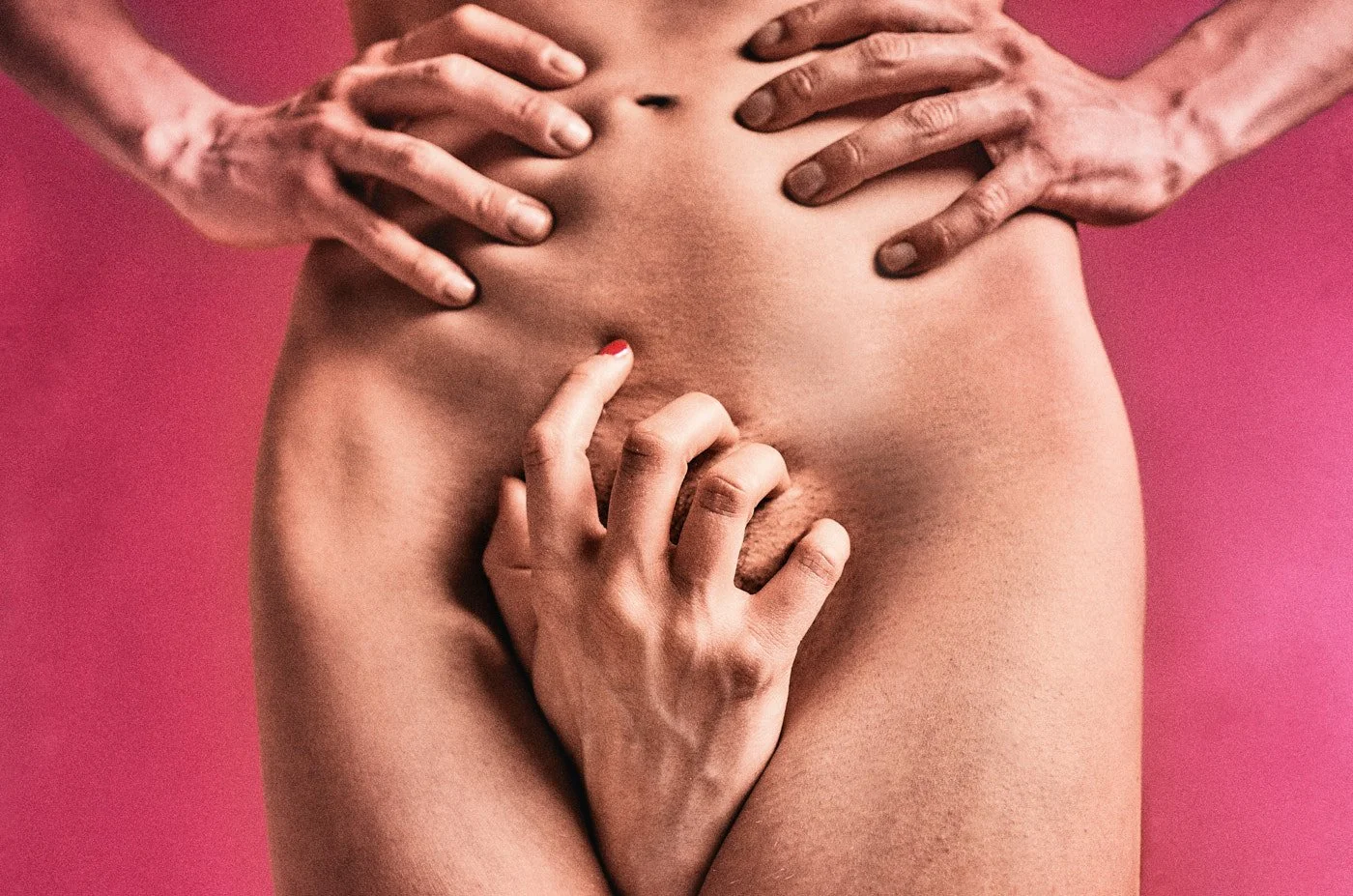
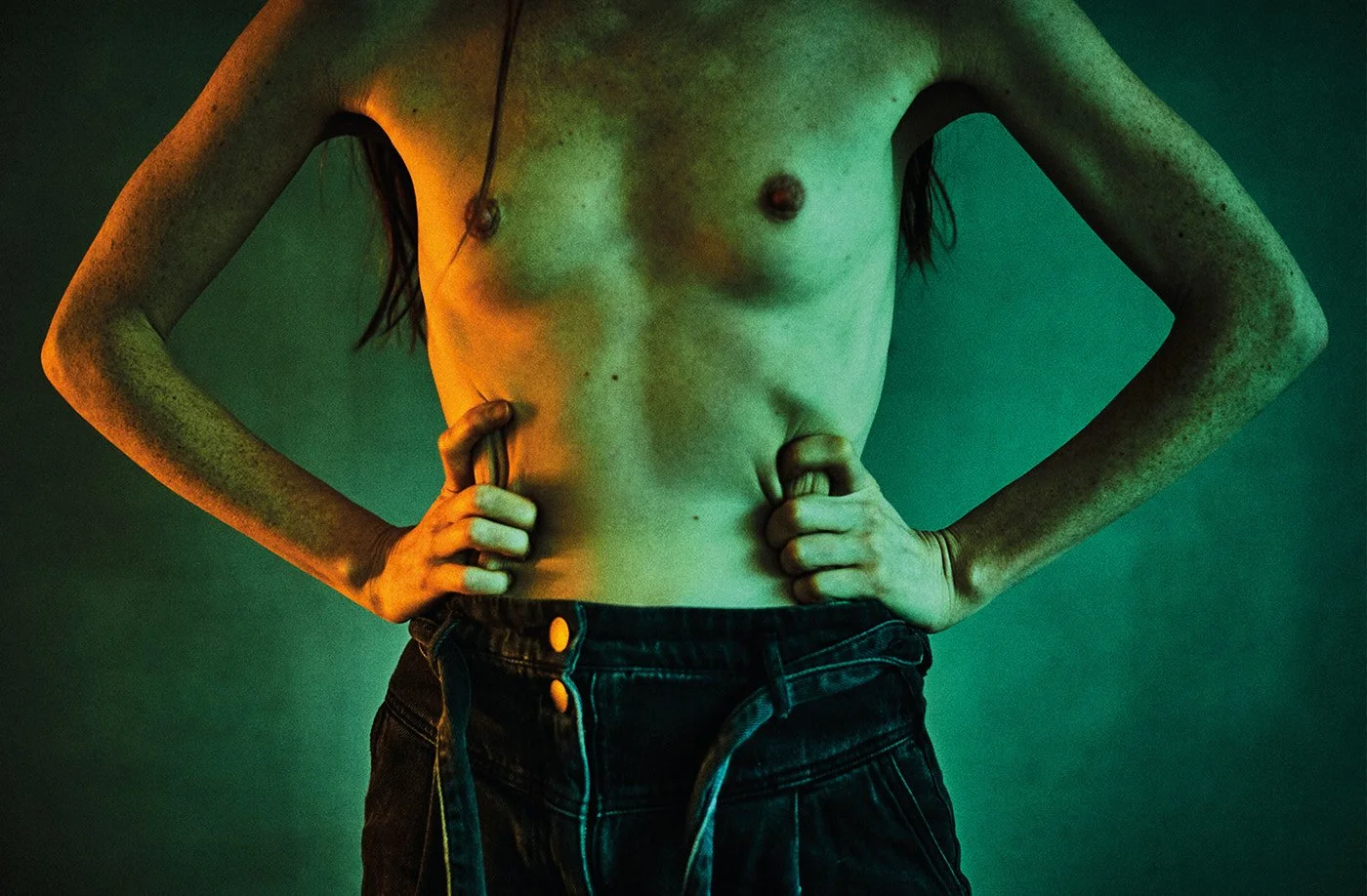
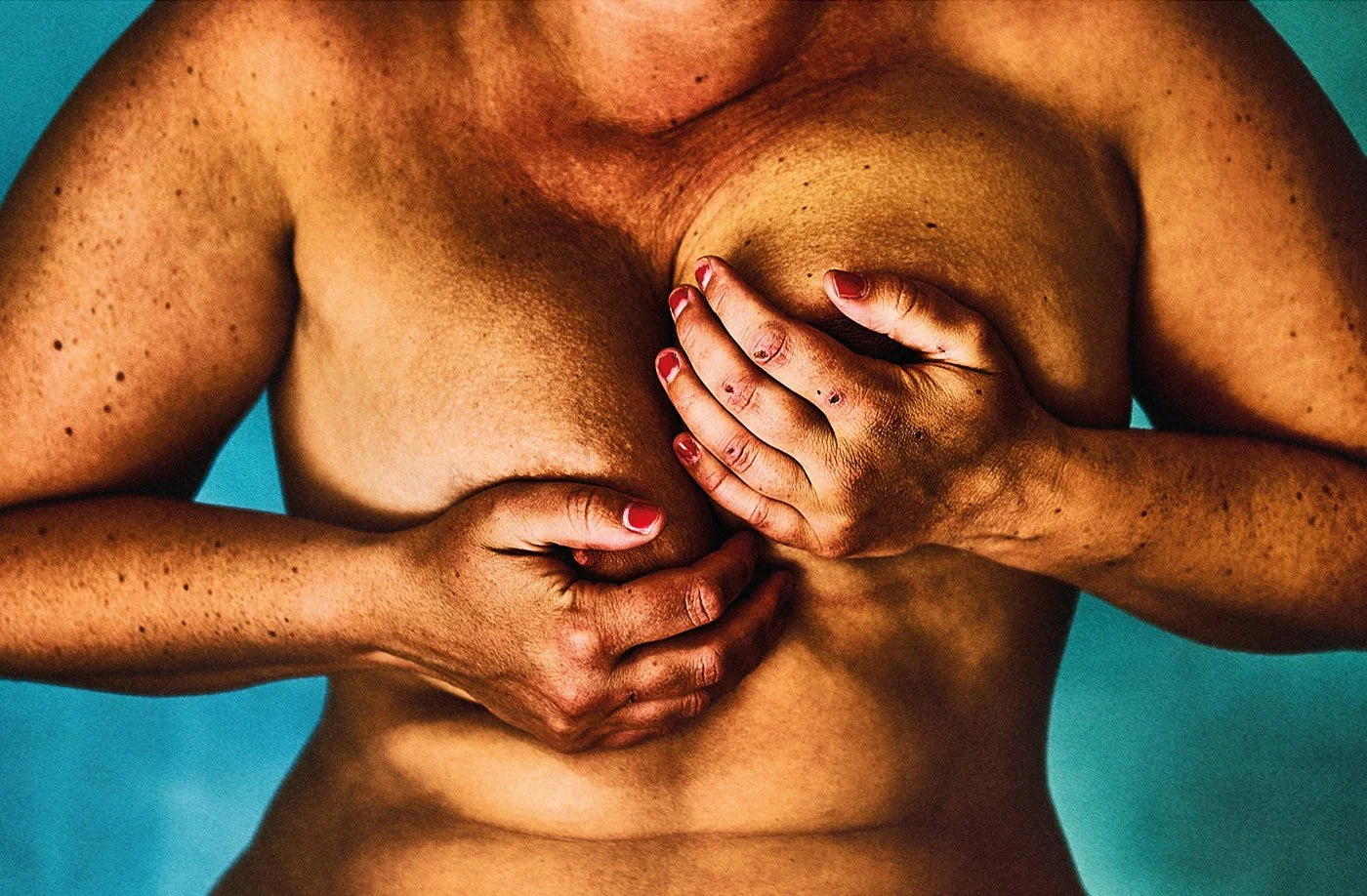
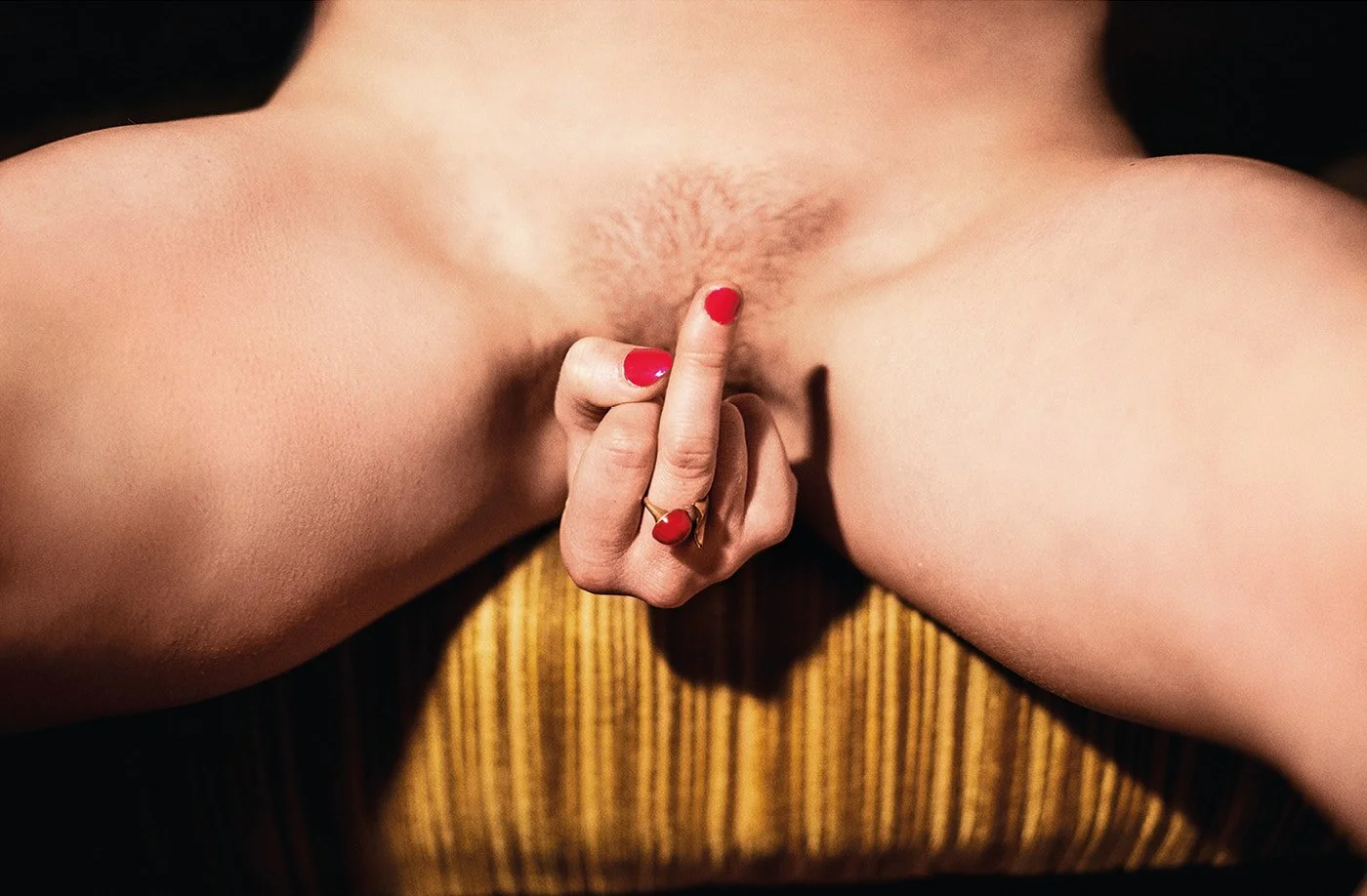
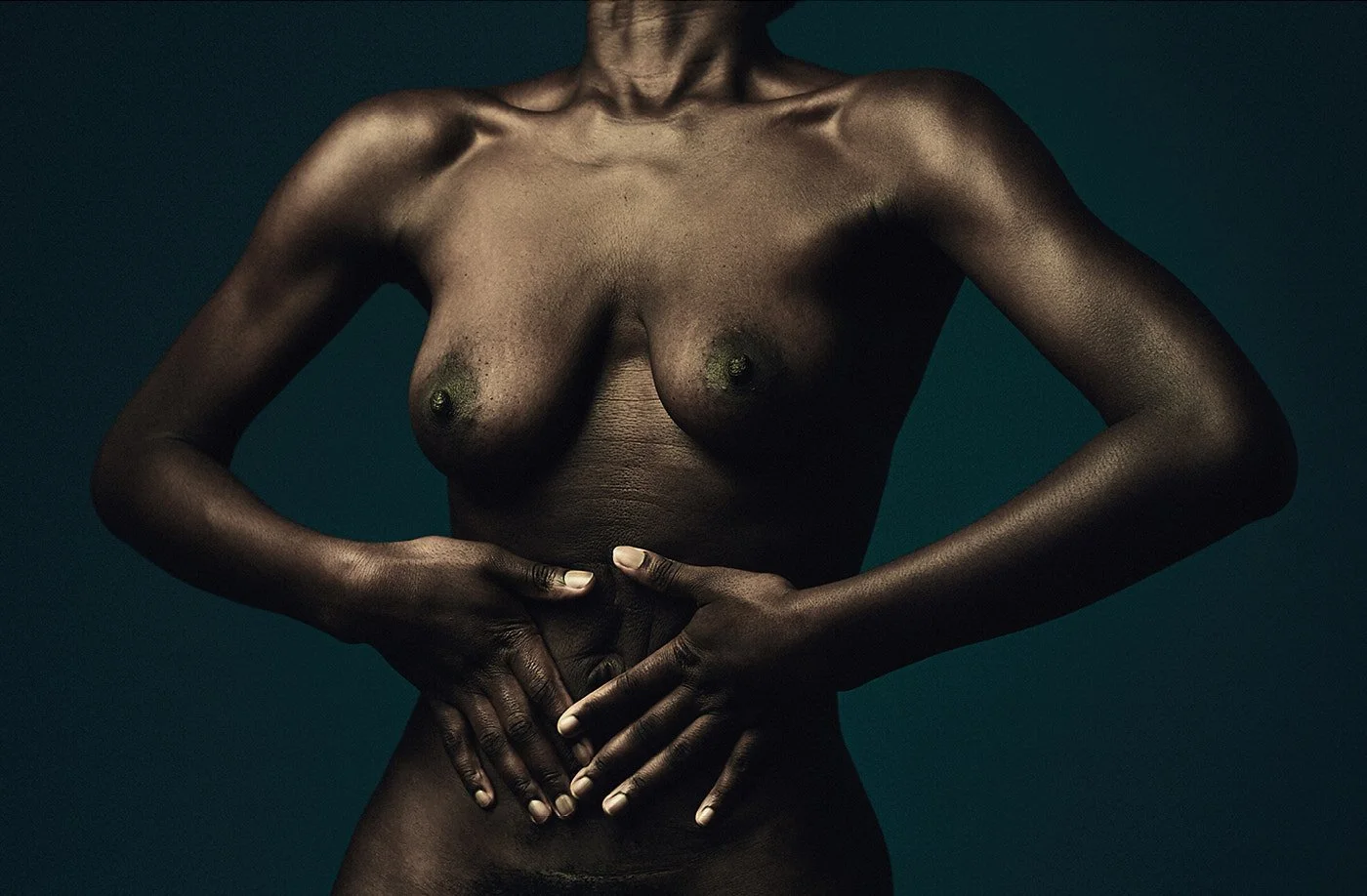

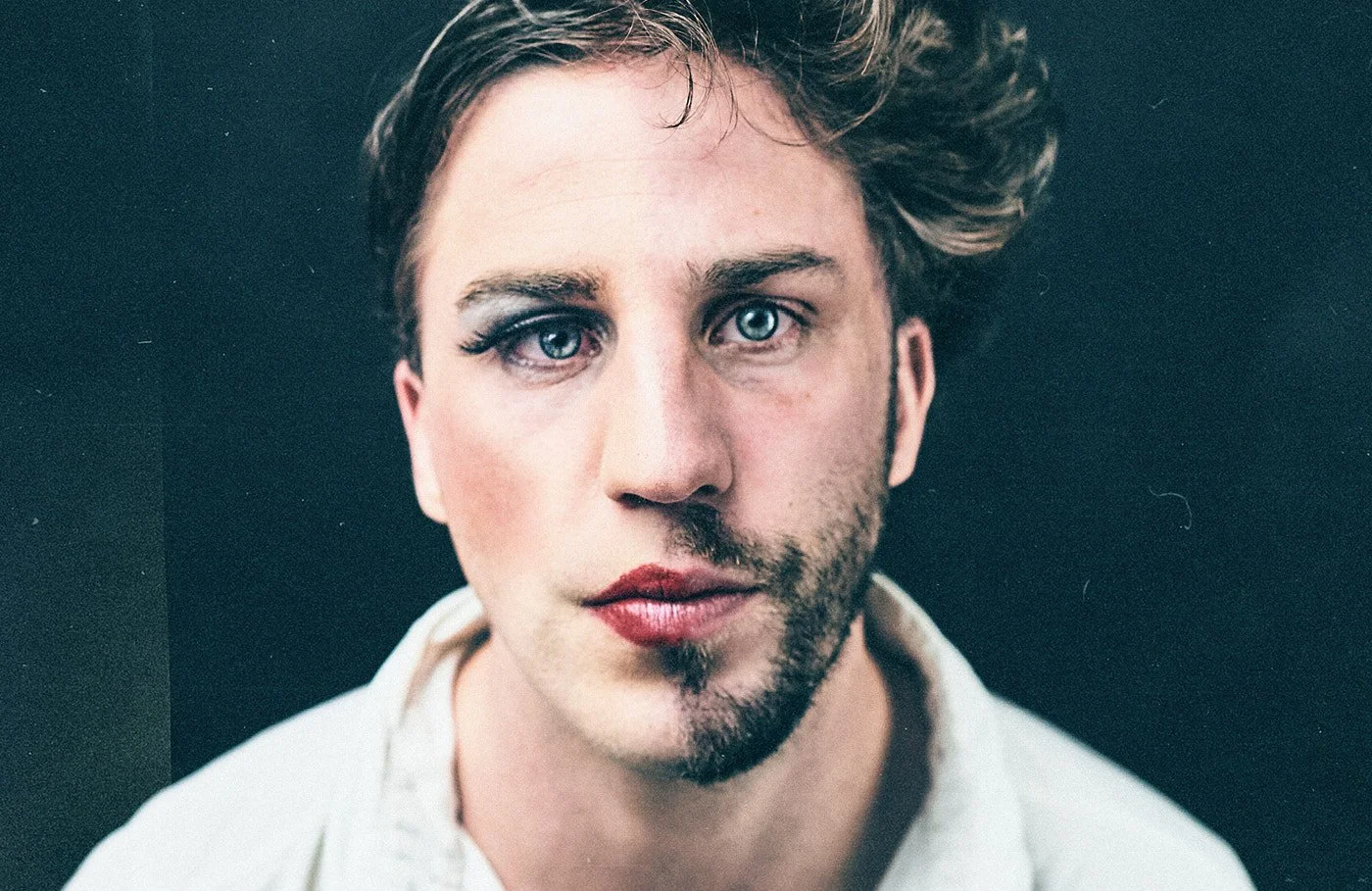
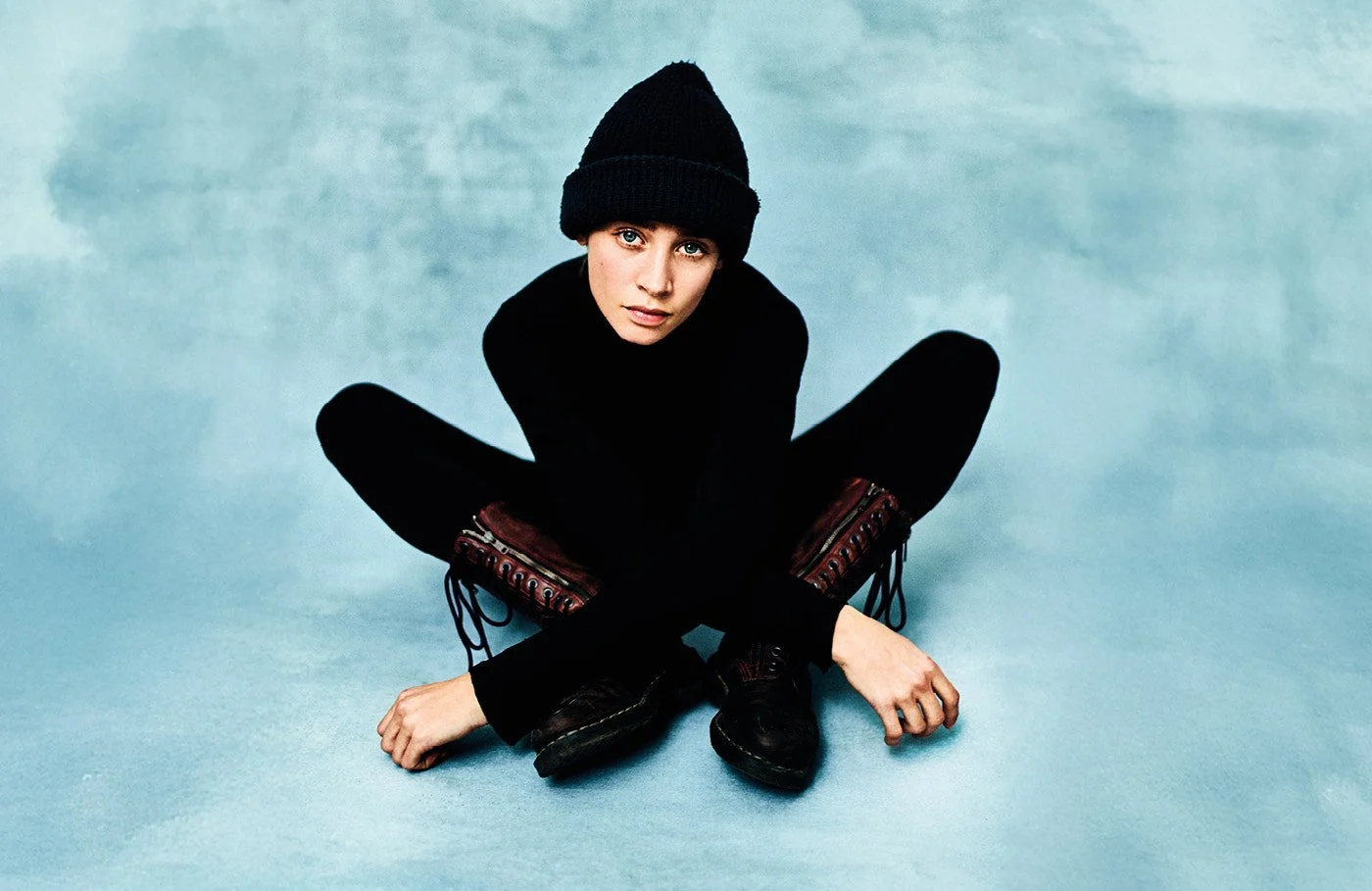
We master the art of hiding. out of politeness, tiredness, or caution. But some people can shift the room. It’s not a call, but an offer they give. an offer to show yourself. It’s those people who allow themselves to shine. They are too much, too bright, too strange — and just right. The courage they carry is contagious. They are out of place, but right on point.
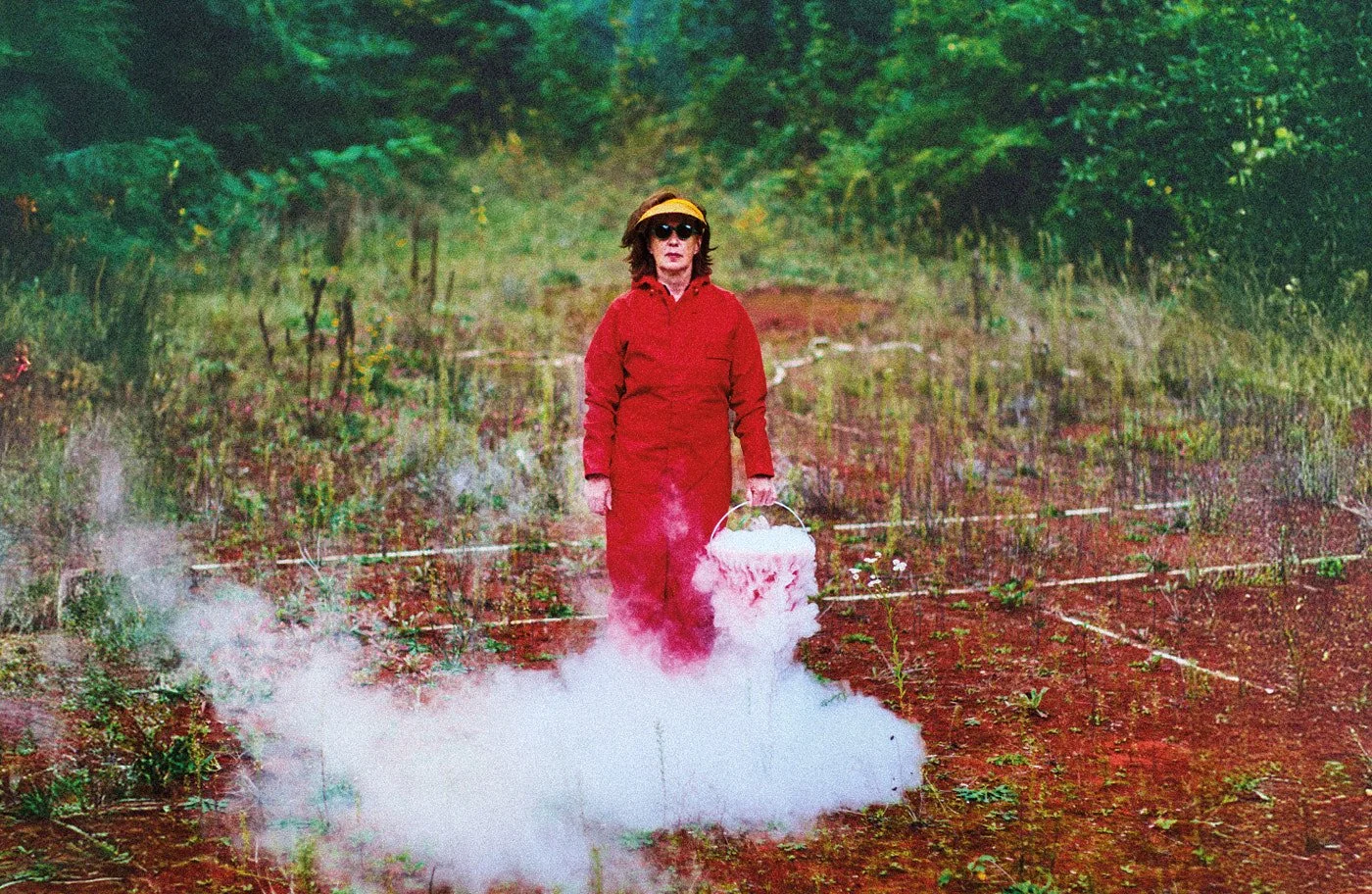
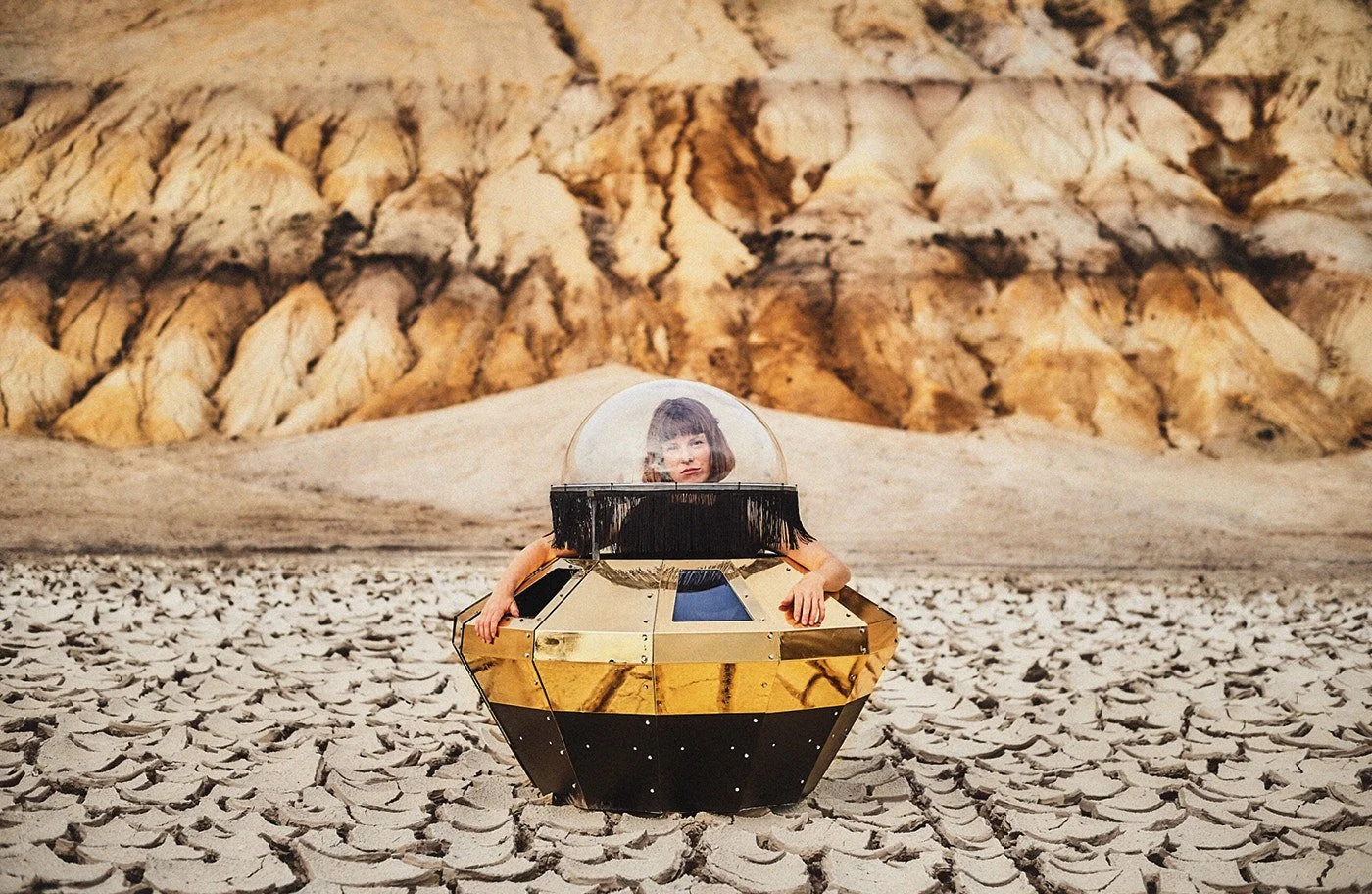

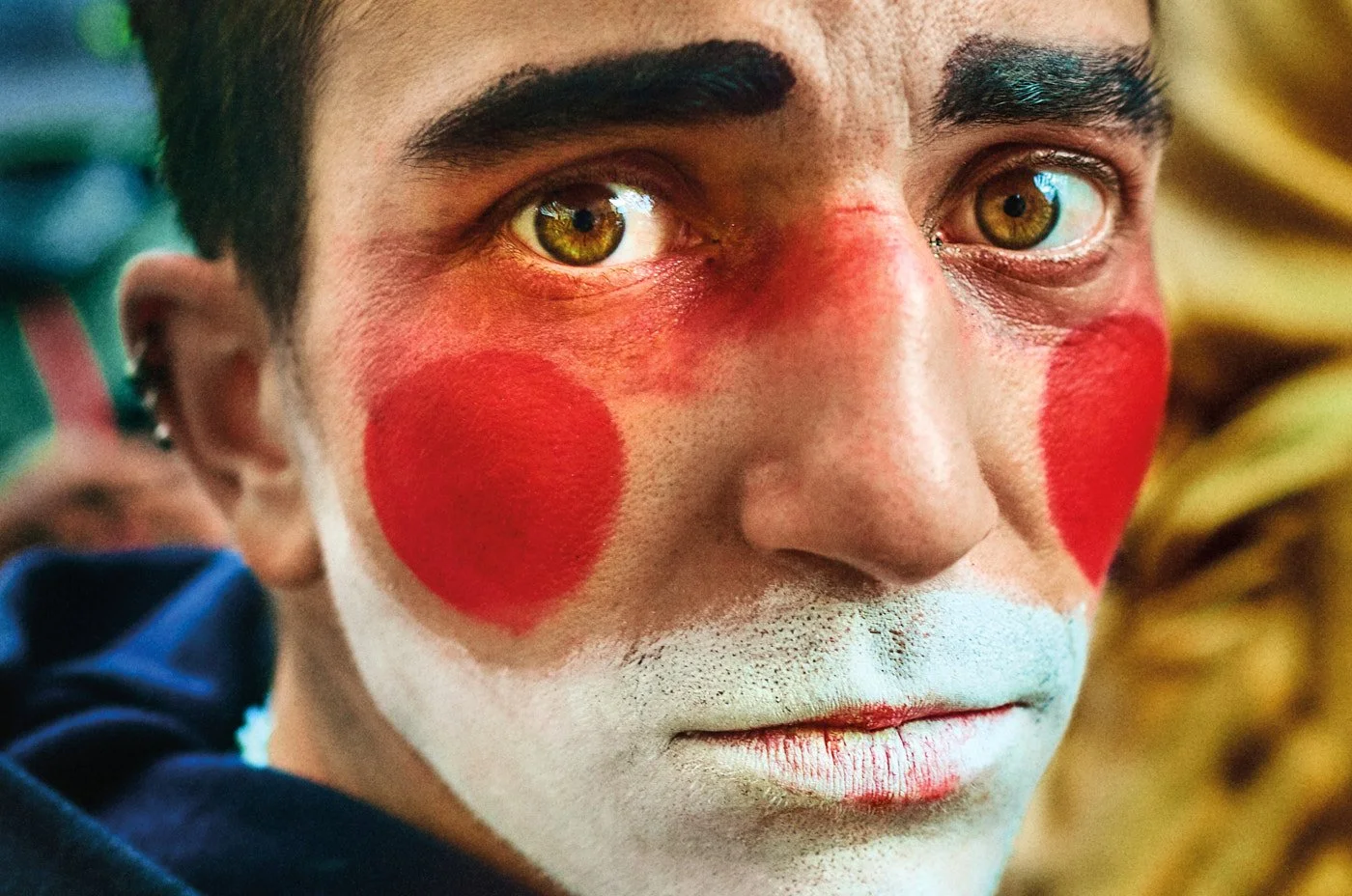
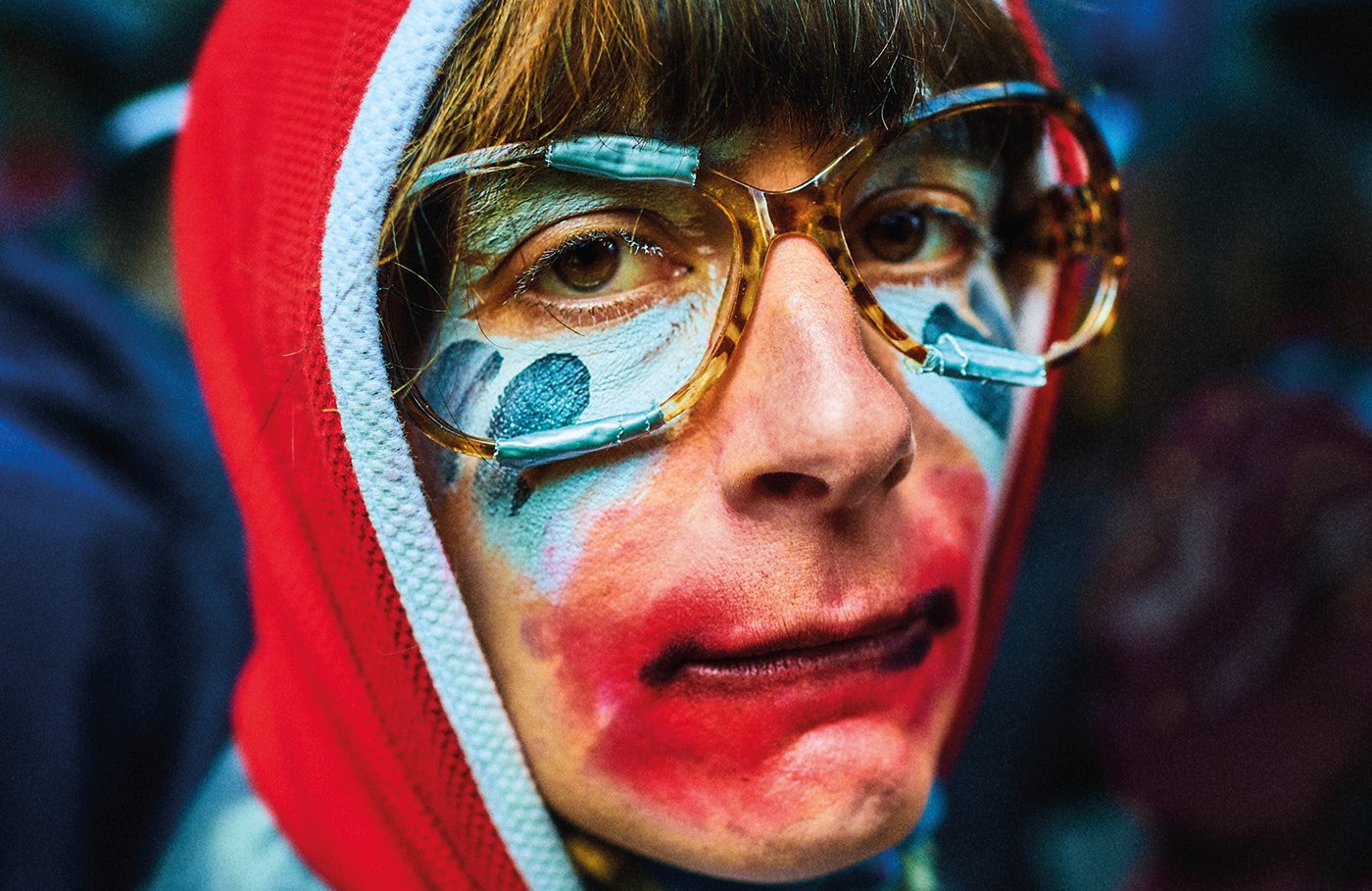
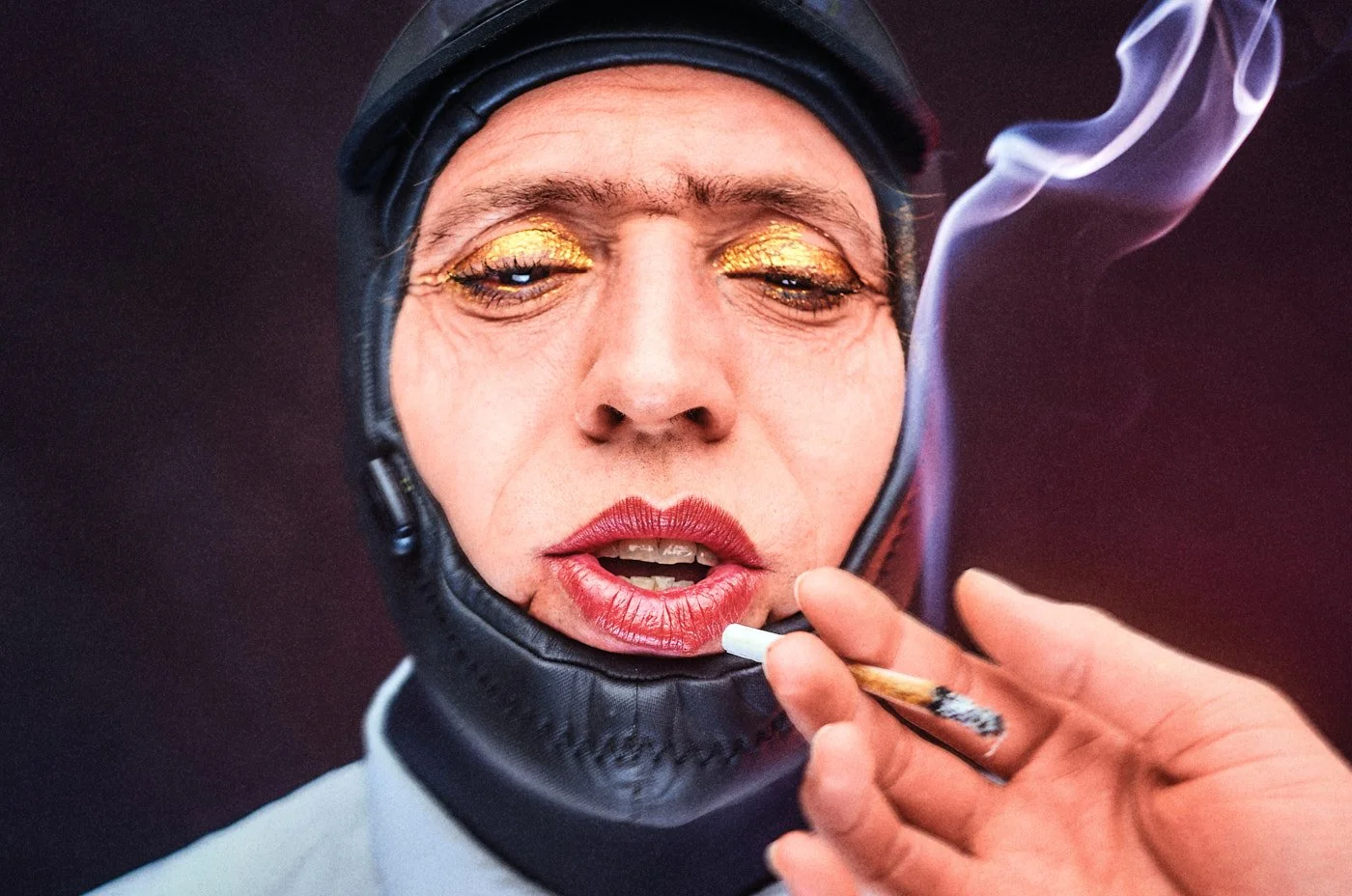
In Marseille once a year there is the alternative Carnaval at la Plaine. To be part of the action, but at the same time integrate the obsession for taking Photos, Photographer David Dollmann dressed up like a speed control radar and in- corporated a selfmade portable studio. This included a softbox lighting rig which attached overhead, making it possible to move around with the people and still have good lighting to create the effects and bring out the vibrant faces of the characters of la Plaine. The outcome is a series of short, Colorful and wild moments of carnaval de la Plaine.
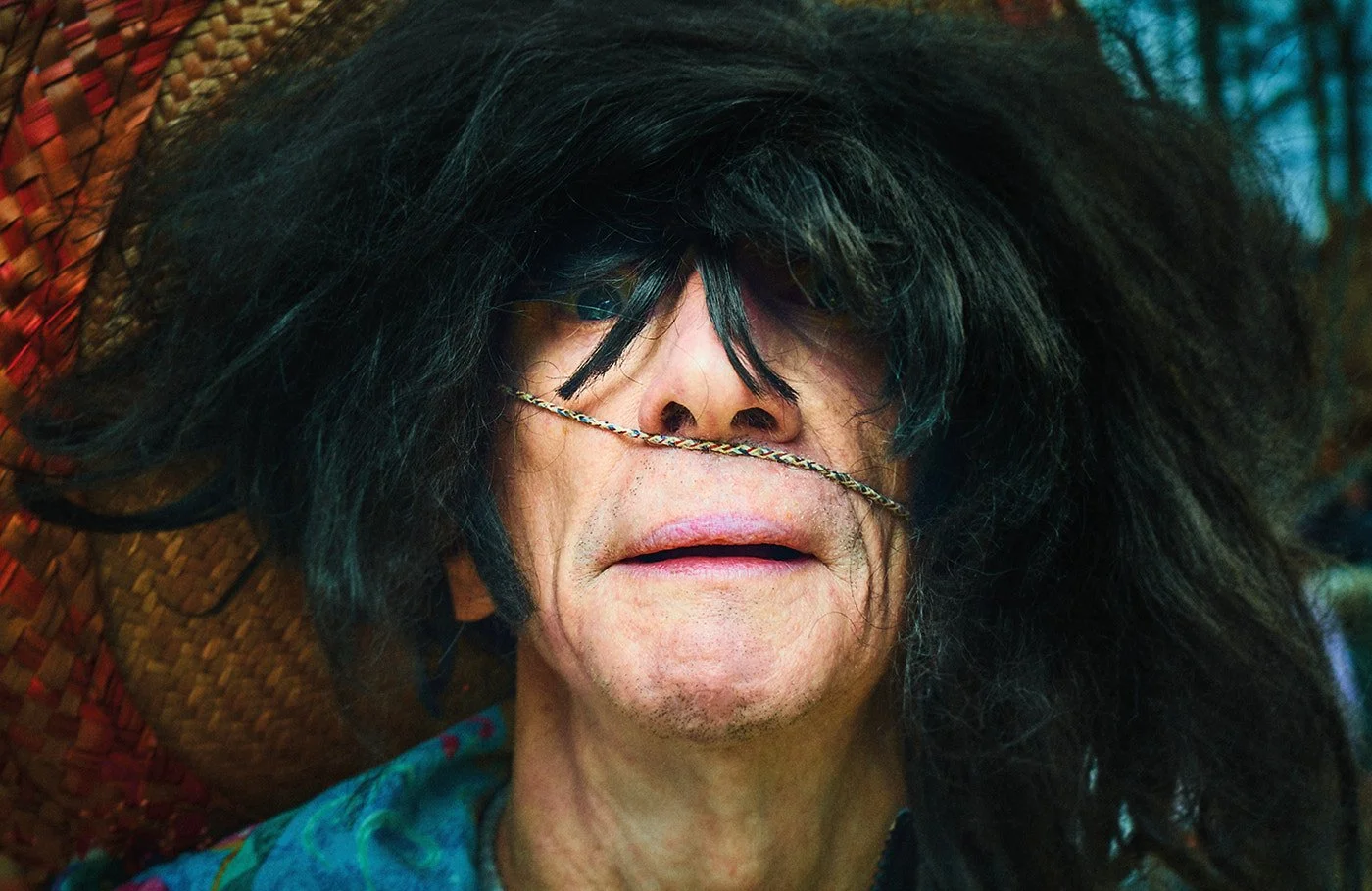
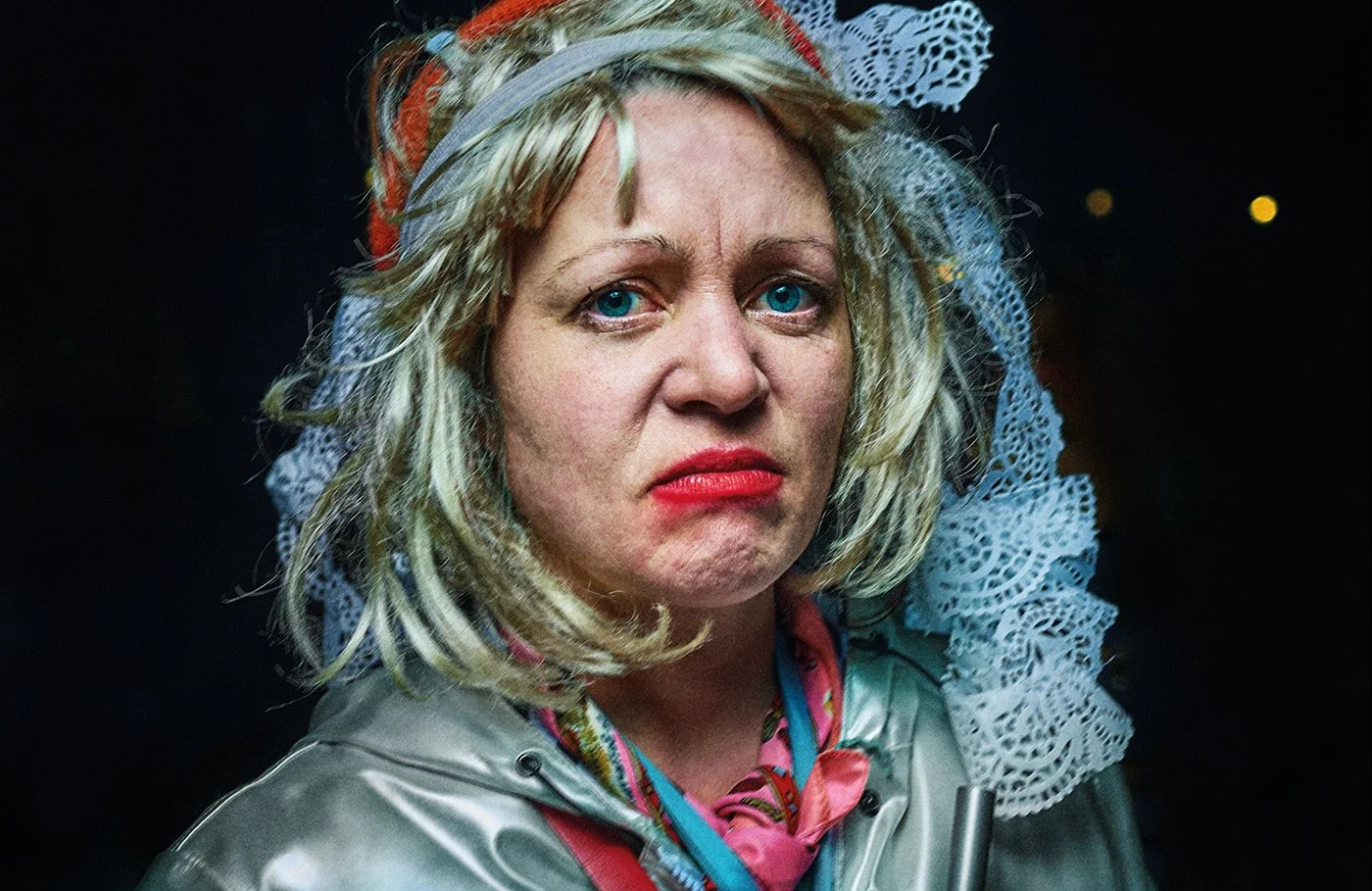
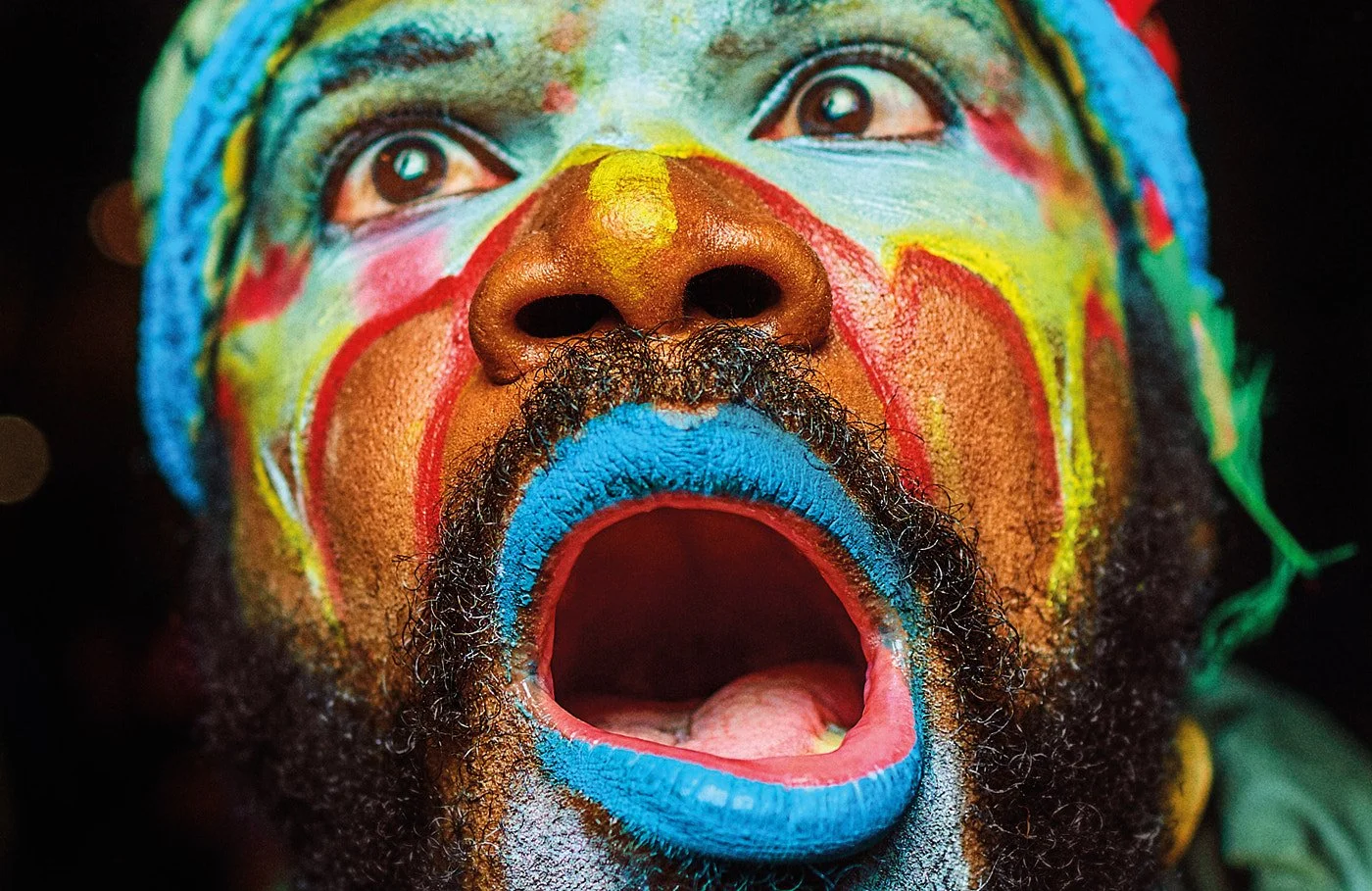

They move, they hunger, they circle each other. So do we. Only ours wears shoes, carries names, and mistakes itself for something else. The animal never left — it just learned to sign papers.
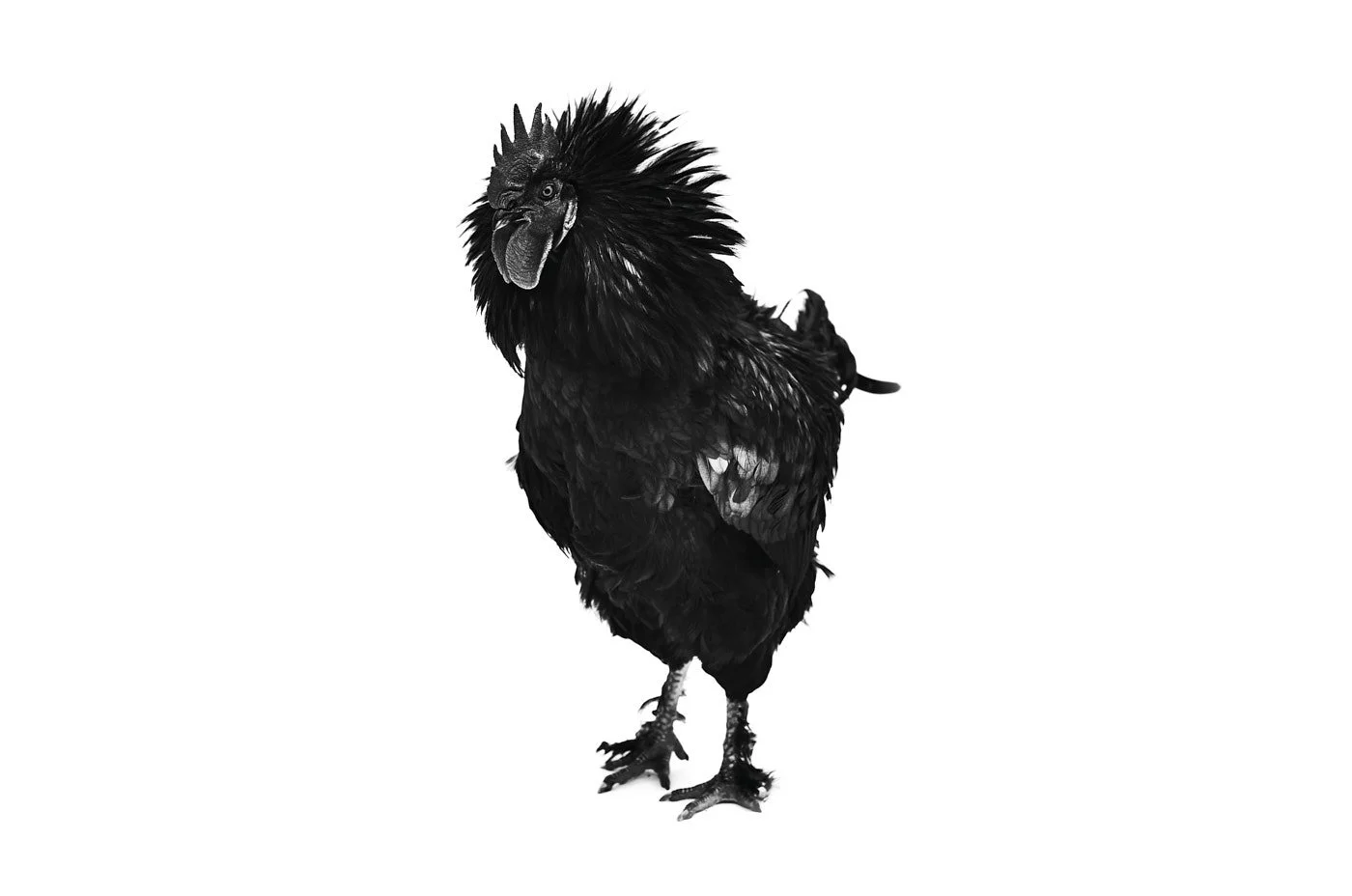
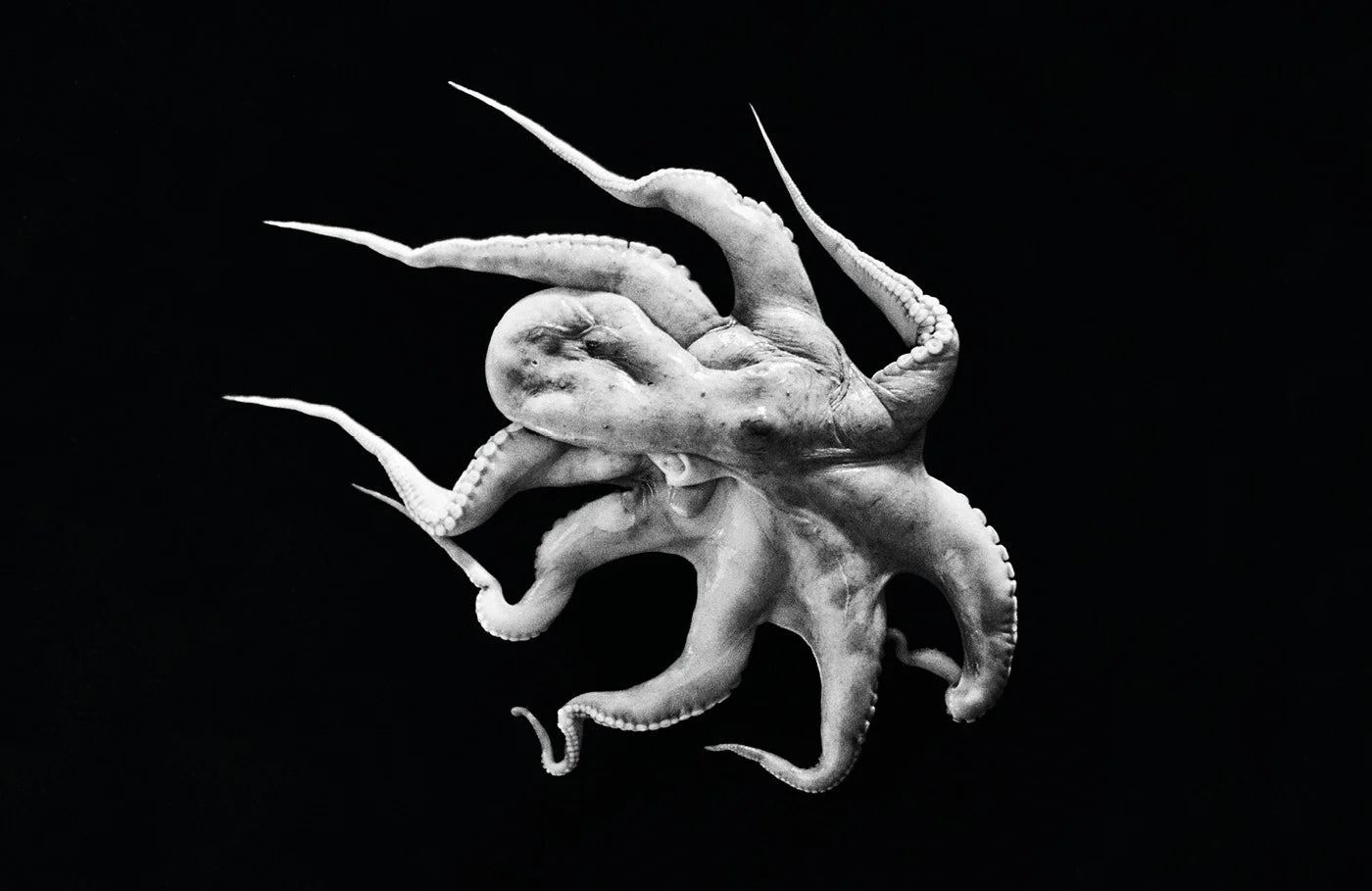
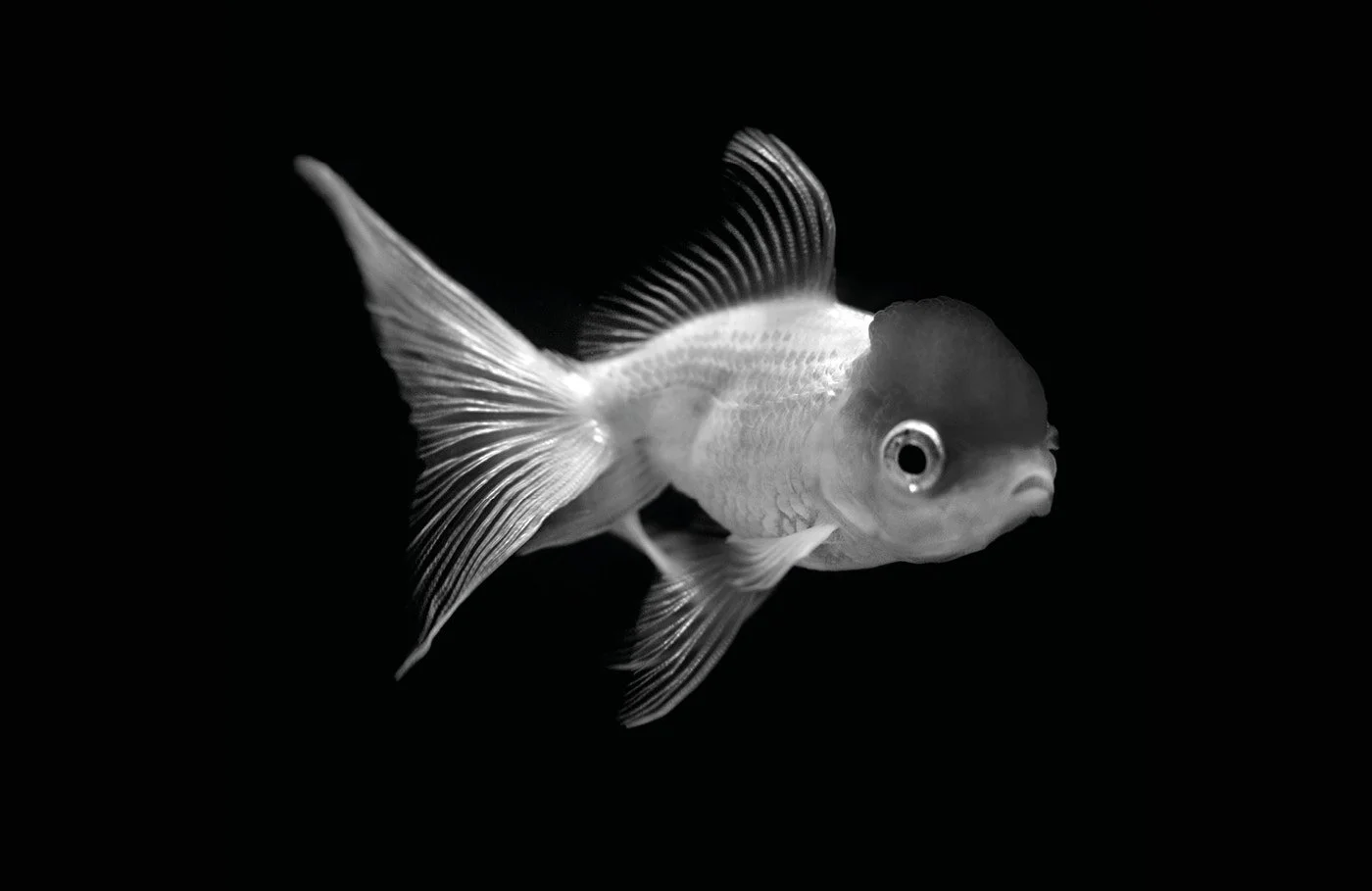
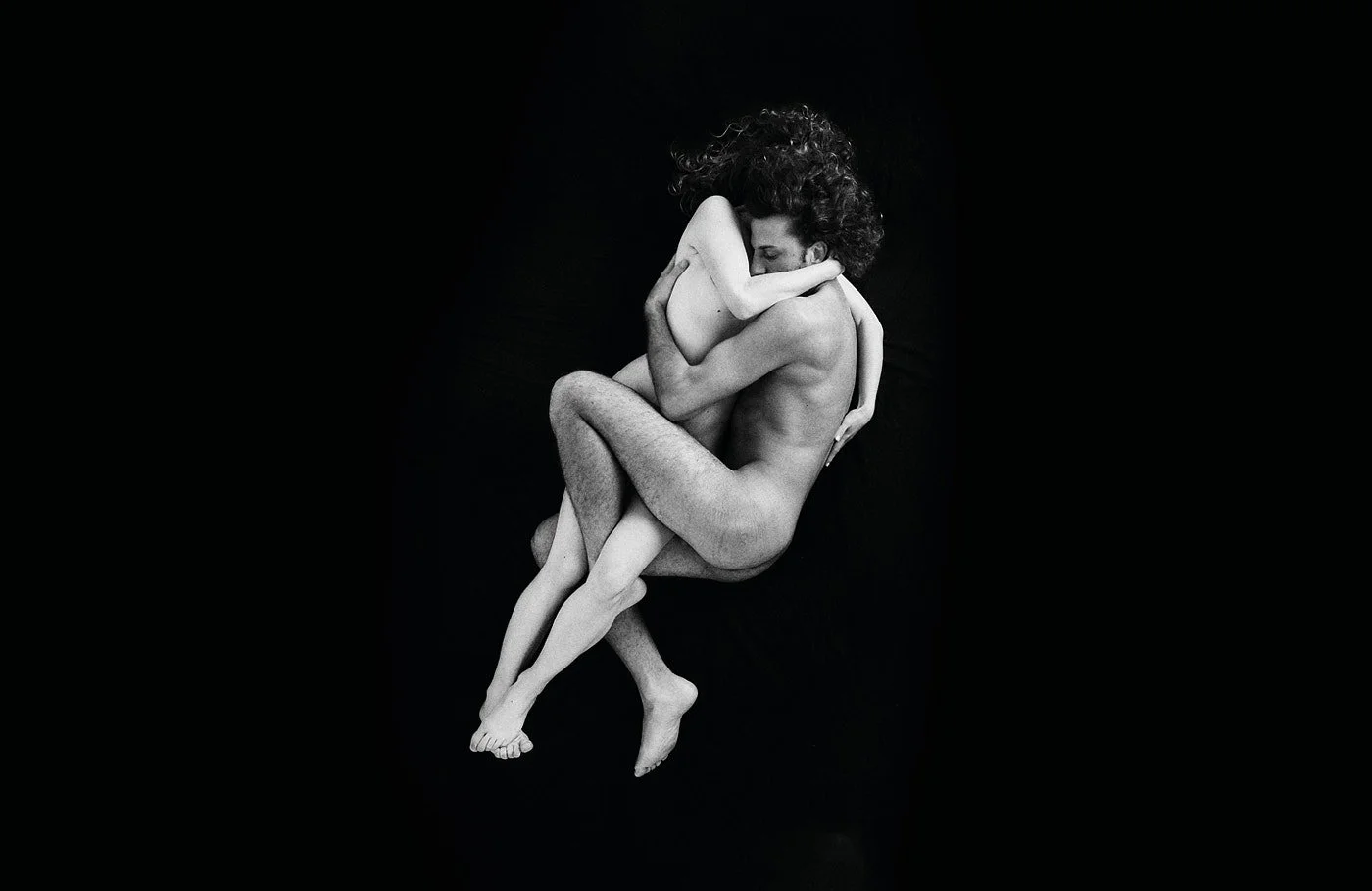
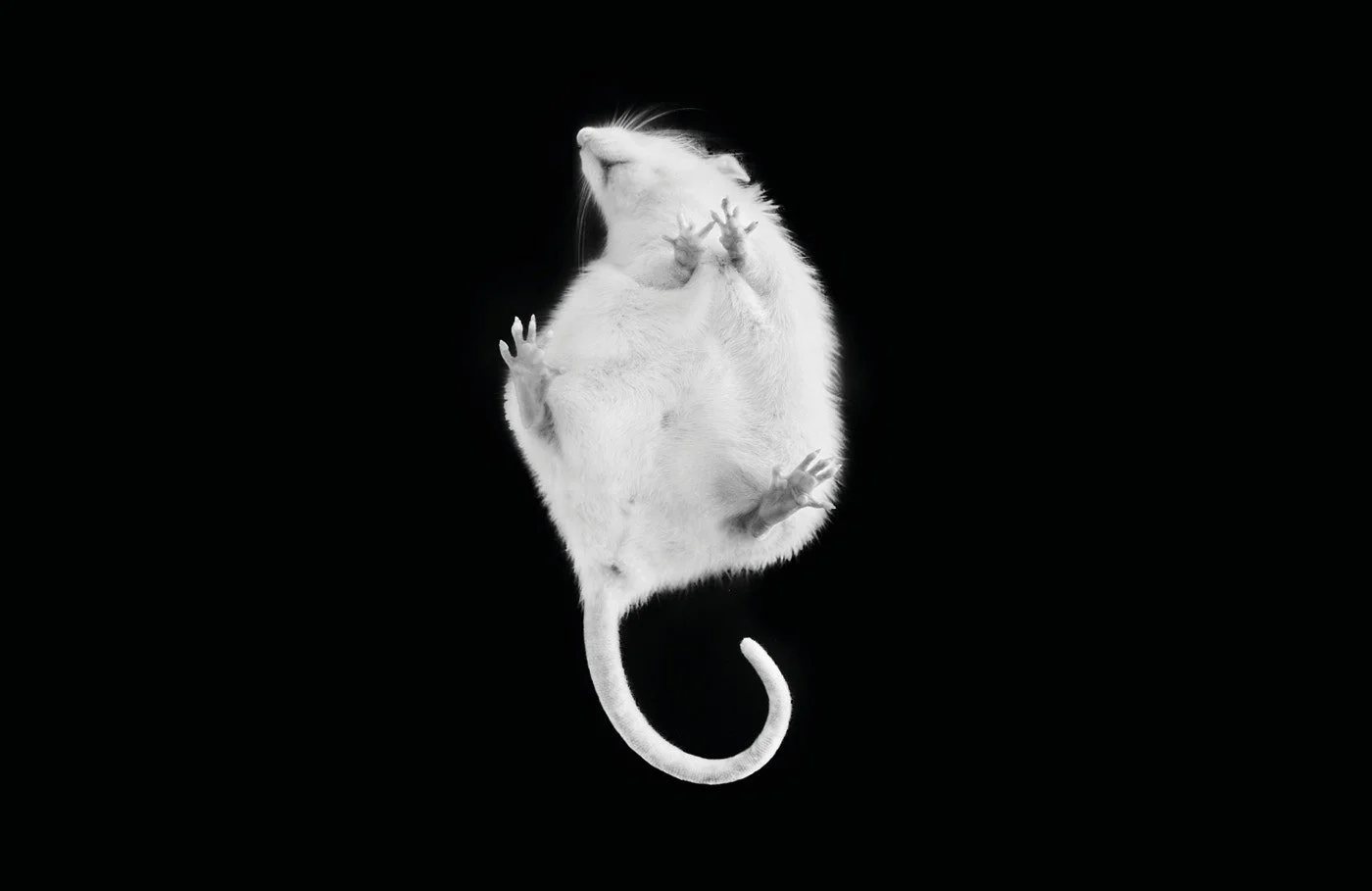

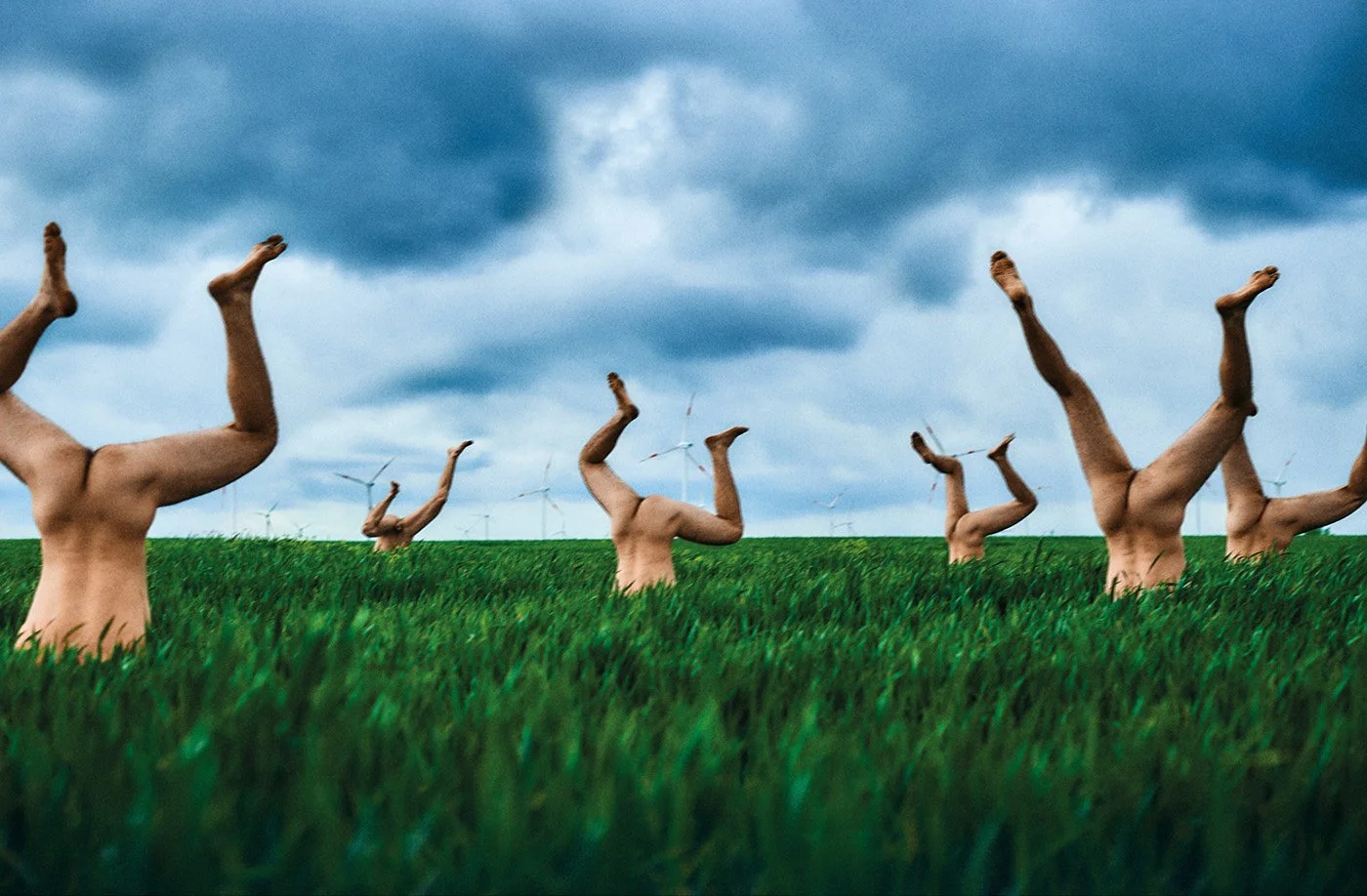
We’re up to our necks – but we choose what we’re stuck in. Sometimes it’s the haircut that didn’t work out, the exam waiting tomorrow, the question of what to cook, or habits we can’t quite shake. Problems always feel huge when they’re ours, no matter how small or serious they look from the outside. And maybe that’s the point: being up to our necks is less about the size of the problem, and more about how it clings to us.
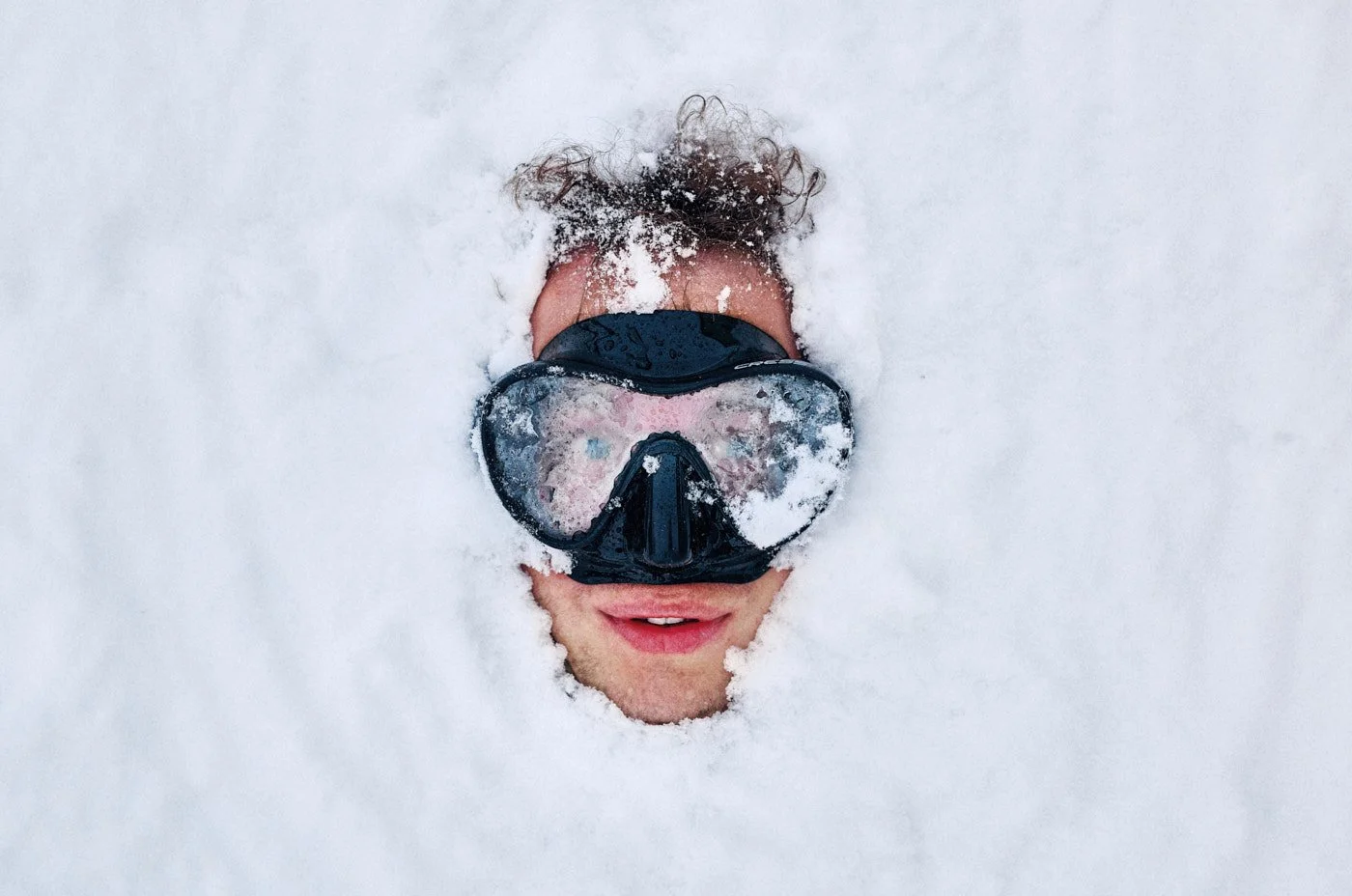
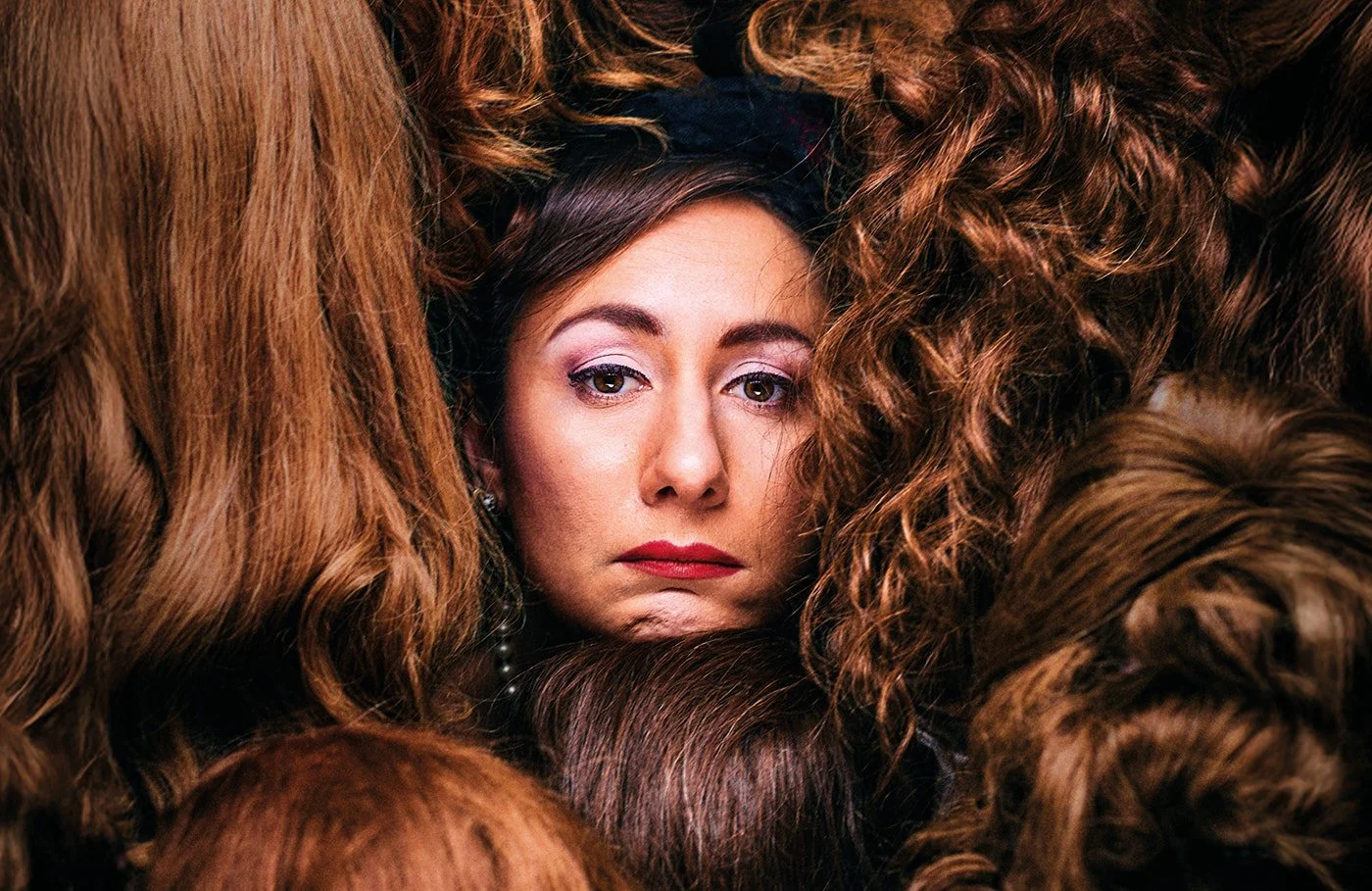
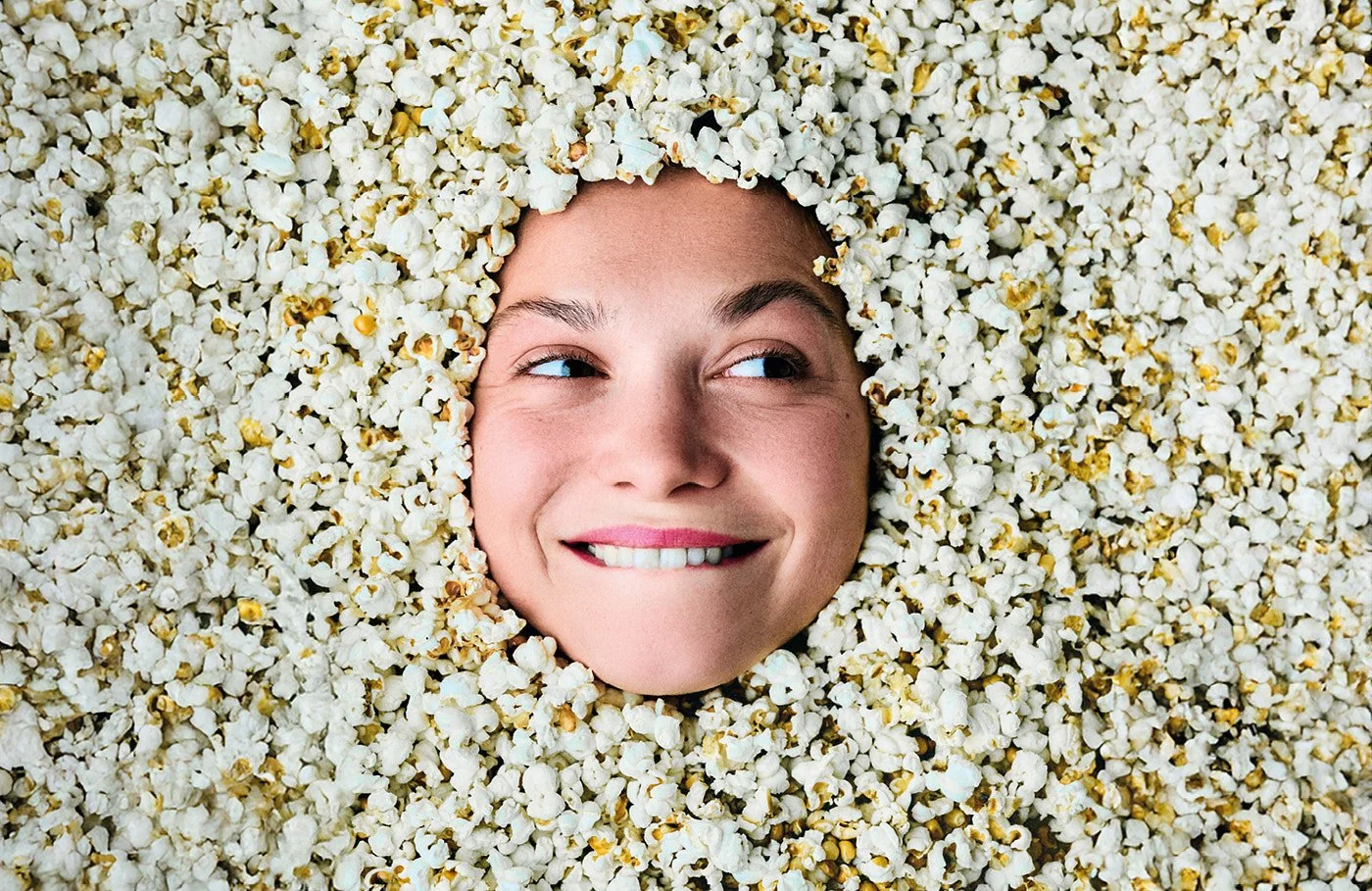
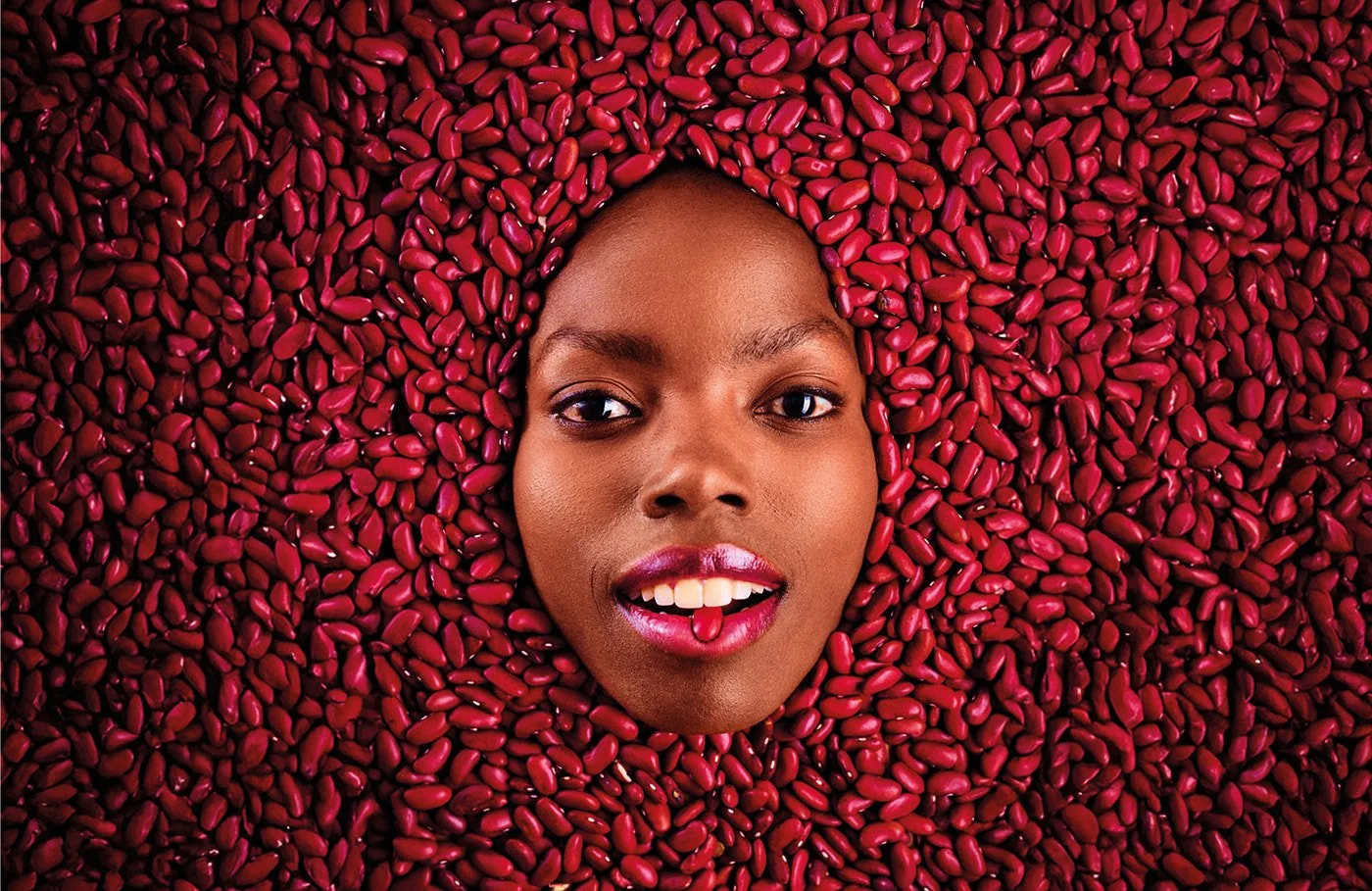
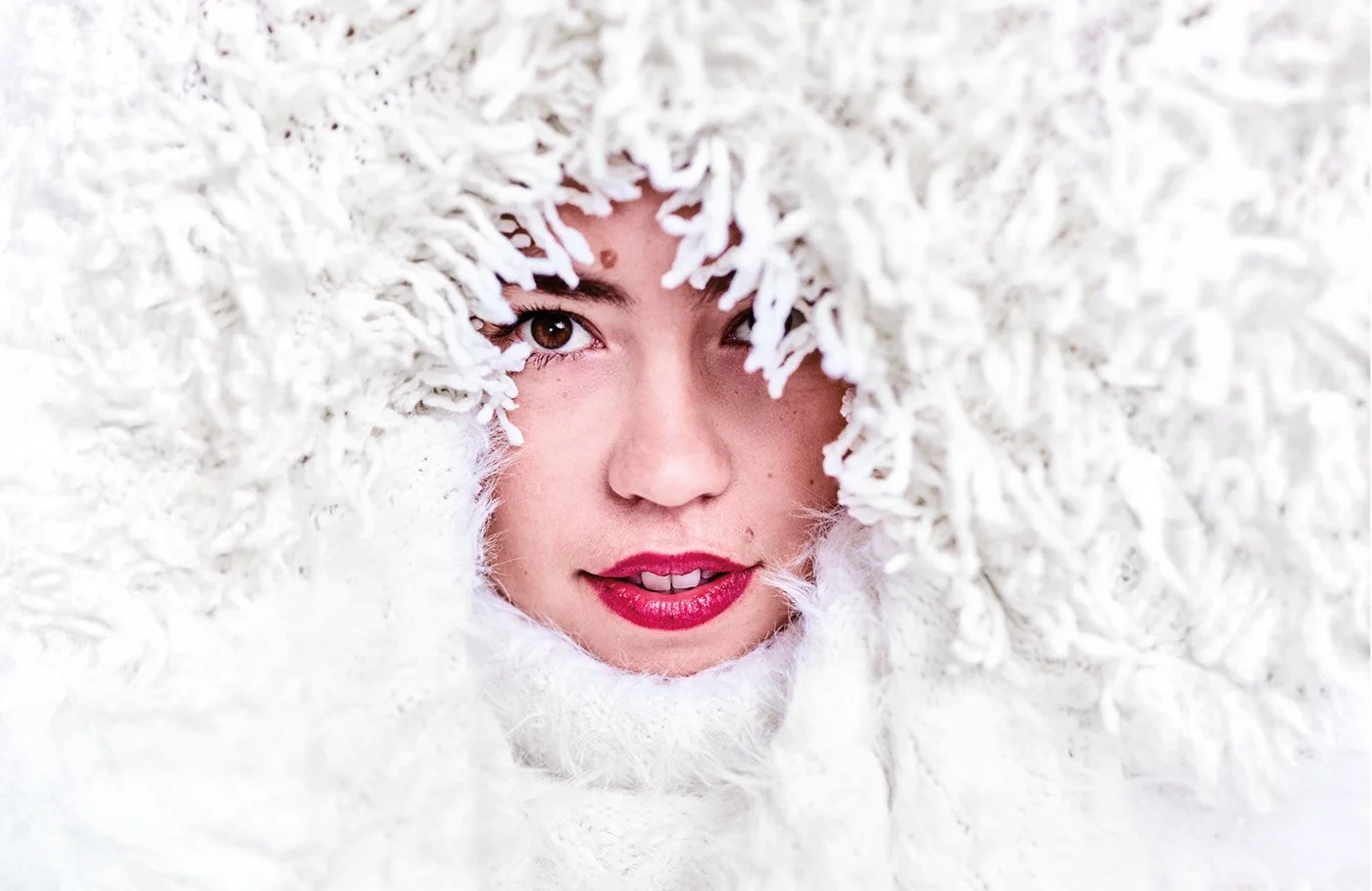

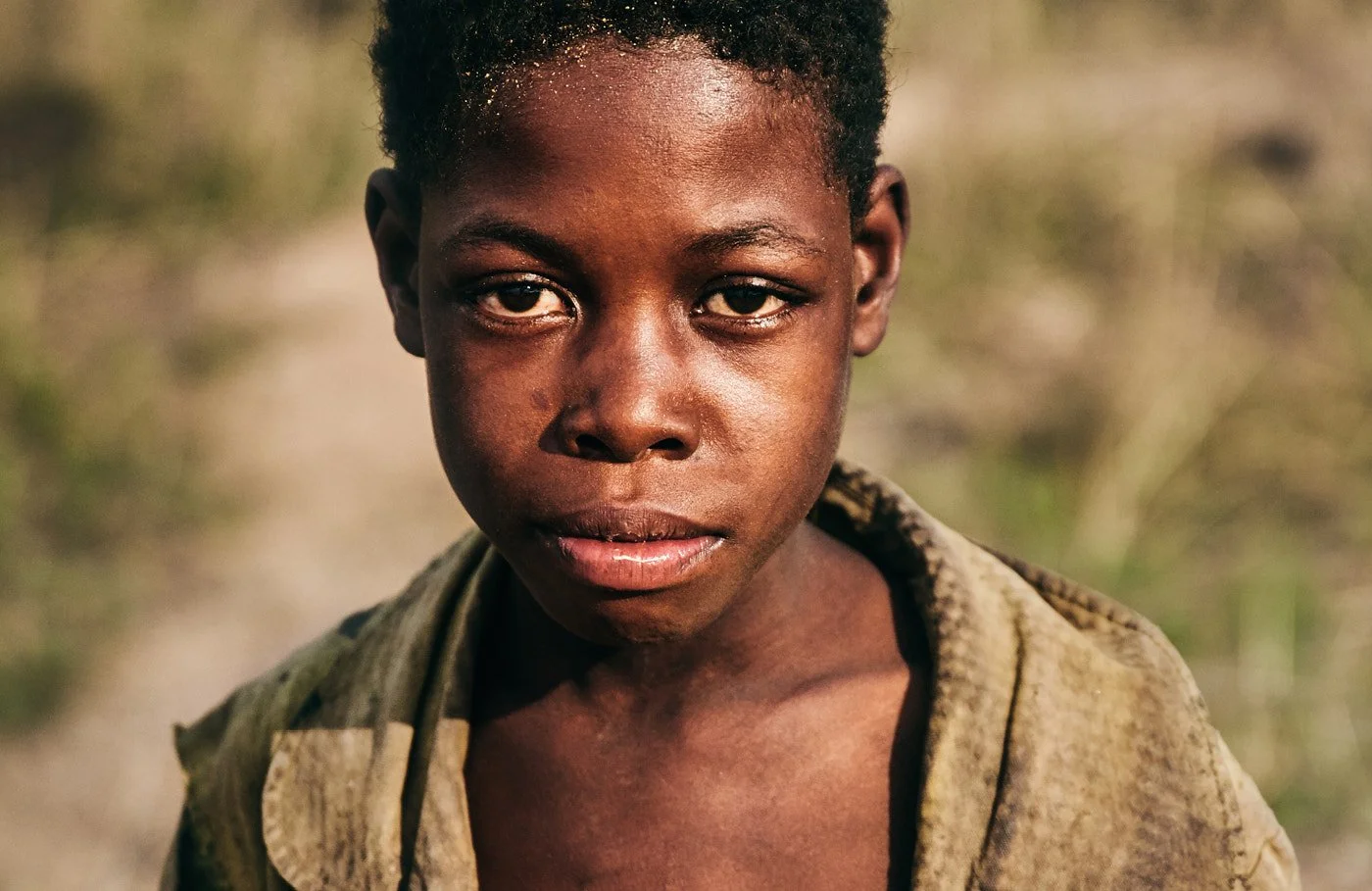
A question asked without fear, a laugh without reason. Direct, fragile, unrepeatable.
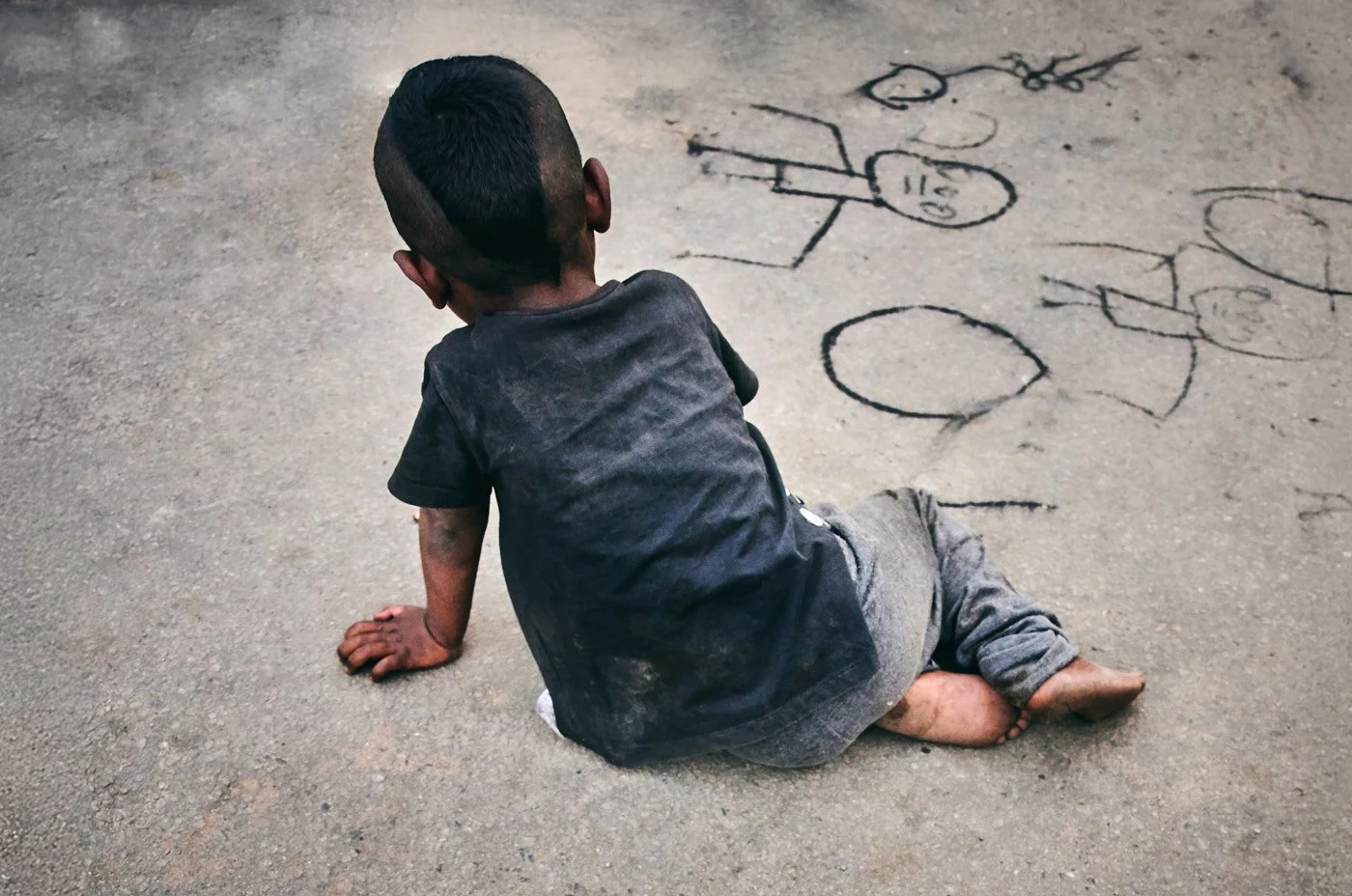
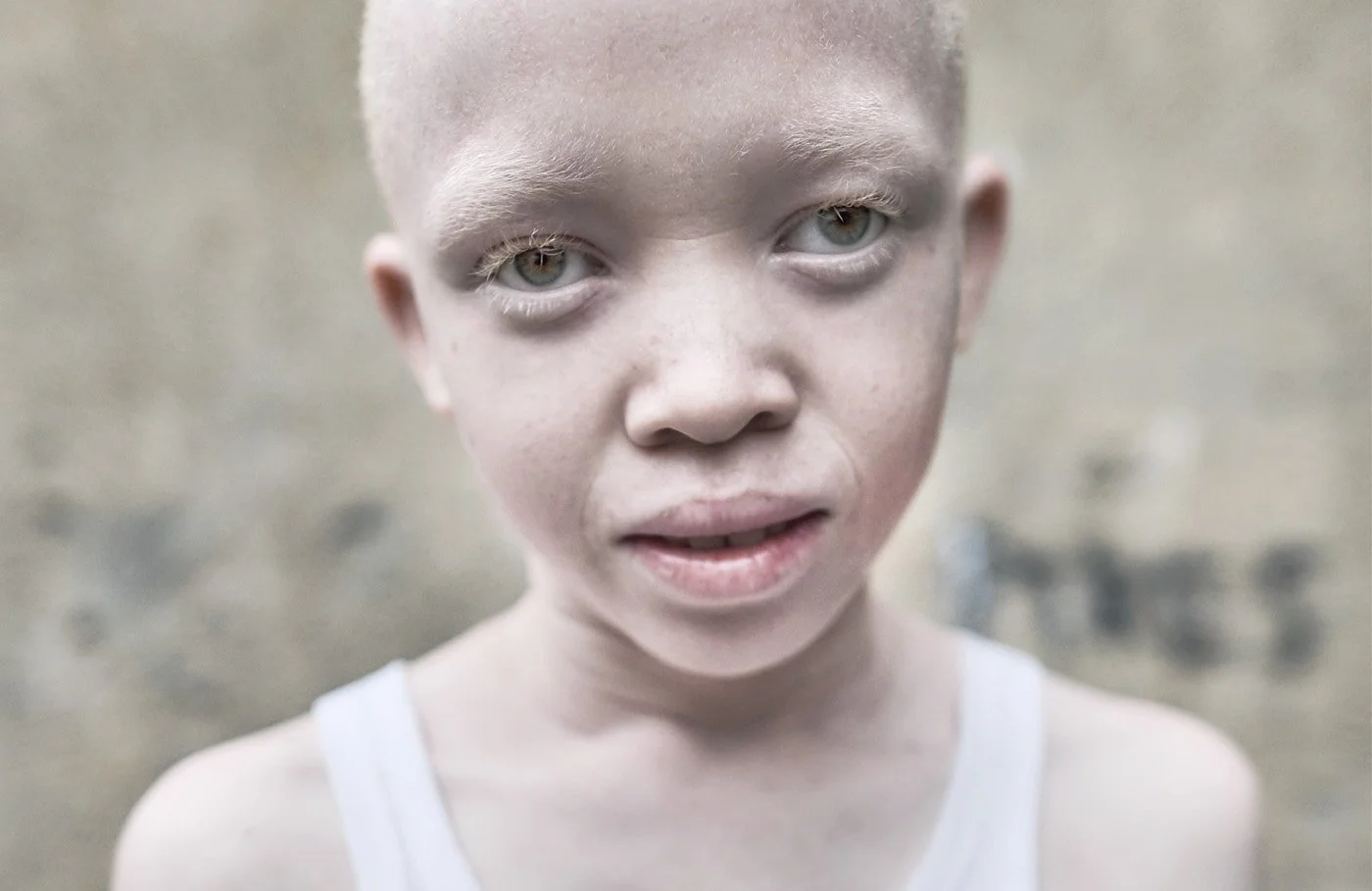
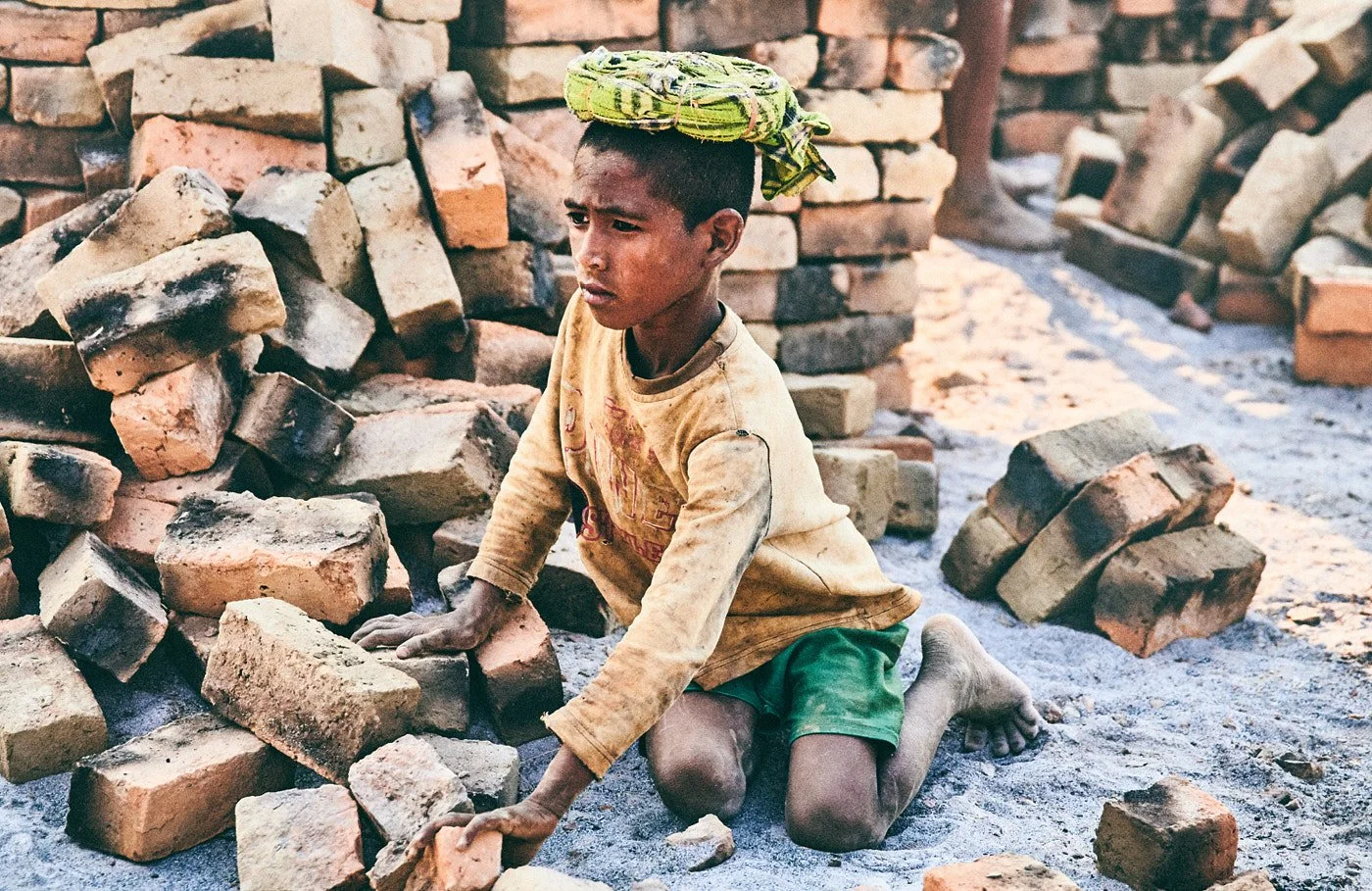

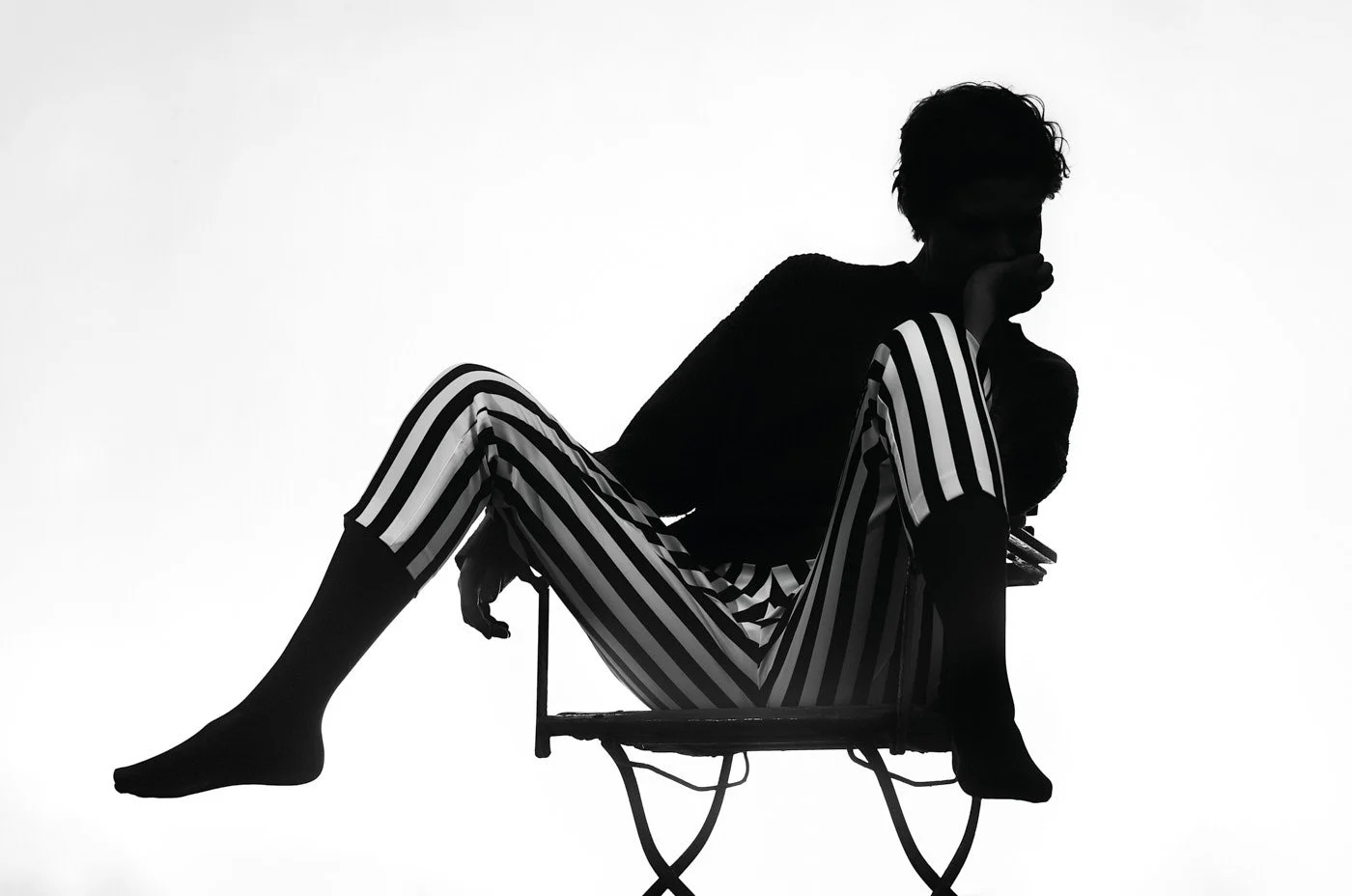
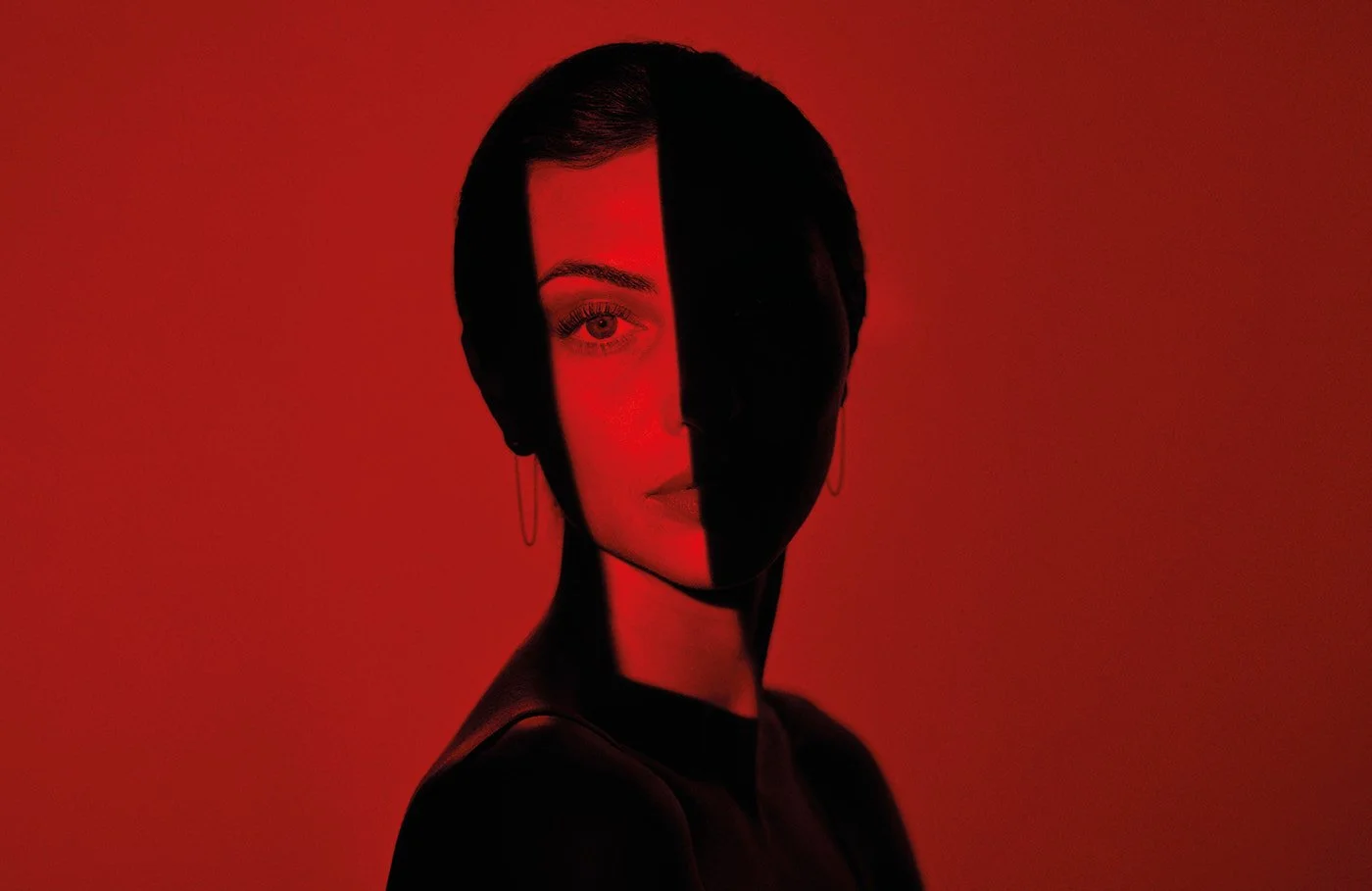
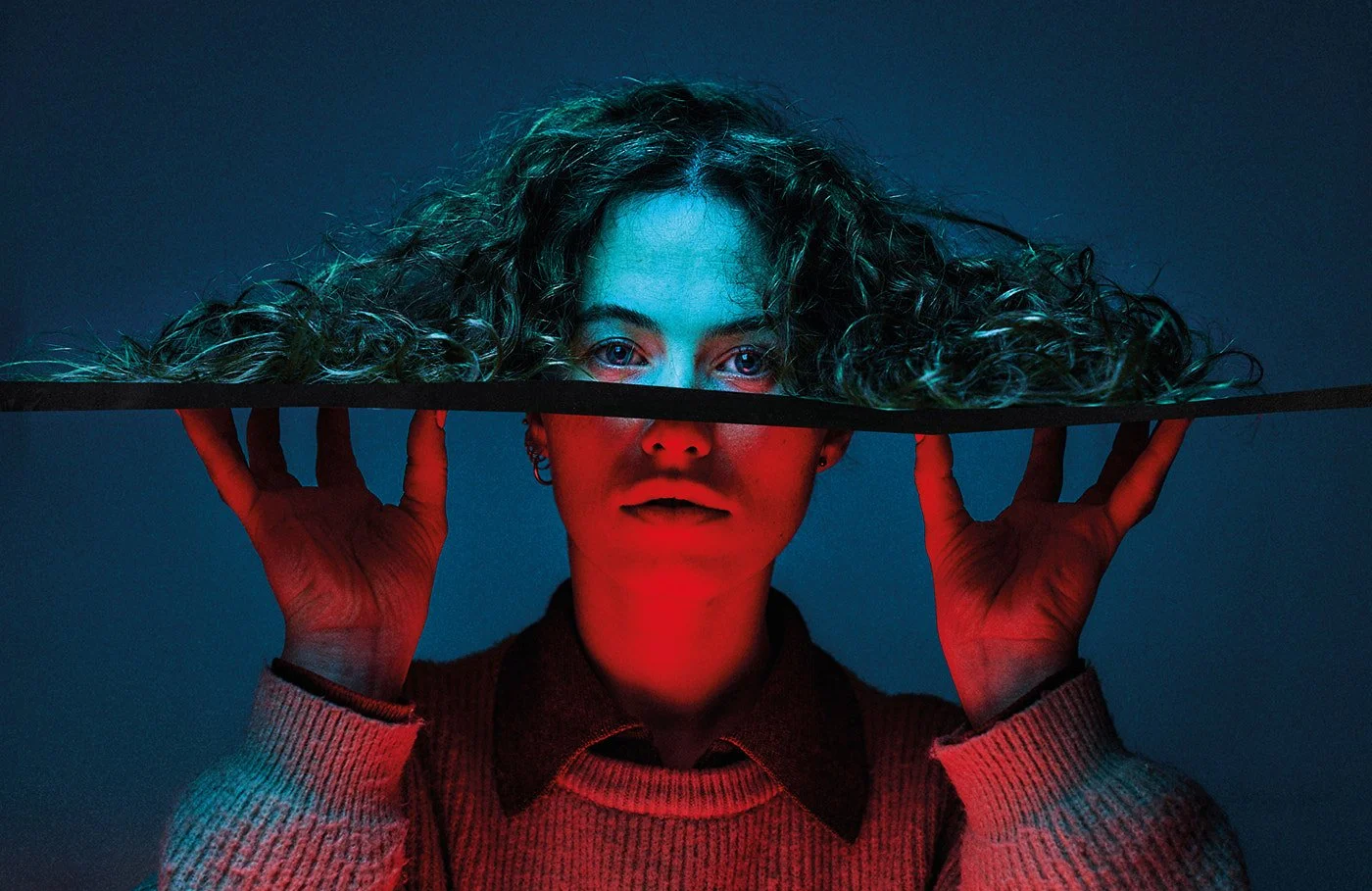
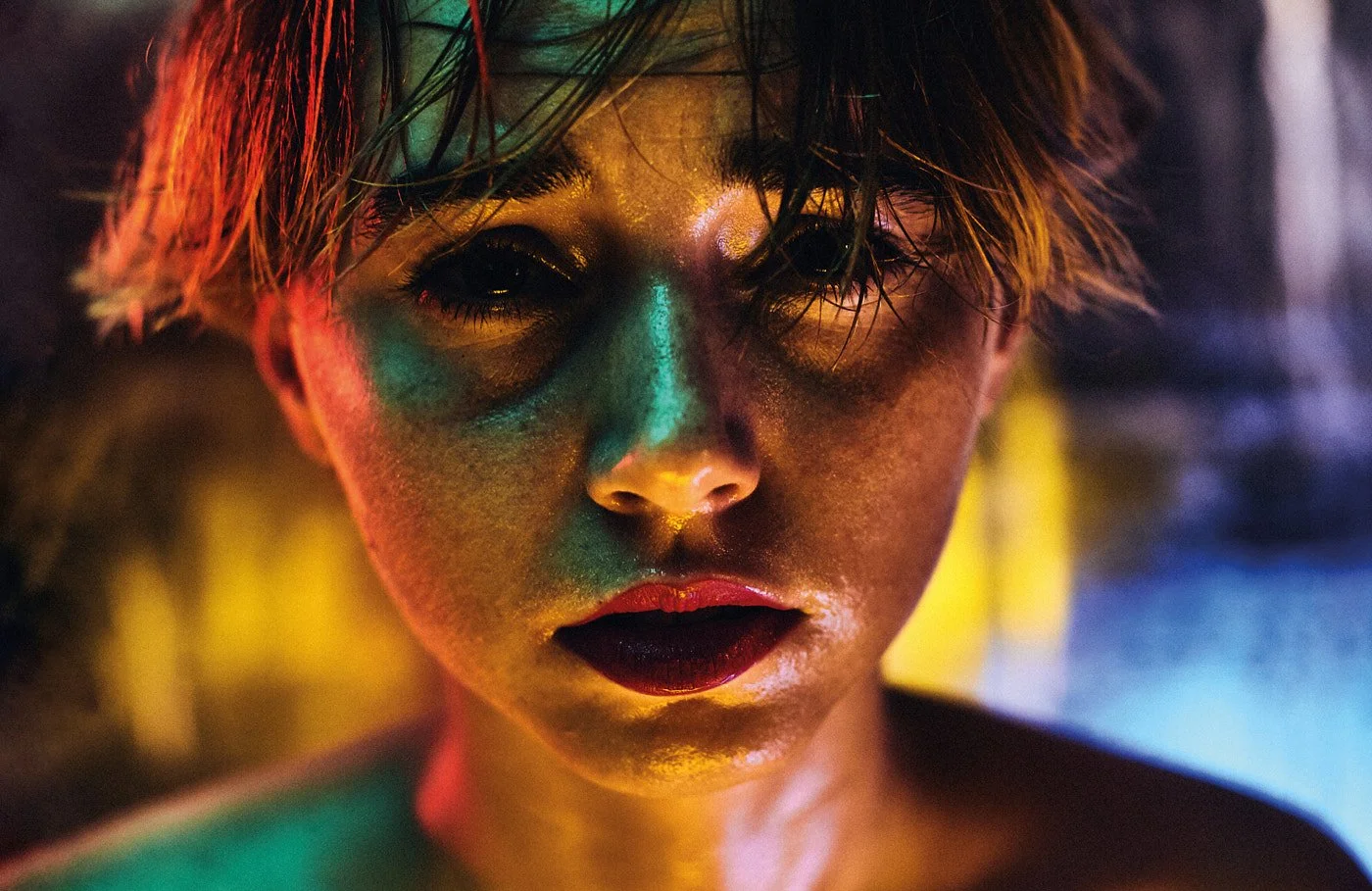
To place something in light is never neutral. A shift of brightness, a change of color, and the whole mood bends. In photography, as in life, we frame, we angle, we cast shadows and glows. We put things “in the right light,” shaping atmospheres that can soothe, unsettle, or transform. Light is not just what we see—it is how we decide to see. And within that choice, we stretch reality as far as imagination allows.

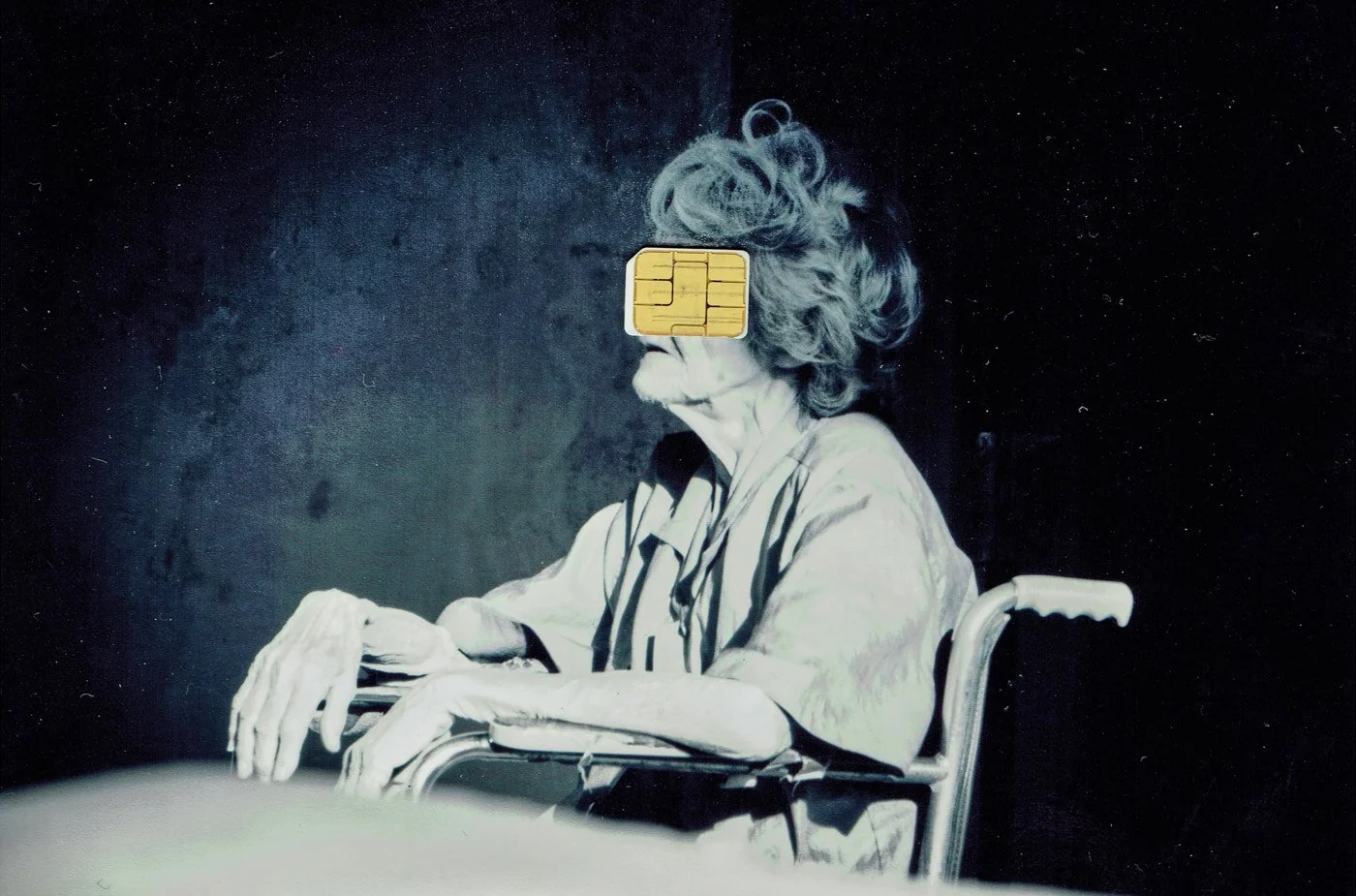
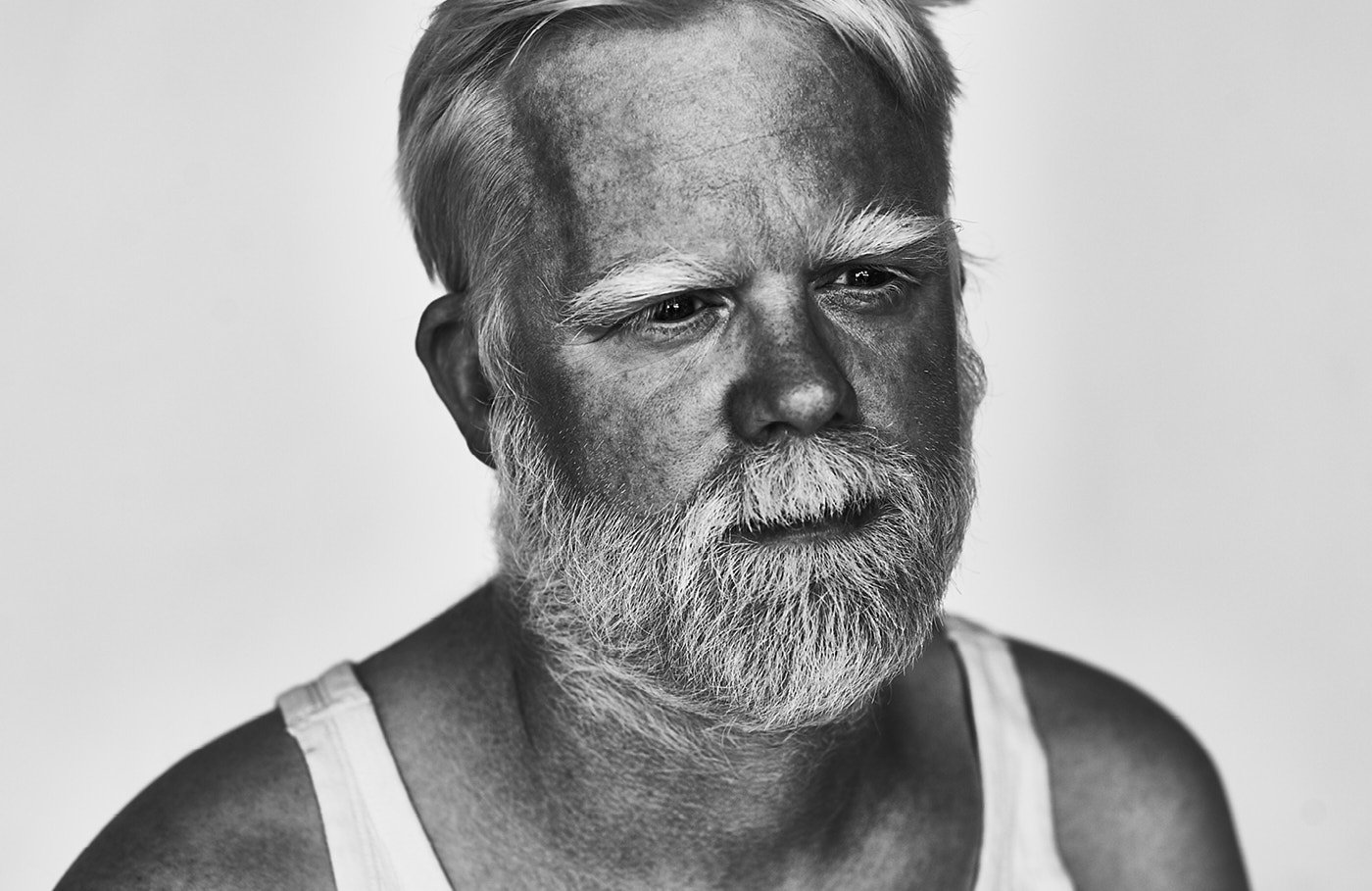
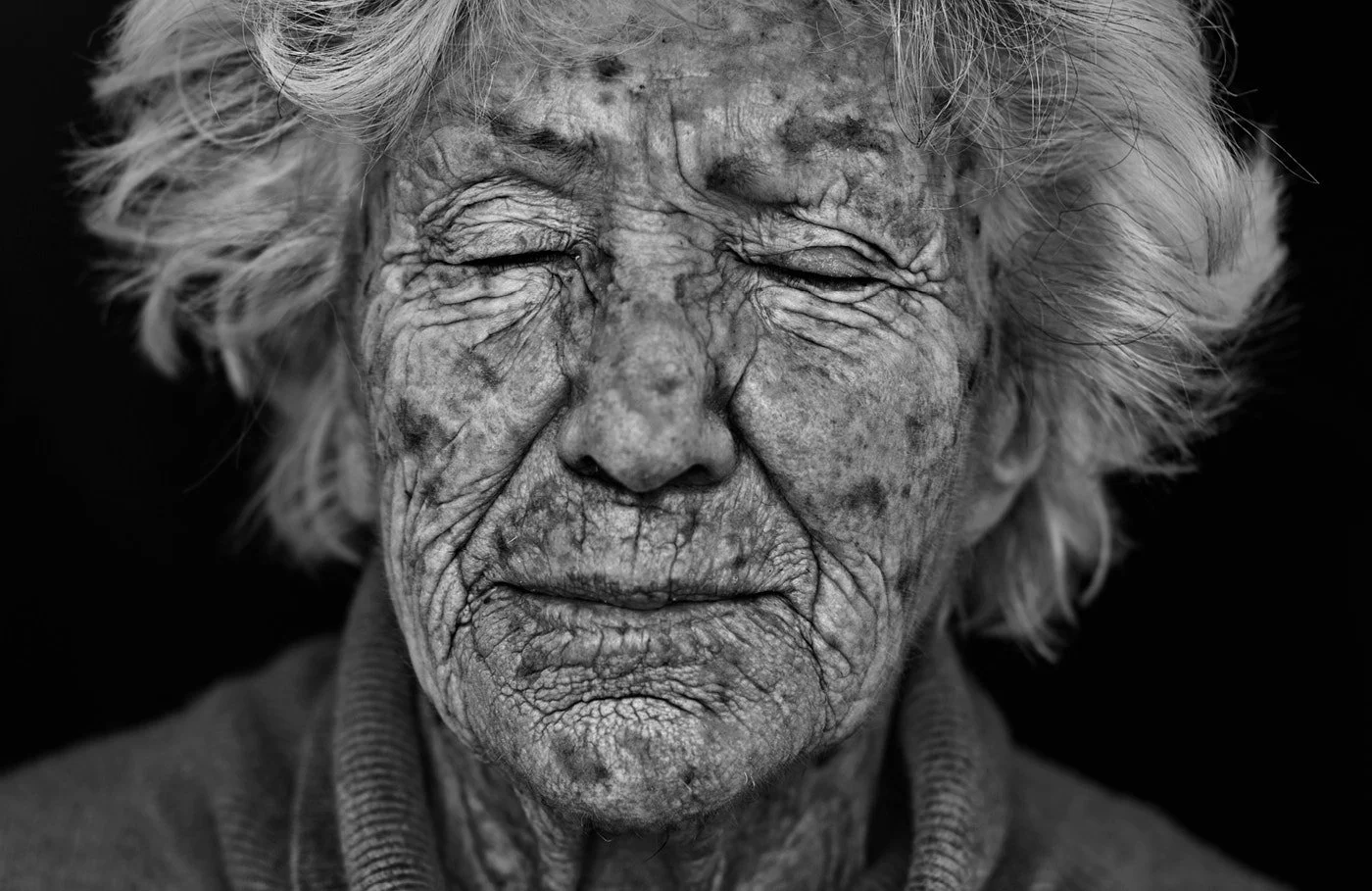
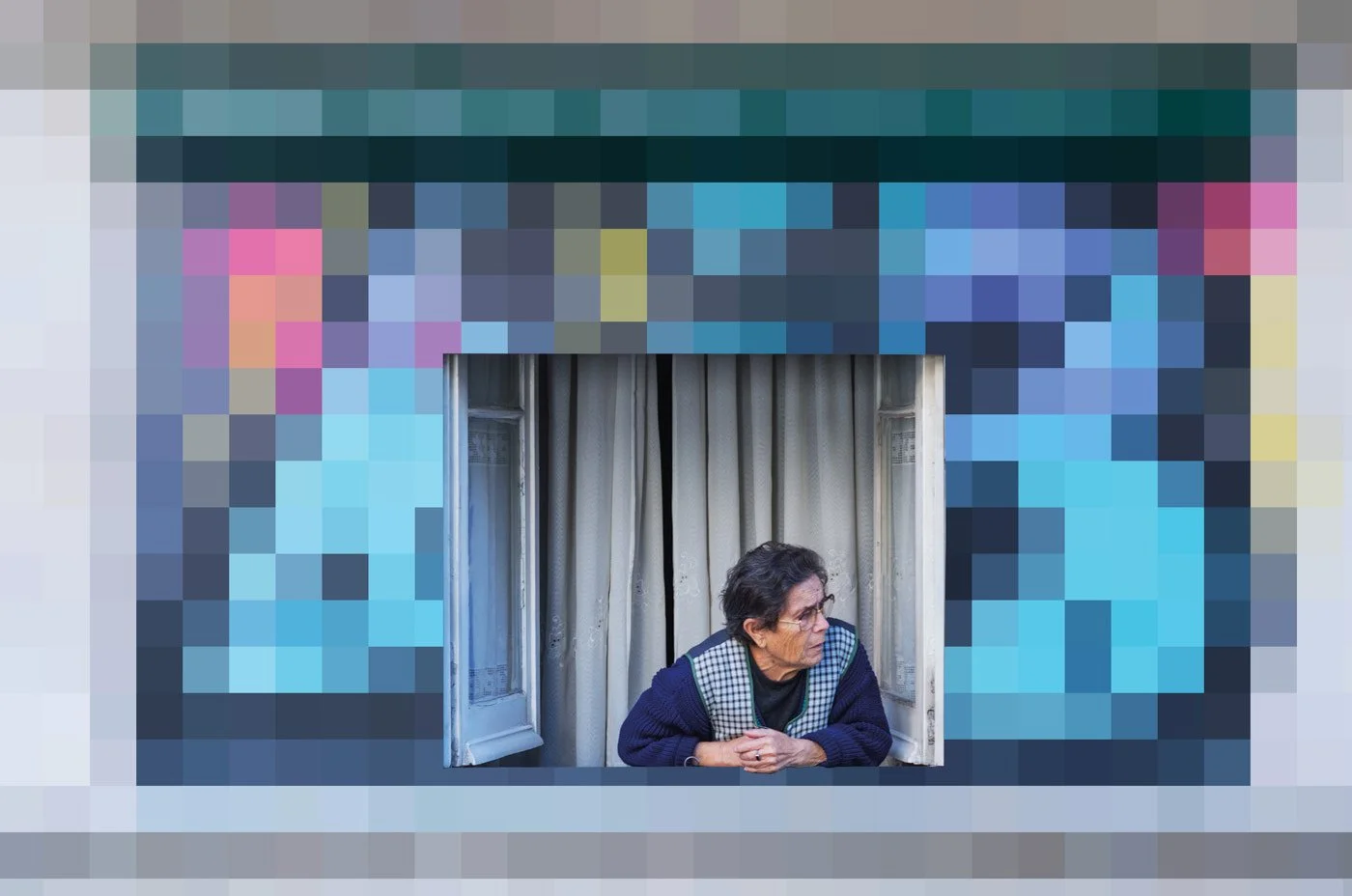
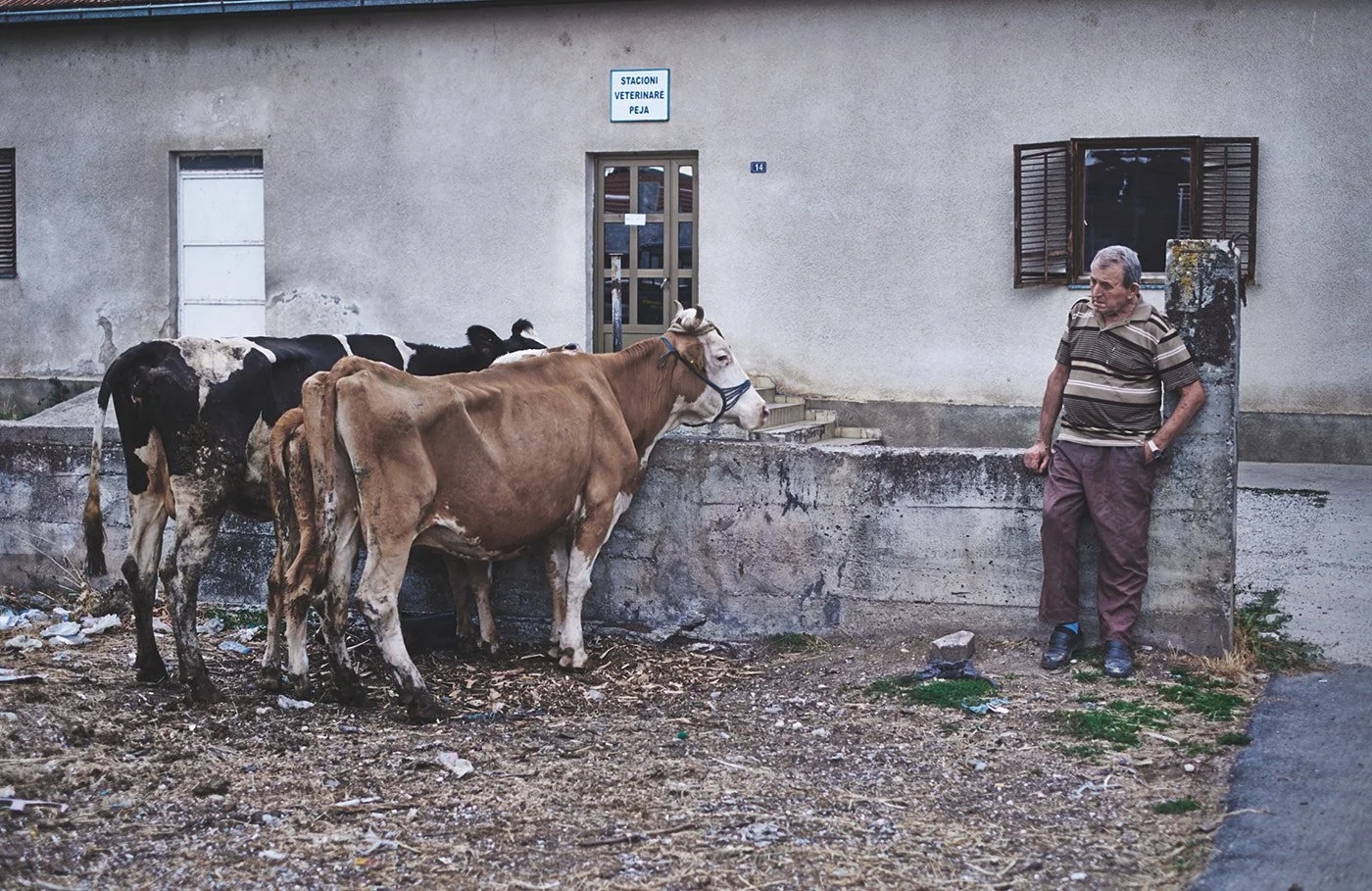
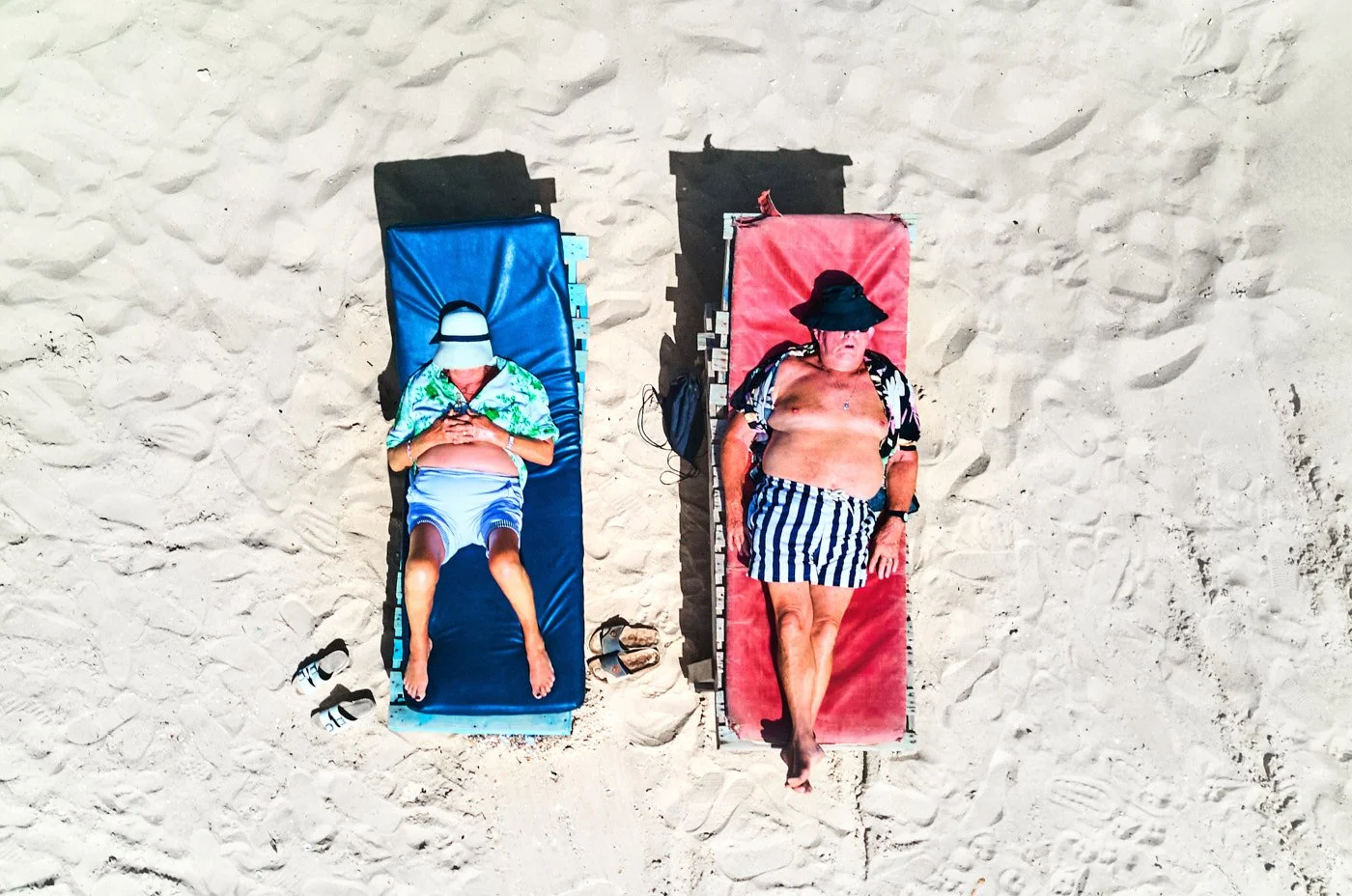
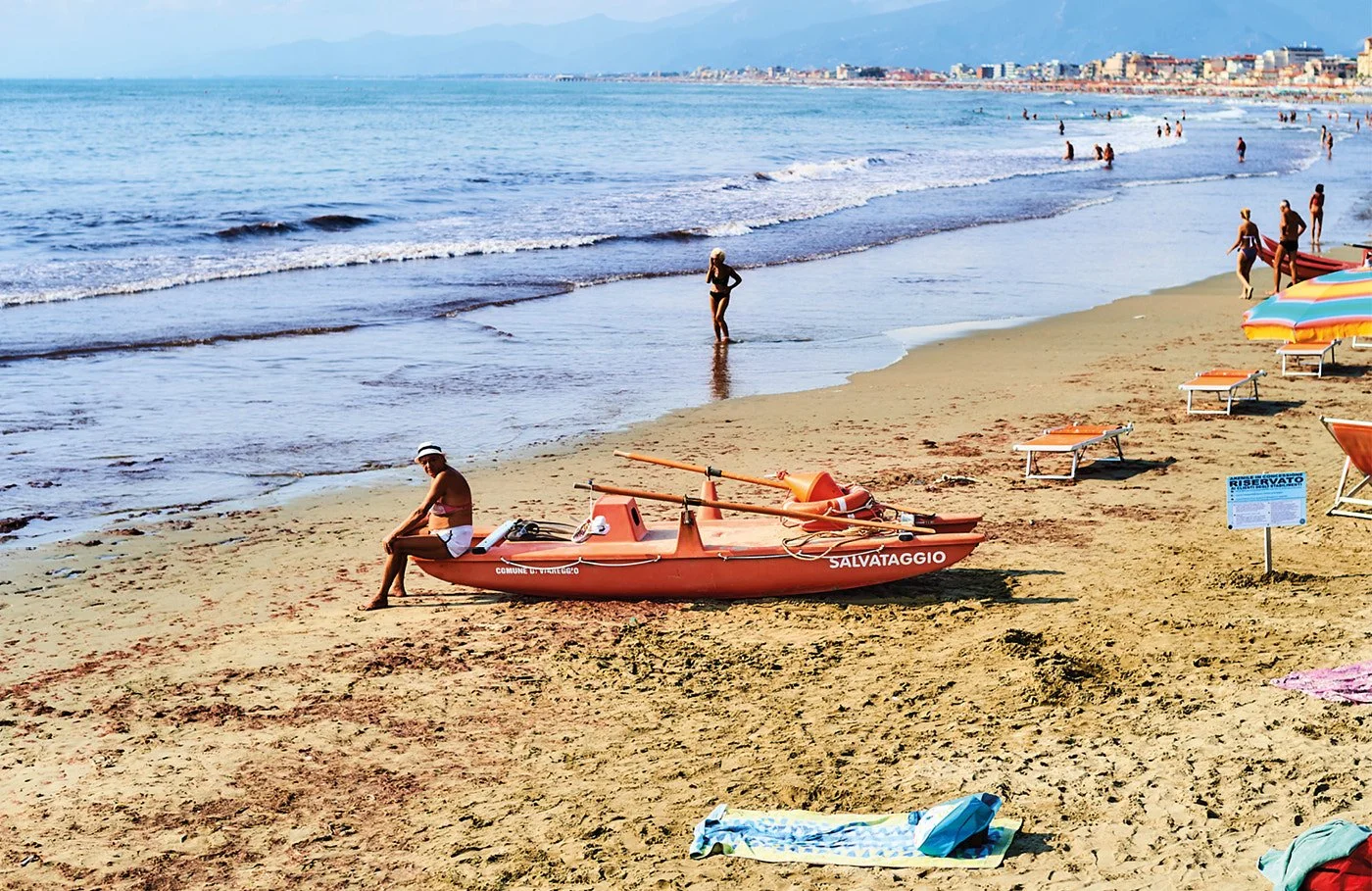
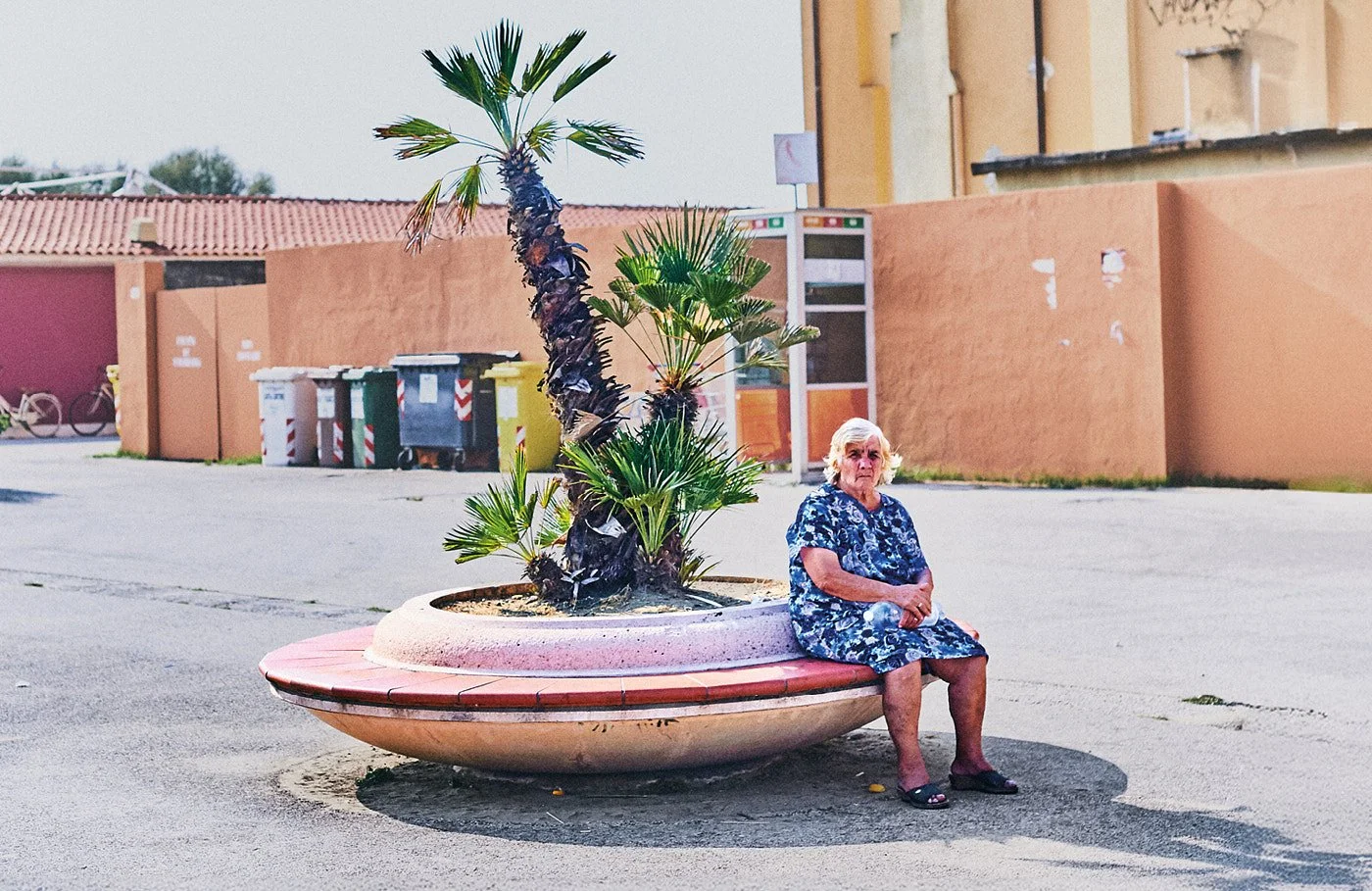
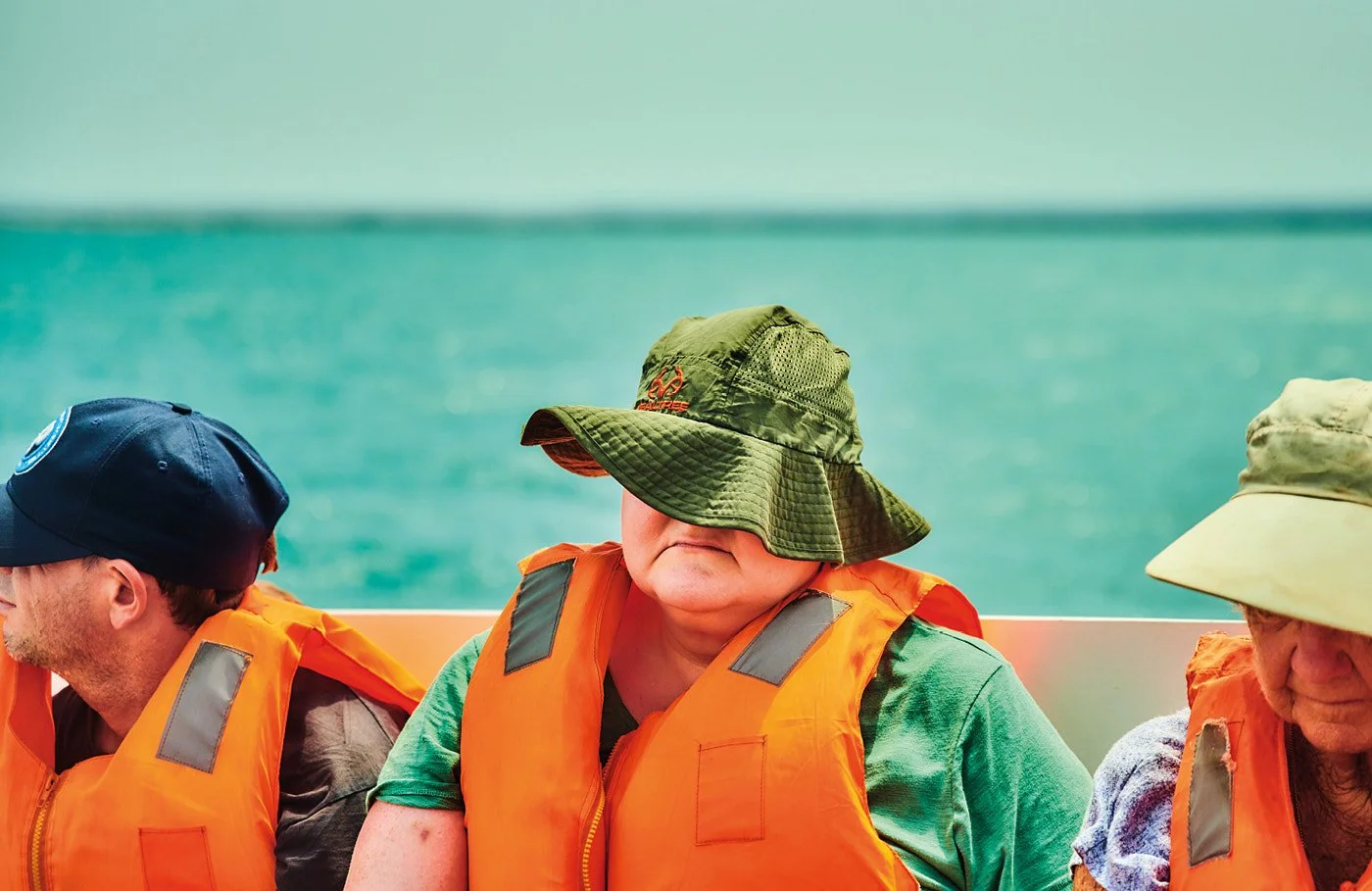
Electronic devices are increasingly becoming a part of everyday life. When carrying out daily tasks such as grocery shopping, making appointments, or purchasing a ticket, you are no longer facing a person, but rather a screen. There are people who do not keep up with this progress. The digital world passes them by like the ever-increasing speed of time. Their surroundings seem incapable of communication, and generations are less connected than ever before. Among the most affected groups are older people, who often struggle to take the step towards digitalization. “digitalized old” showcases some of the good souls who seem to rightfully refuse this step.
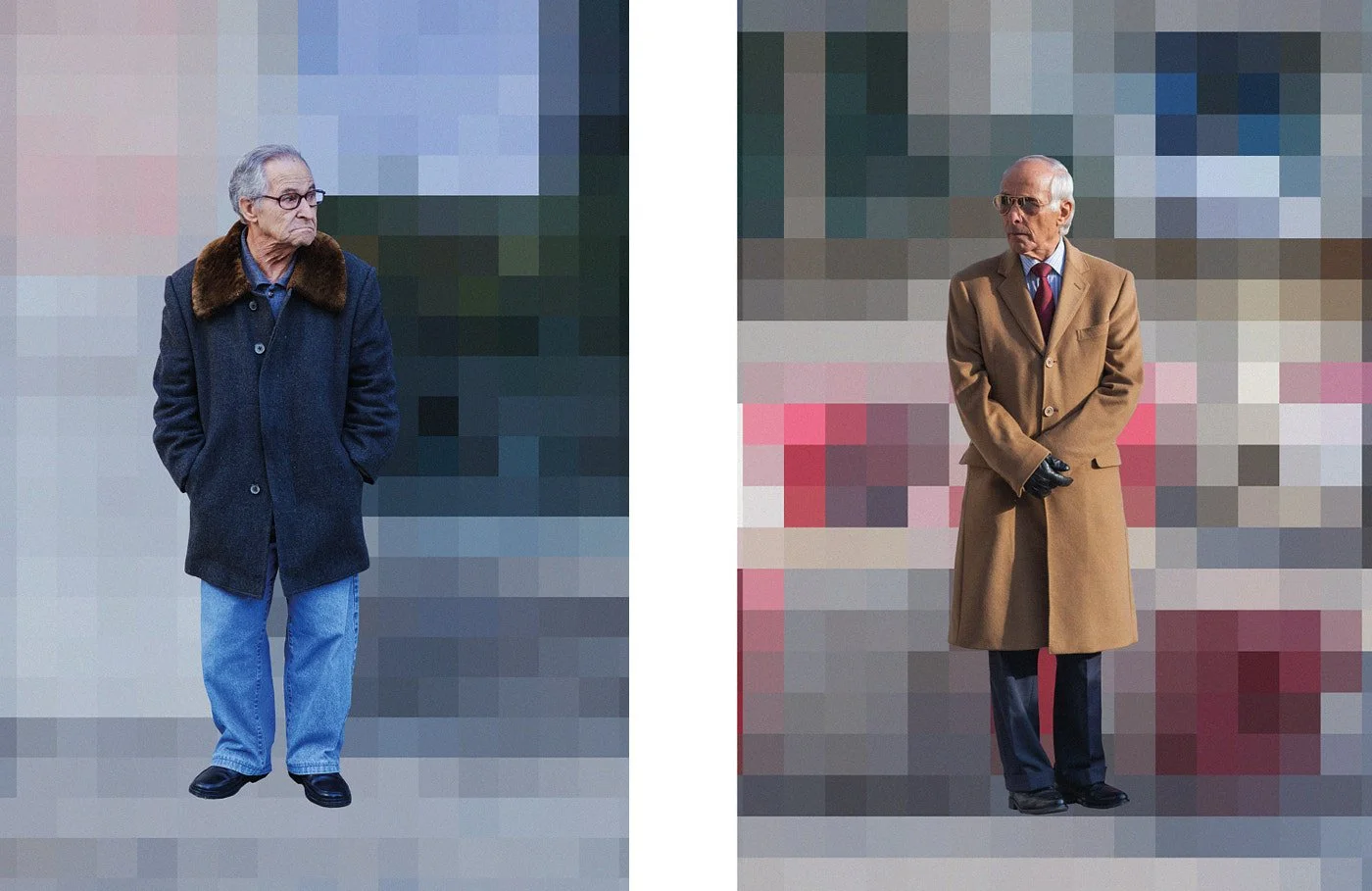
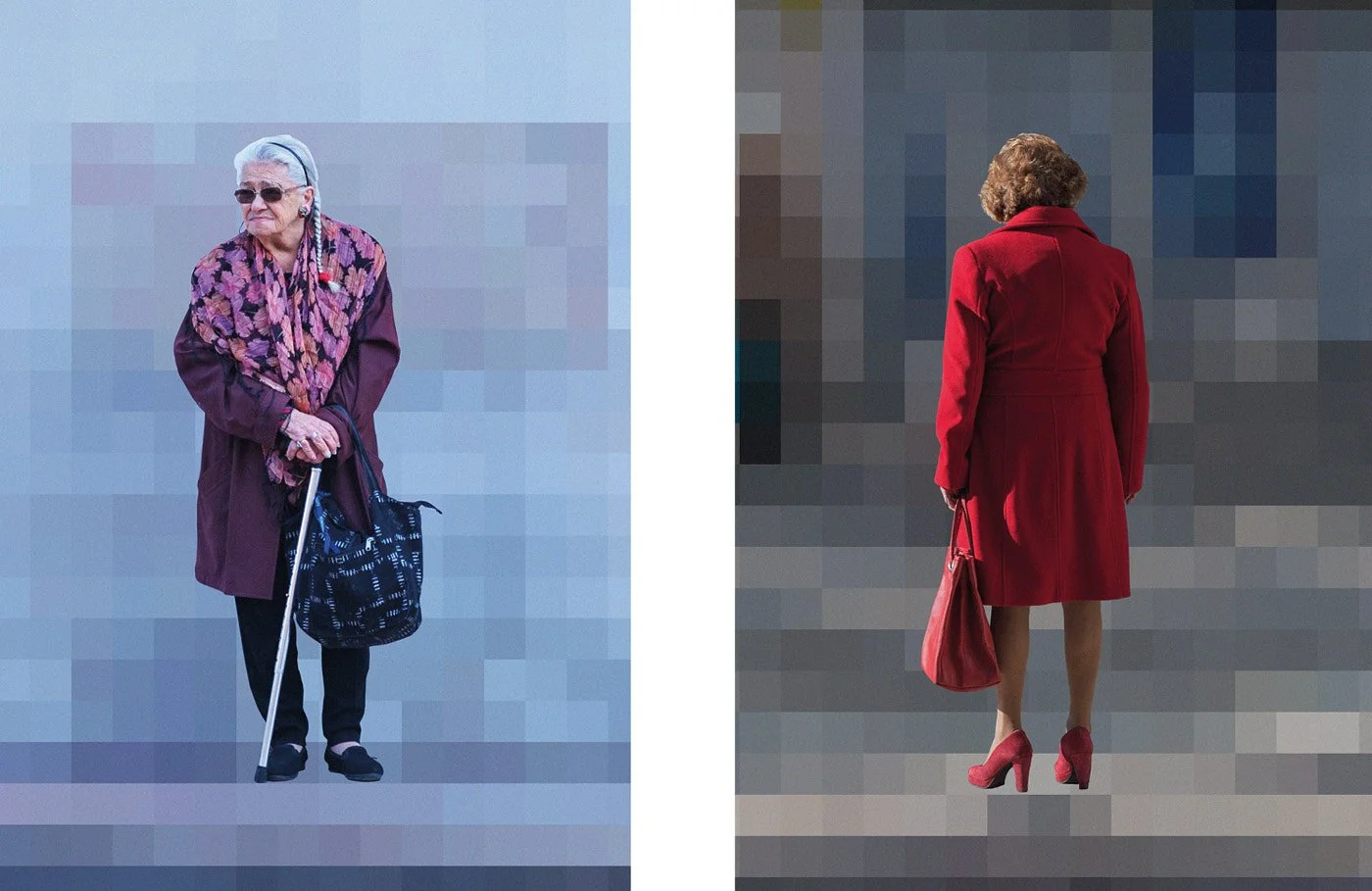
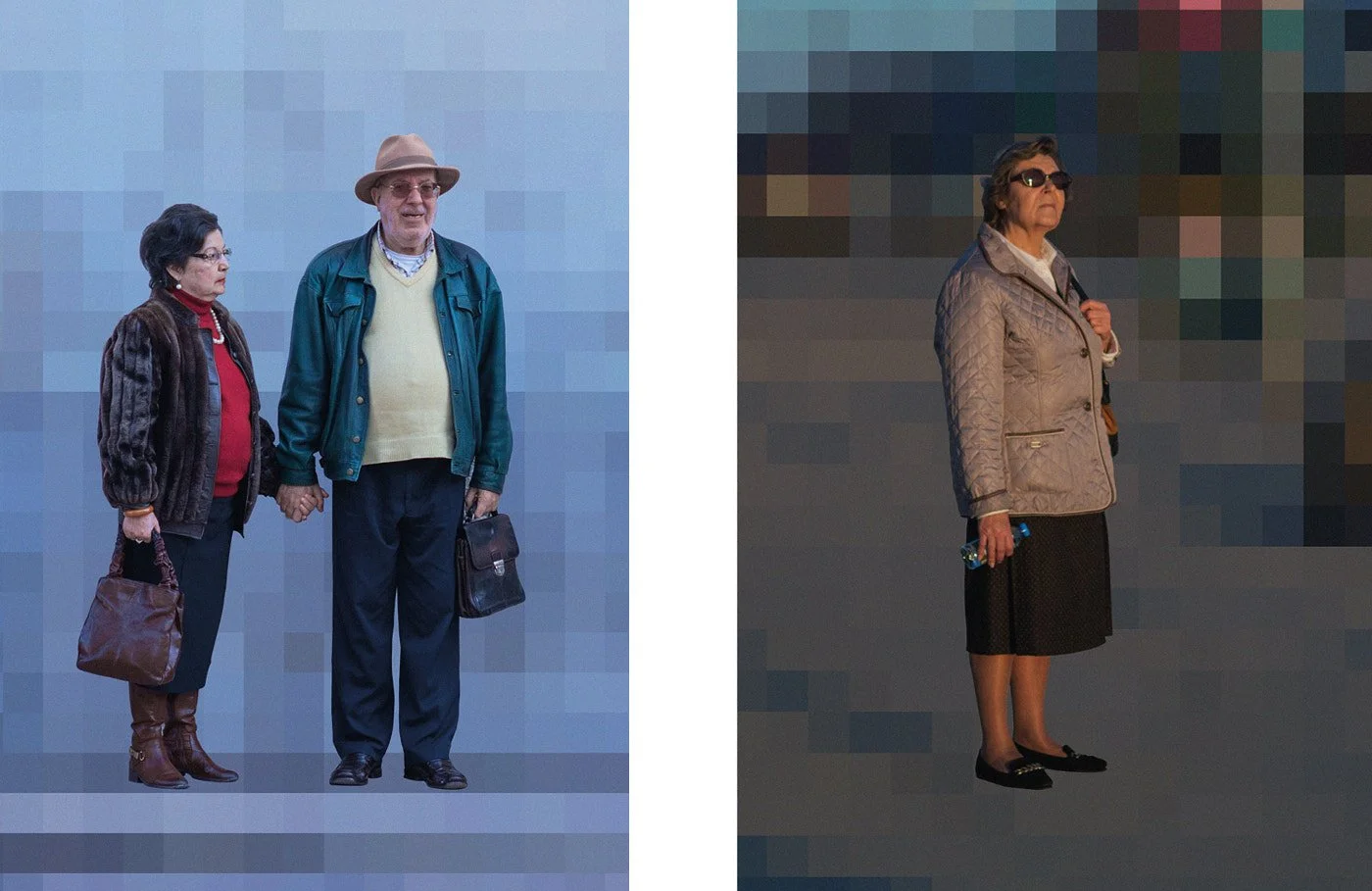
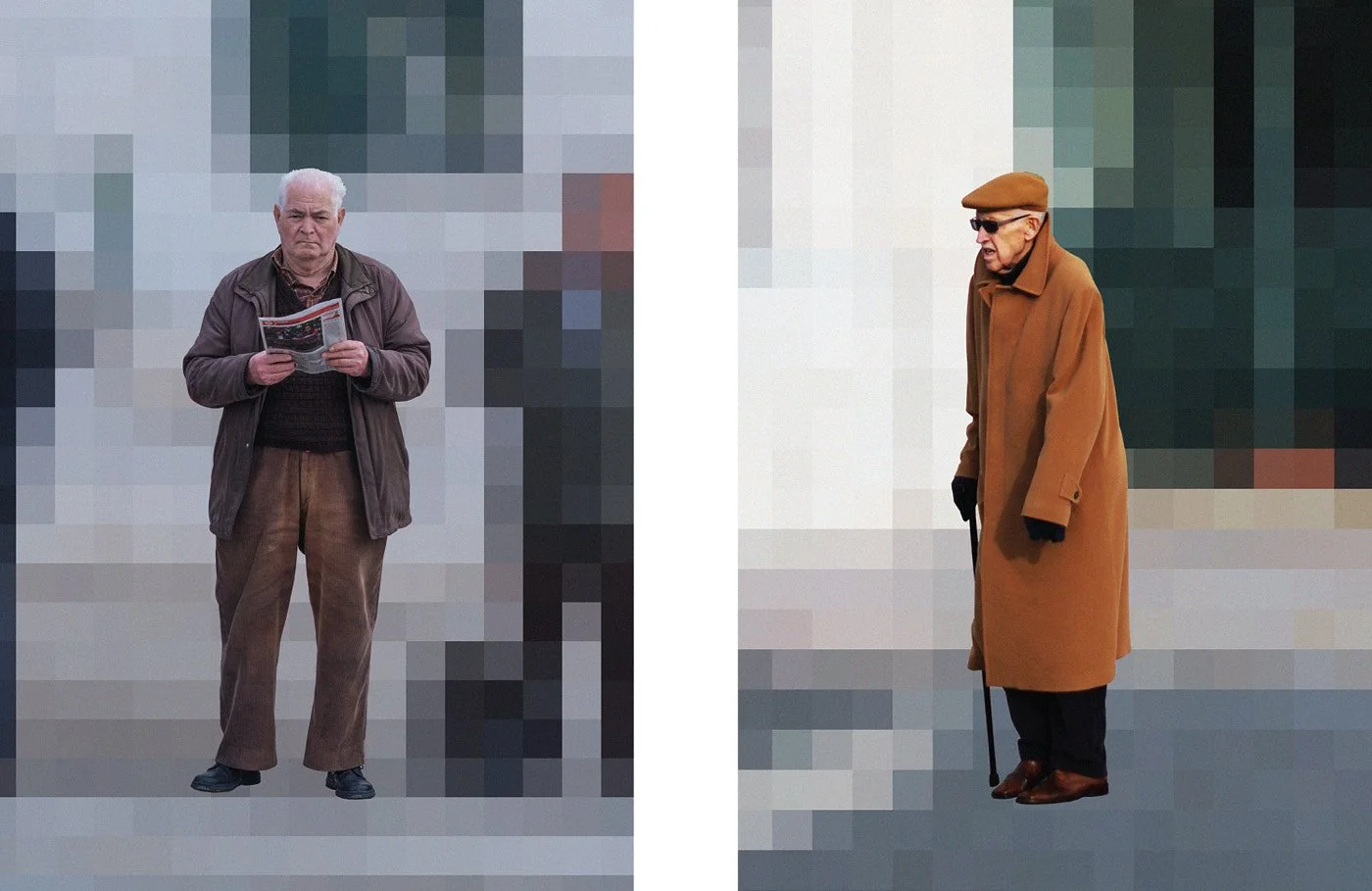

Driving through Romania, Albania, Kosovo, and Bulgaria, the colors often seemed washed out, as if time had pressed too hard. Yet when joy appeared, it was fierce, saturated, unmistakably honest. Life did not look easy, and perhaps that is why it felt so present — every smile carried weight, every moment demanded attention.
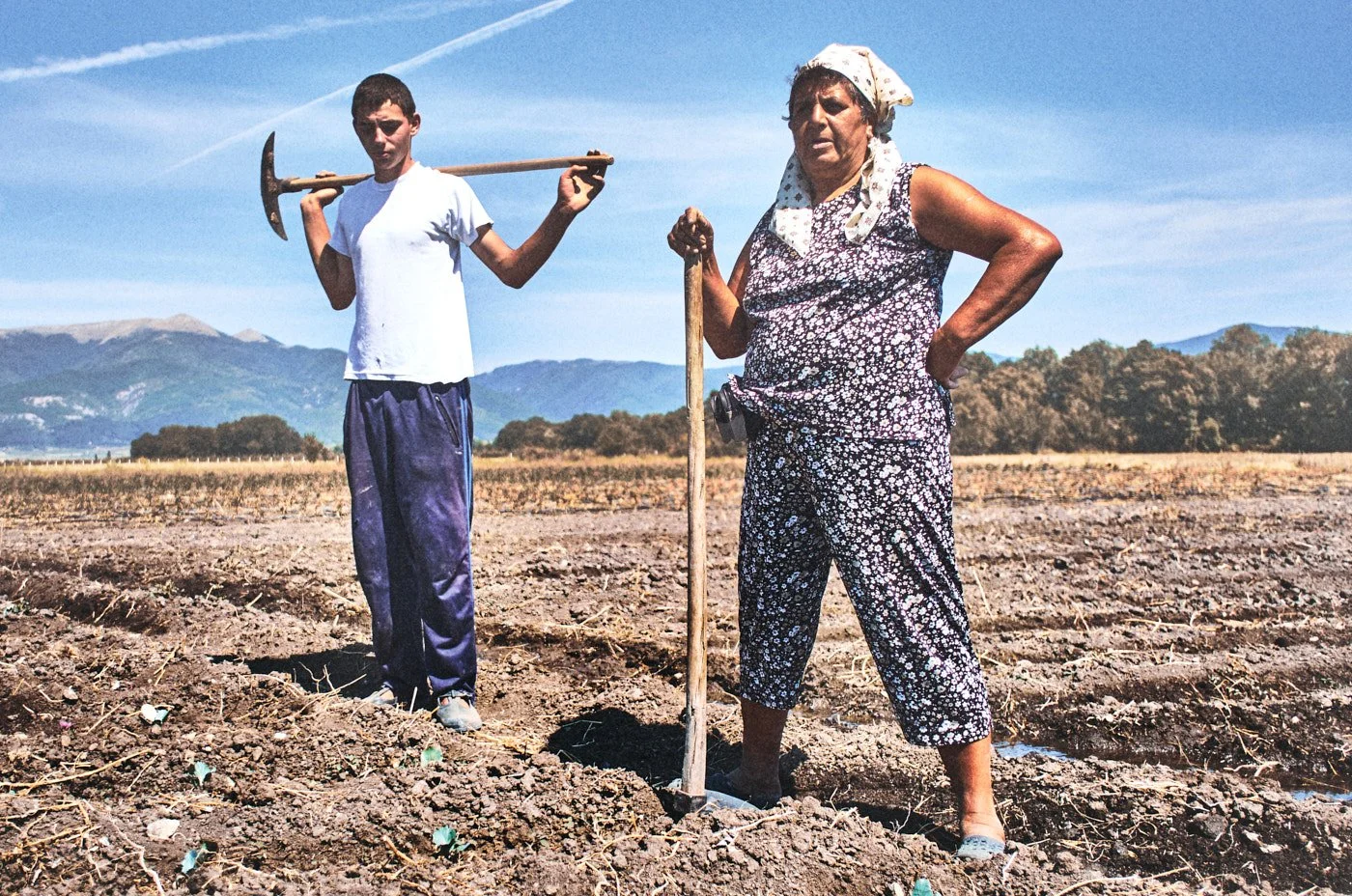
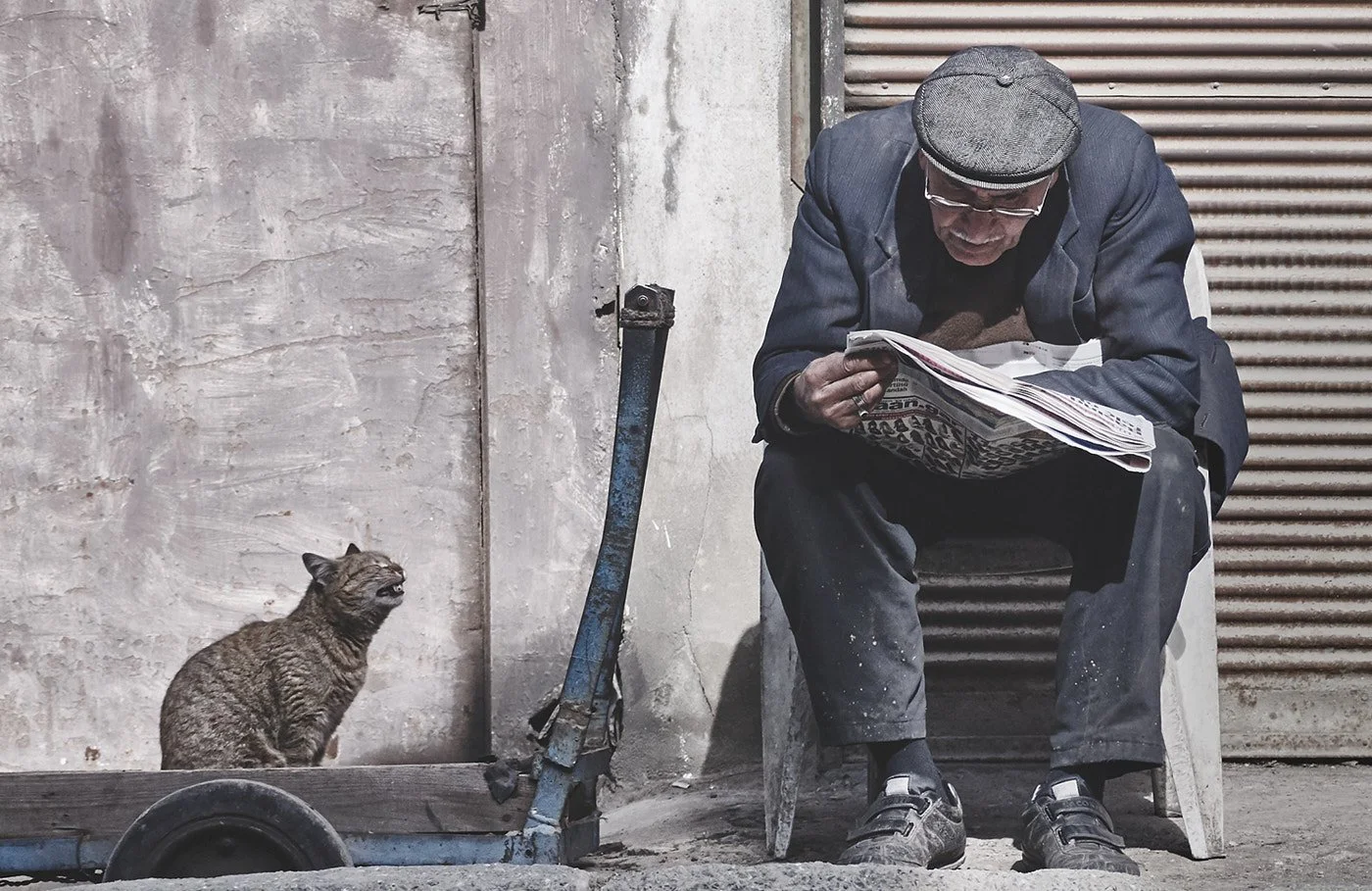
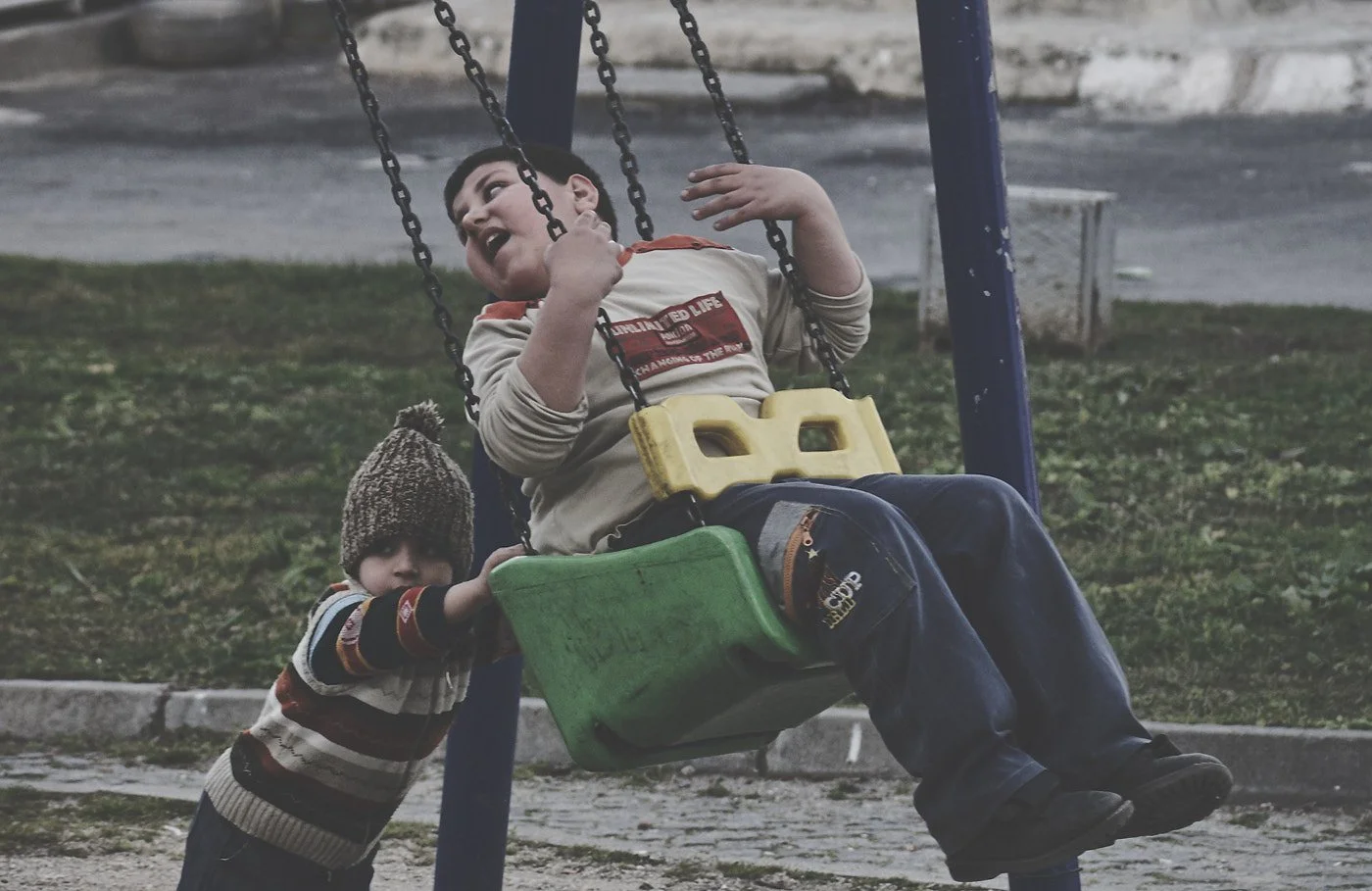
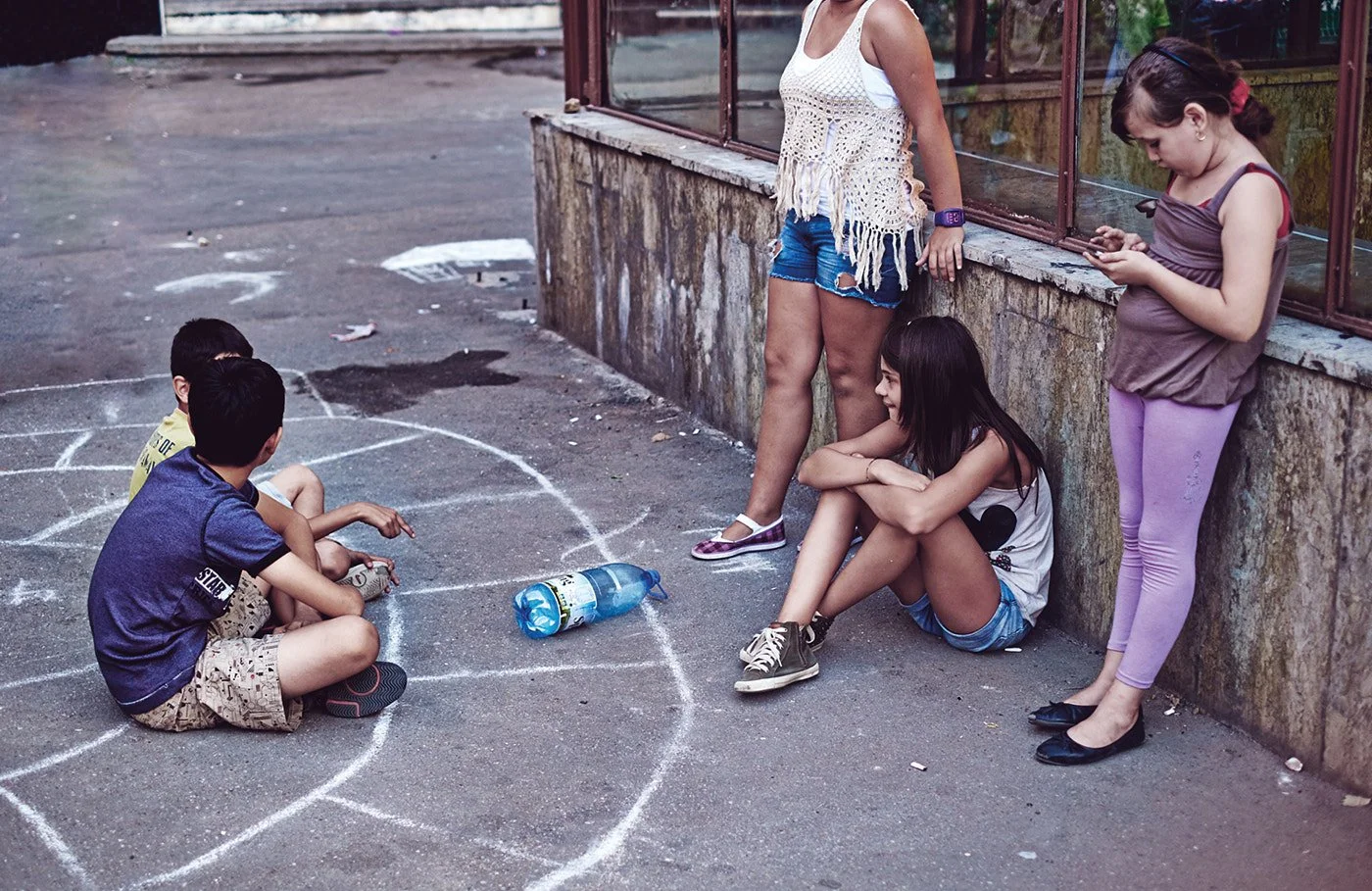

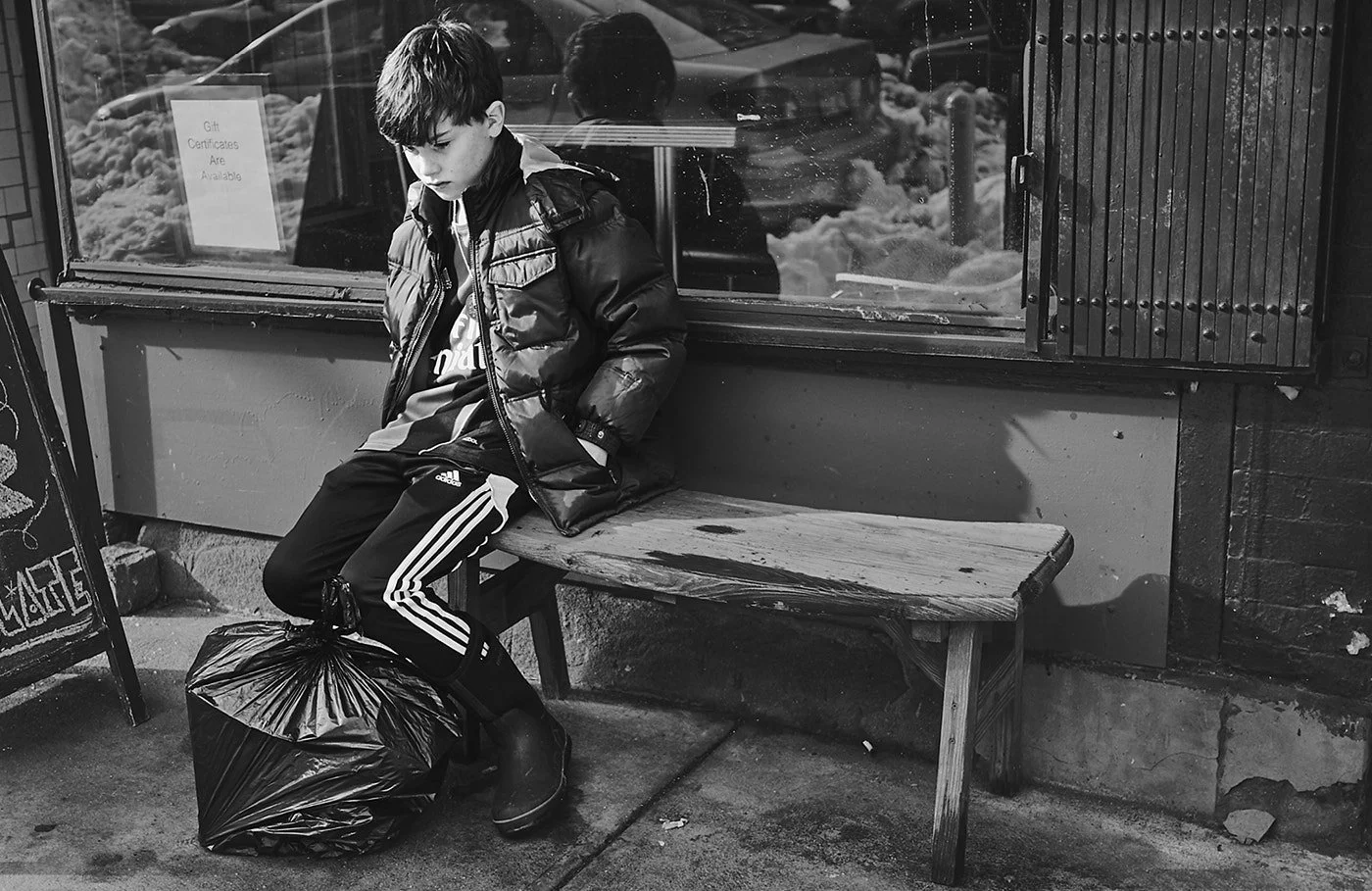
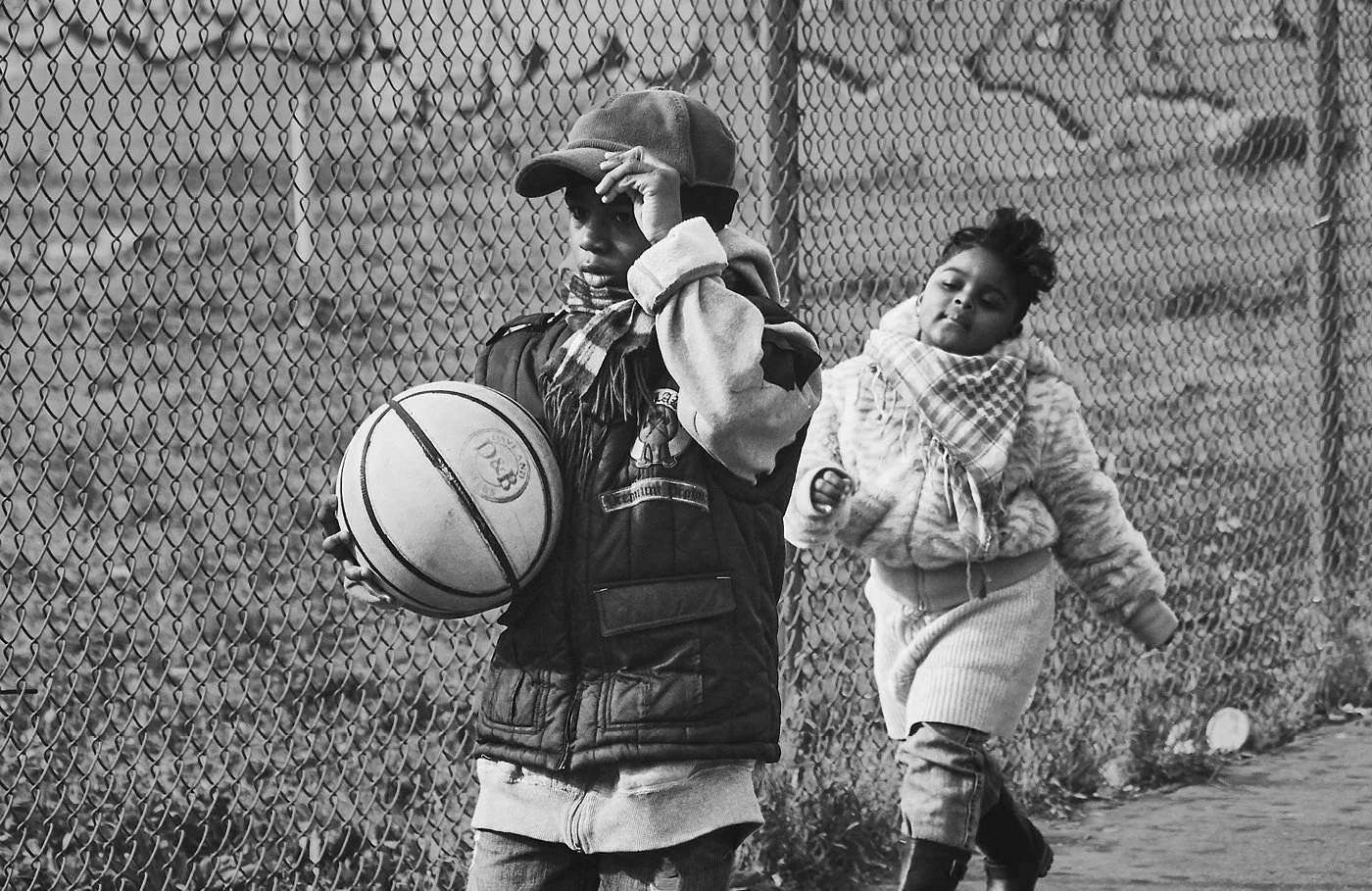
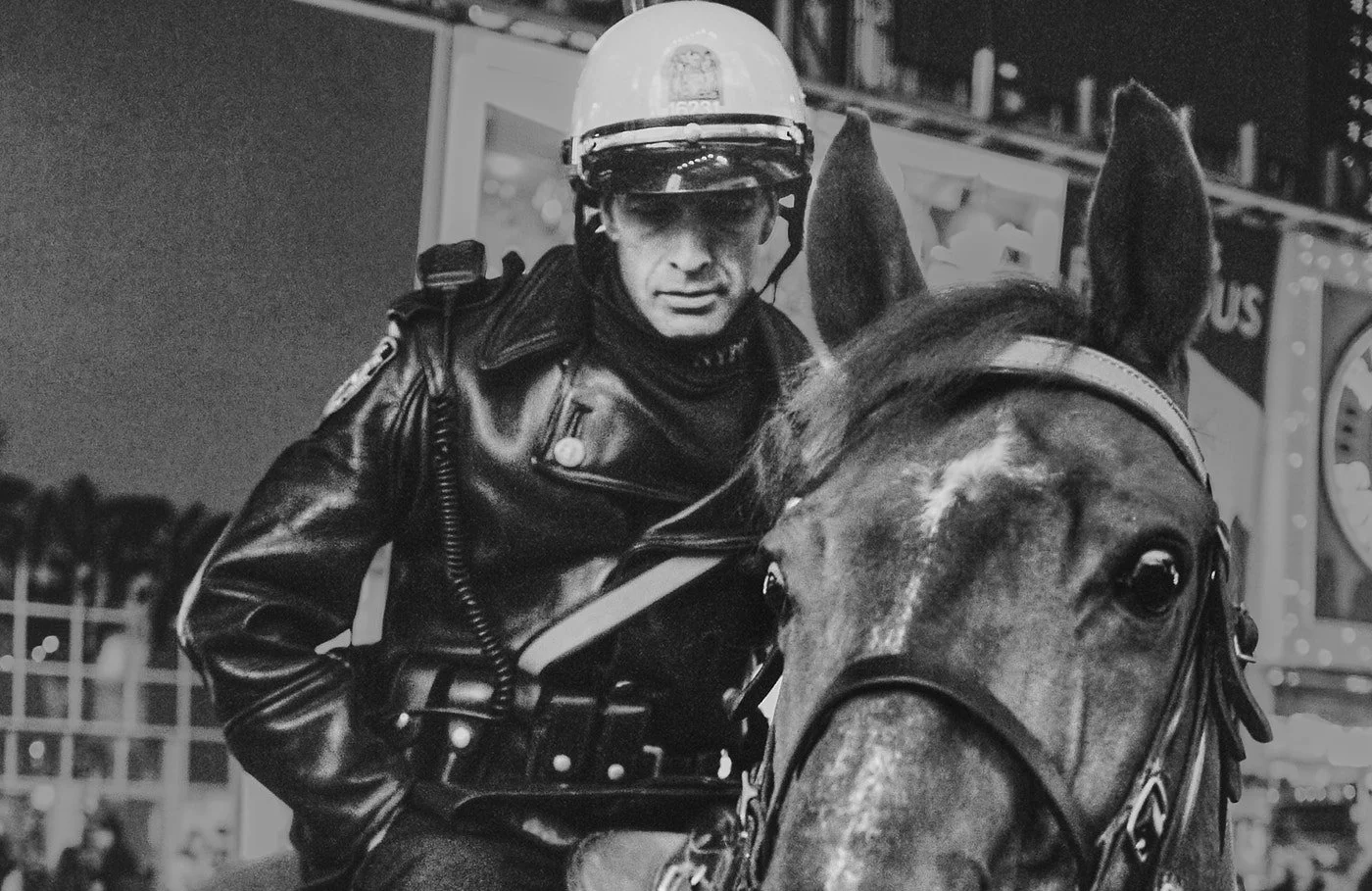
Everyone plays the lead in their own story. In New York, the dream of fame is everywhere—some wear it proudly, others hide it in silence. On the streets they are just one face among thousands. But once in focus, they step out of the crowd and into the light—suddenly granted their own stage, their own starring role.
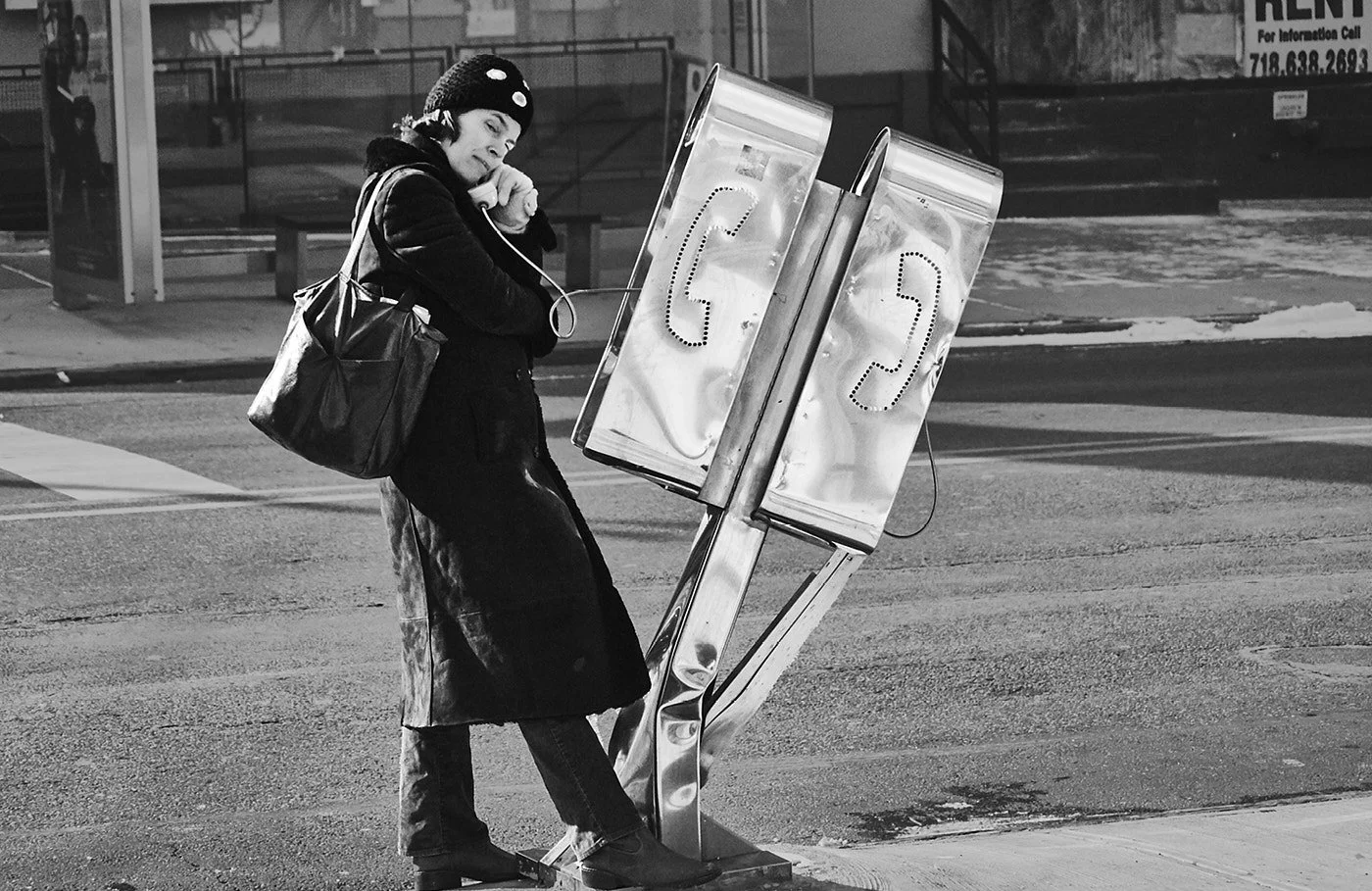

Photography is usually social. Every portrait shows not only the person in front of the lens but also the presence of the one behind it—you can almost imagine me standing there. With self-portraits, that presence shifts. No one else is in the room, only me. It is a strange freedom: to face myself, to notice how I react, hesitate, feel exposed, even when no one is watching. In that tension I learn—about myself, and about what it means to photograph others.
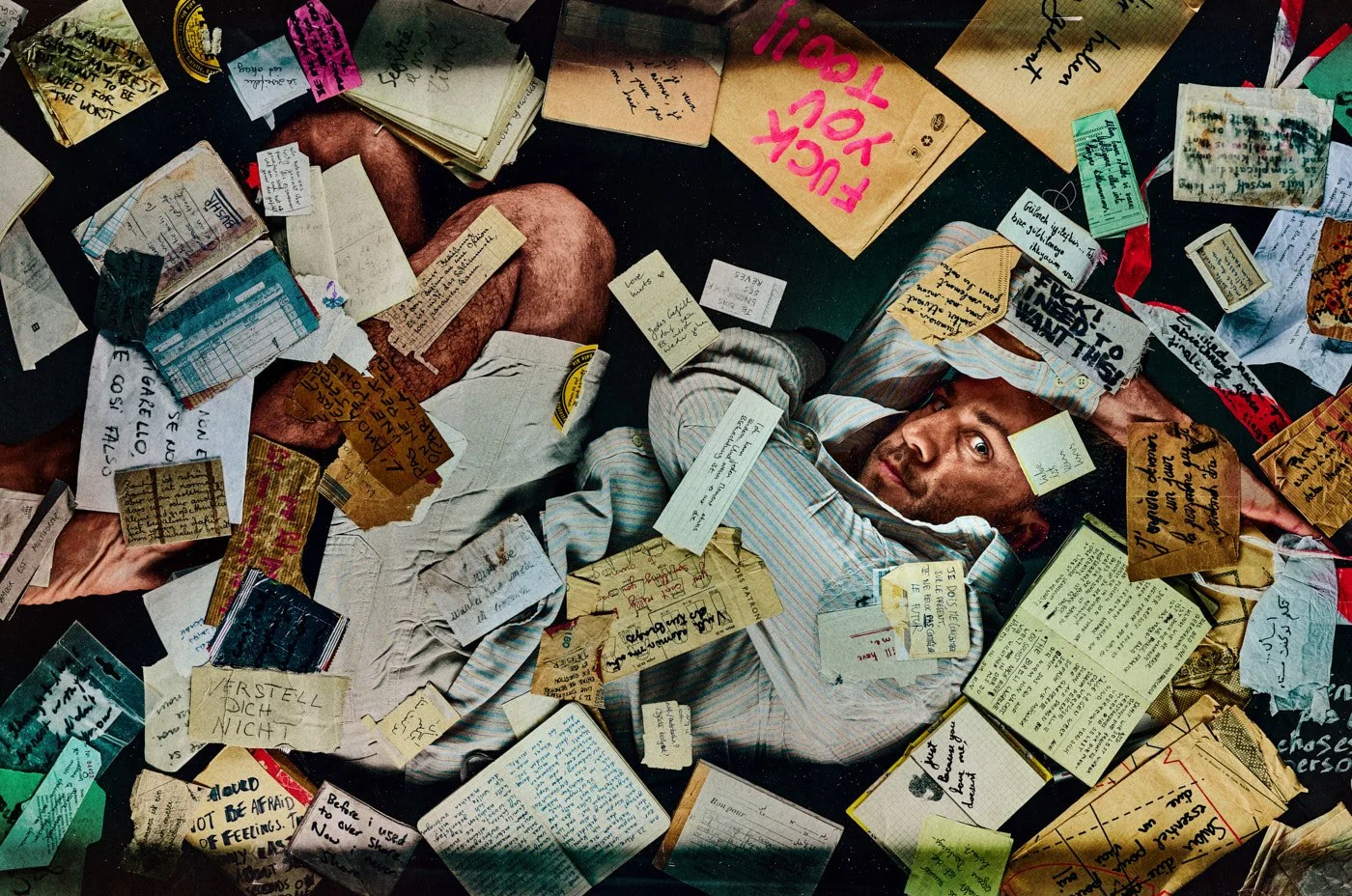
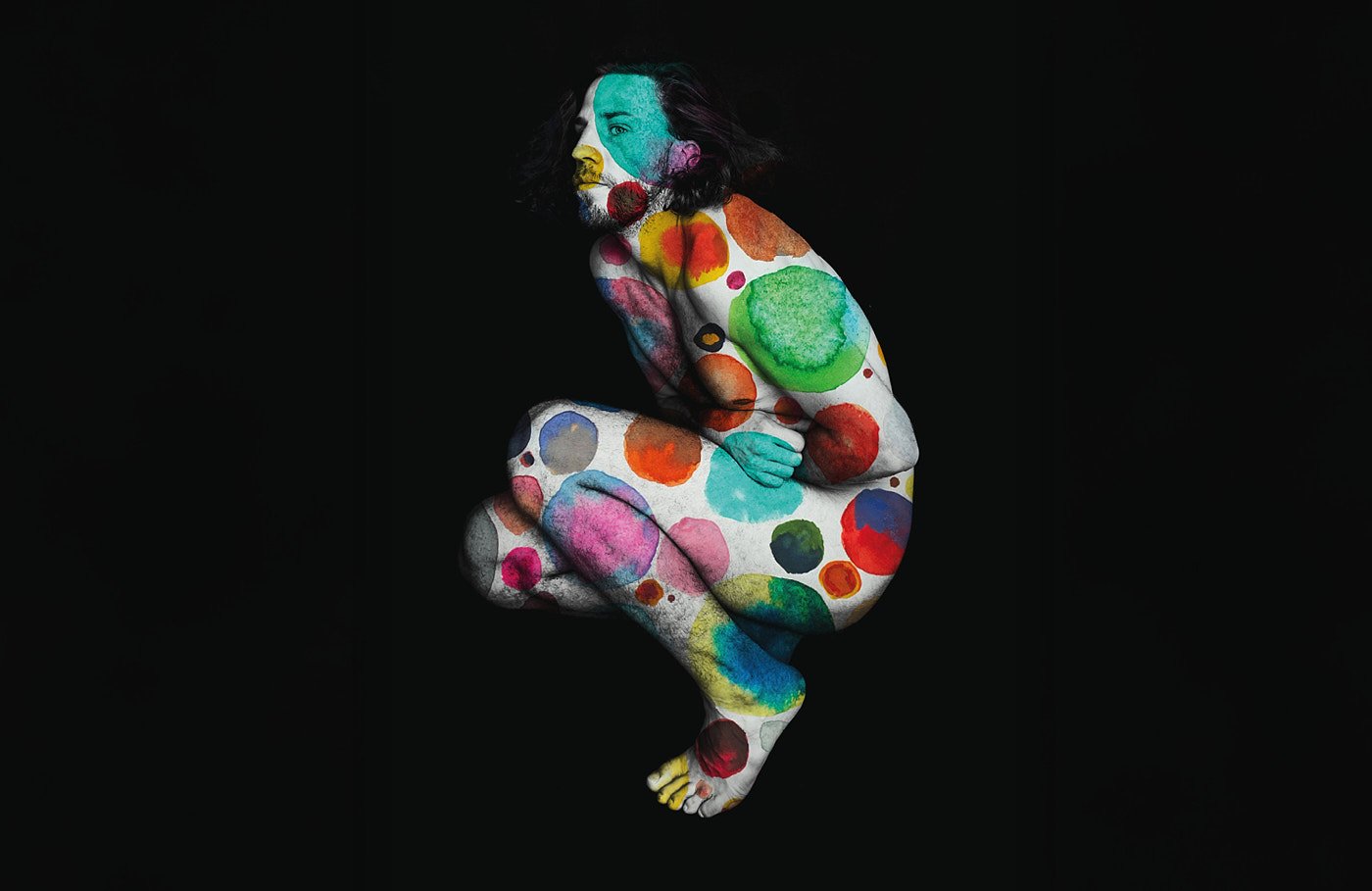
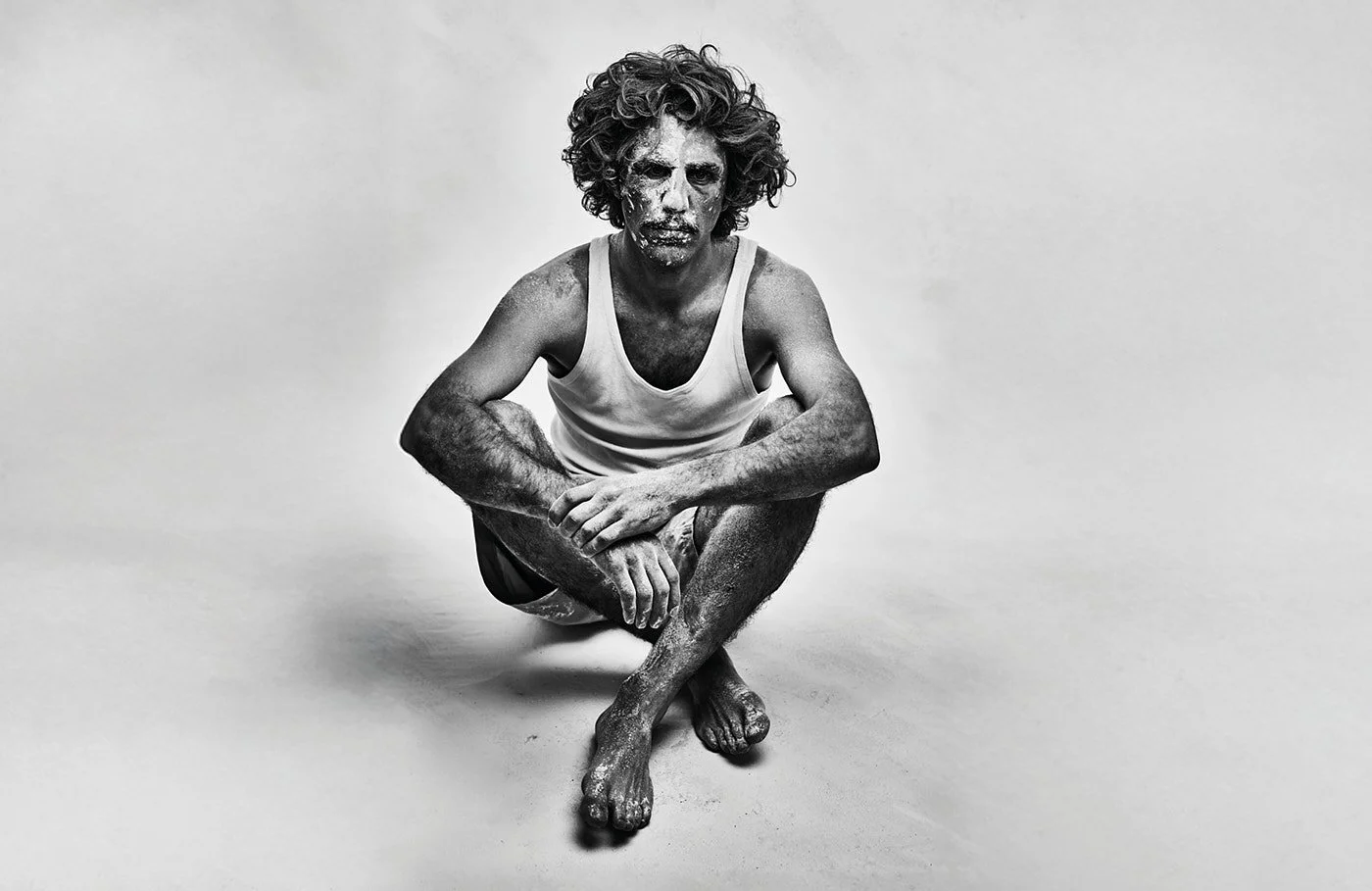

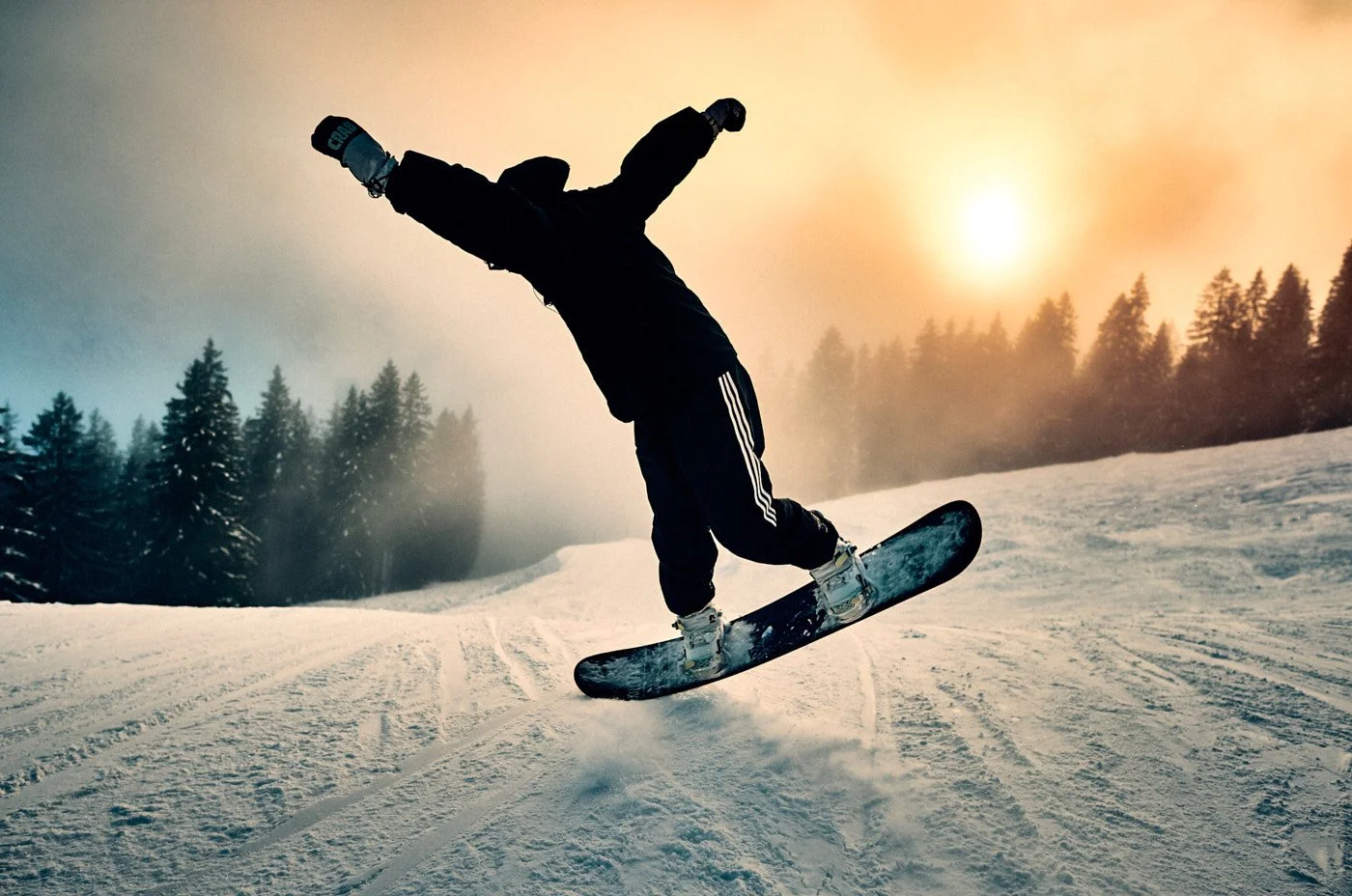
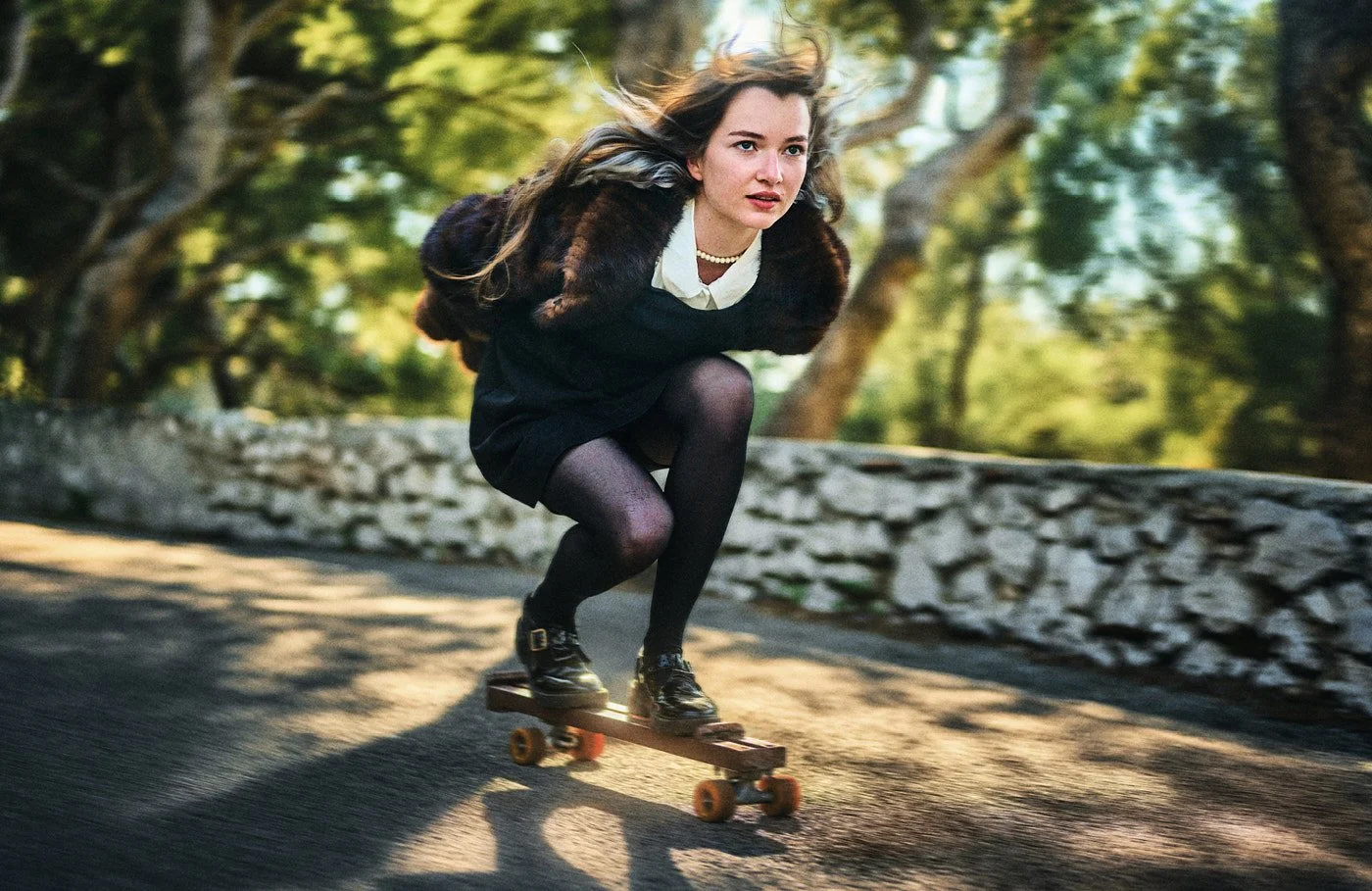
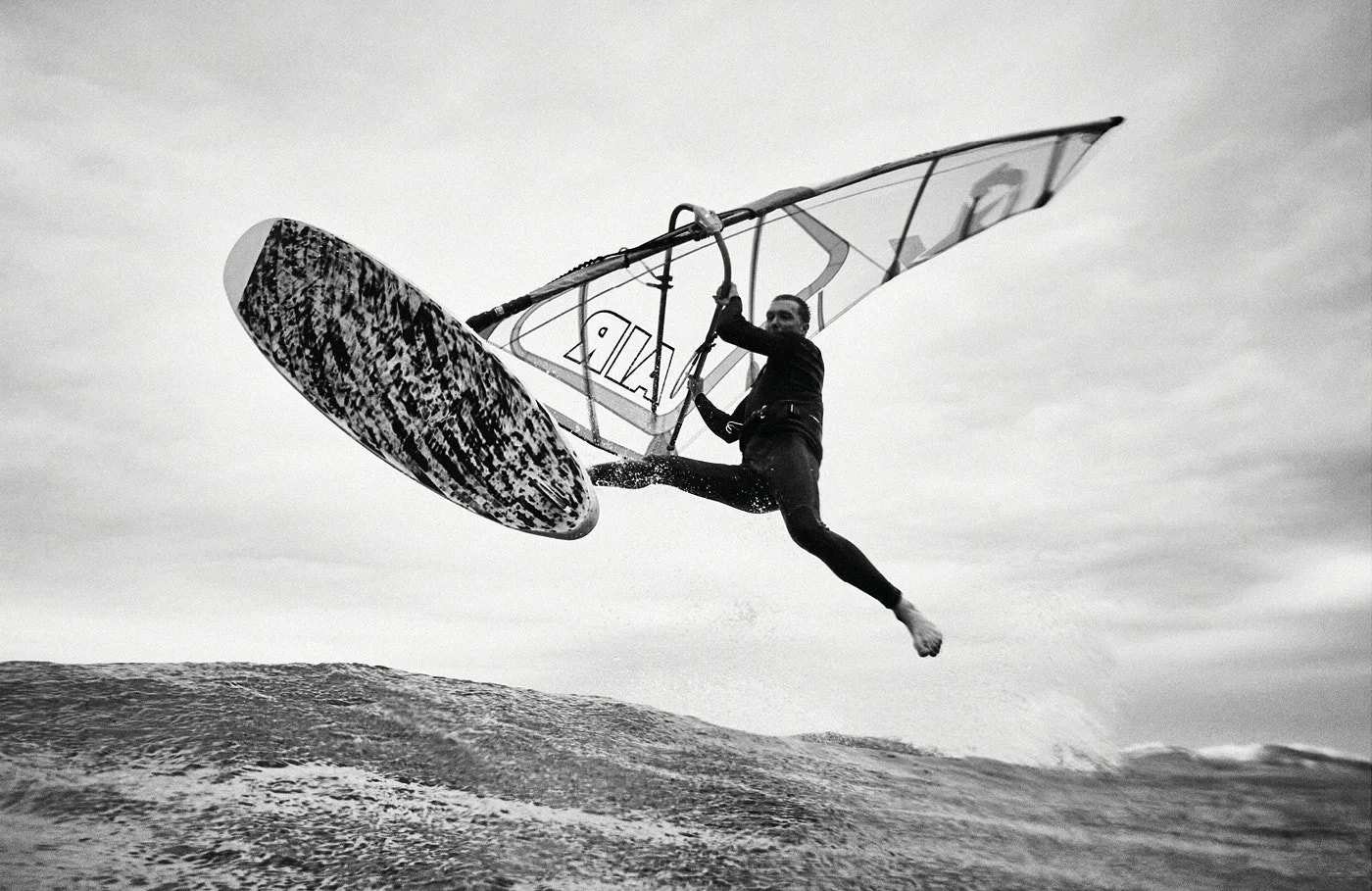
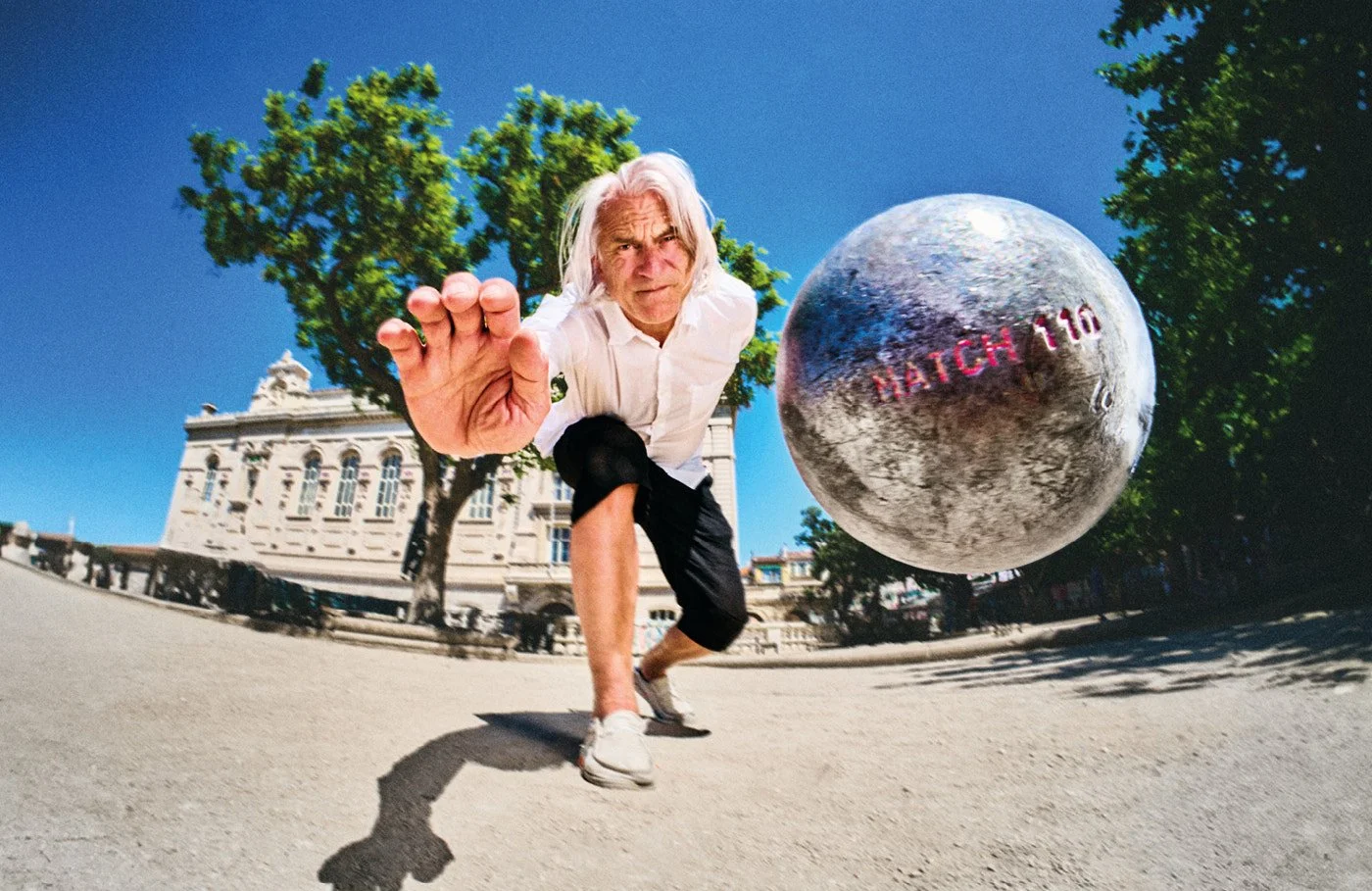
A good friend of mine says allways: “Sports is for those who don’t have enough sex.” And she’s probably right. But then again, isn’t it great that we find things that give us what we need? Some run marathons, some run after each other. In the end, it’s all about keeping the heart beating.

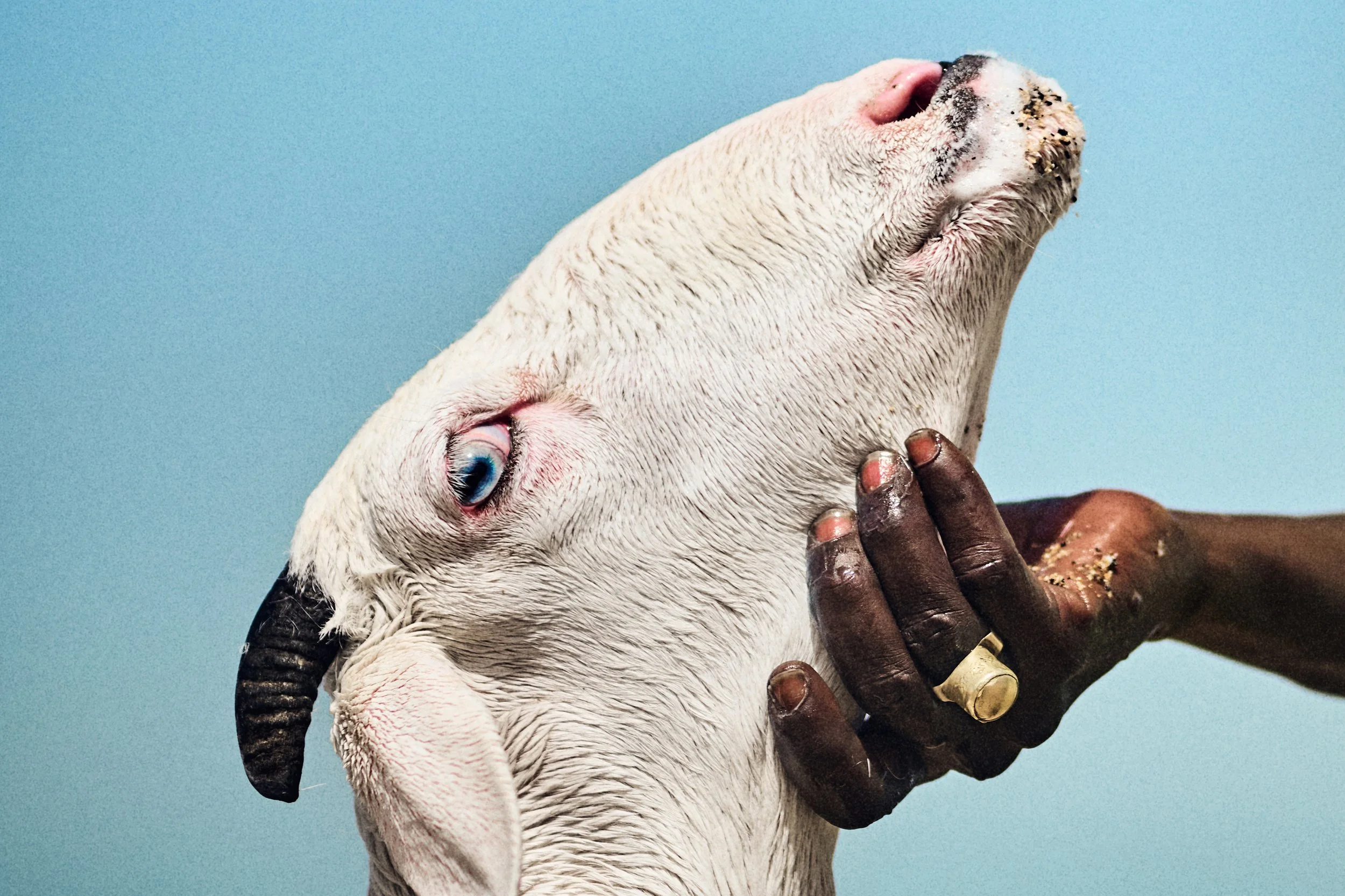
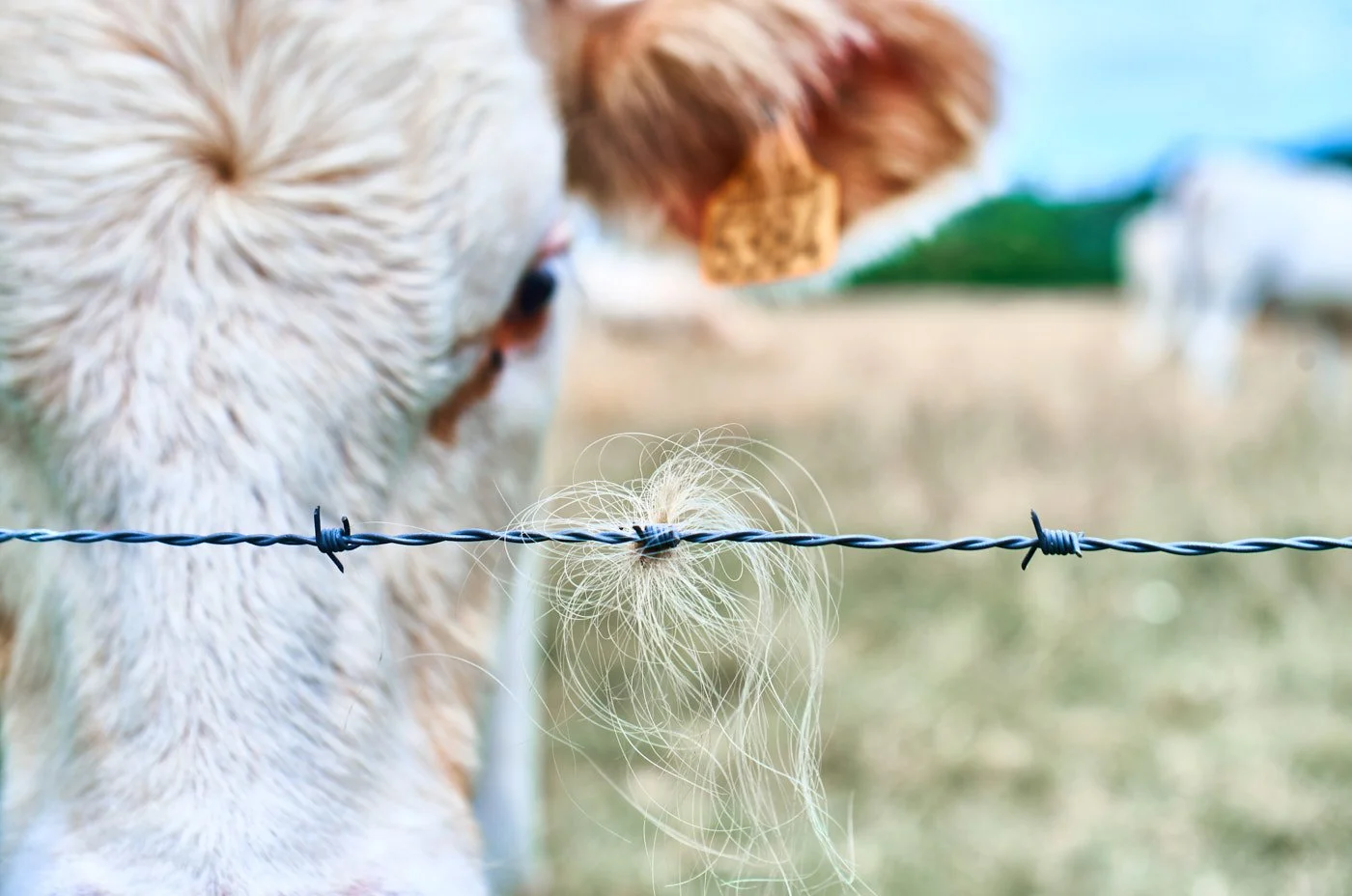
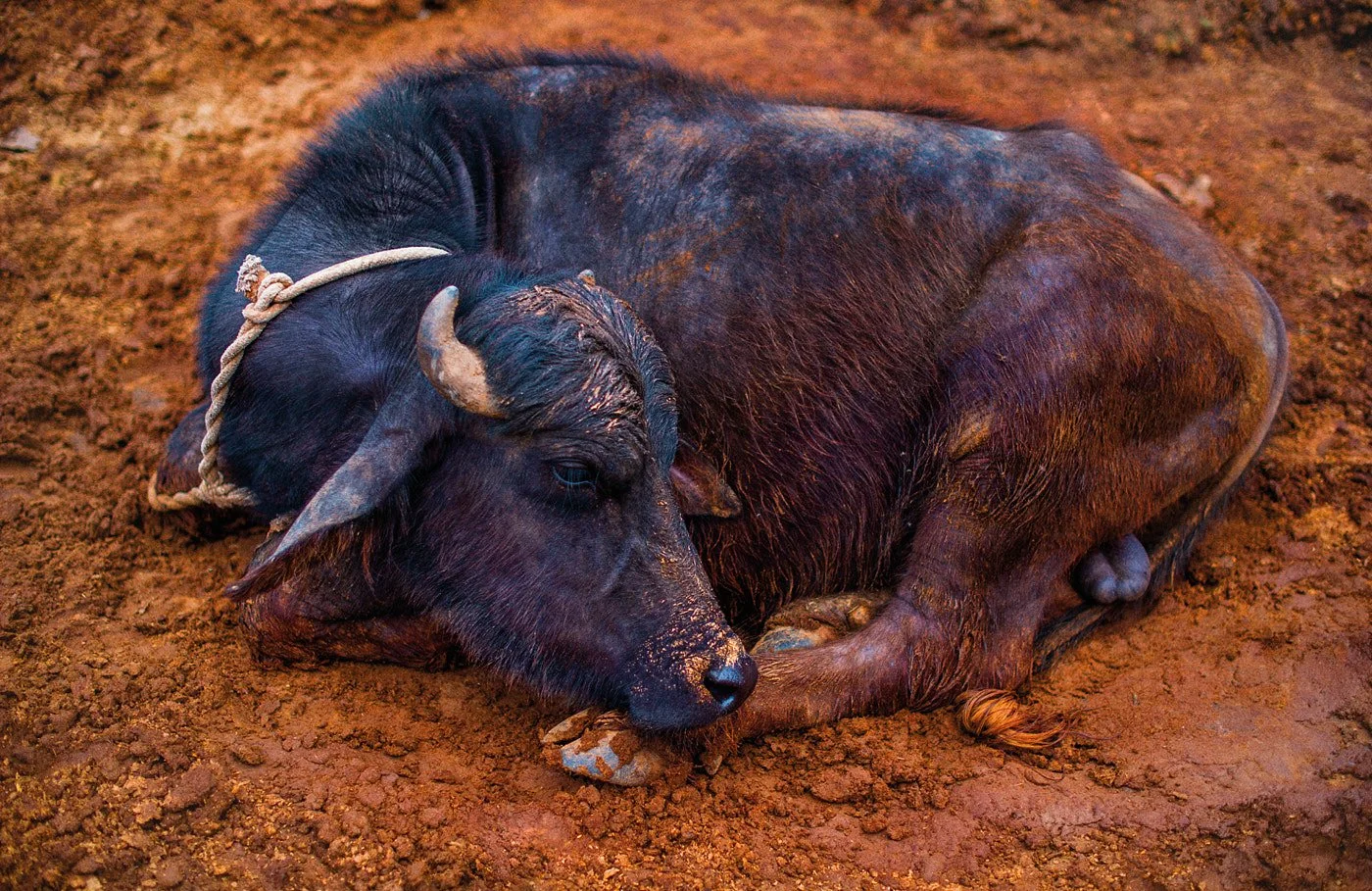
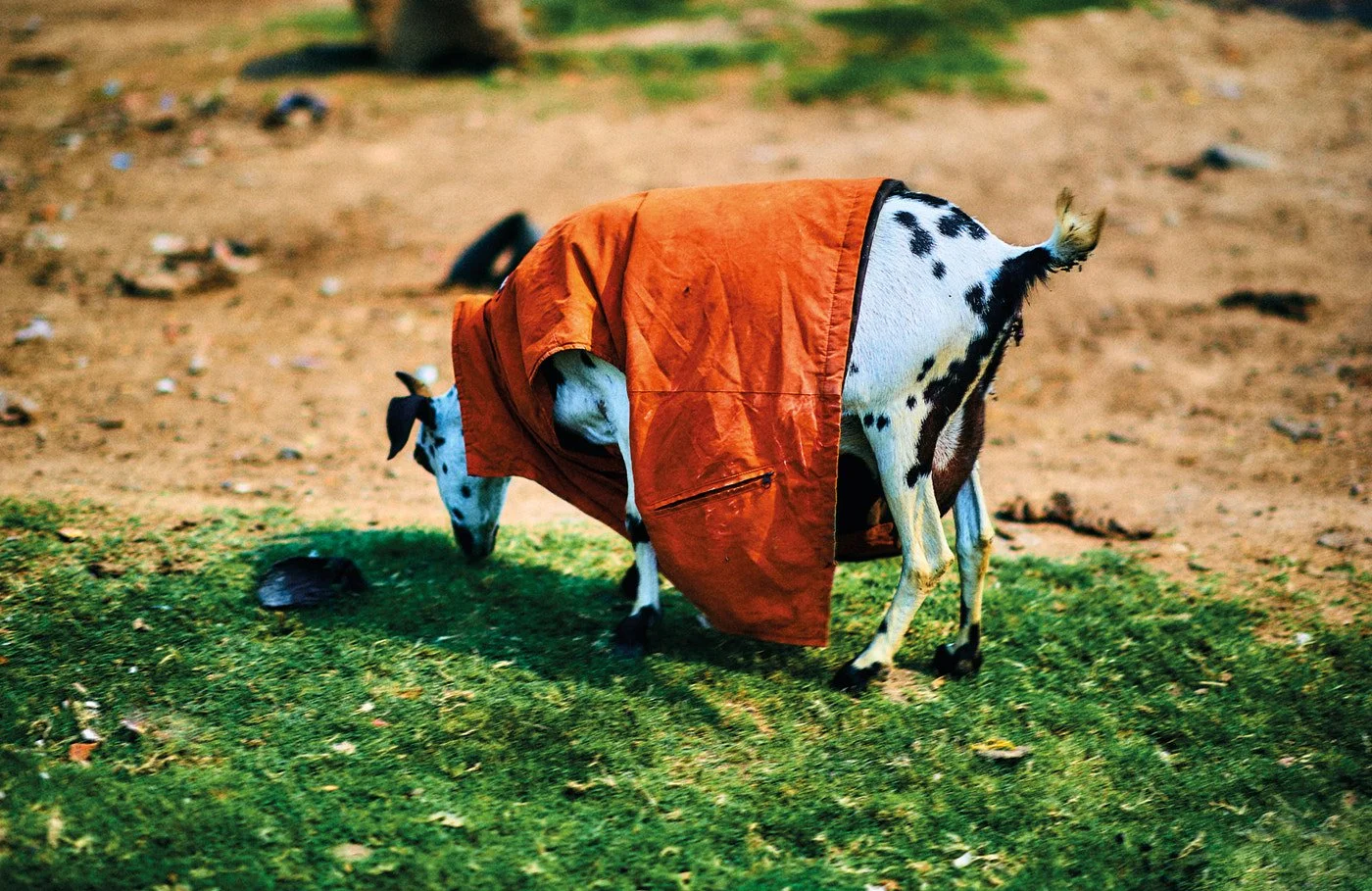
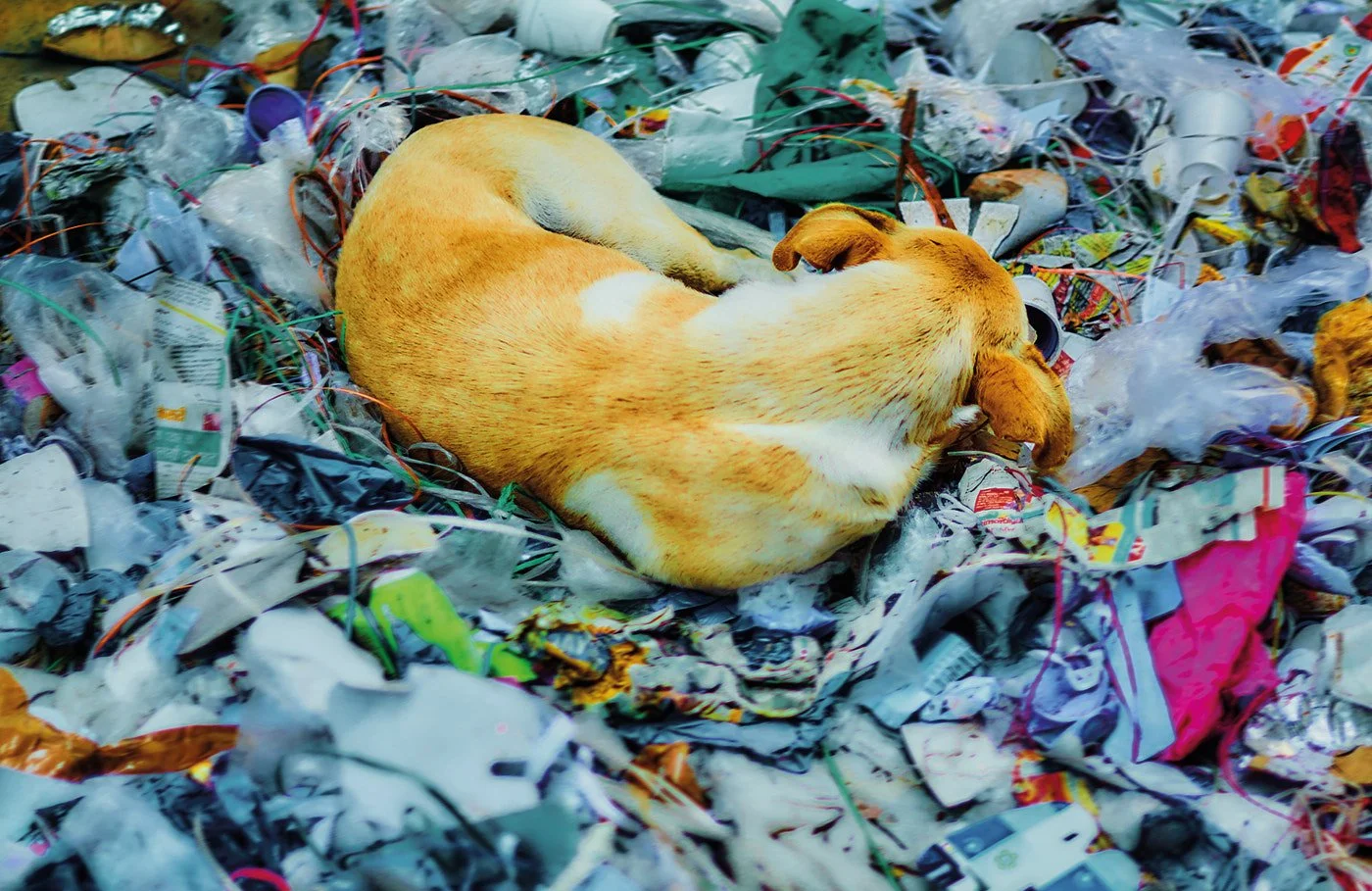
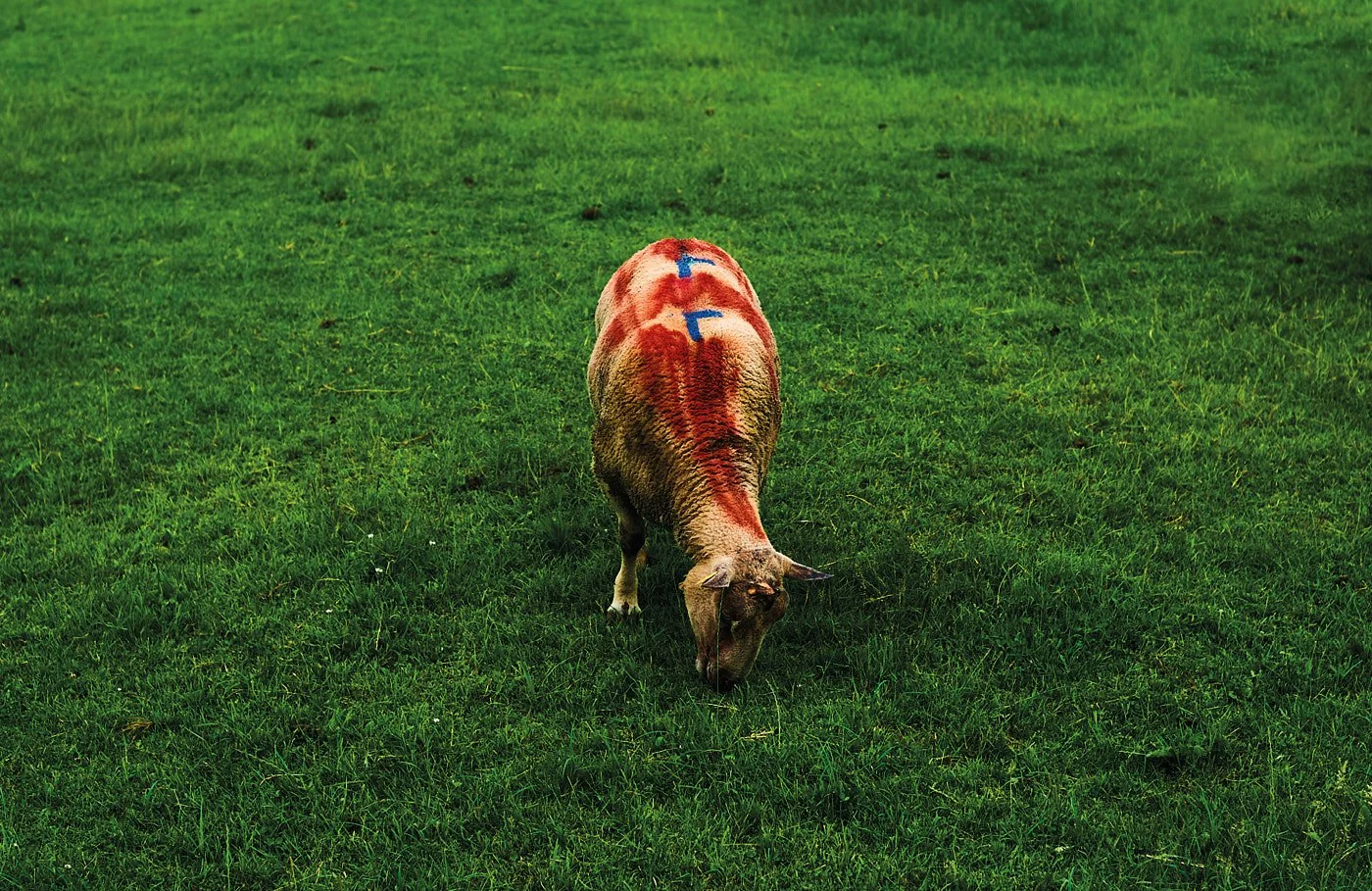
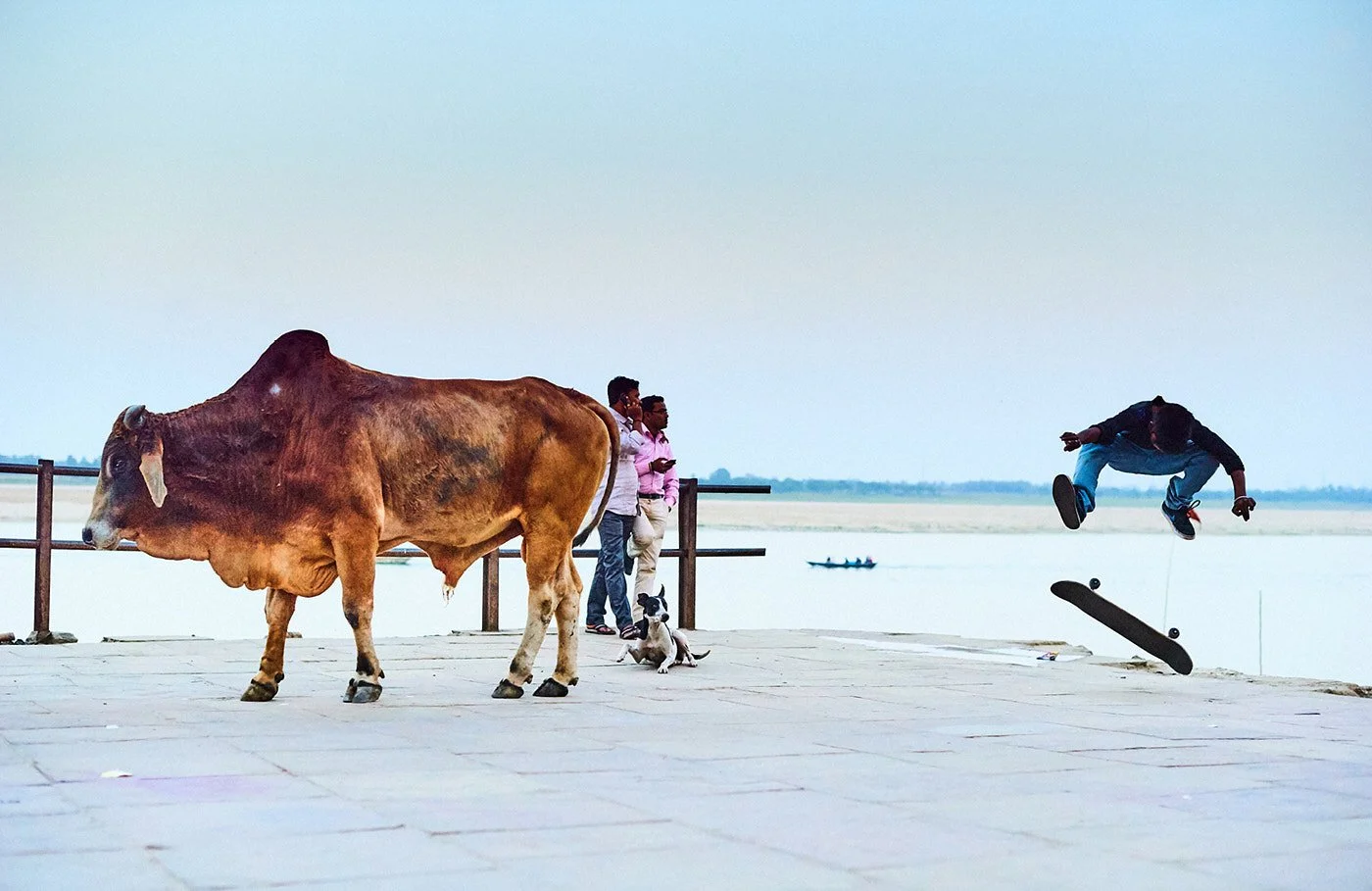
The way people treat animals can be contradictory and confusing. Some animals are seen as substitutes for unconditional love and an endless source of comfort, while others end up as meatballs in the cooking pot. I don’t know which of these two things I find more distressing.

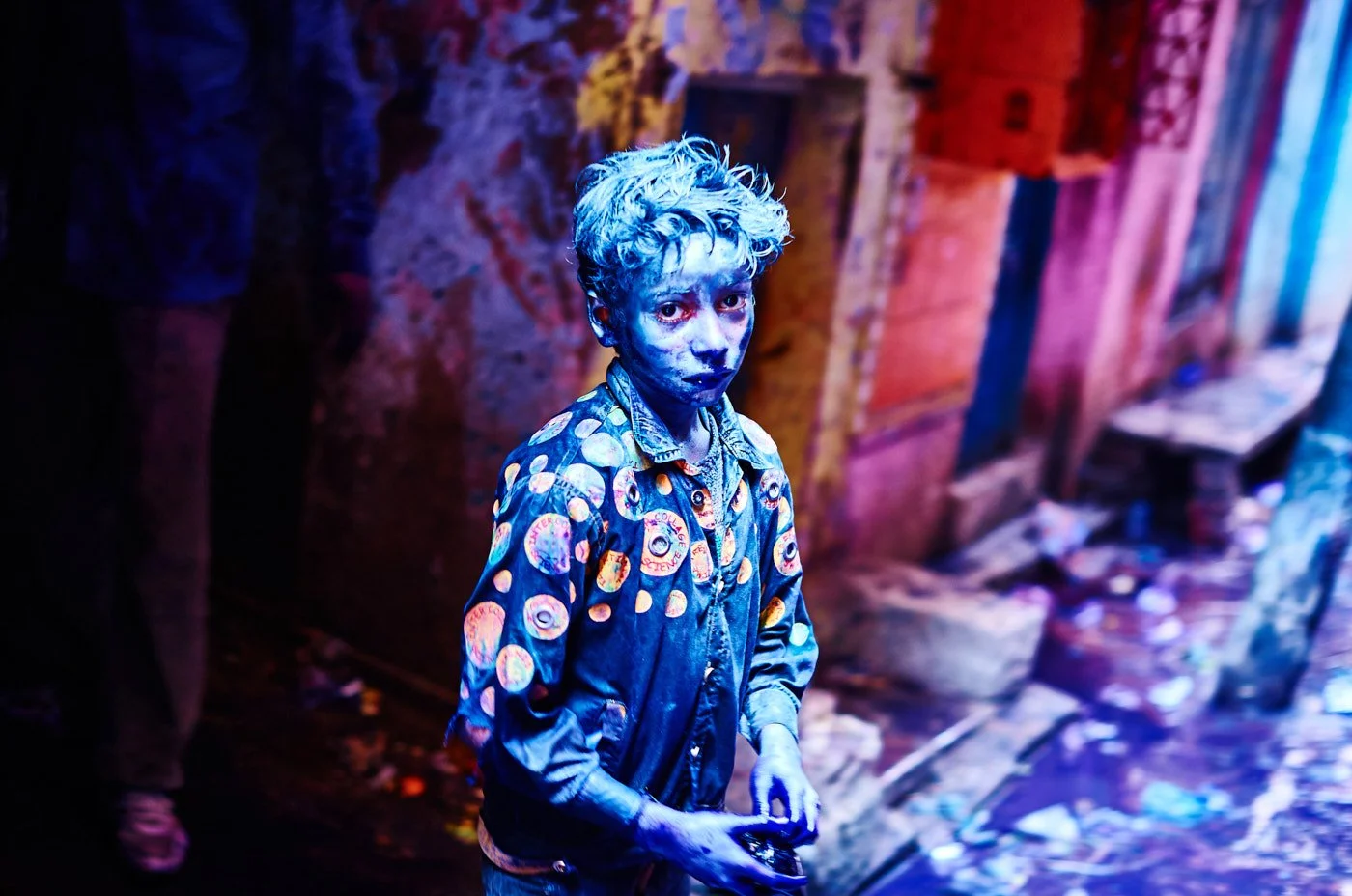
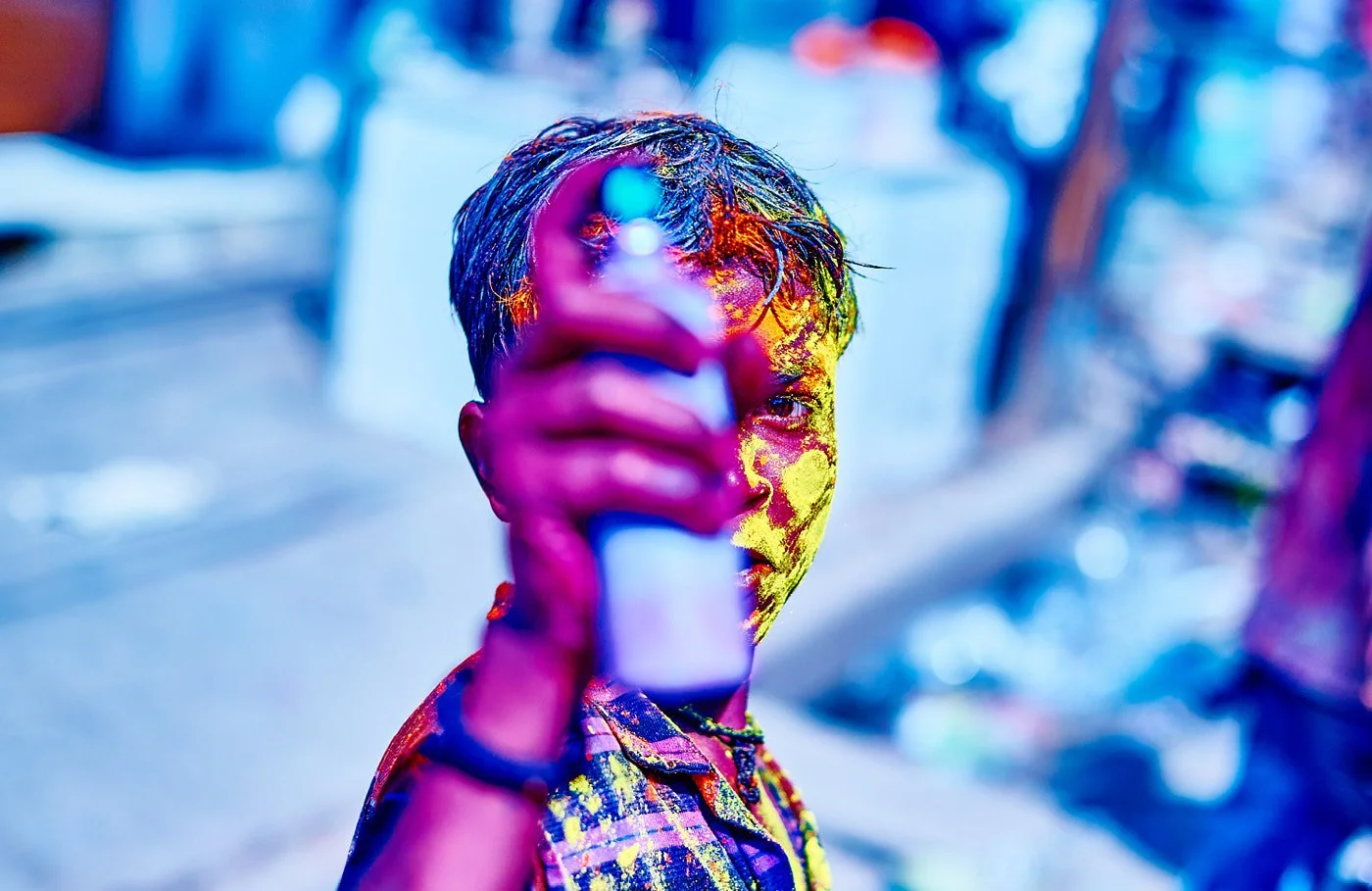
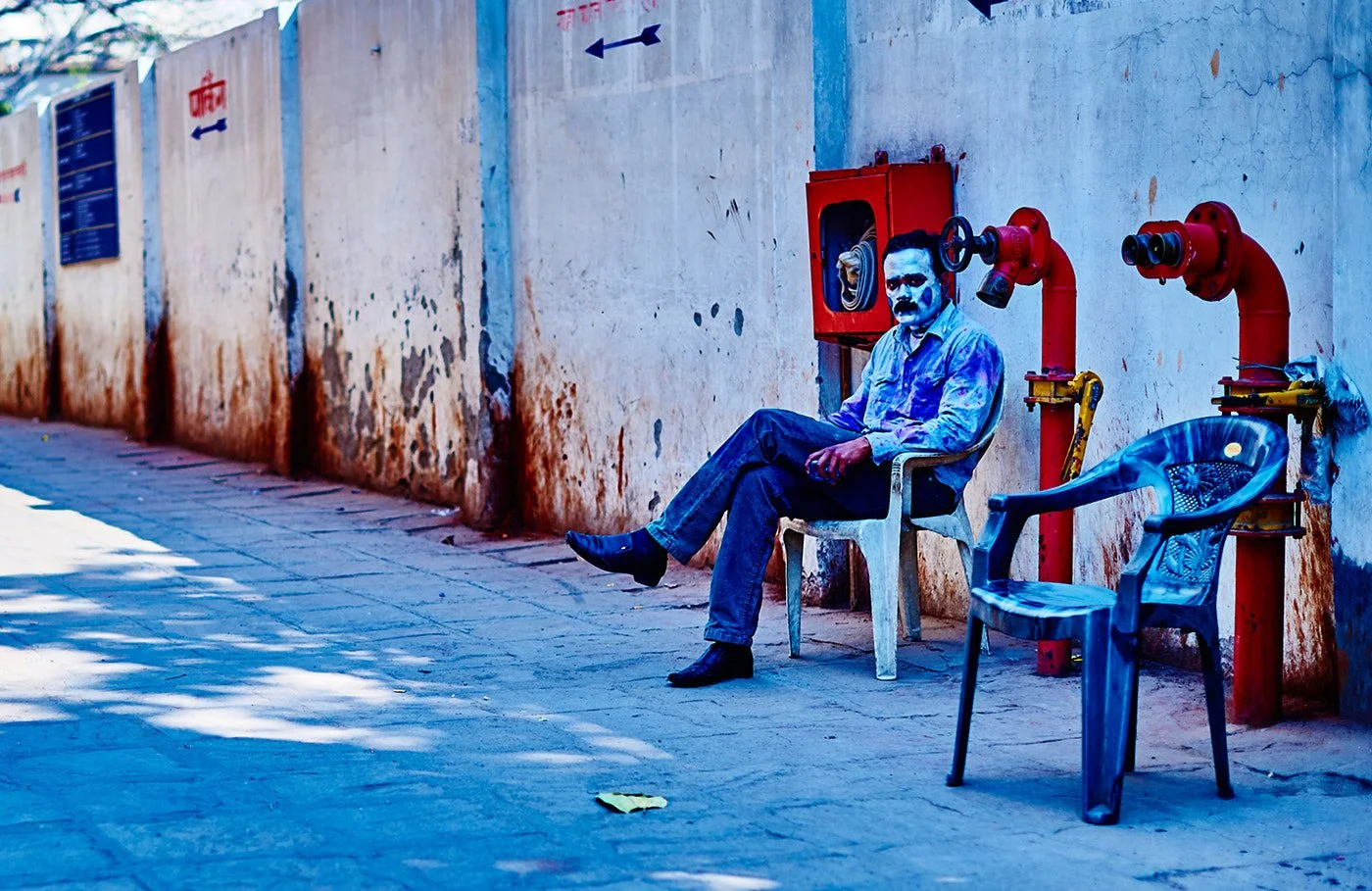
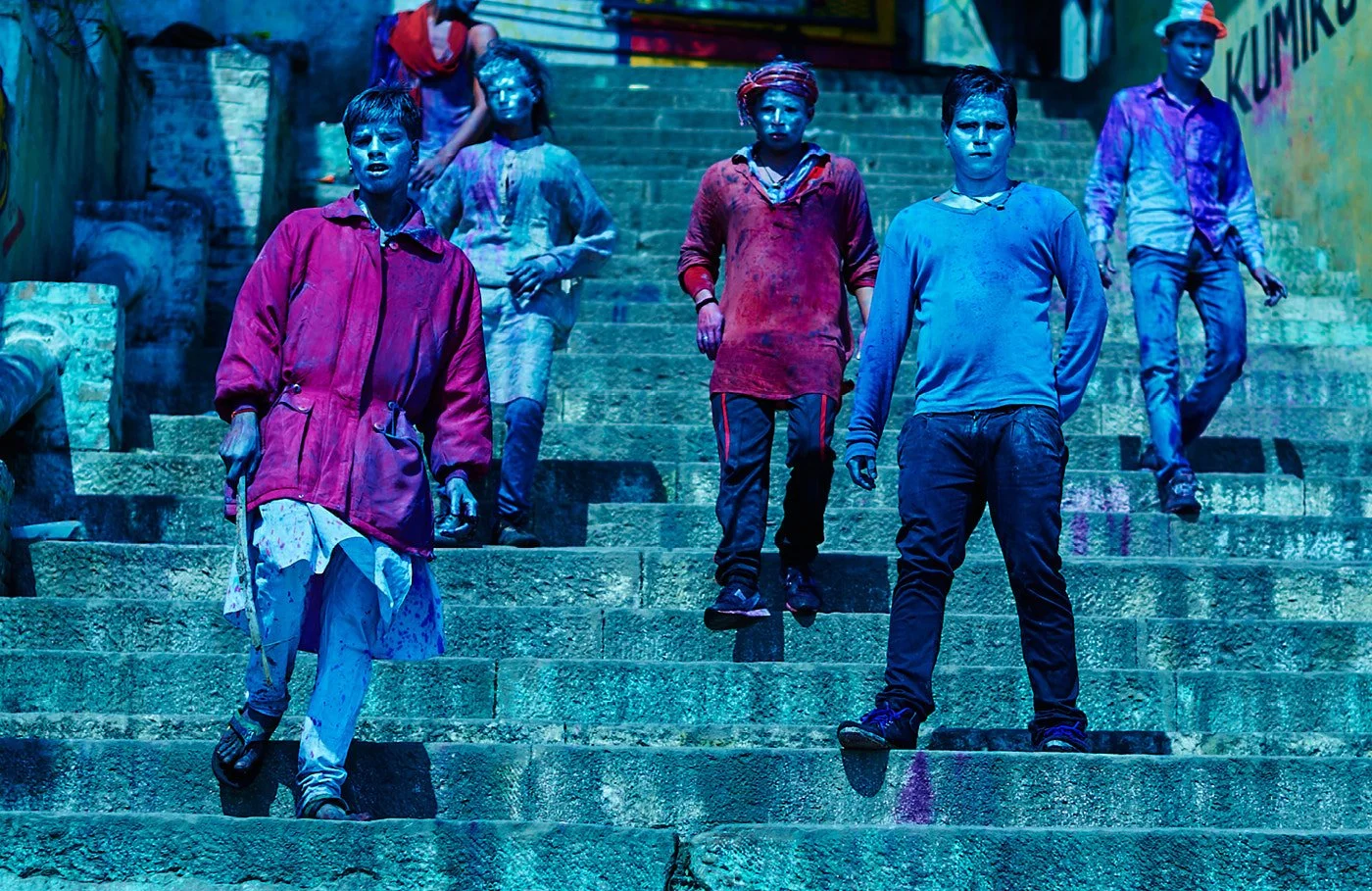
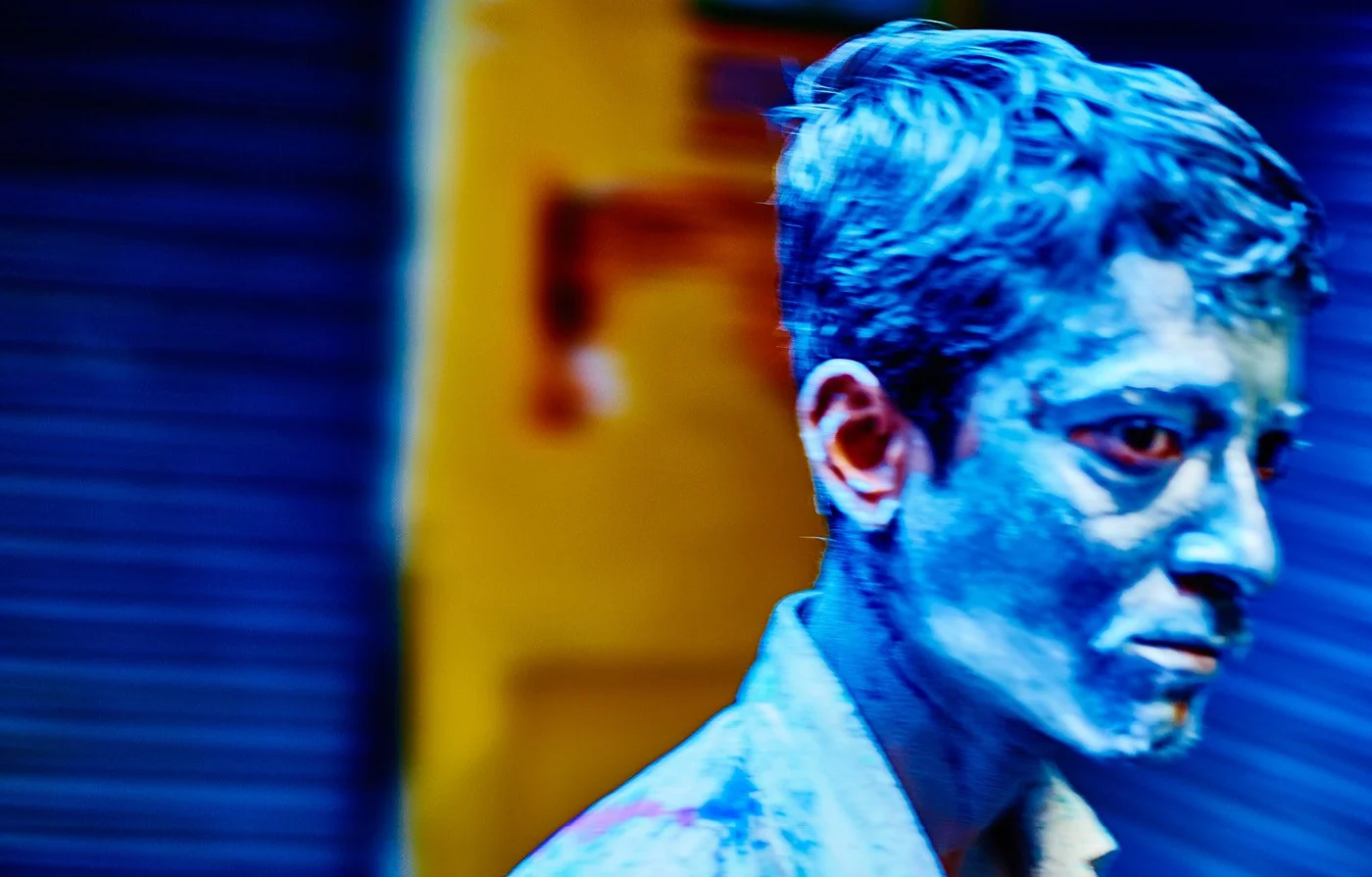
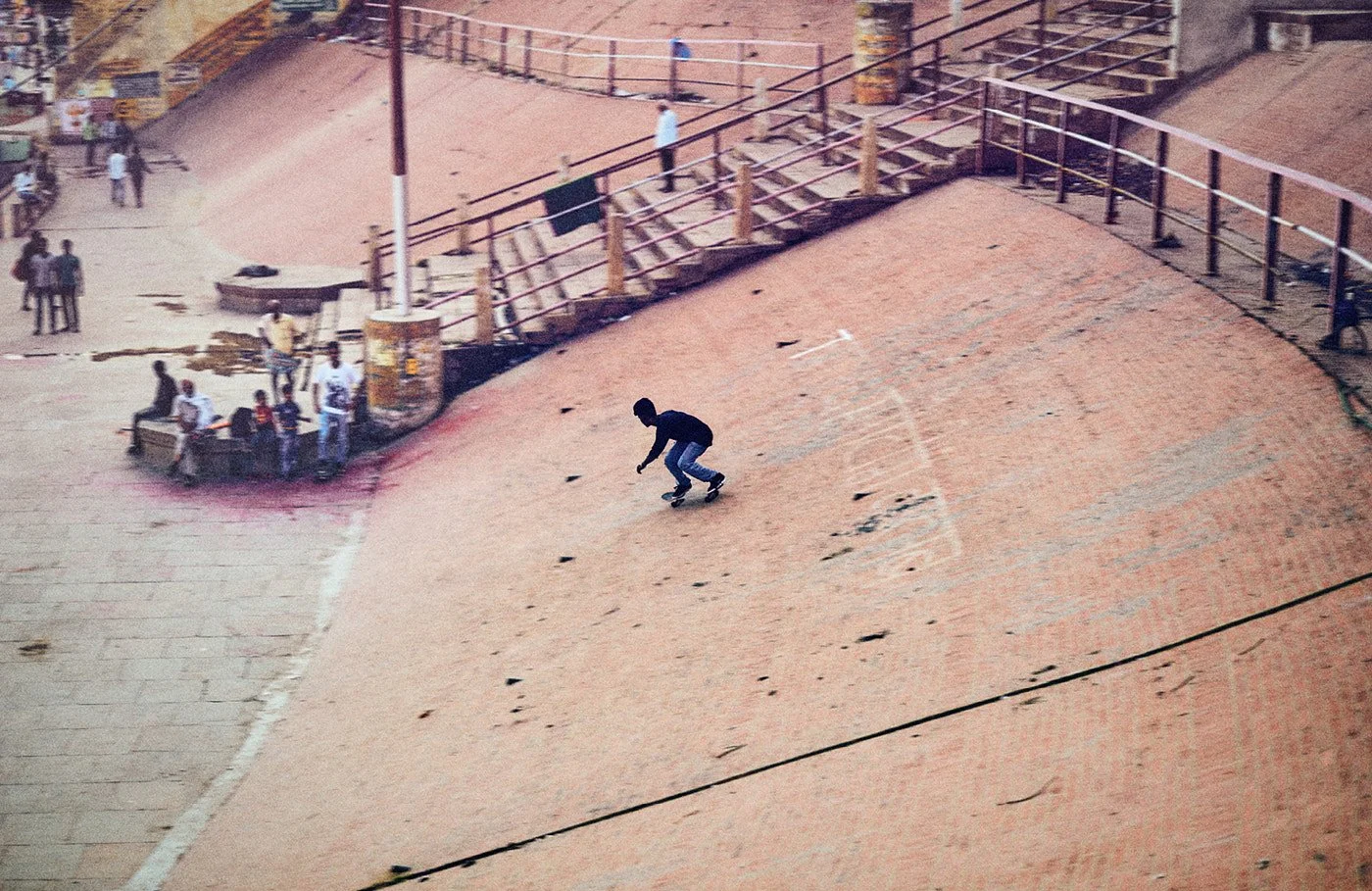
In 2015 in Varanasi, India, traditions were seen as a way of passing down patterns of behavior and beliefs that have proven successful in living together as a community. They also help to prevent repeating past mistakes and preserve the values of a simple life. One of the oldest traditions in India was to celebrate the days following the burning of the Holika Dahan by throwing herbal colors with healing properties at each other. While the festival has become a commercialized mass event without much meaning in many cities in Europe, it has also lost its original significance for some young people in India, who now use it as an opportunity to show off their intoxication.

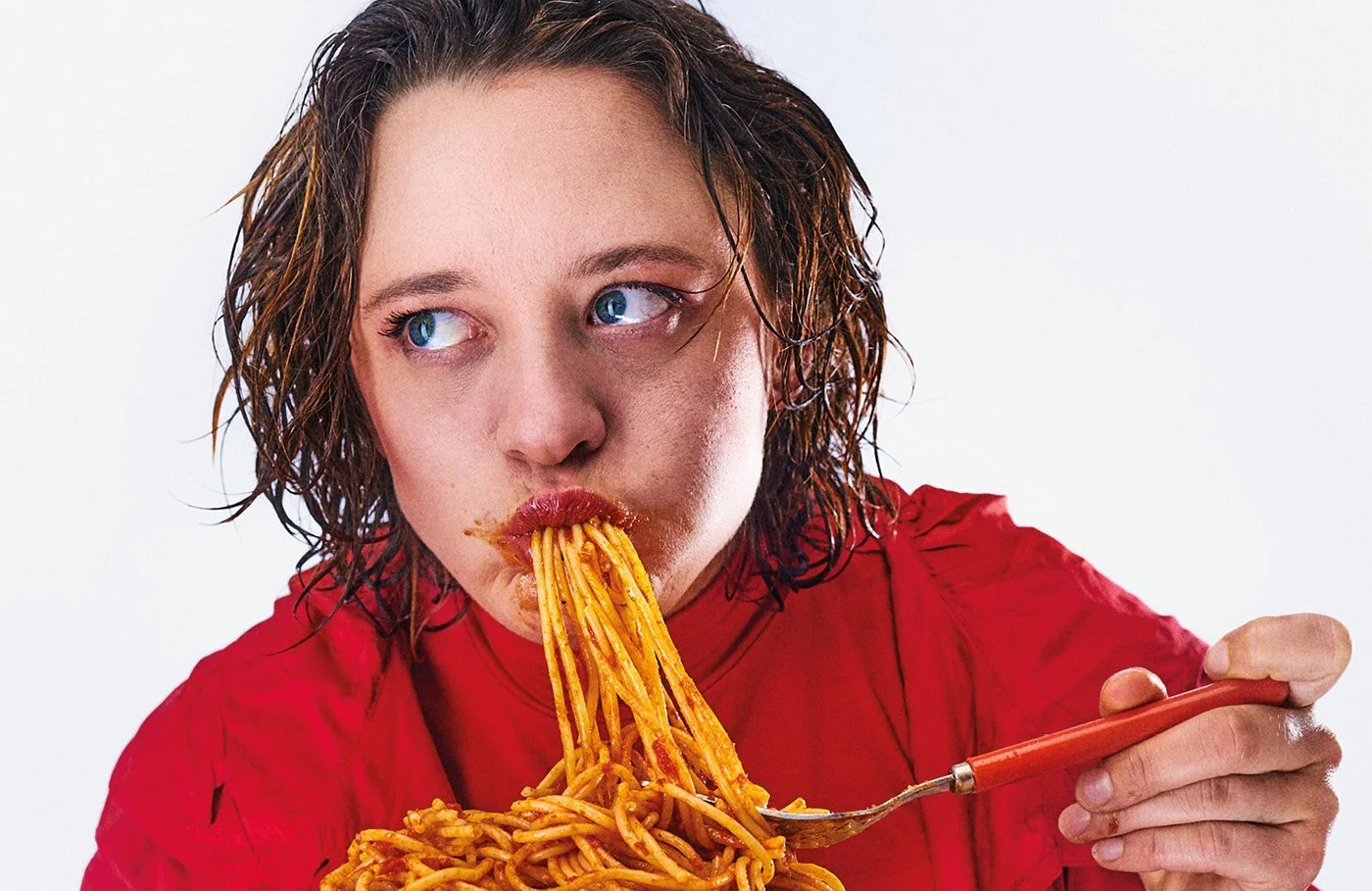
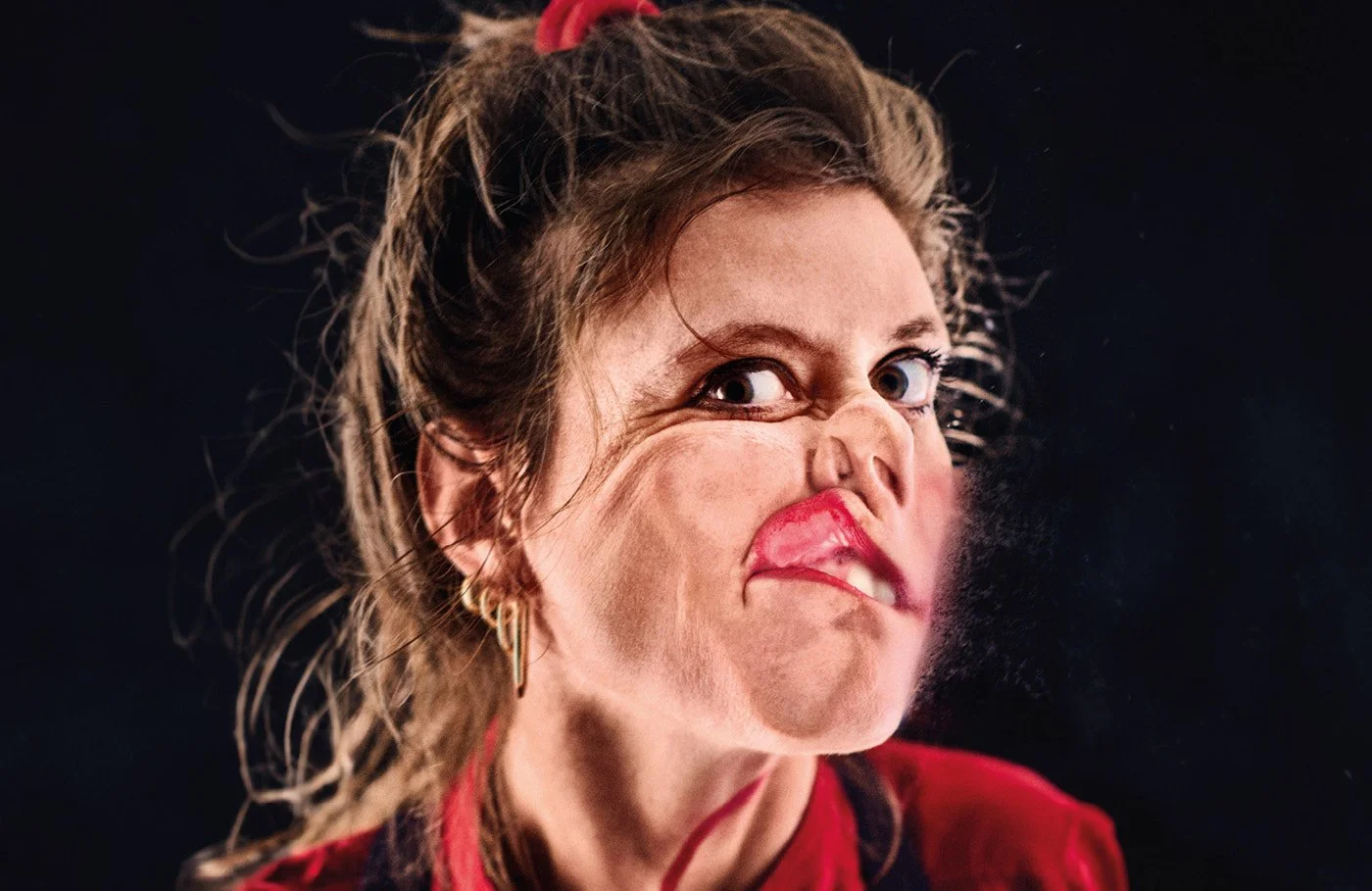
To laugh at ourselves is to meet the mirror kindly. In that moment, ego softens and freedom appears—a gentle nod to being human. Each laugh makes us lighter, closer to others.
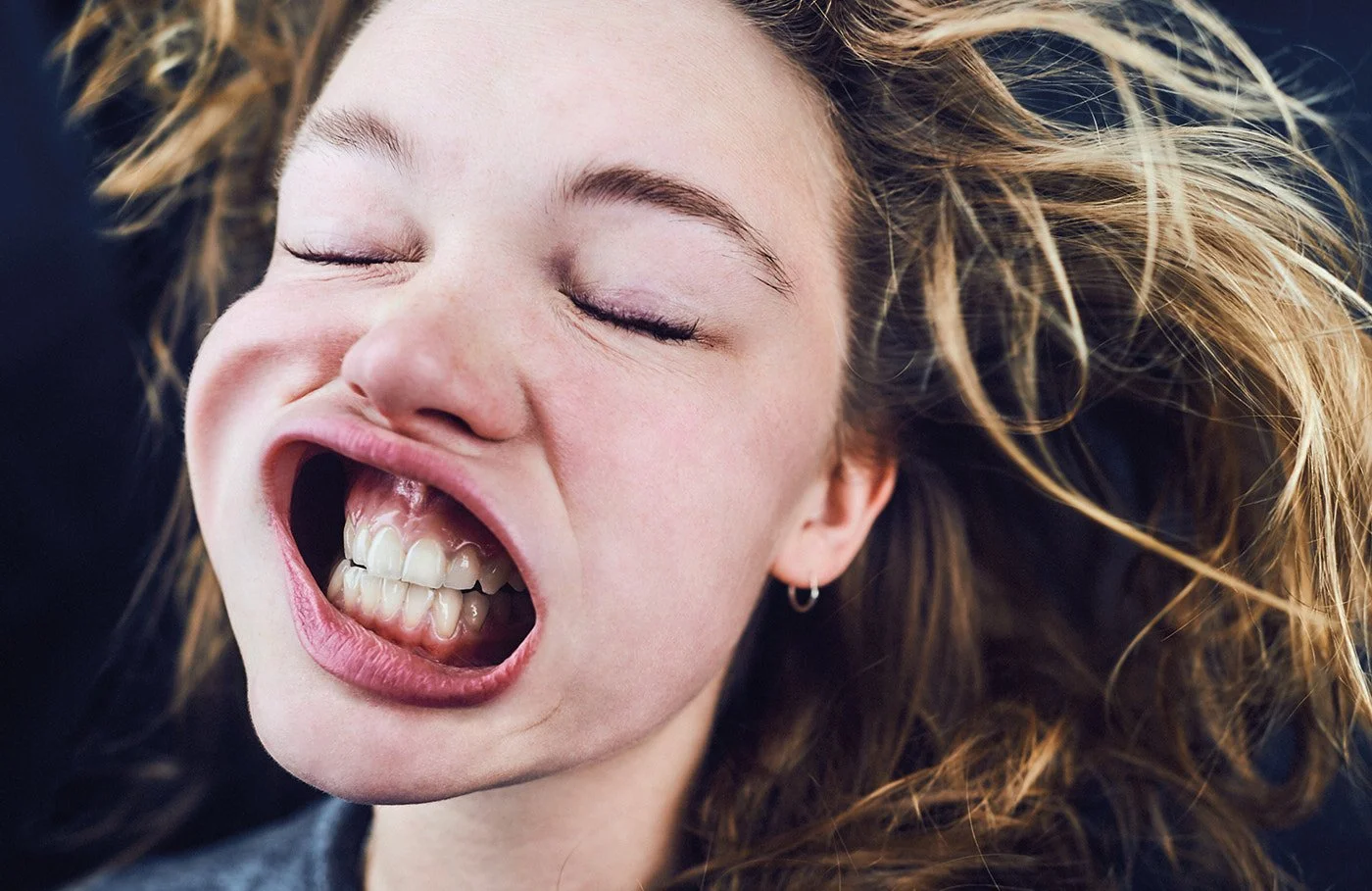
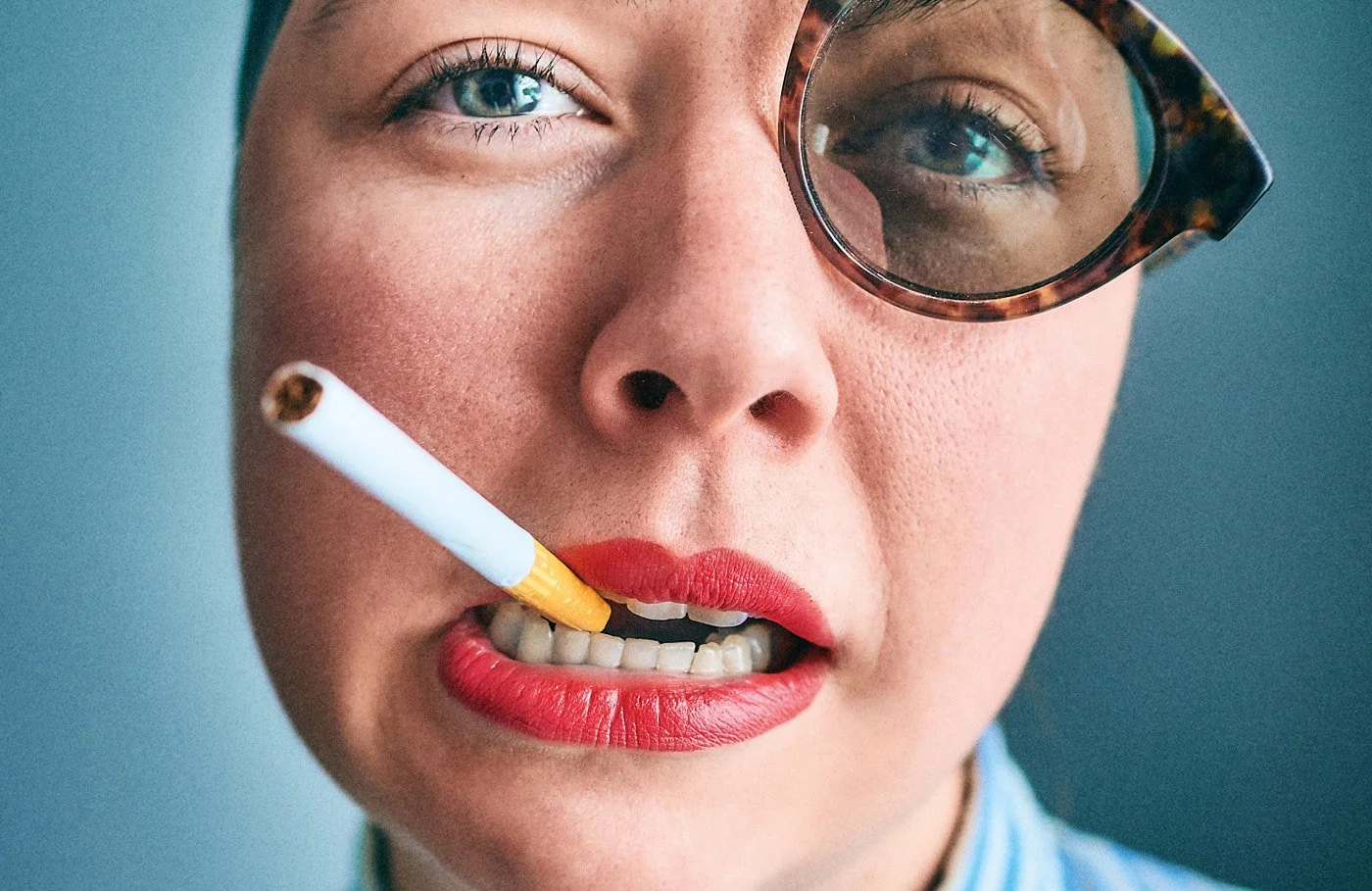

The Indian railway network is one of the largest in the world, covering over 67,000 kilometers of track and more than 8,000 stations. It is a crucial part of the country’s transportation system, with millions of people using the trains every day to commute or travel long distances. In fact, Indian Railways carries more than 23 million passengers each day, making it one of the busiest railway systems in the world.
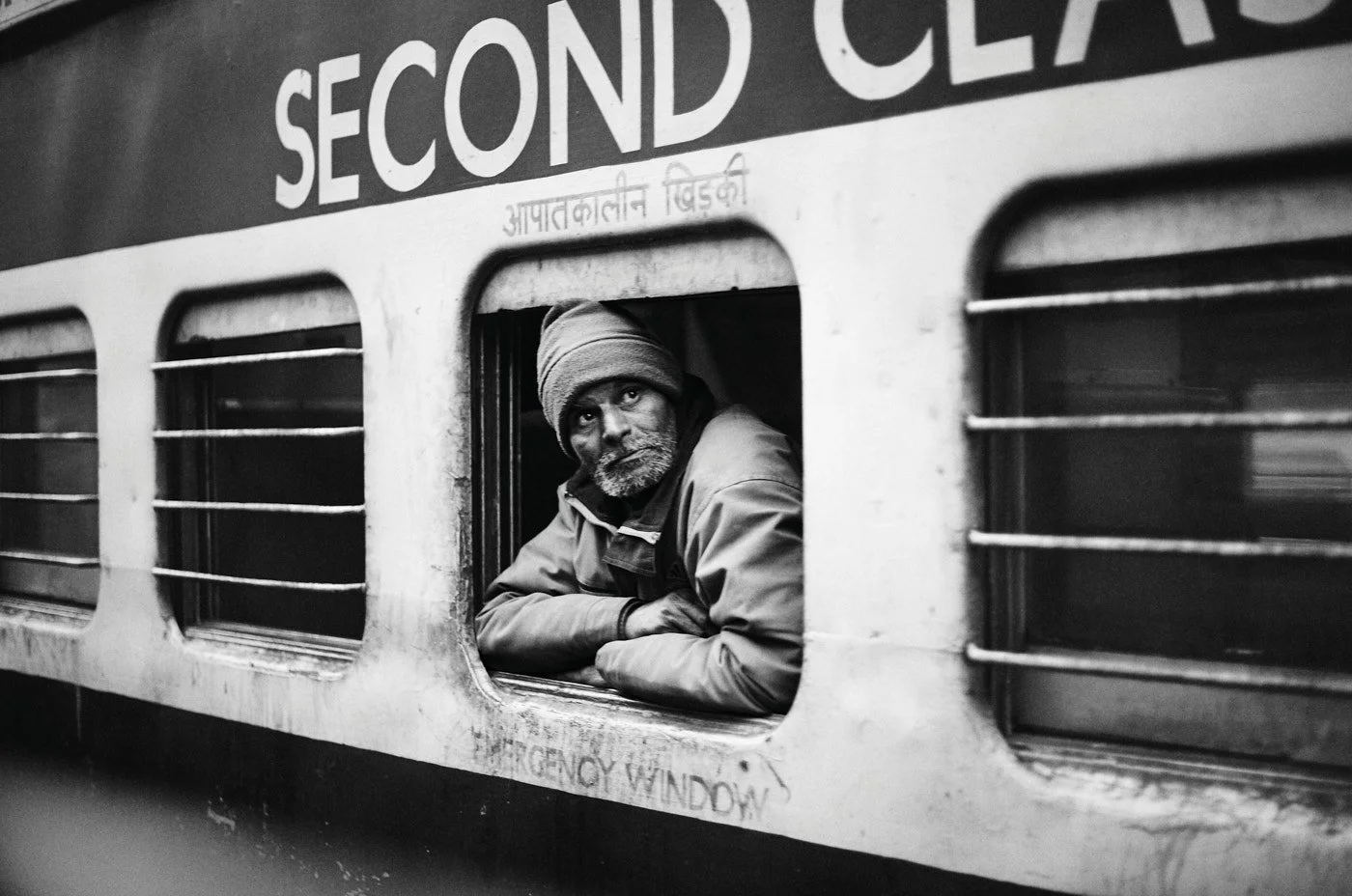
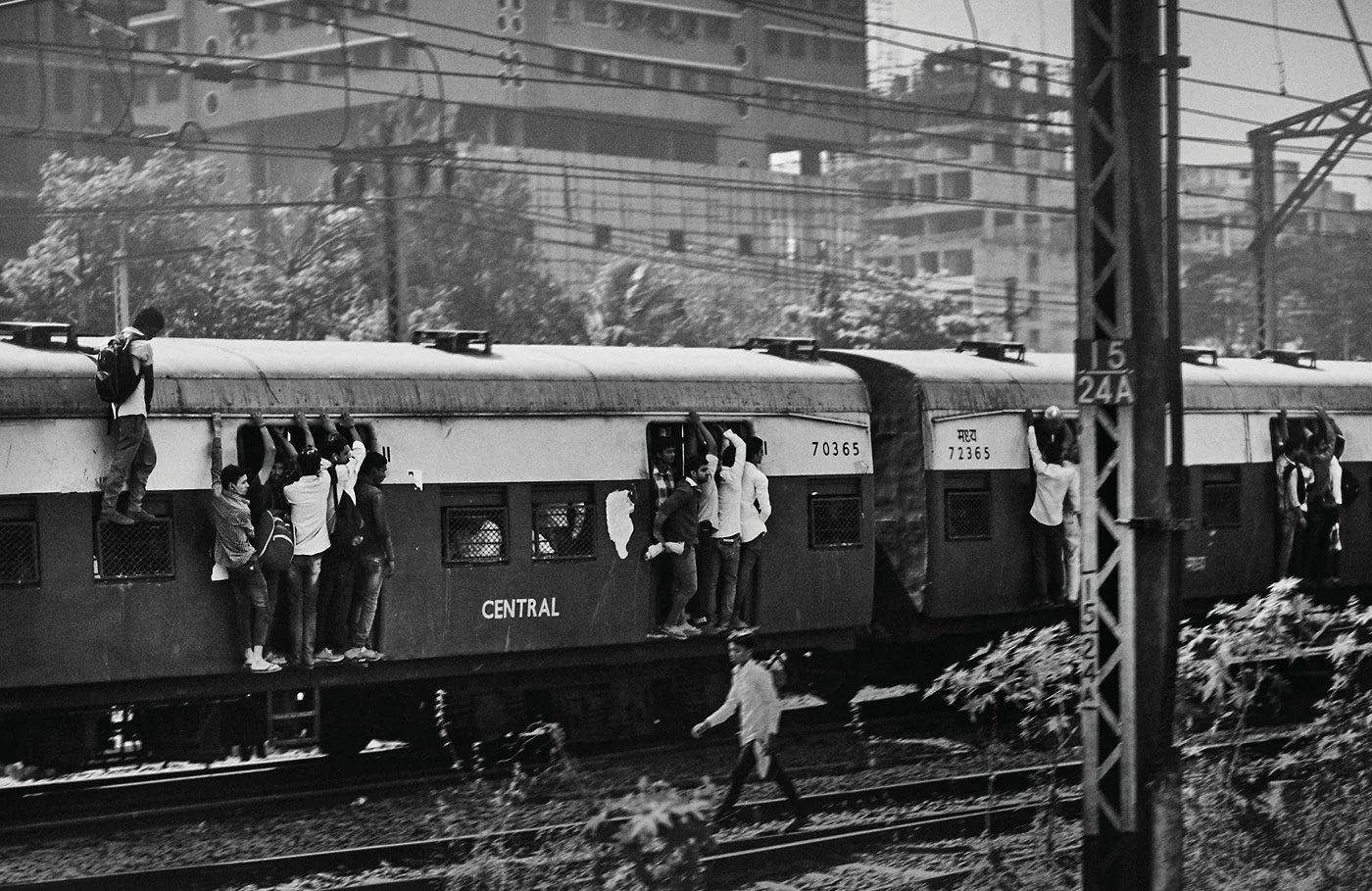
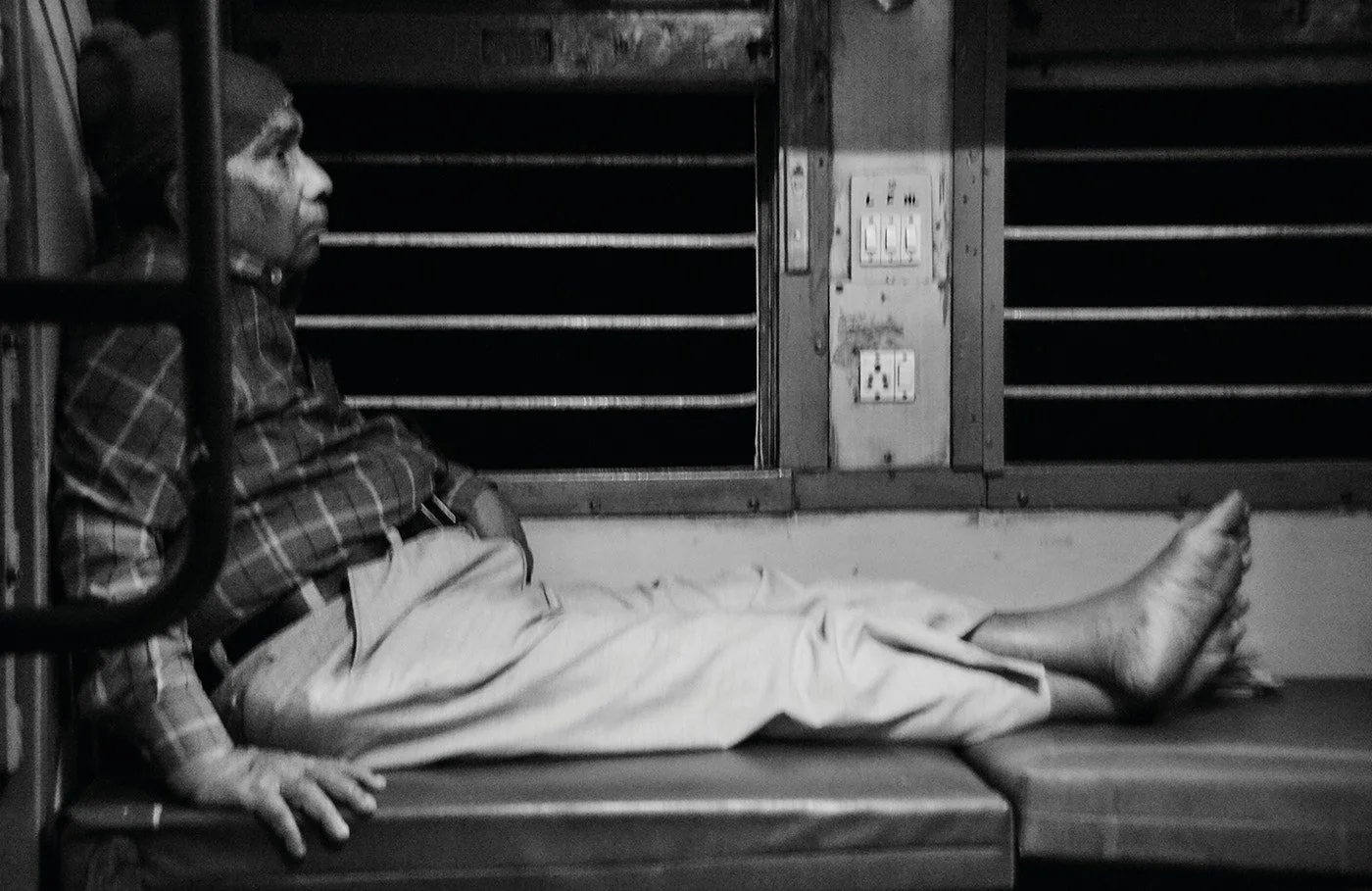
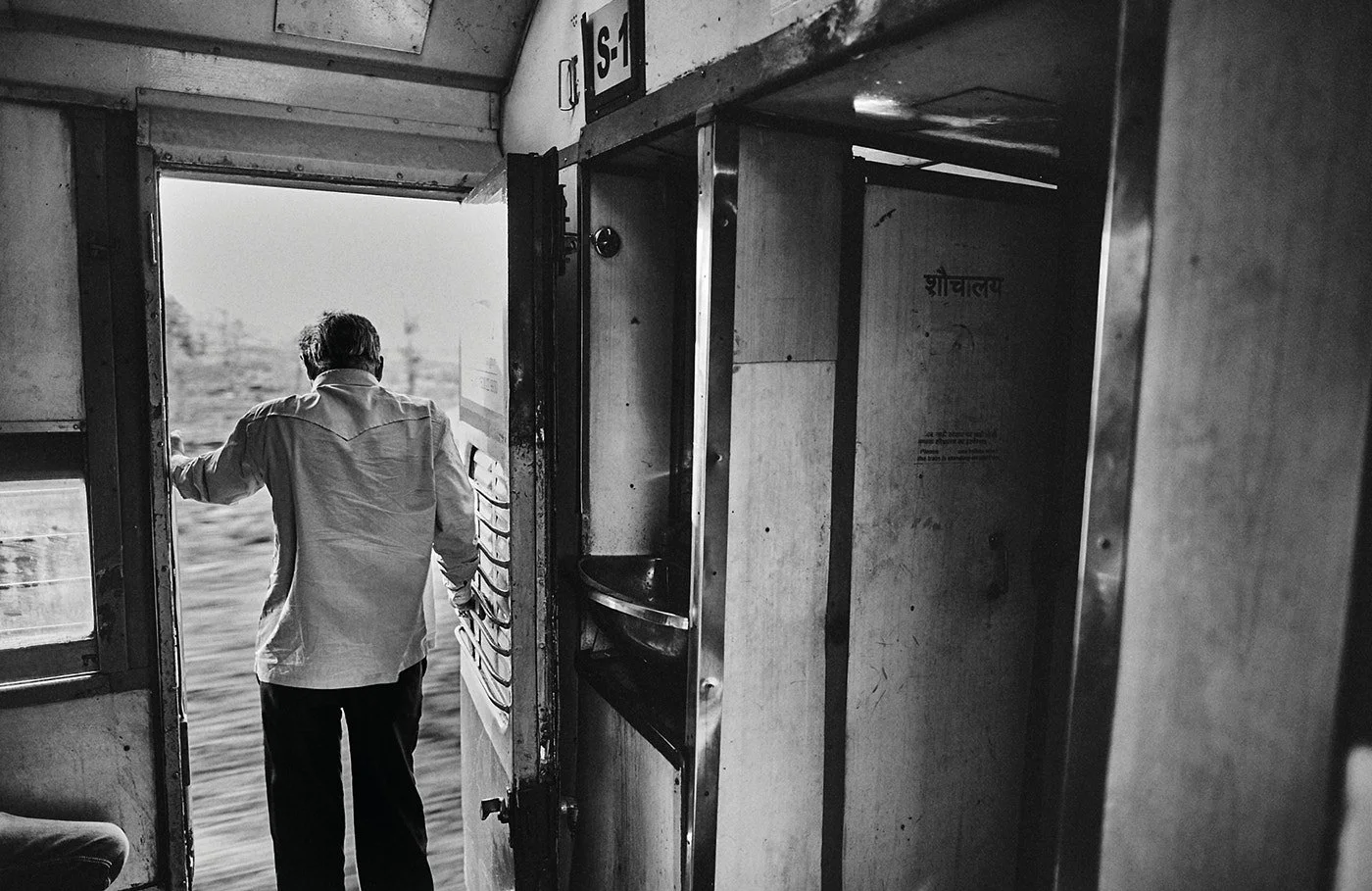
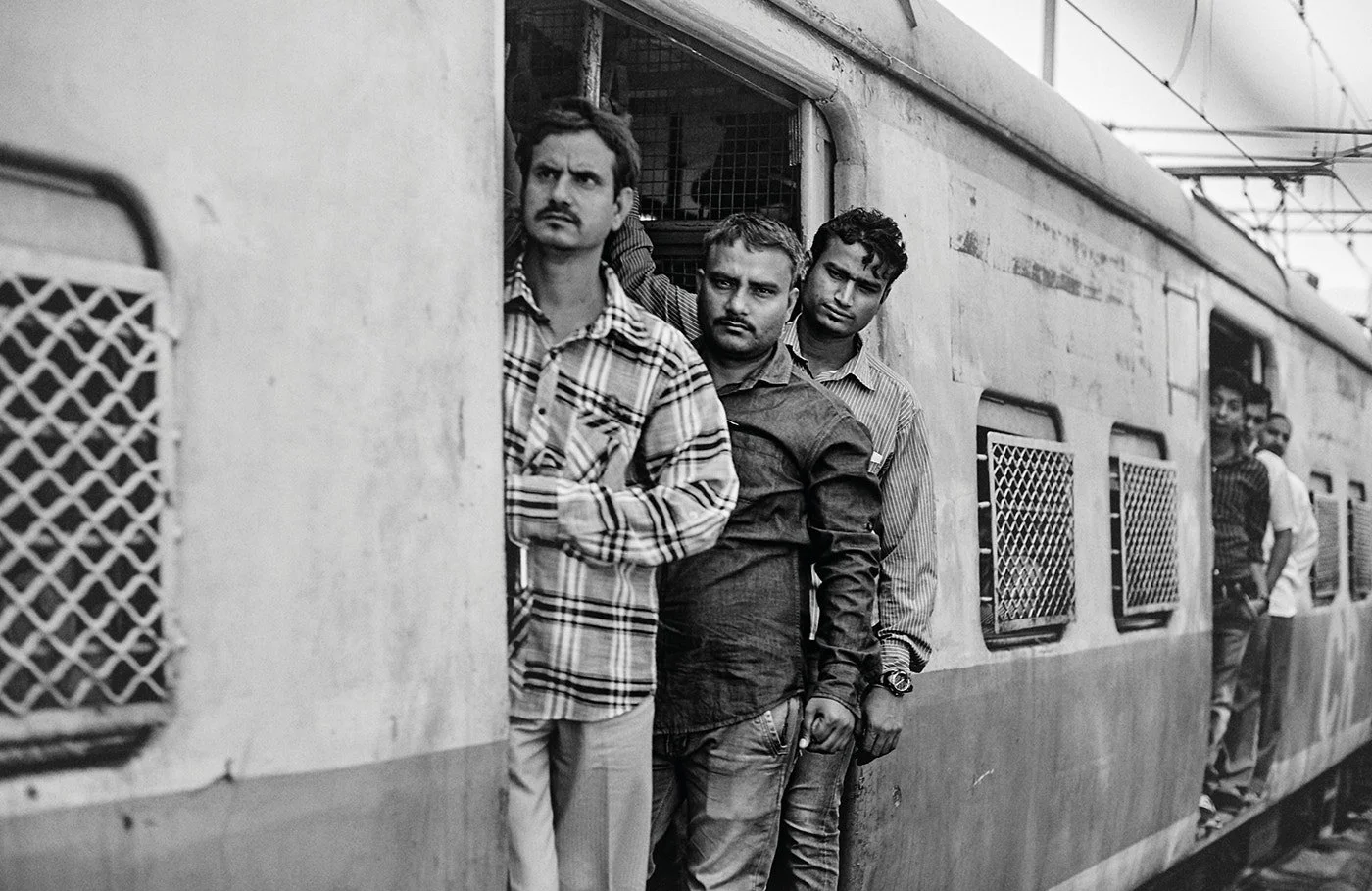

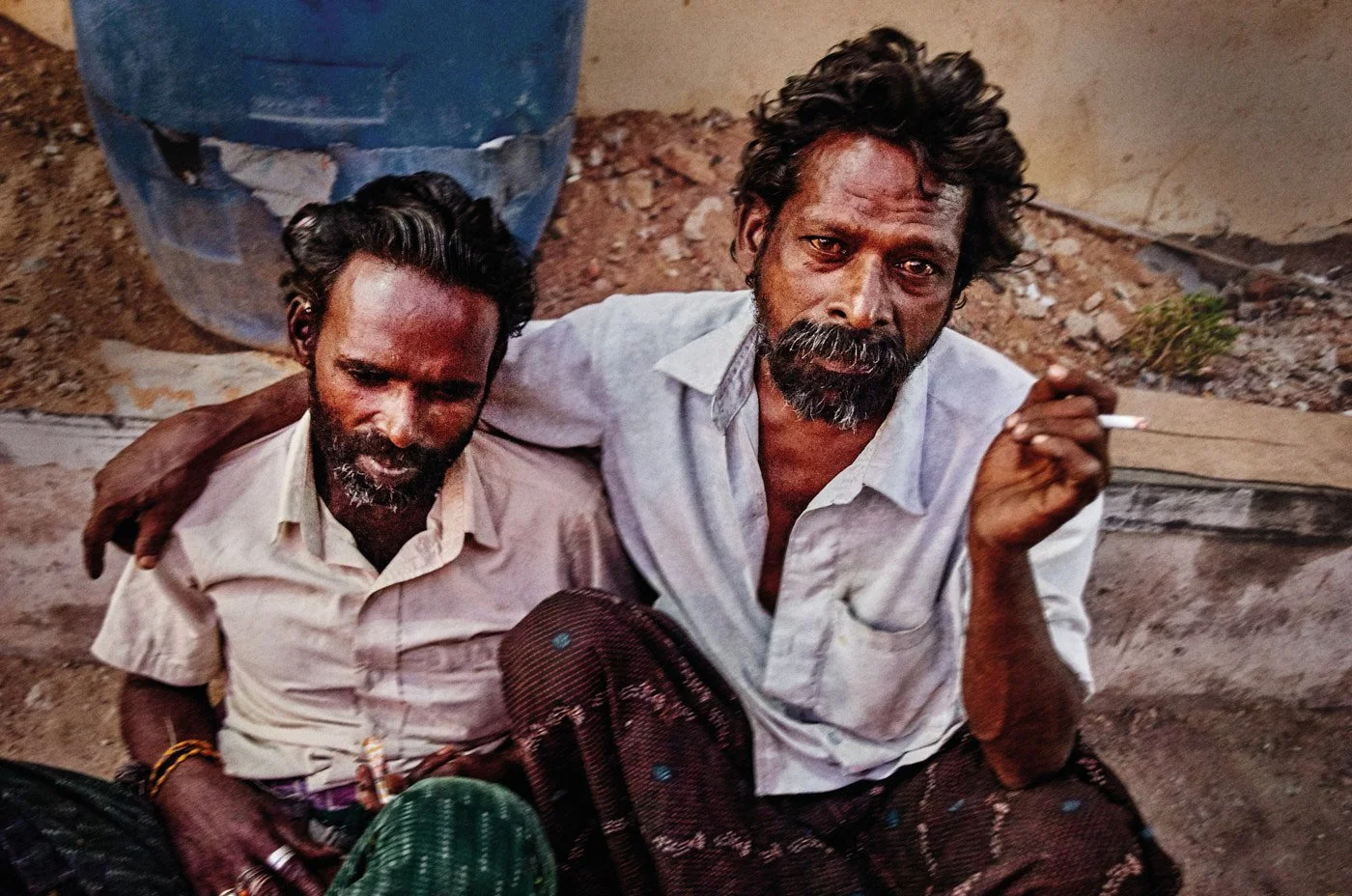
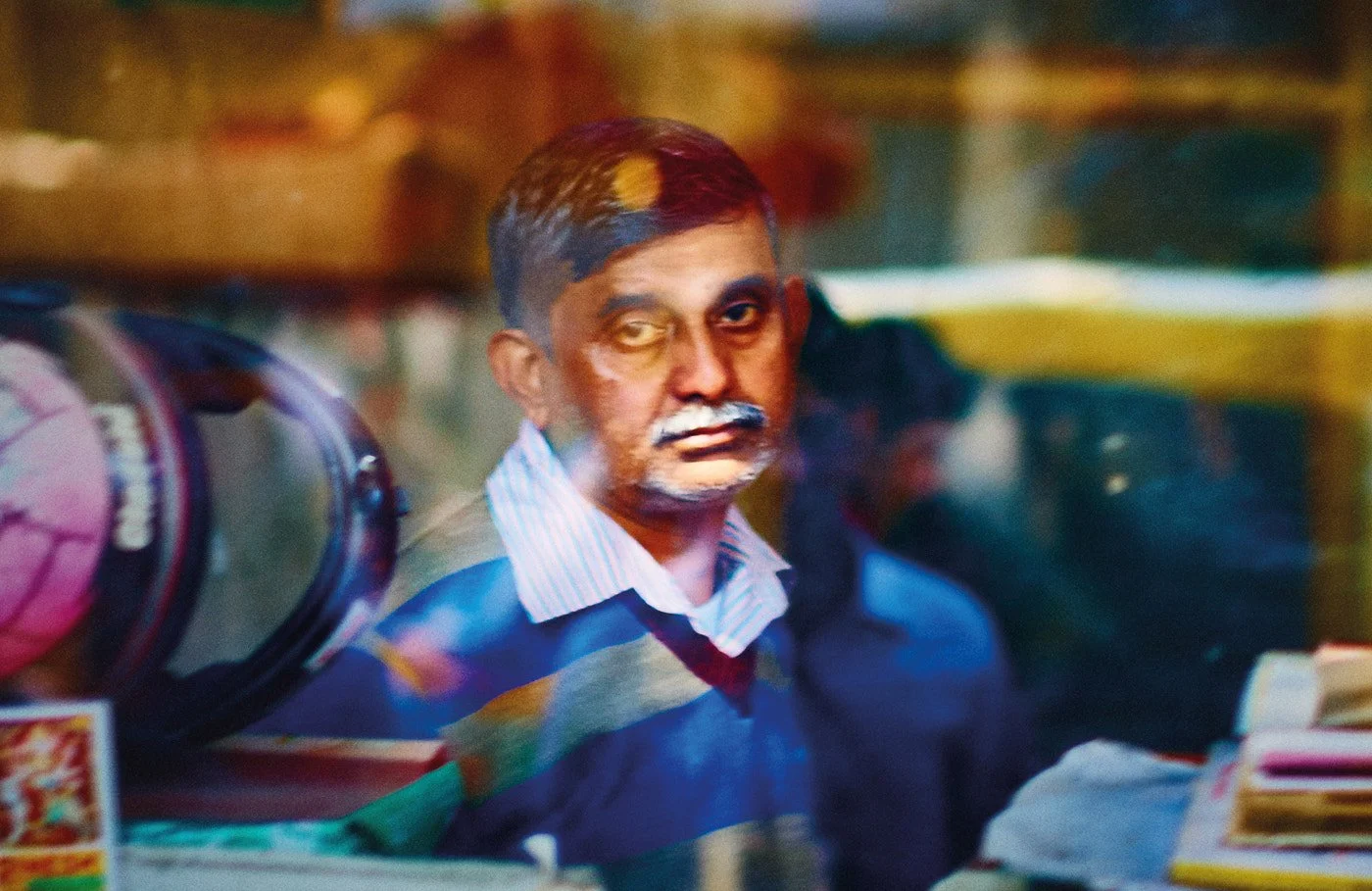
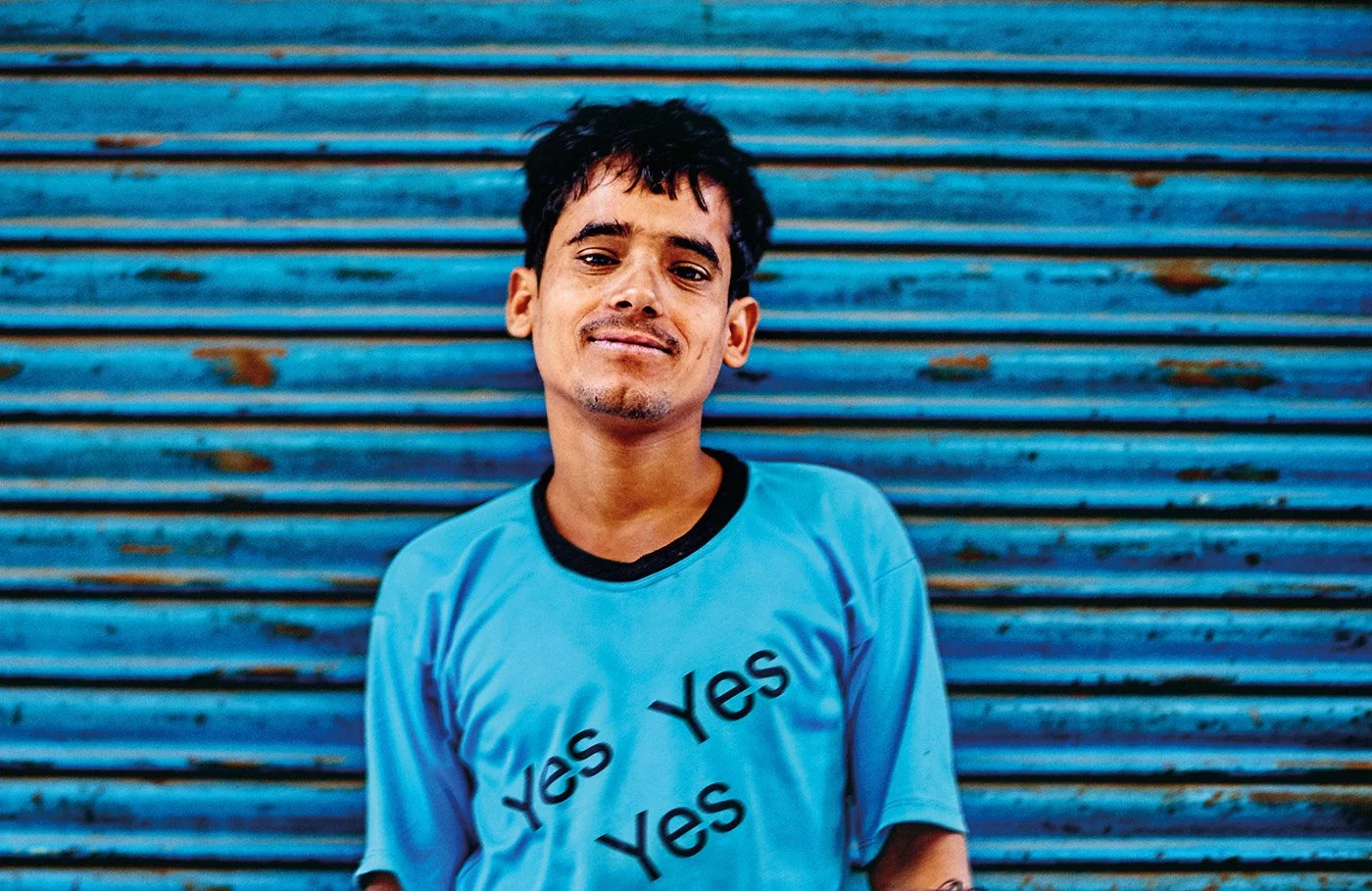
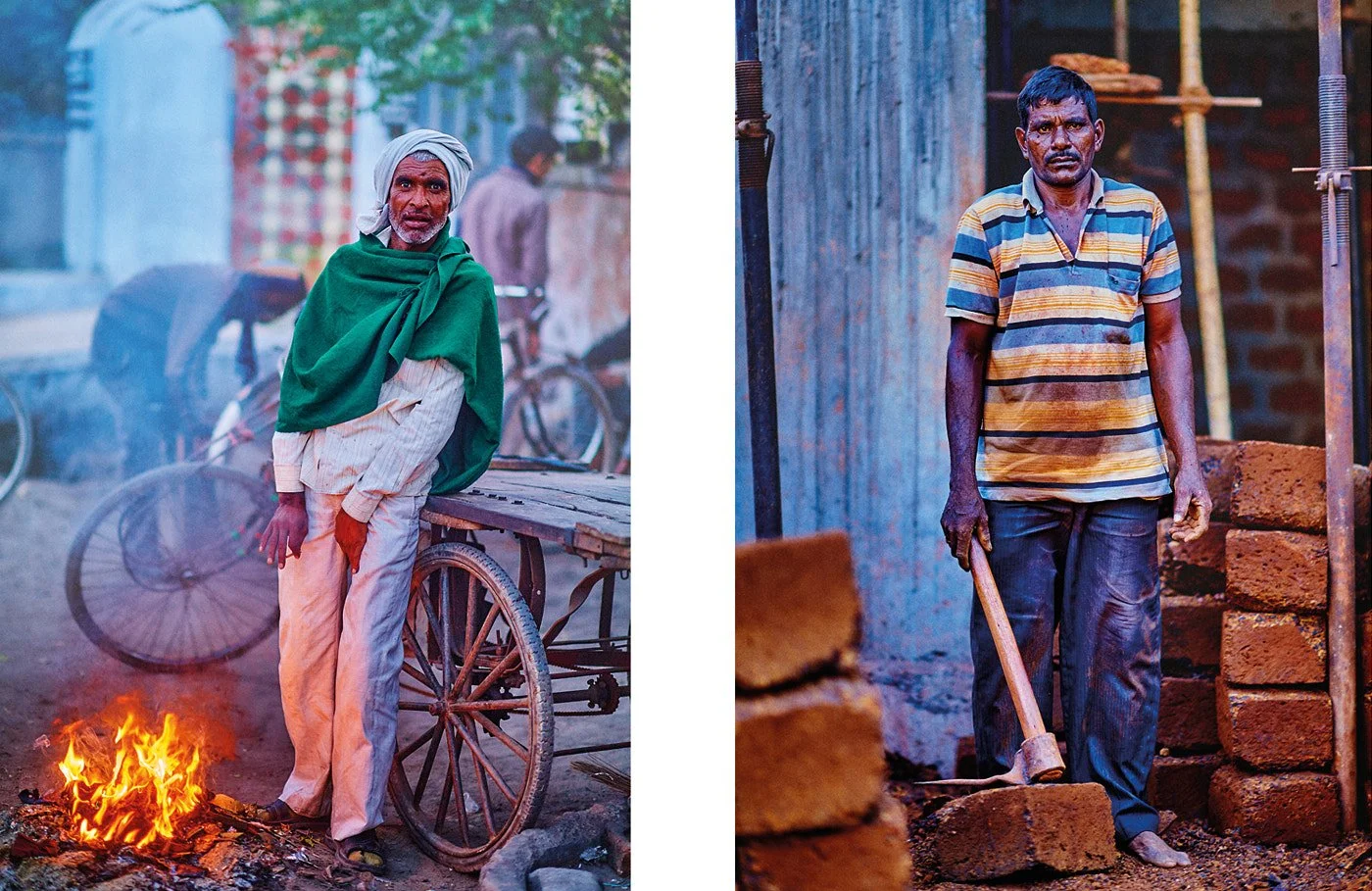
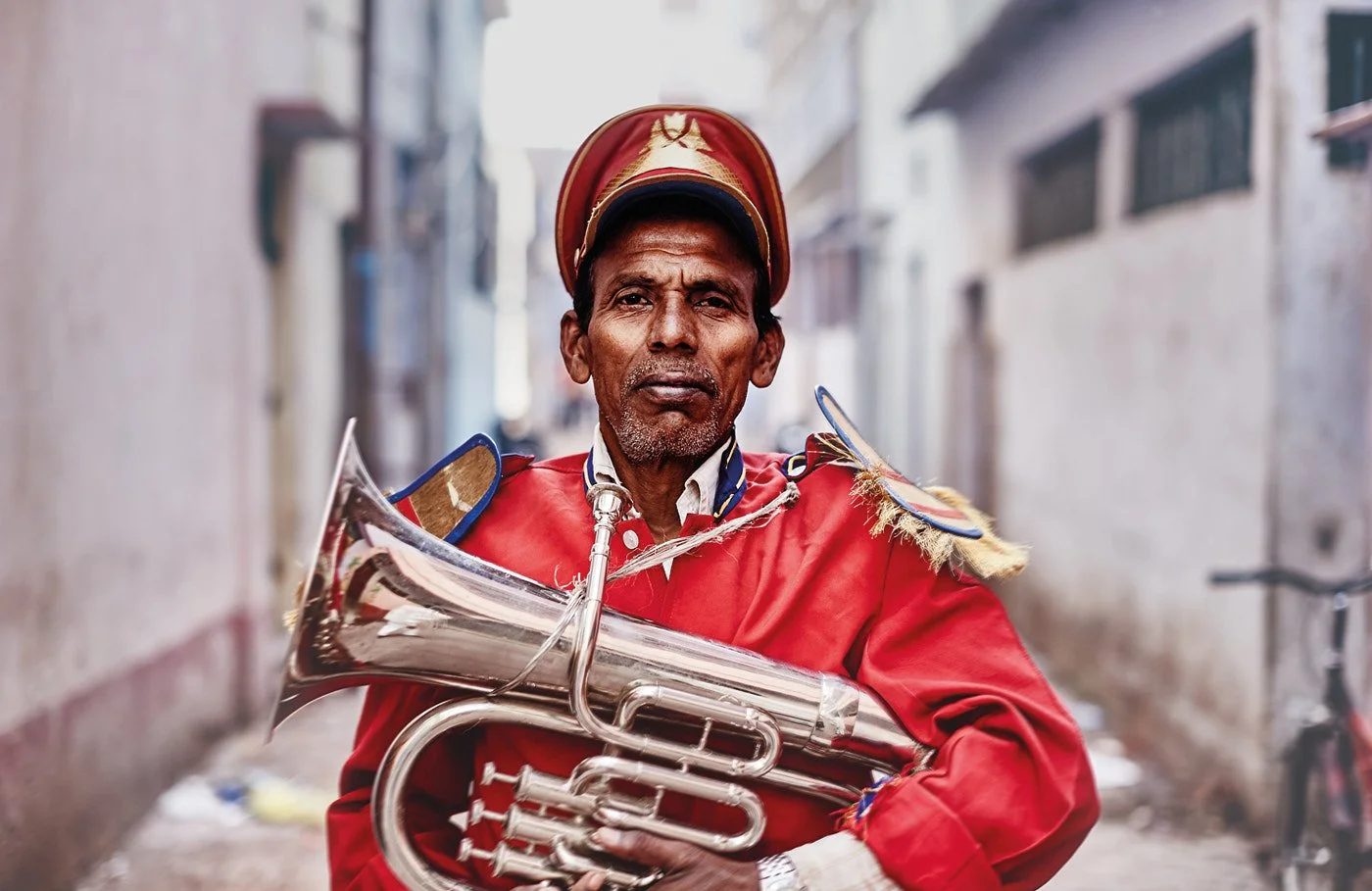
While walking through the streets of India, I often had the impression that I was in a mans world, as I saw very few women out and about. This was a strong contrast from the places I had visited before. I wondered why this was the case. In some parts of India, the sex ratio is as low as 879 females per 1000 males, which reinforces the impression of male dominance. This gender imbalance can be attributed to several factors, including a strong preference for sons over daughters. Unfortunately, this preference has led to practices such as female feticide and infanticide, which further exacerbate the disparity in the number of males and females in the population.

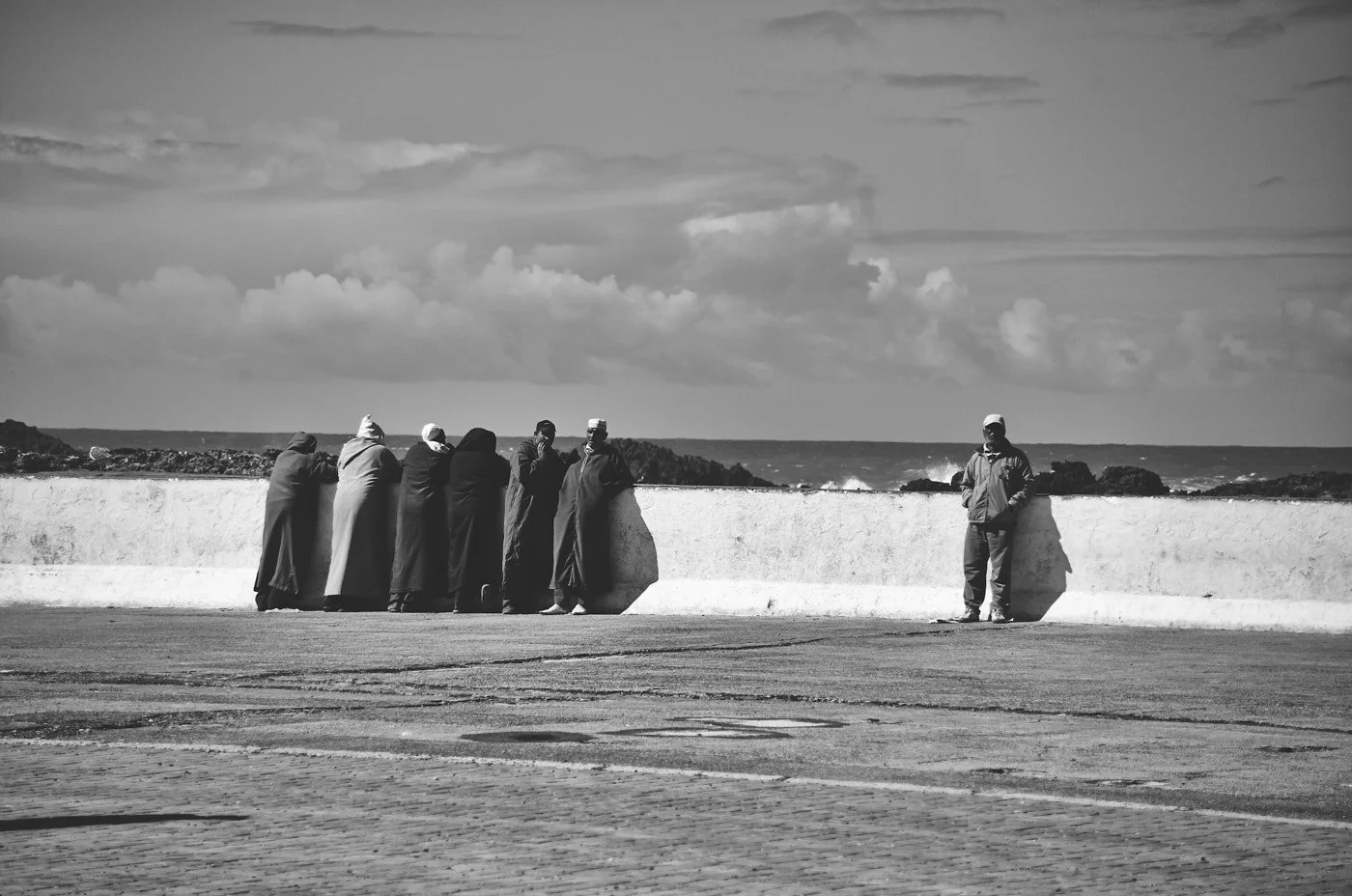
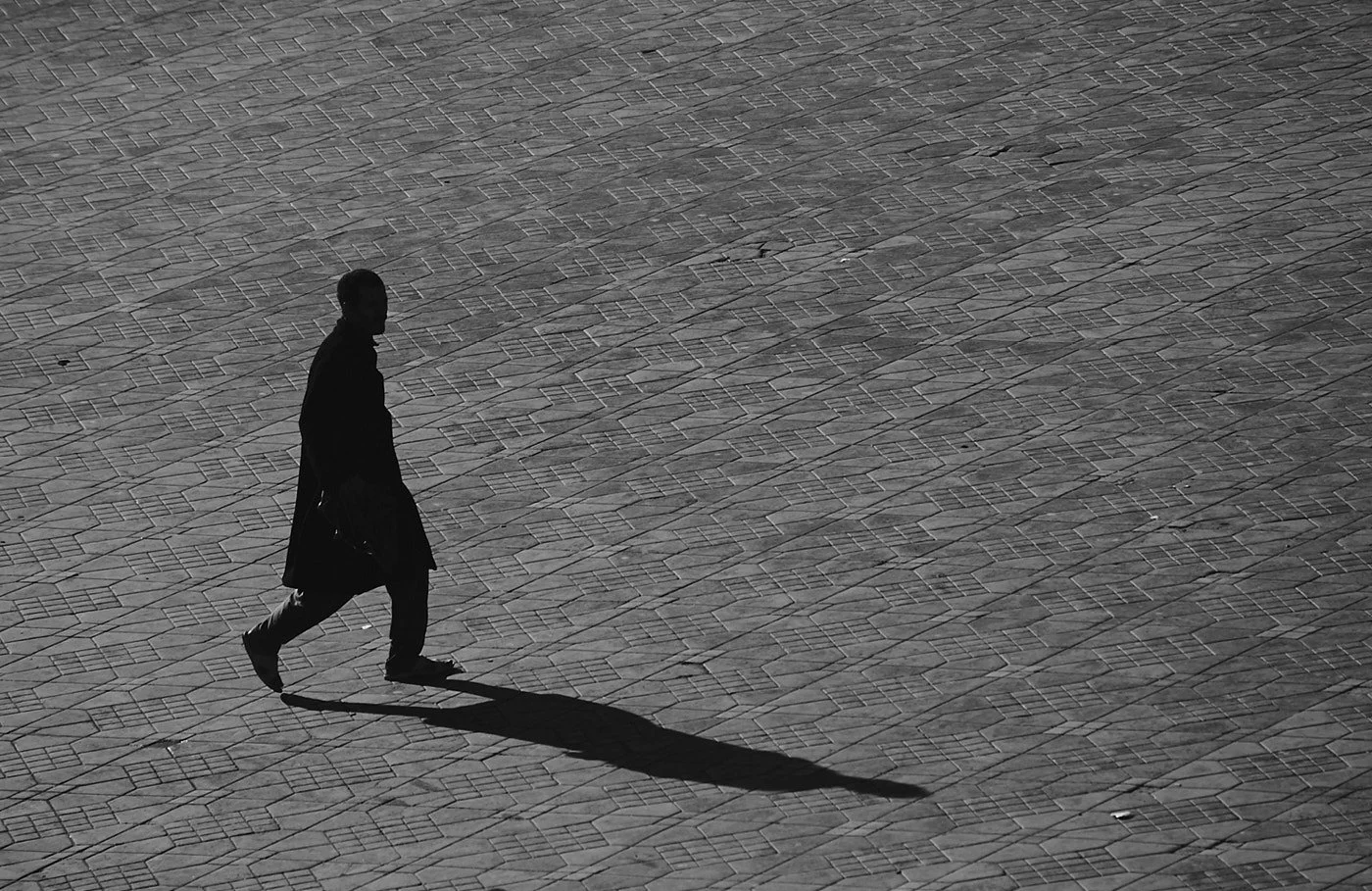
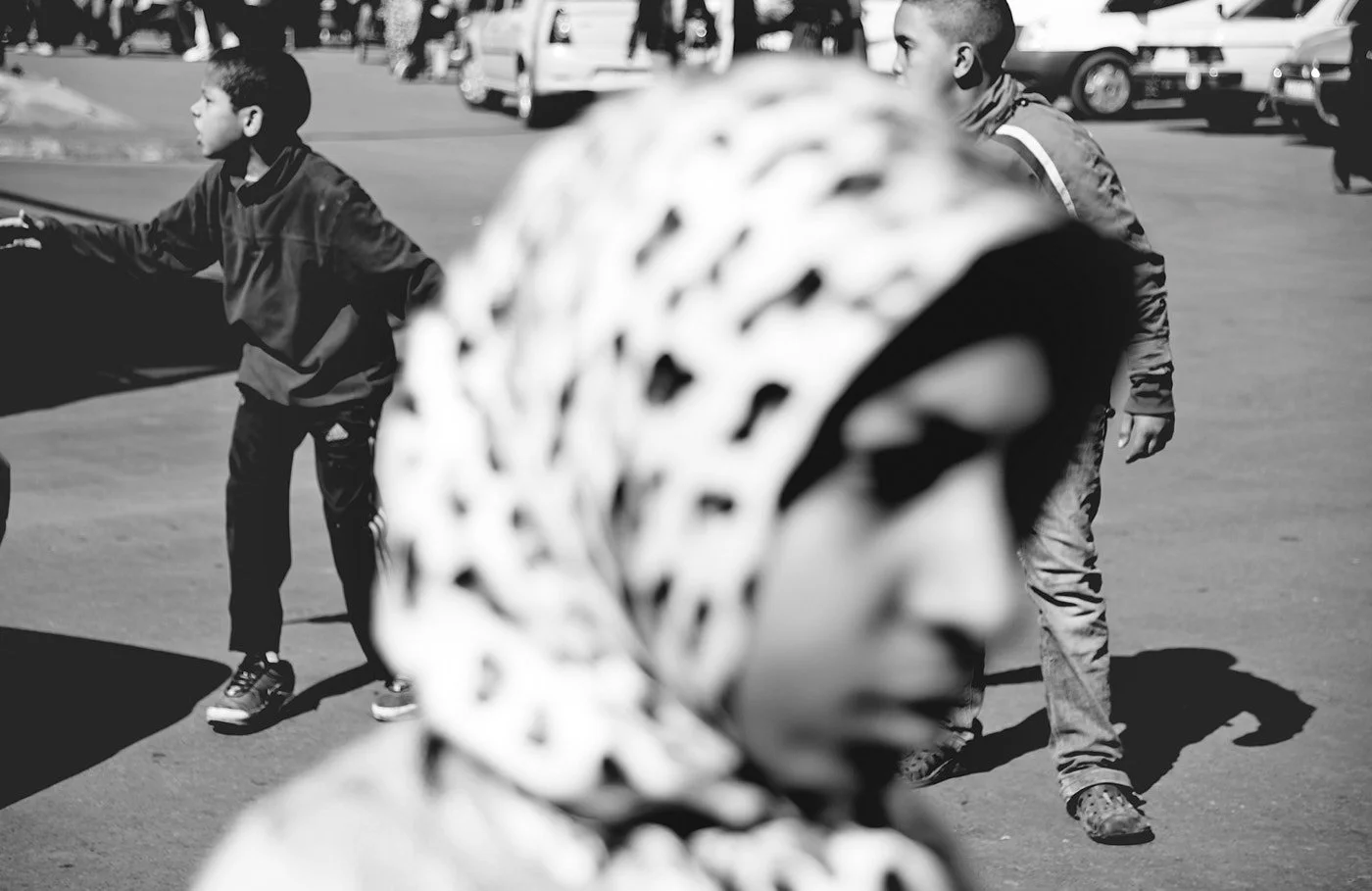
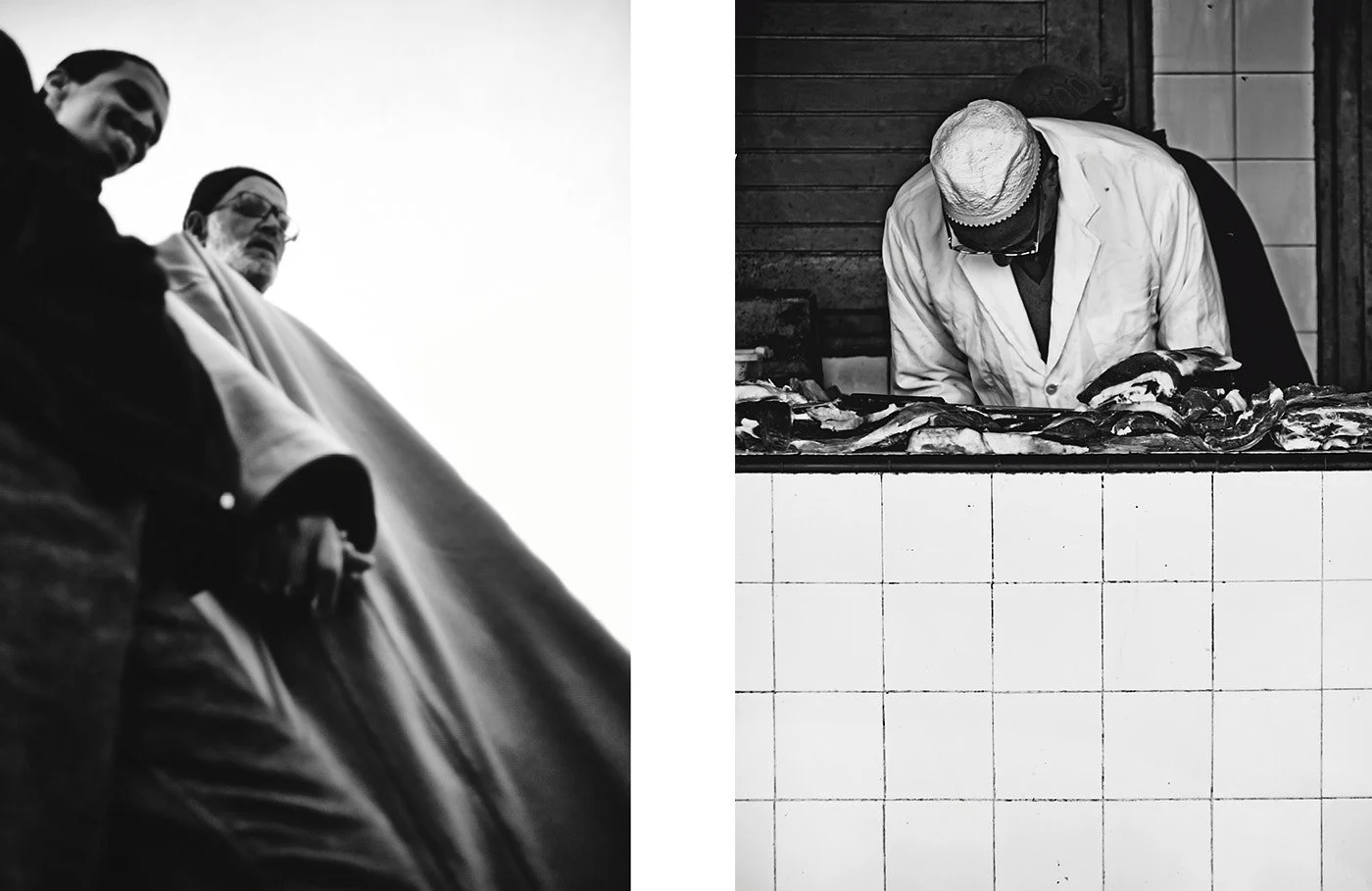
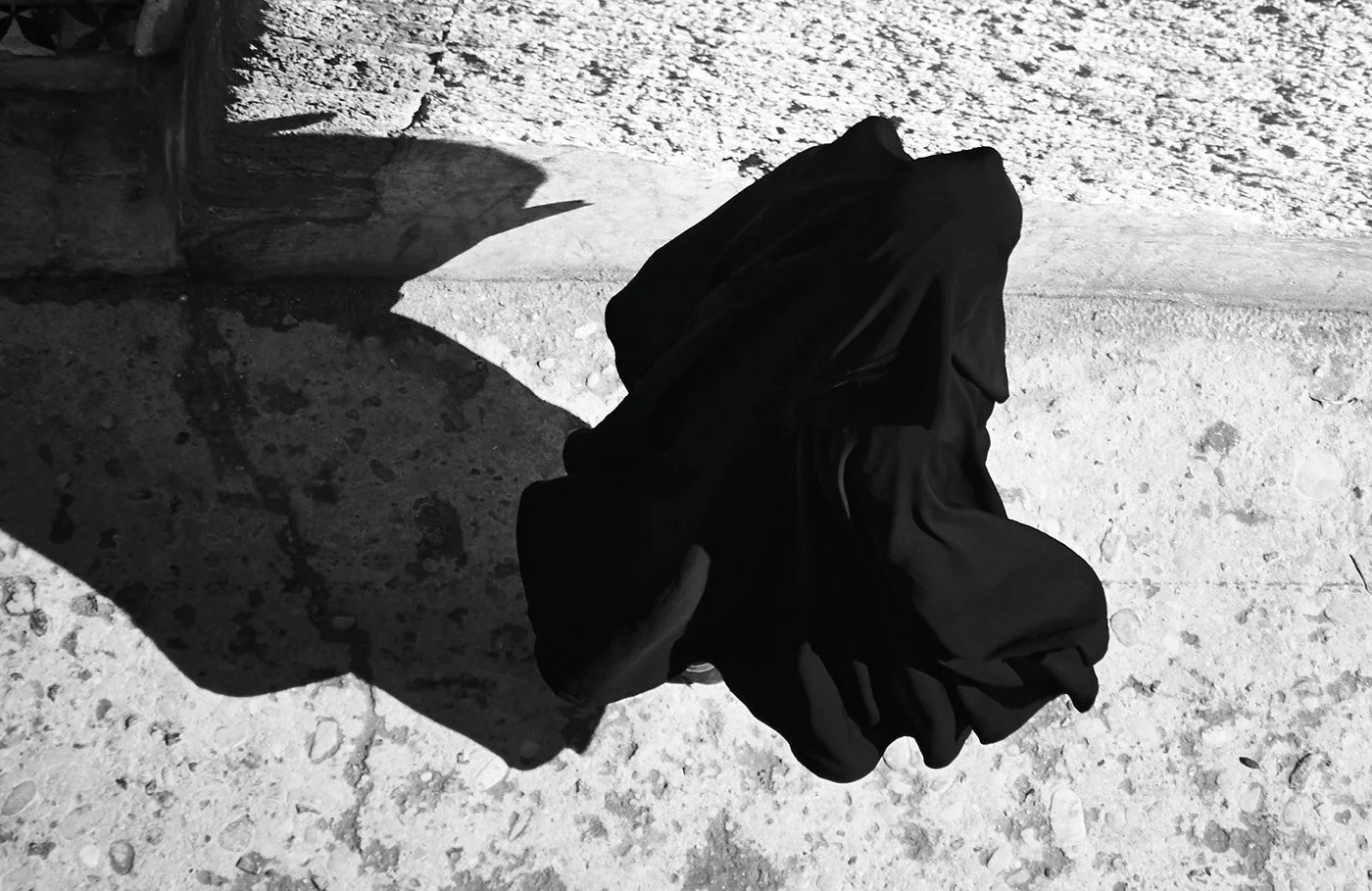
In Morocco, everything felt like light and shadow. Walls split the day into sharp lines, figures drift like ghosts between brightness and absence. The past lingers here, not as memory but as texture — carved in stone, dust, and silence. I move through it as an outsider, collecting fragments as if walking a museum that never closes. What remains is contrast: presence and disappearance, the living and the remembered, all held together by light.

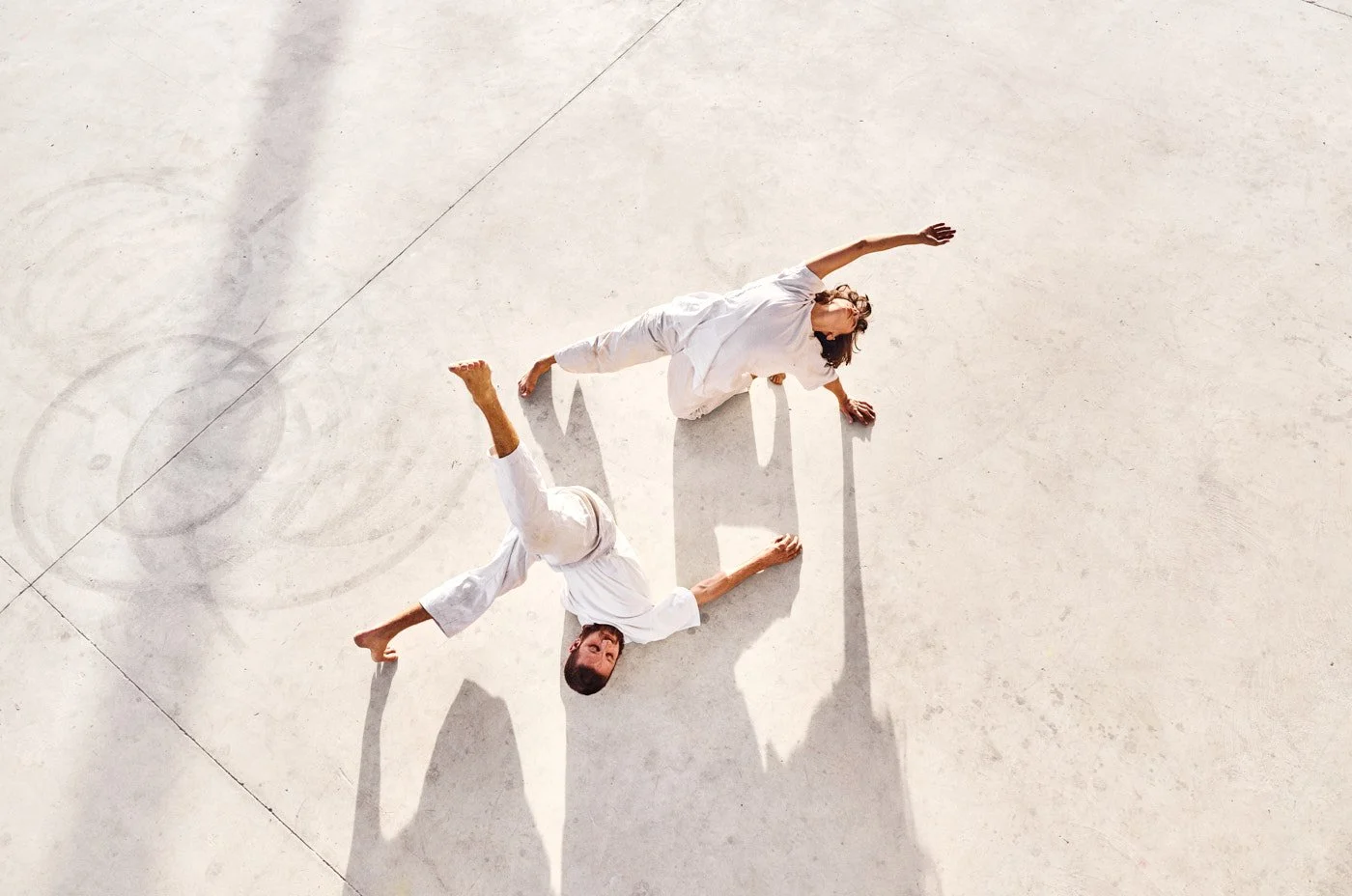
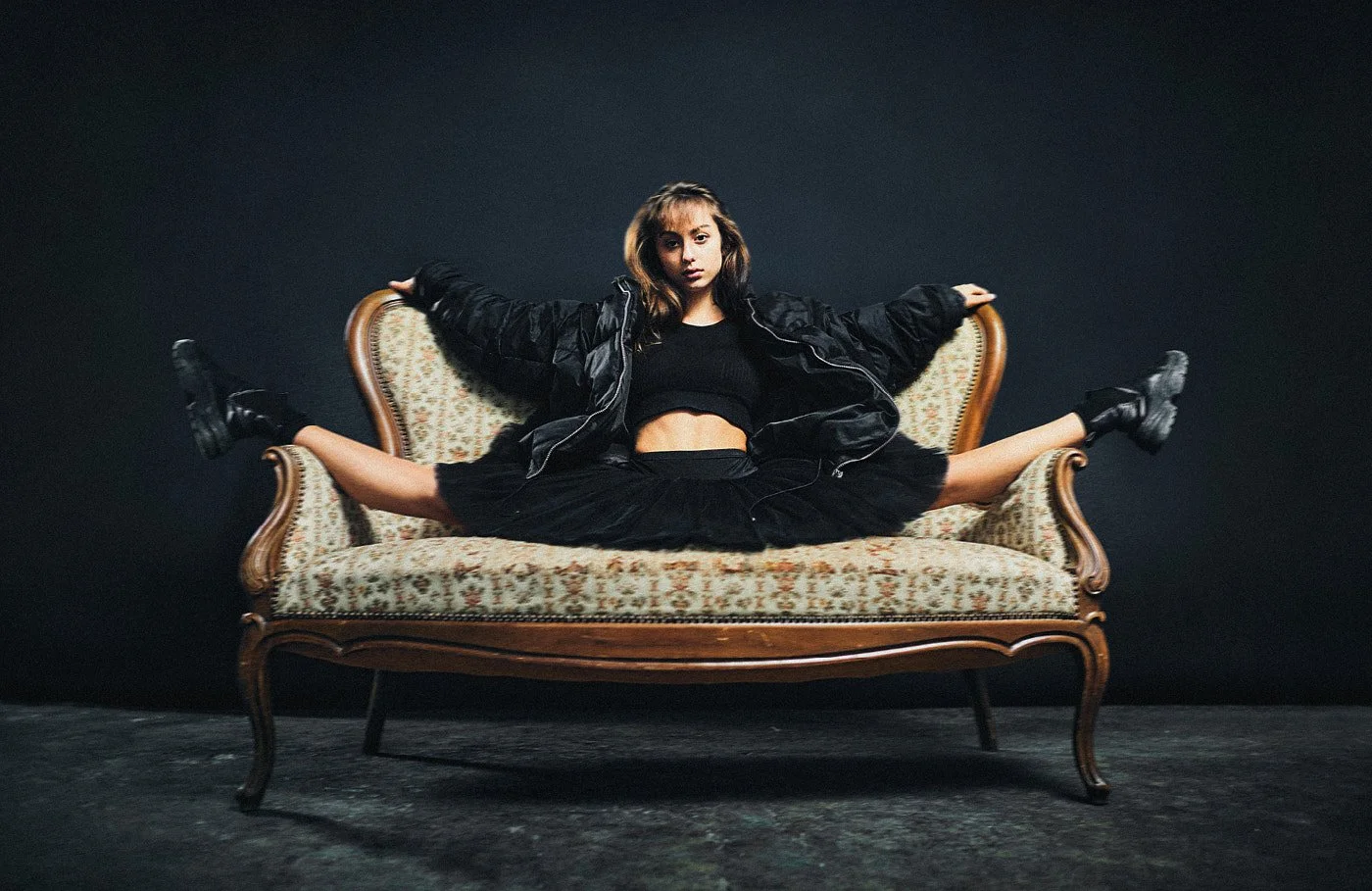
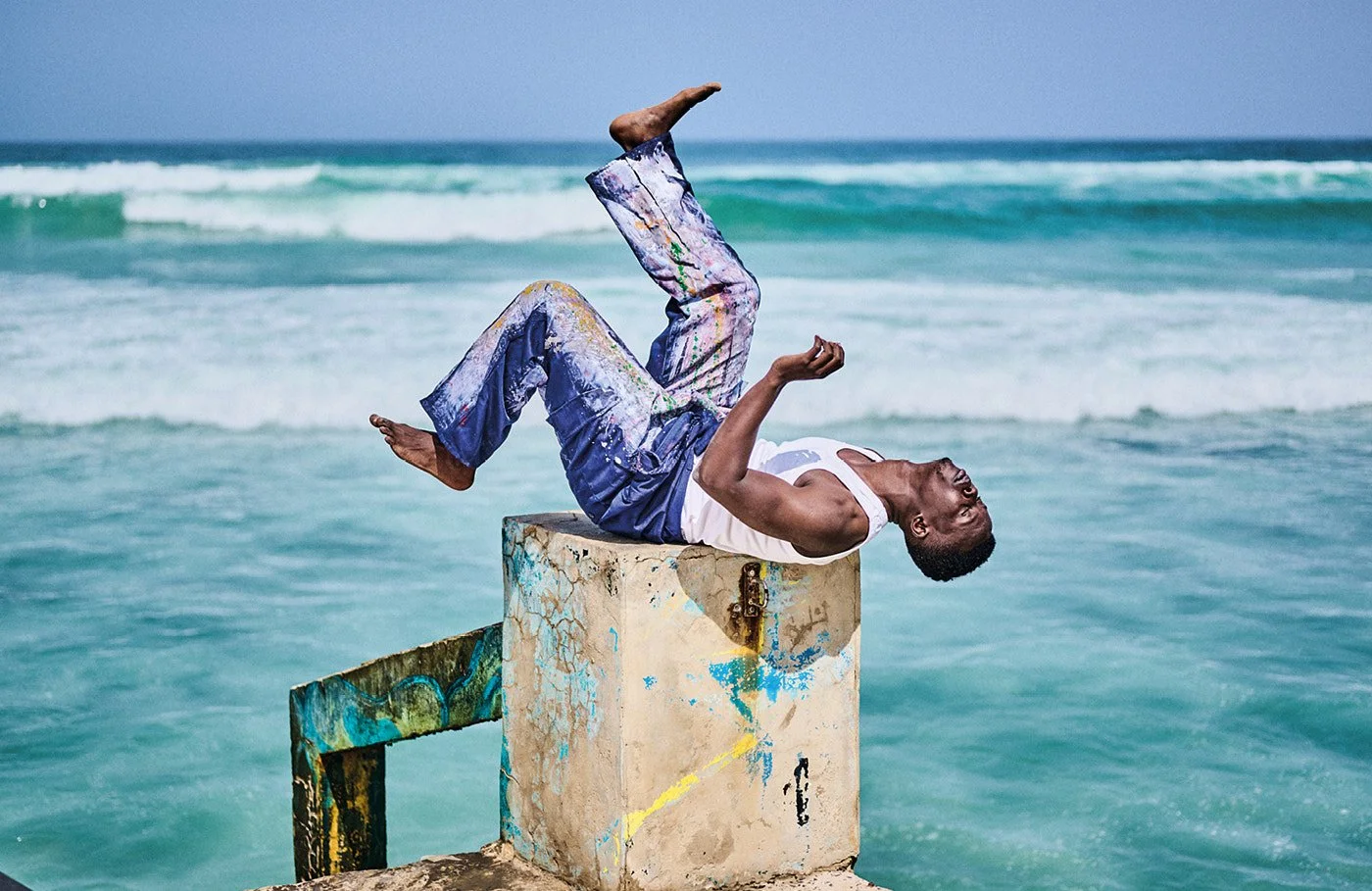
With my camera I try to hold on to movement, knowing that dance itself can never be held. What remains are echoes— images that transform the fleeting now into another kind of presence. I admire the courage of dancers who give their bodies fully to the moment. Perhaps I photograph because I long for that same courage—to move simply as it feels, without holding back.

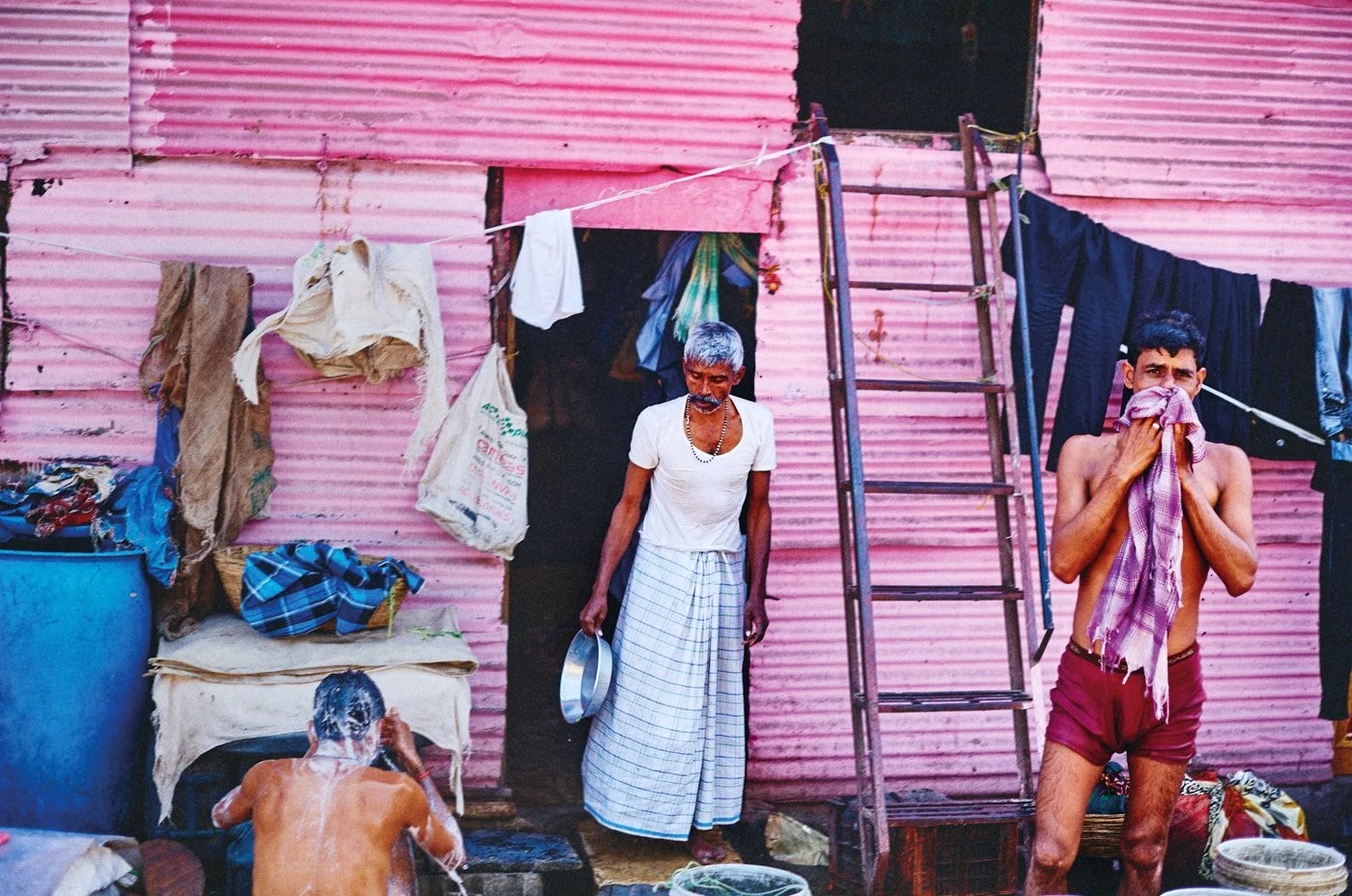
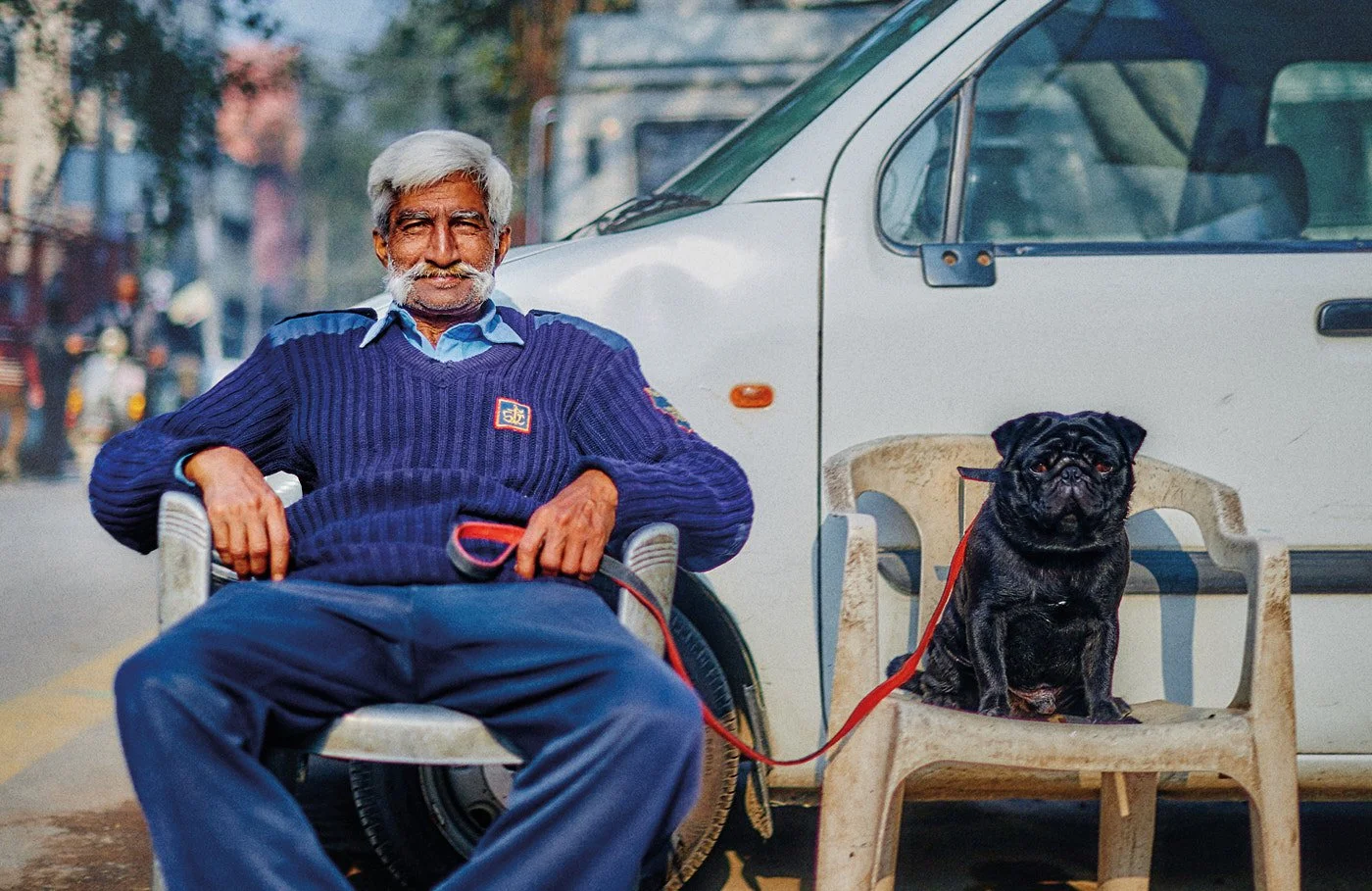
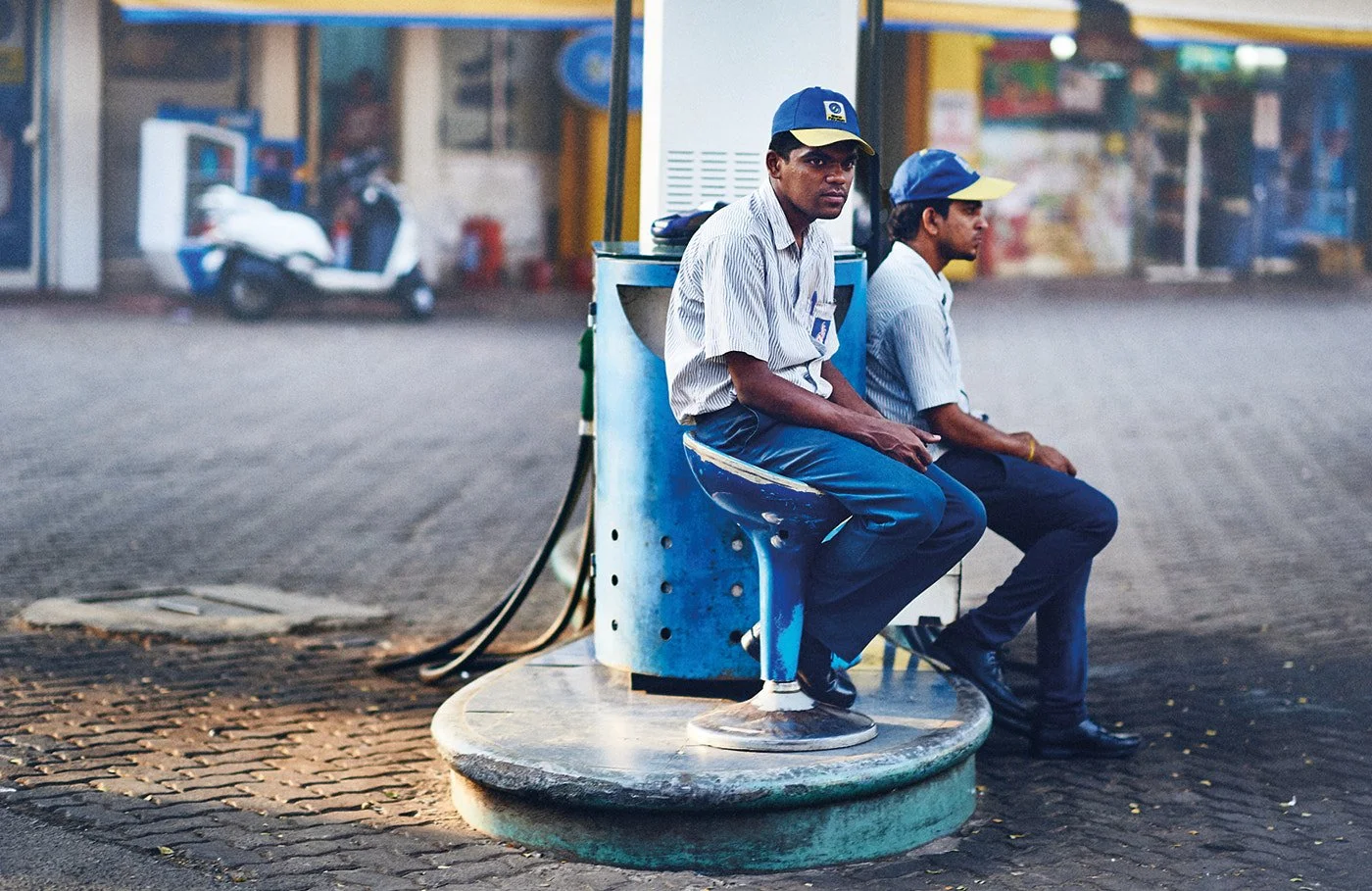
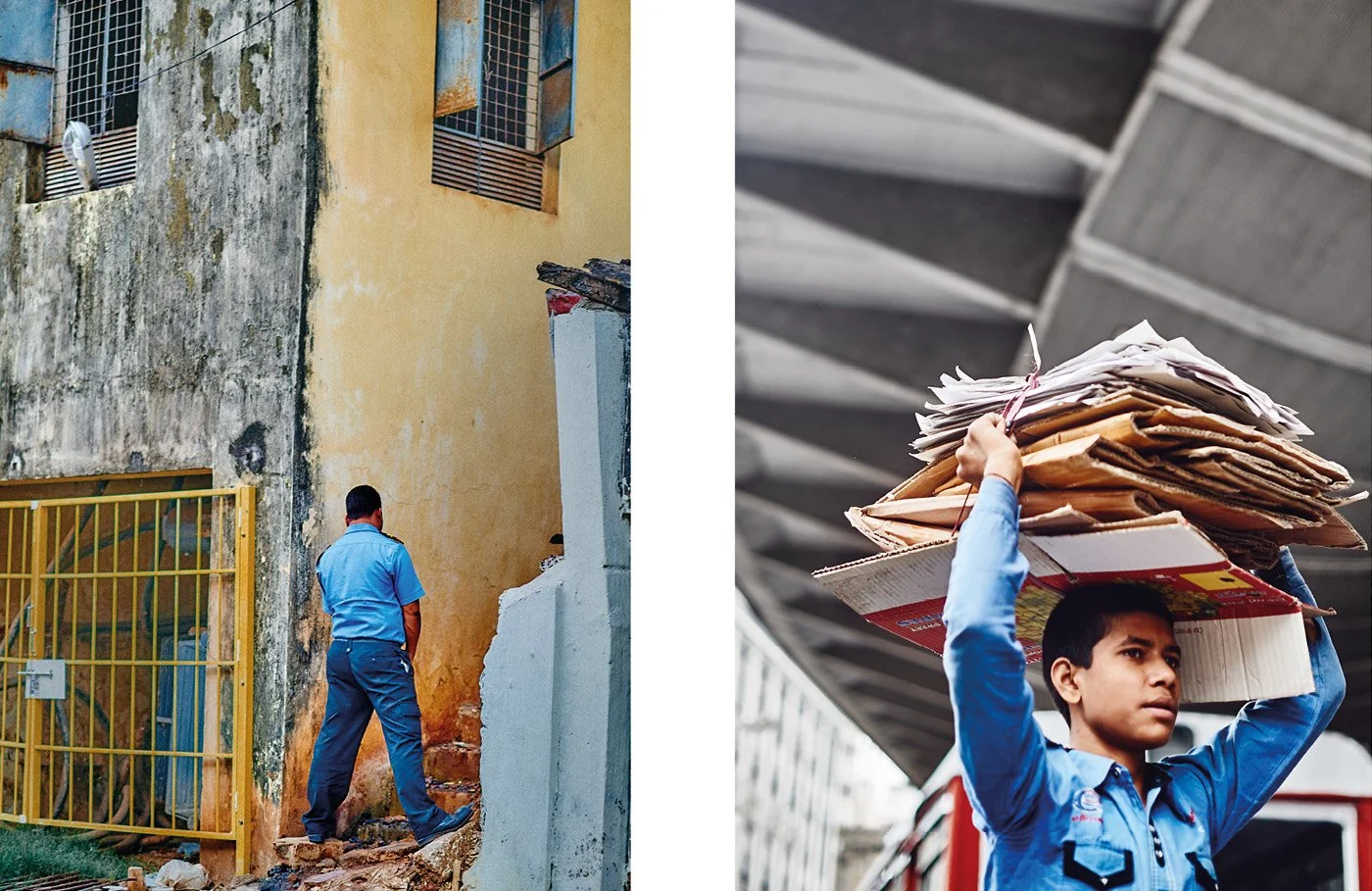
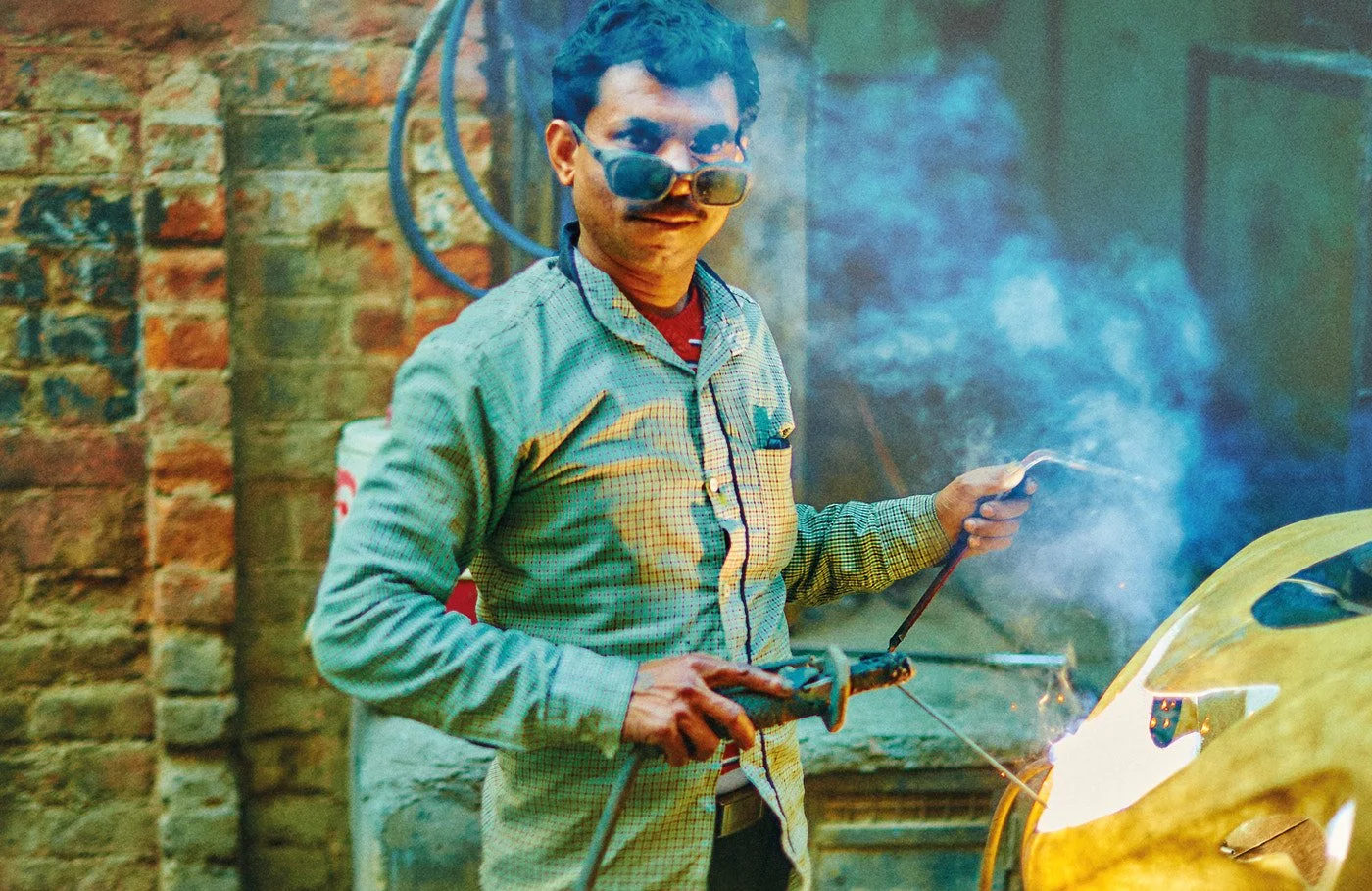
India has become a backdrop for escape — yoga retreats, painted sunsets, the idea that joy lives here in its purest form. But beyond the curated silence, reality is different. Work is relentless, conditions often harsh, and life carries the same weight as anywhere else. Joy exists, yes — but so does struggle. To see only one is to miss the truth.

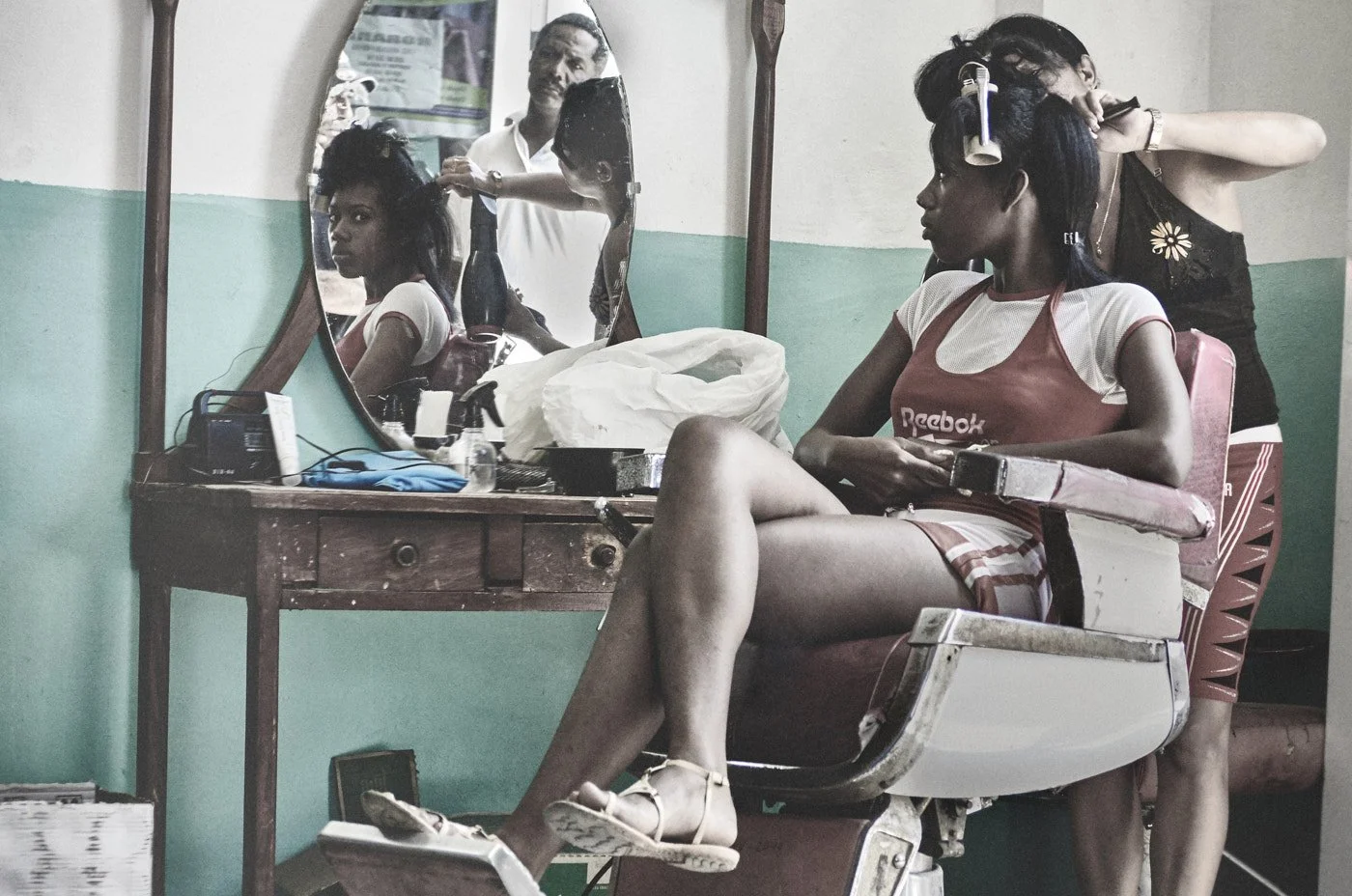
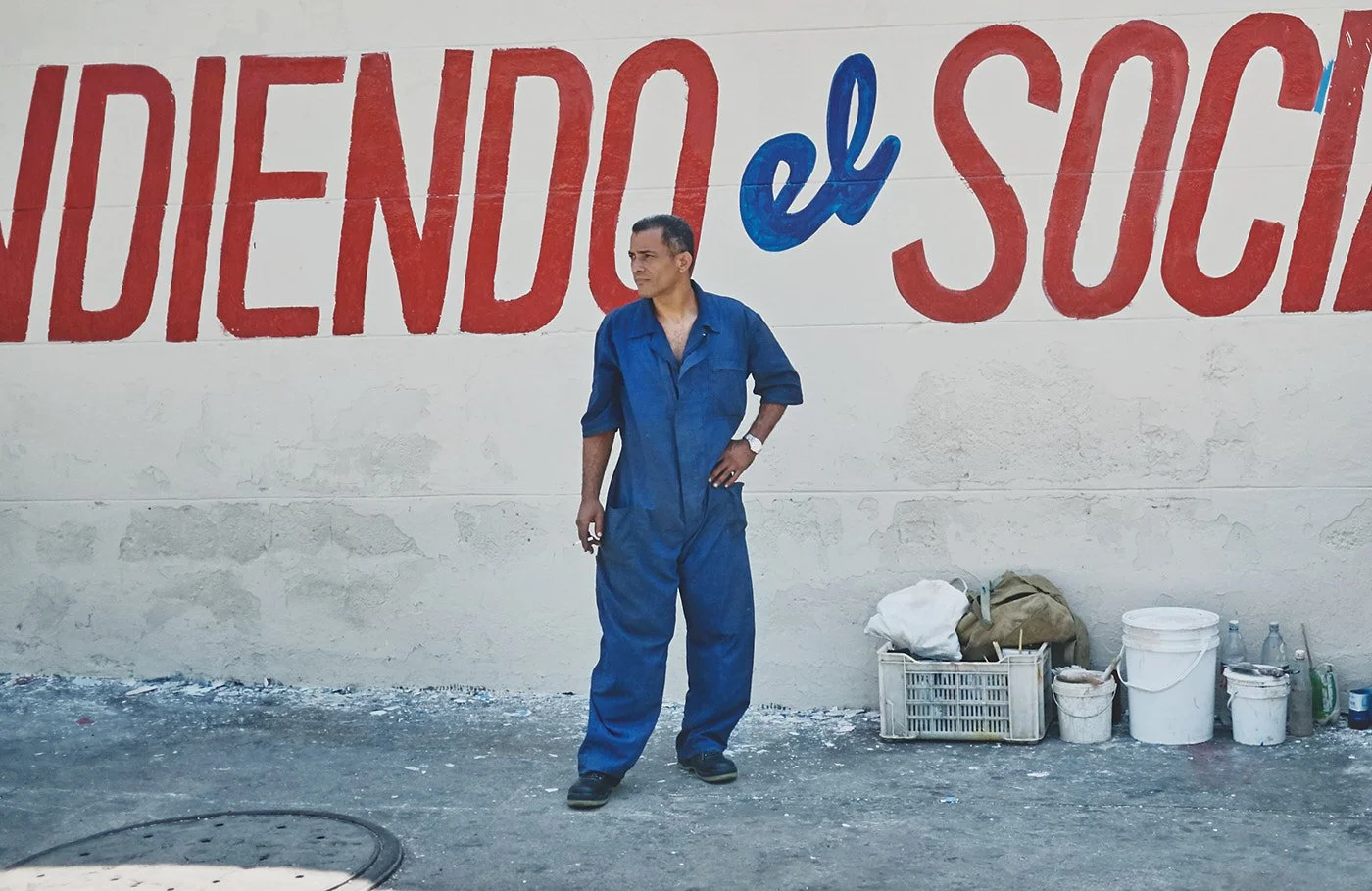
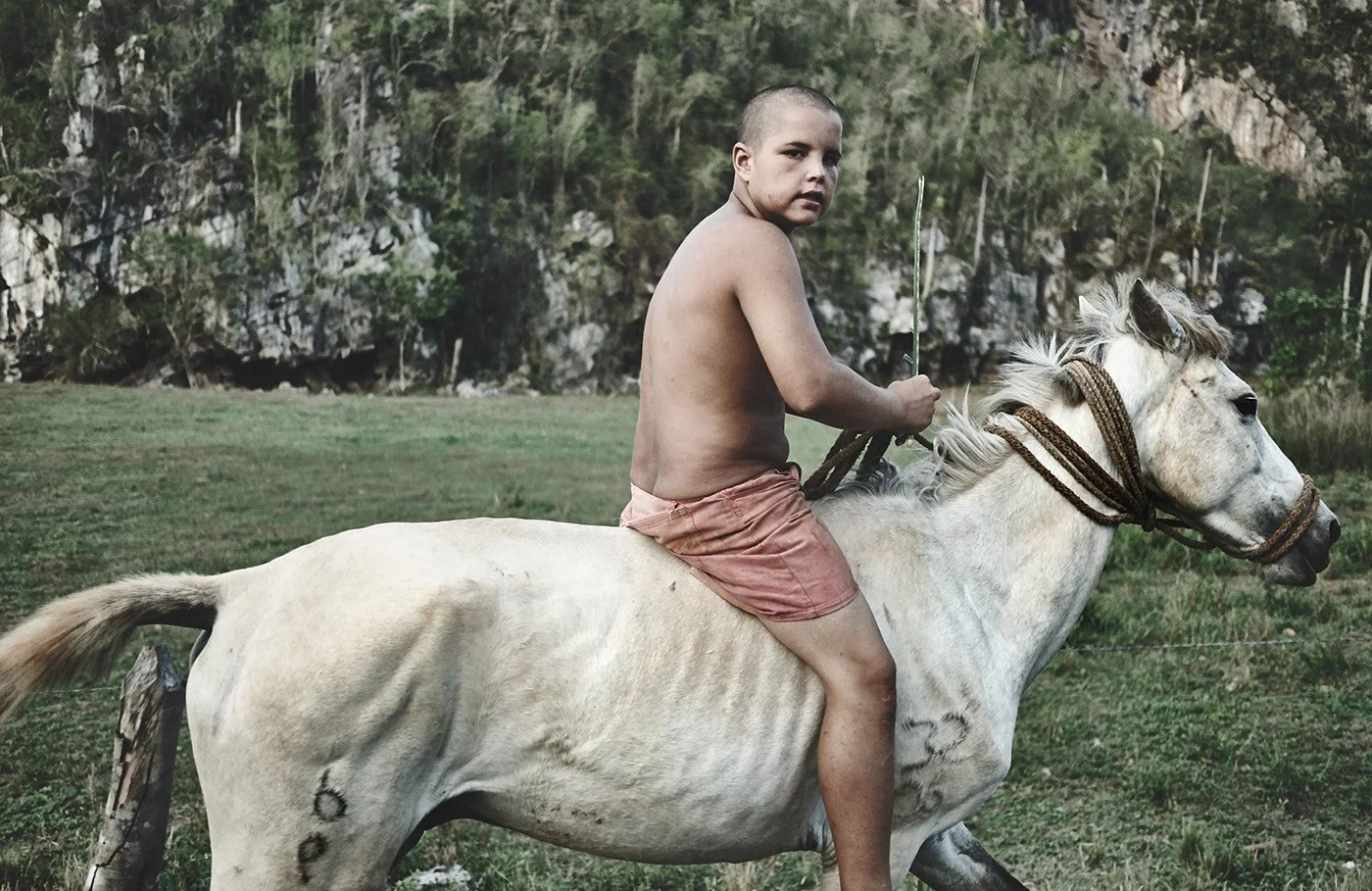
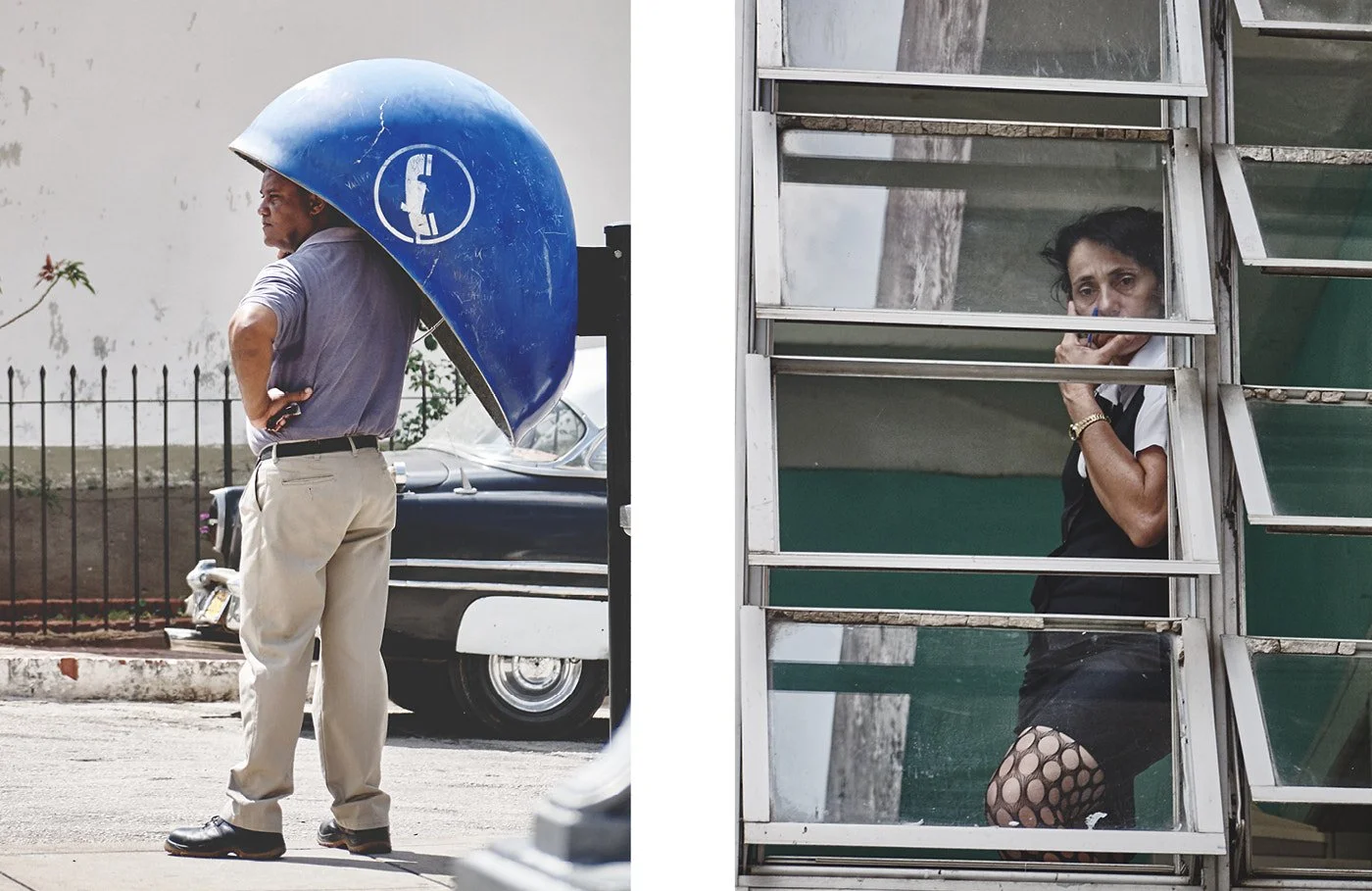
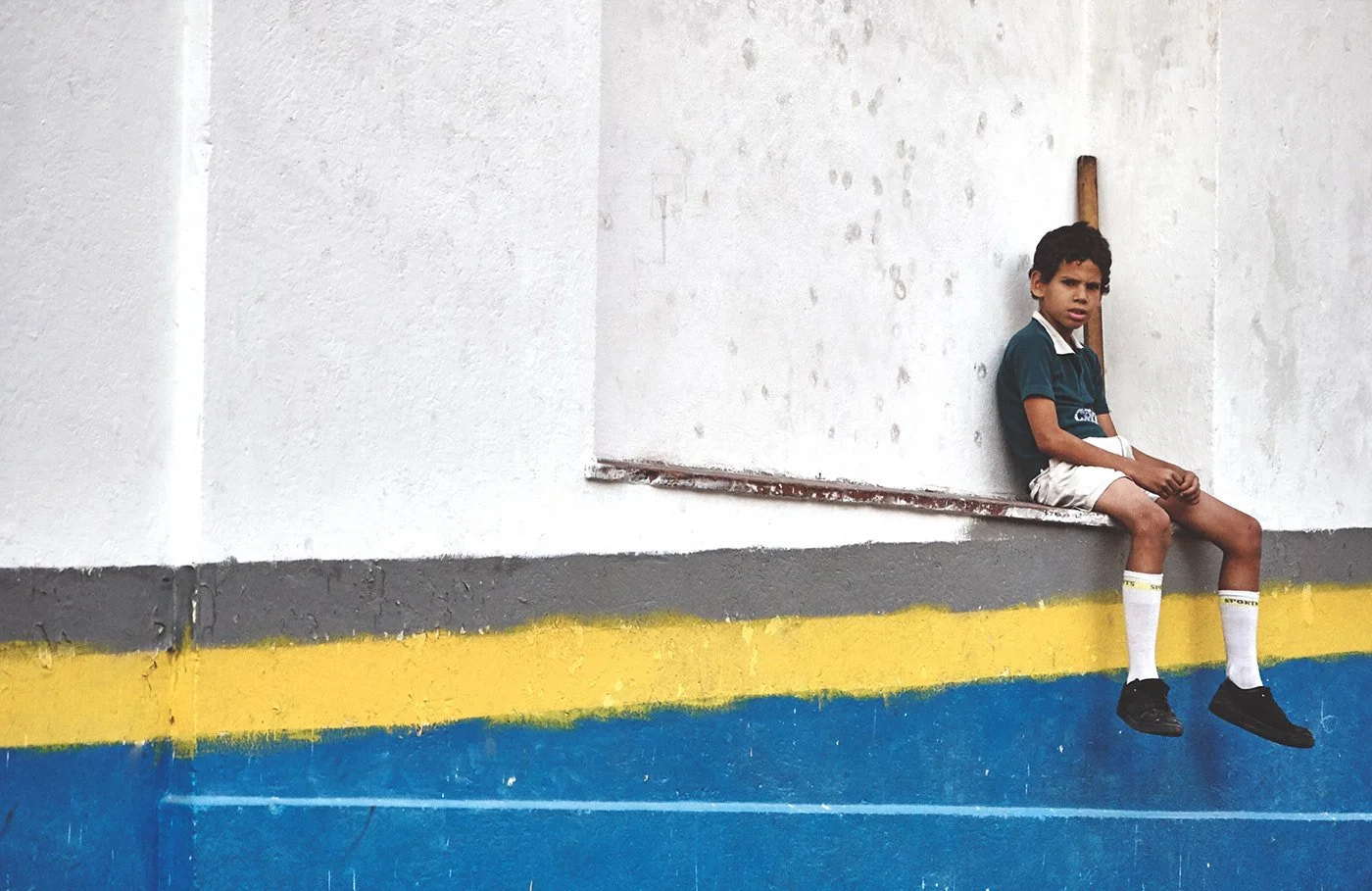
I came to Cuba in 2011 to document a film, but quickly turned my lens to the streets. Everyday life drew me in—small routines, fleeting encounters. Photography is always a balance between fascination and projection, and in Cuba this became clear: warmth and rhythm on one side, cracks and silences on the other. What struck me most was how much of myself I saw reflected in these encounters. Their openness became a mirror, showing me who I was as much as who they were. The portraits are not just images of others—they are also fragments of my own search. They carry the beauty of human presence, but also the reminder that every act of seeing says as much about the viewer as about the subject.

Paradise is never found, only constructed. We design it like a mirror, the selfie of society—an image of how we want to be seen. Yet in chasing this vision, reality bends, and what emerges is something absurd, fragile, and strangely human.


Music creates feeling faster than anything else. To turn that emotion into images, to give sound a visual form, is what I love. Working on record covers brings music and photography together—and holding the finished vinyl in my hands always feels like holding both art and memory at once.
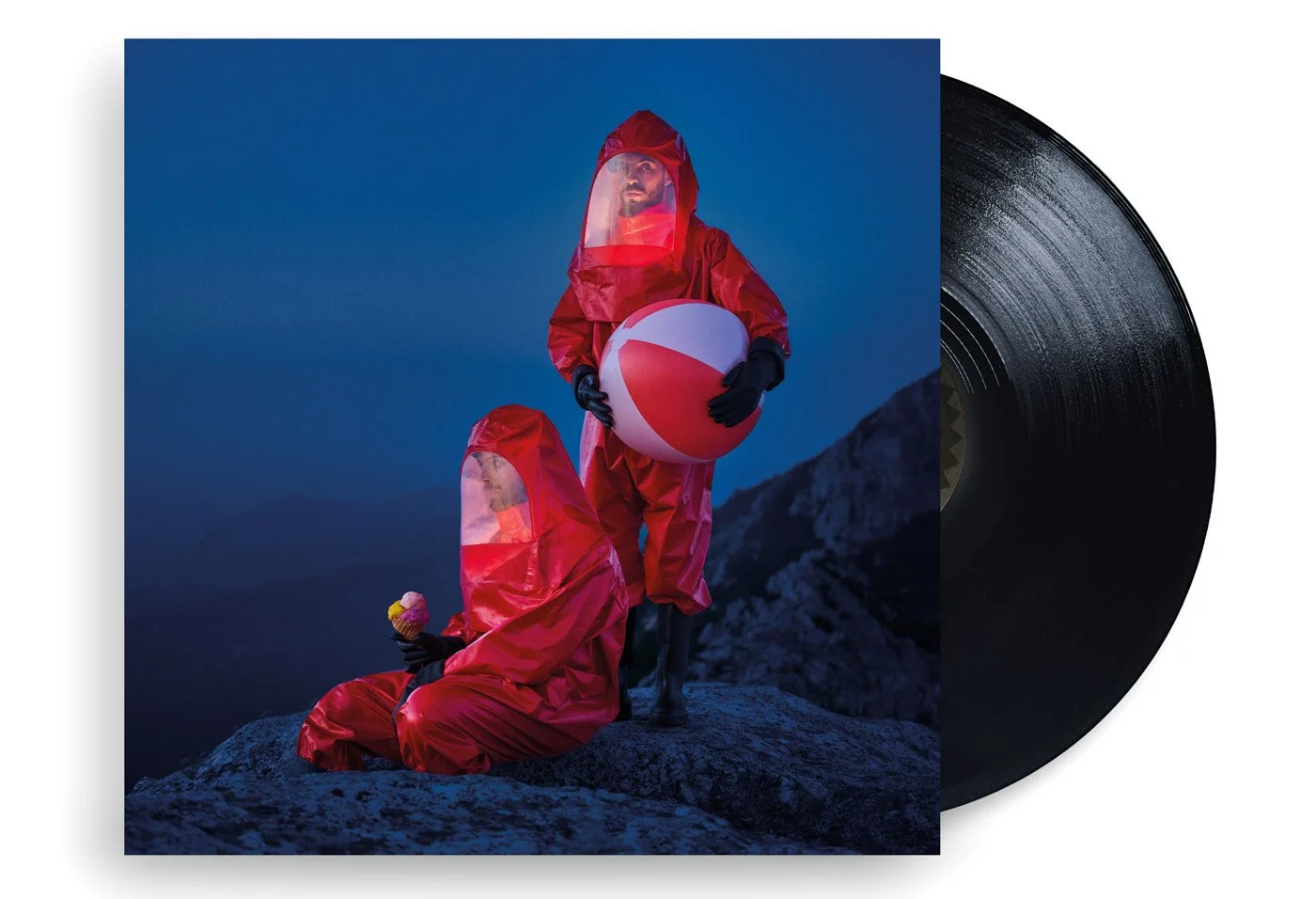
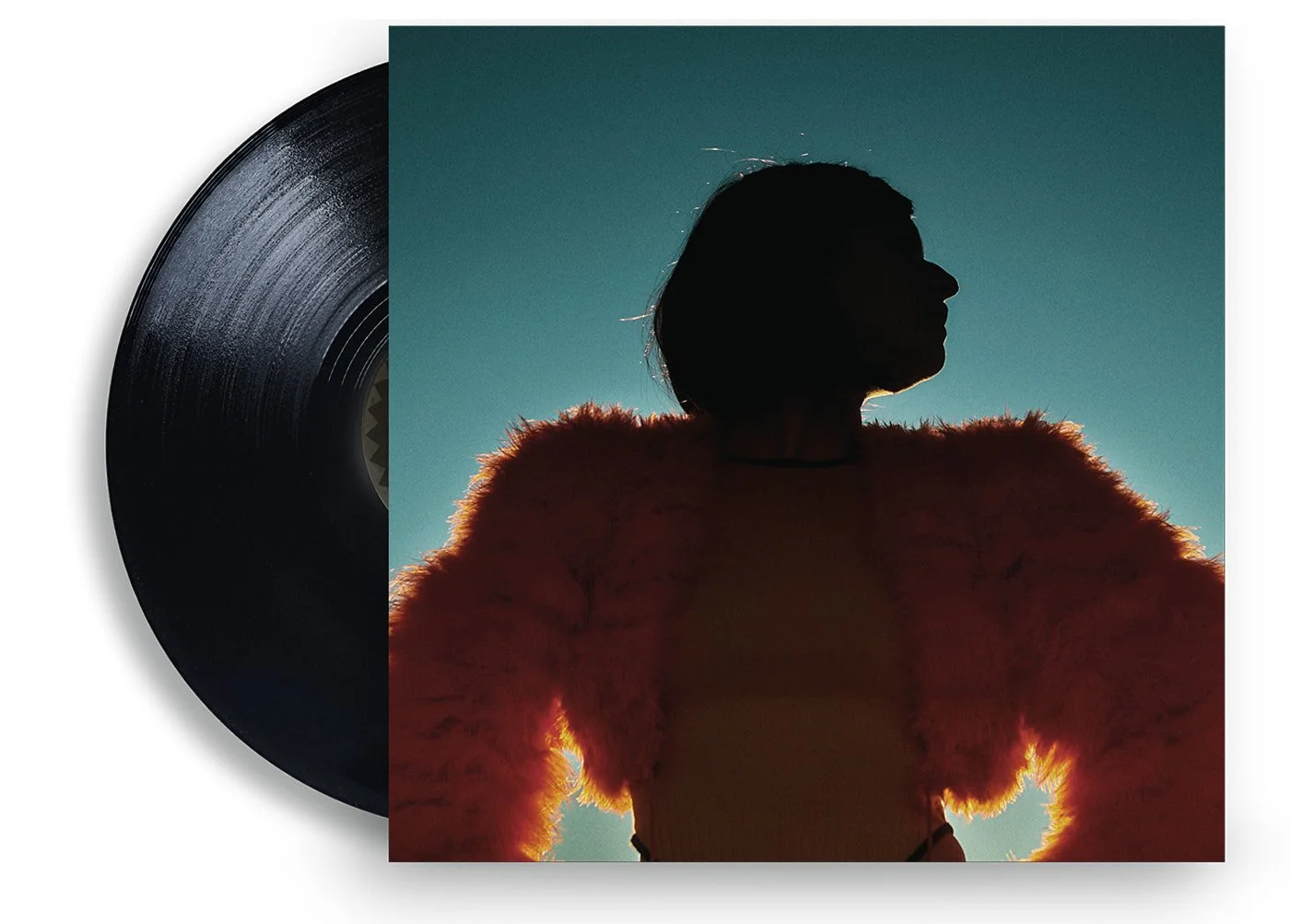
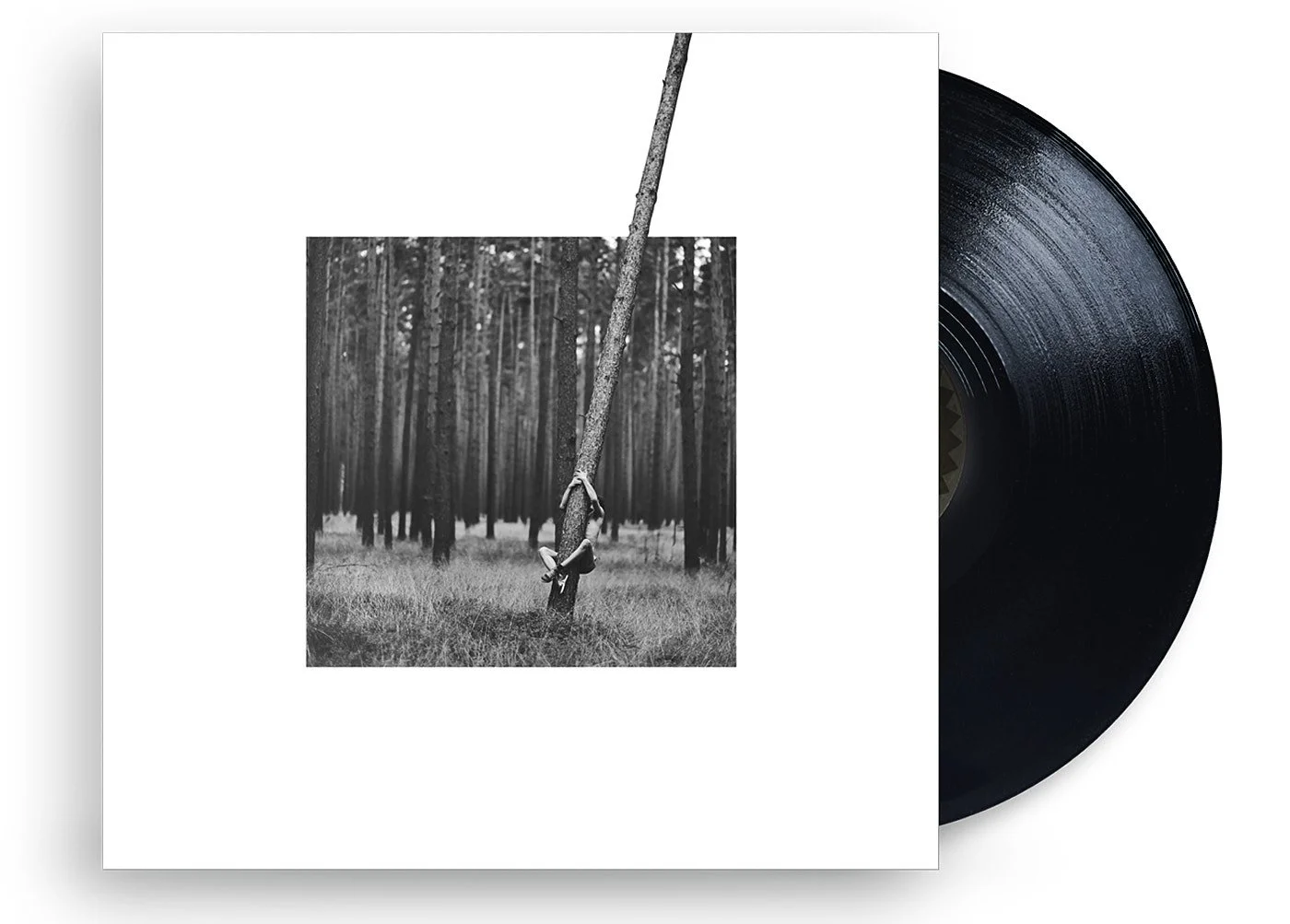
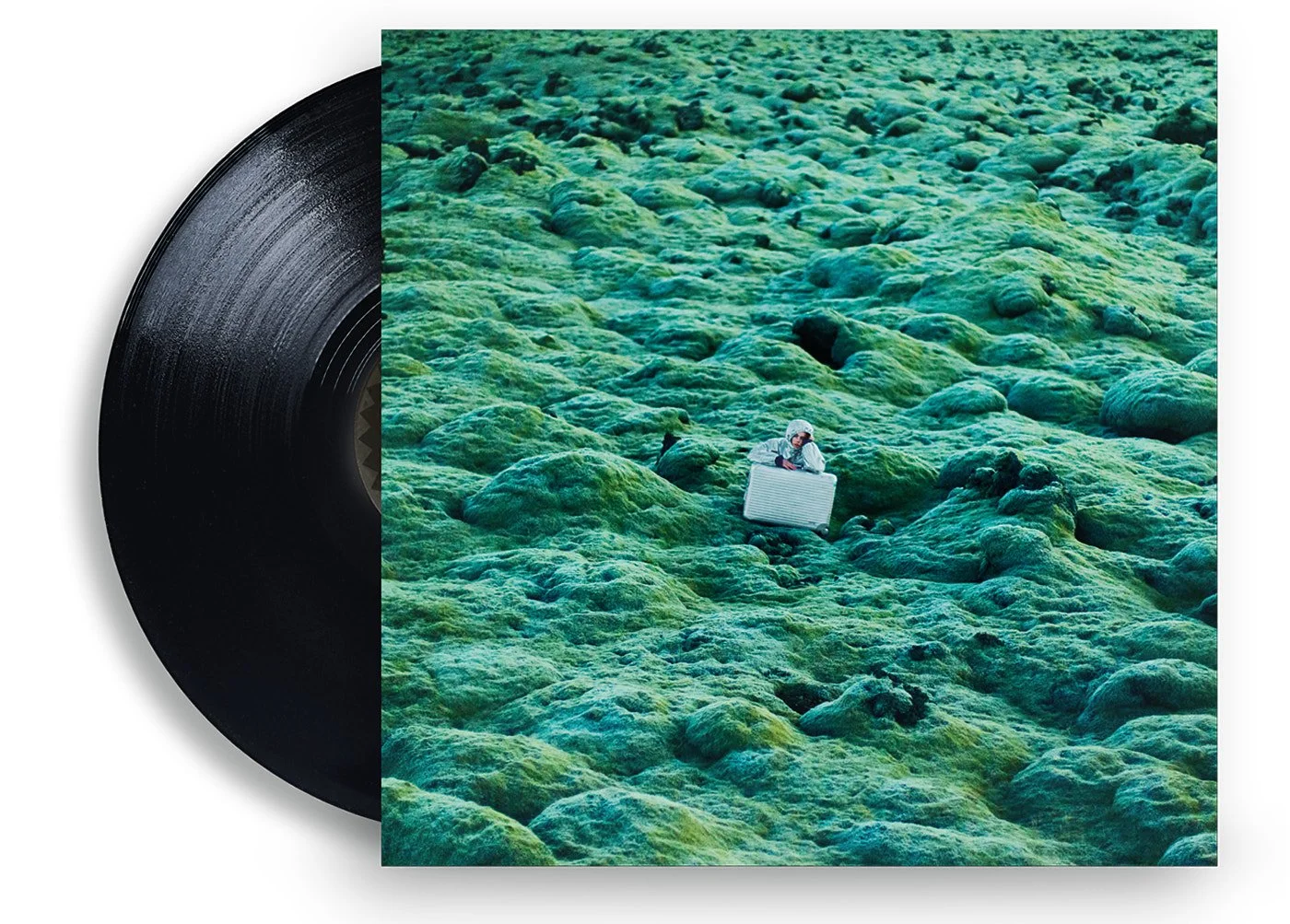
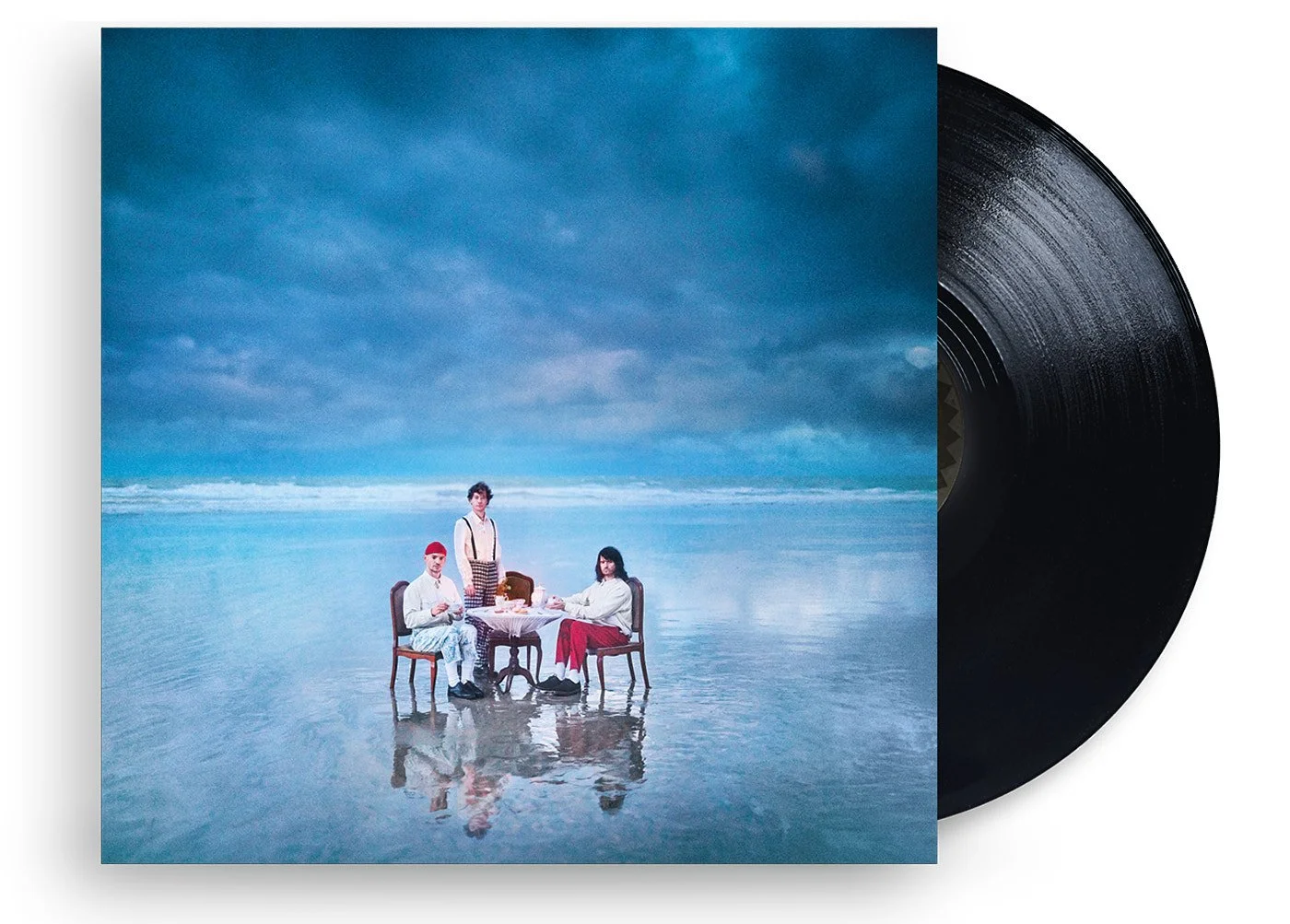

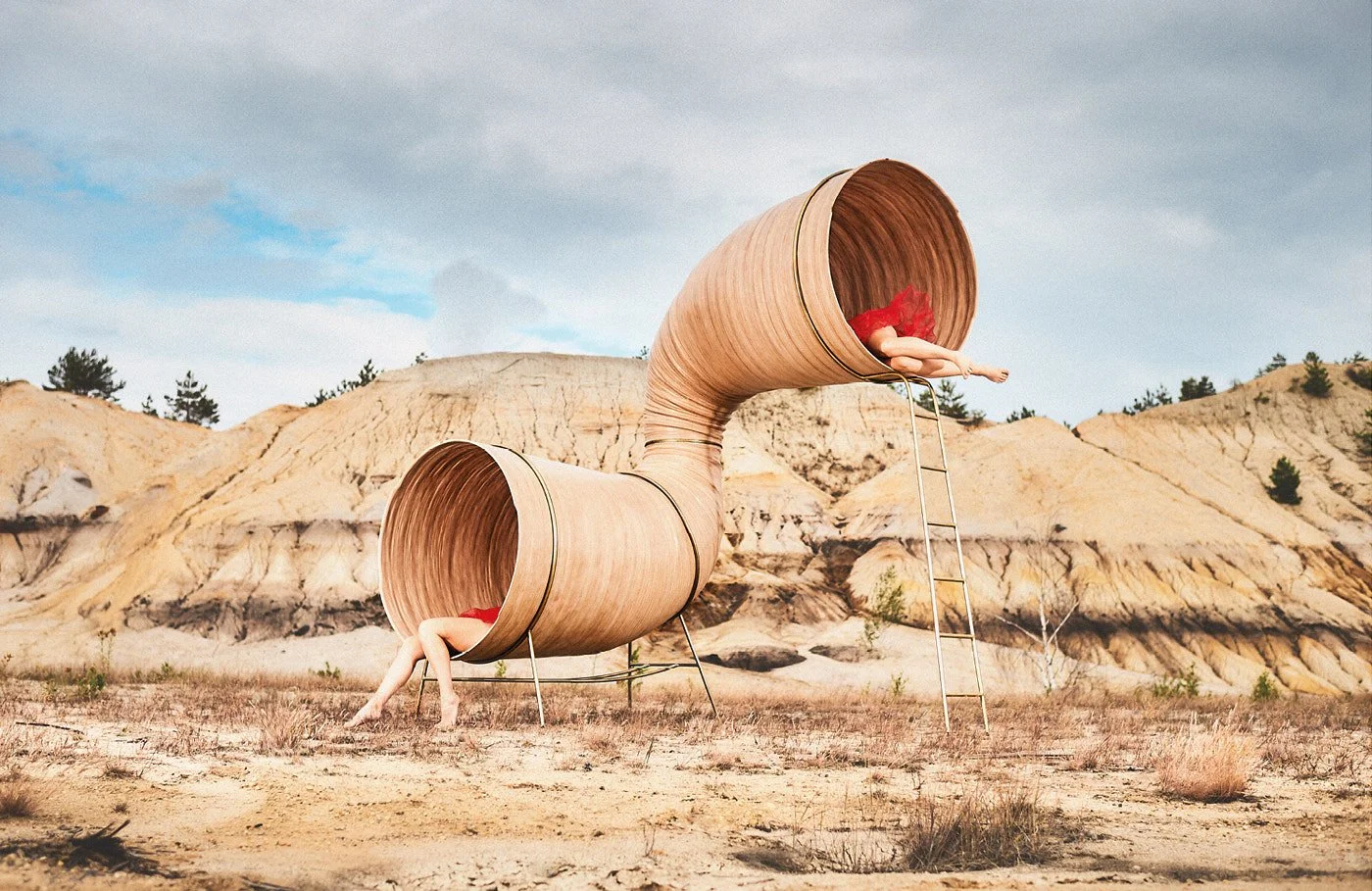
Stay safe. Stay small. Stay quiet. Stay where nothing breaks. Stay where nothing cuts. Stay where the water never rises. Or— Fall hard. Scrape your knees. Swallow water. Lose your way. Get rejected. Get burned. Fail once. Fail again. Fail louder. And get back up.
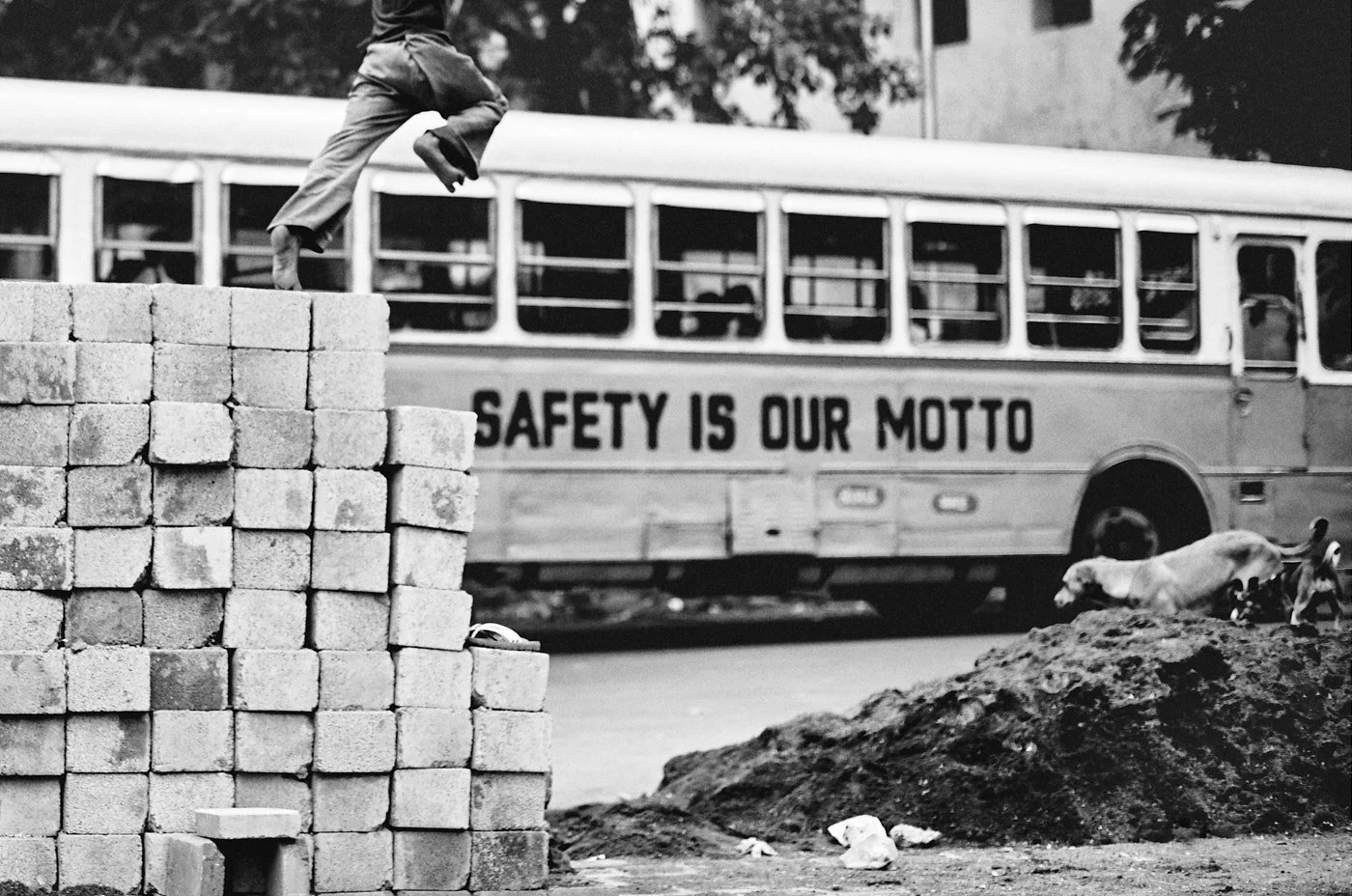
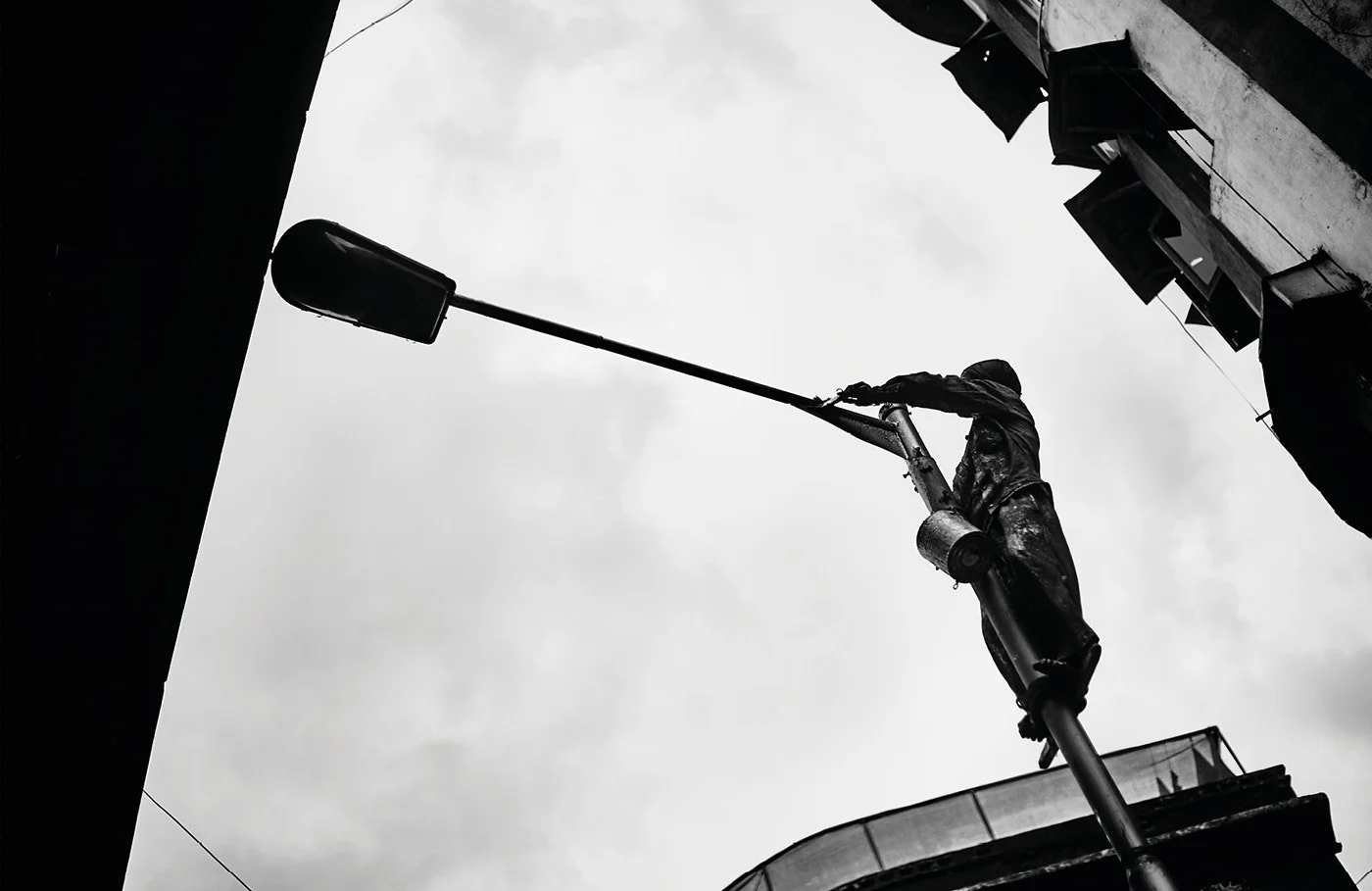
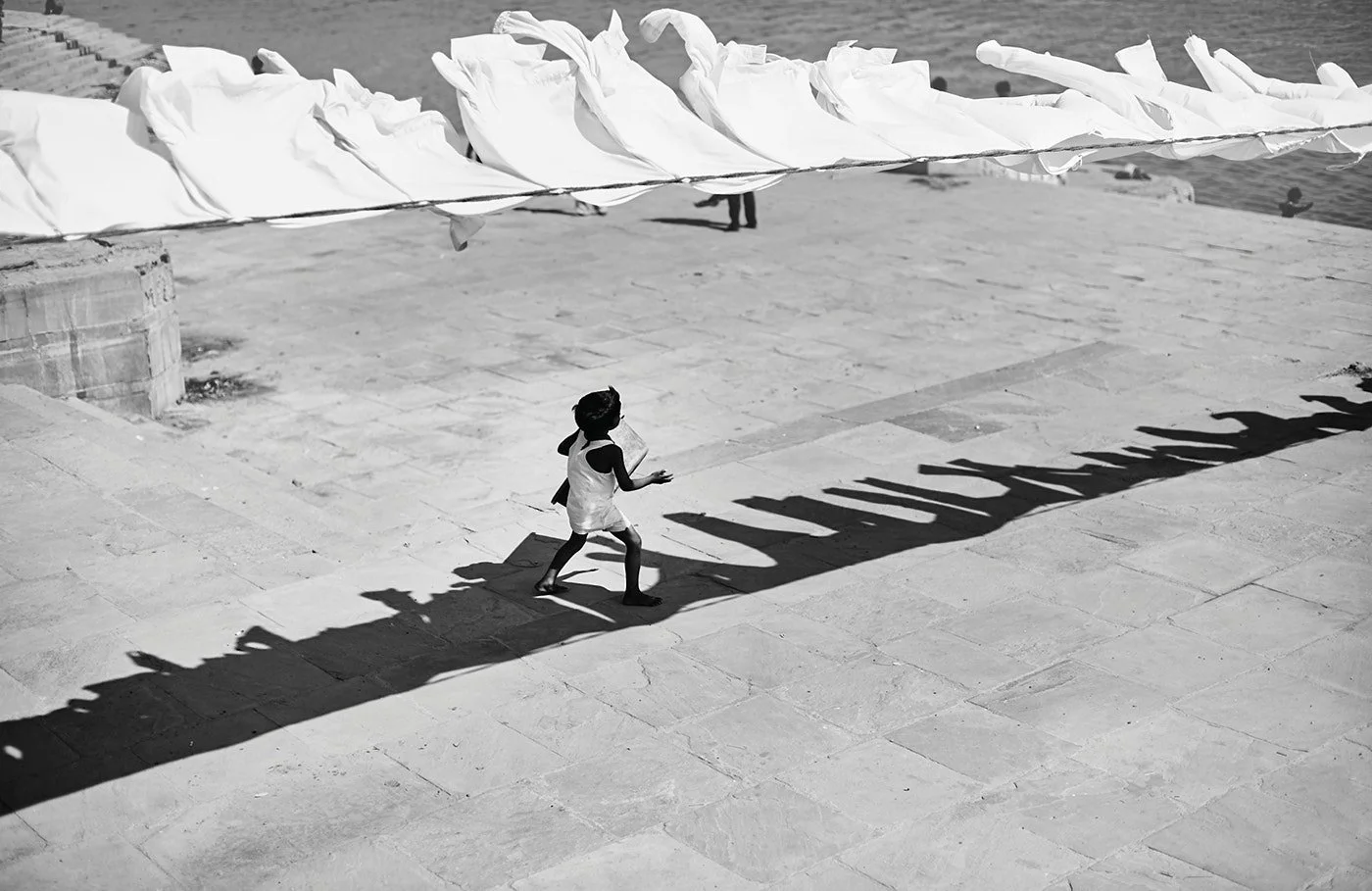

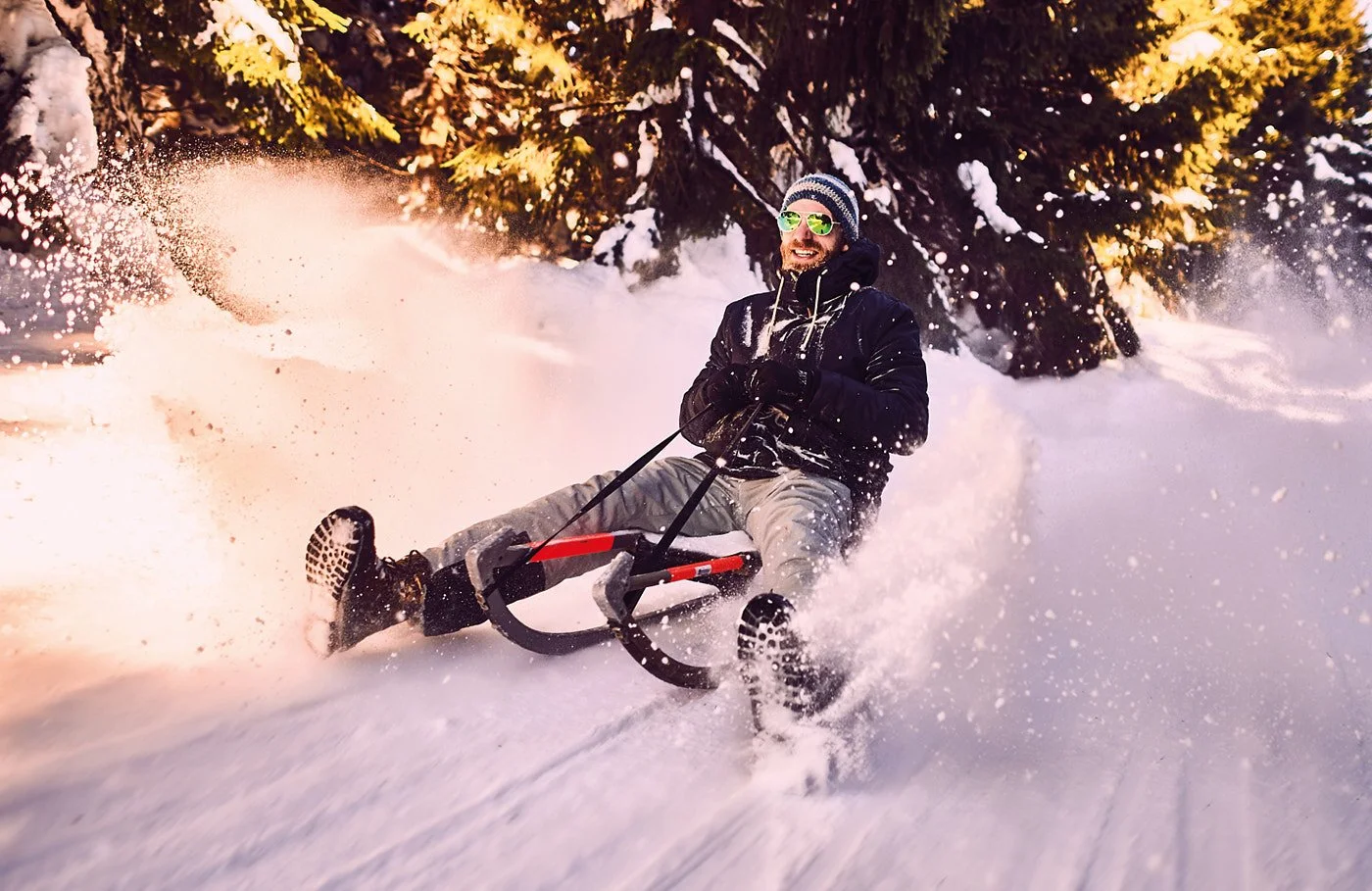
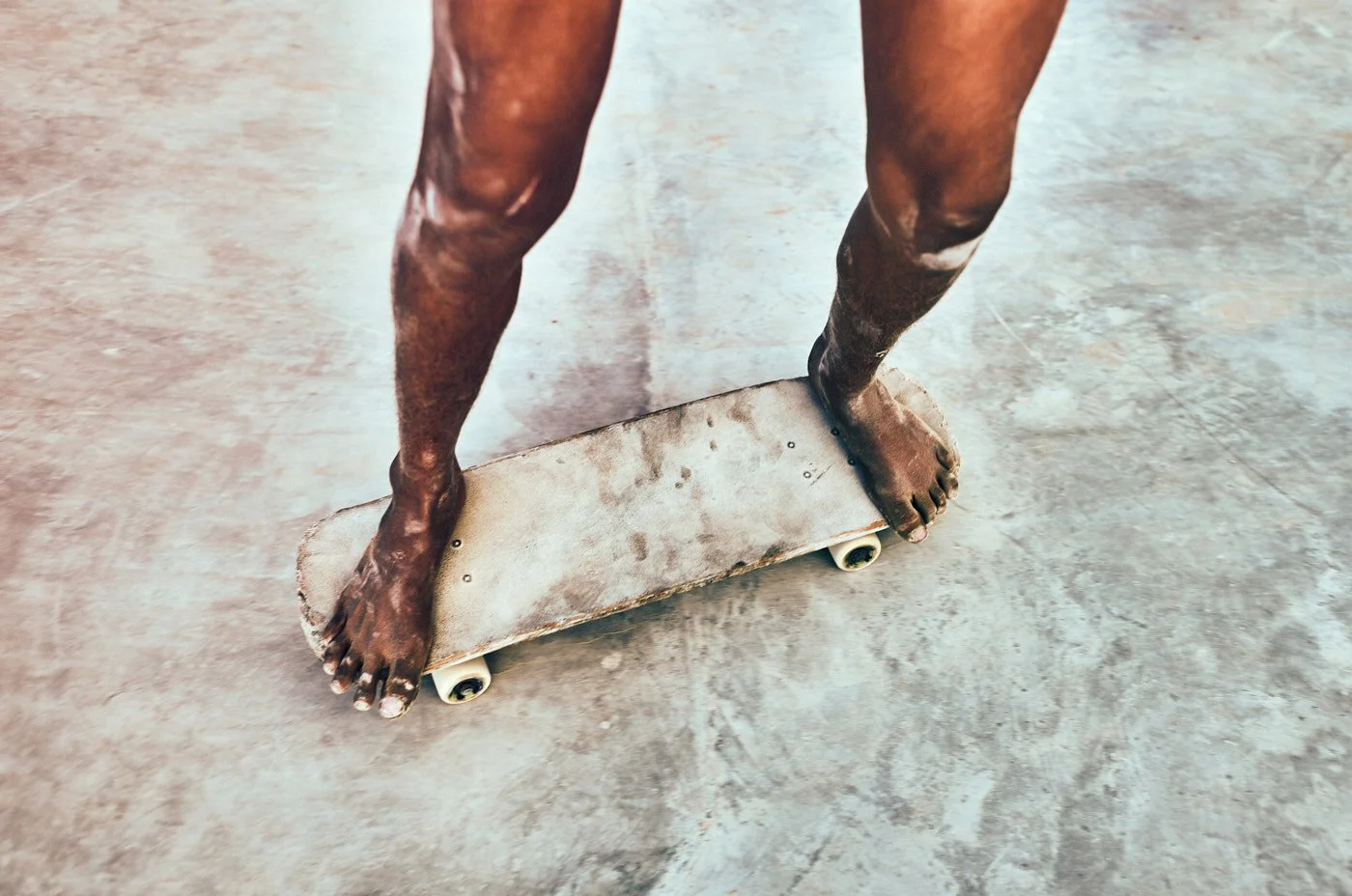
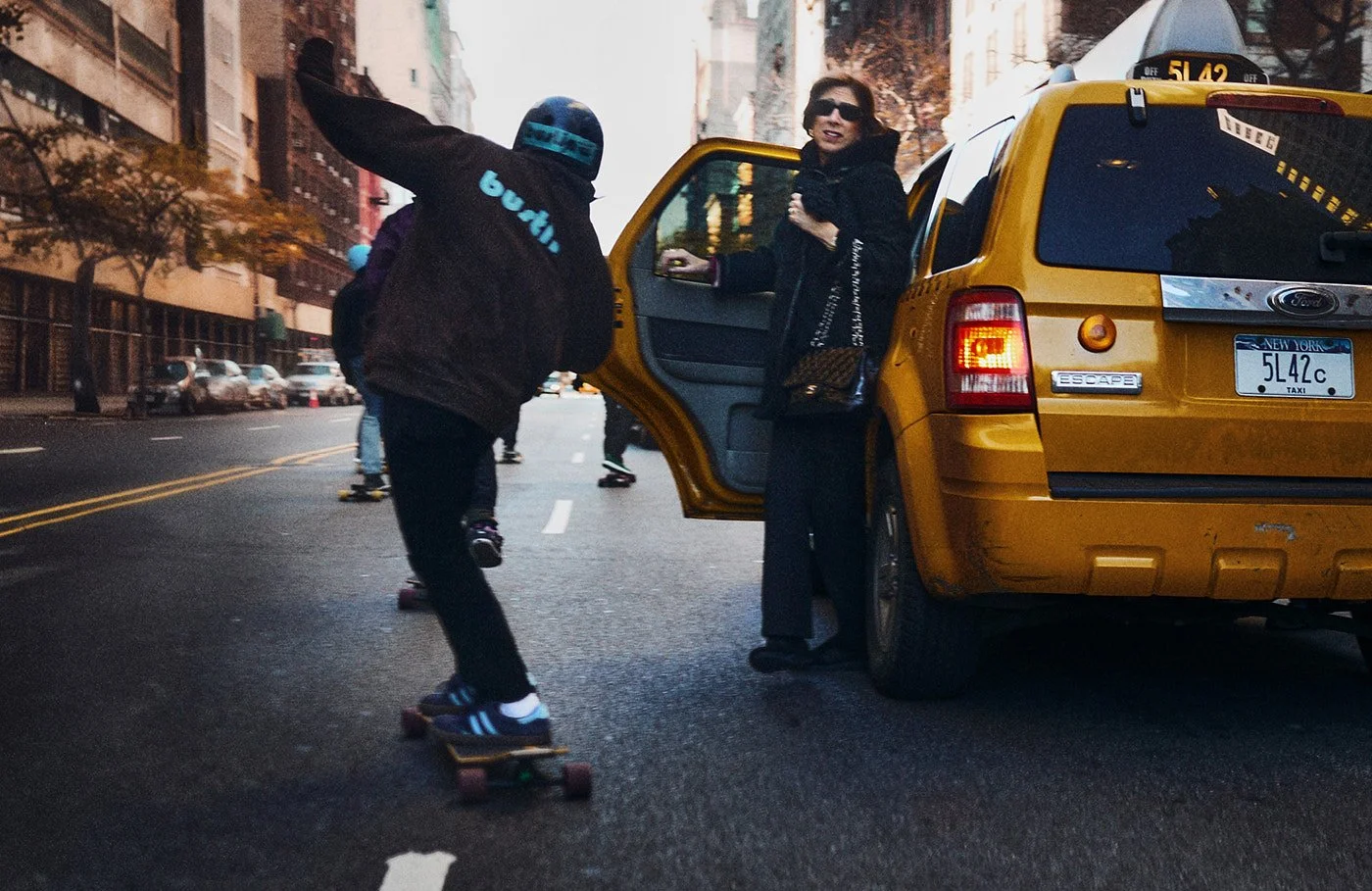
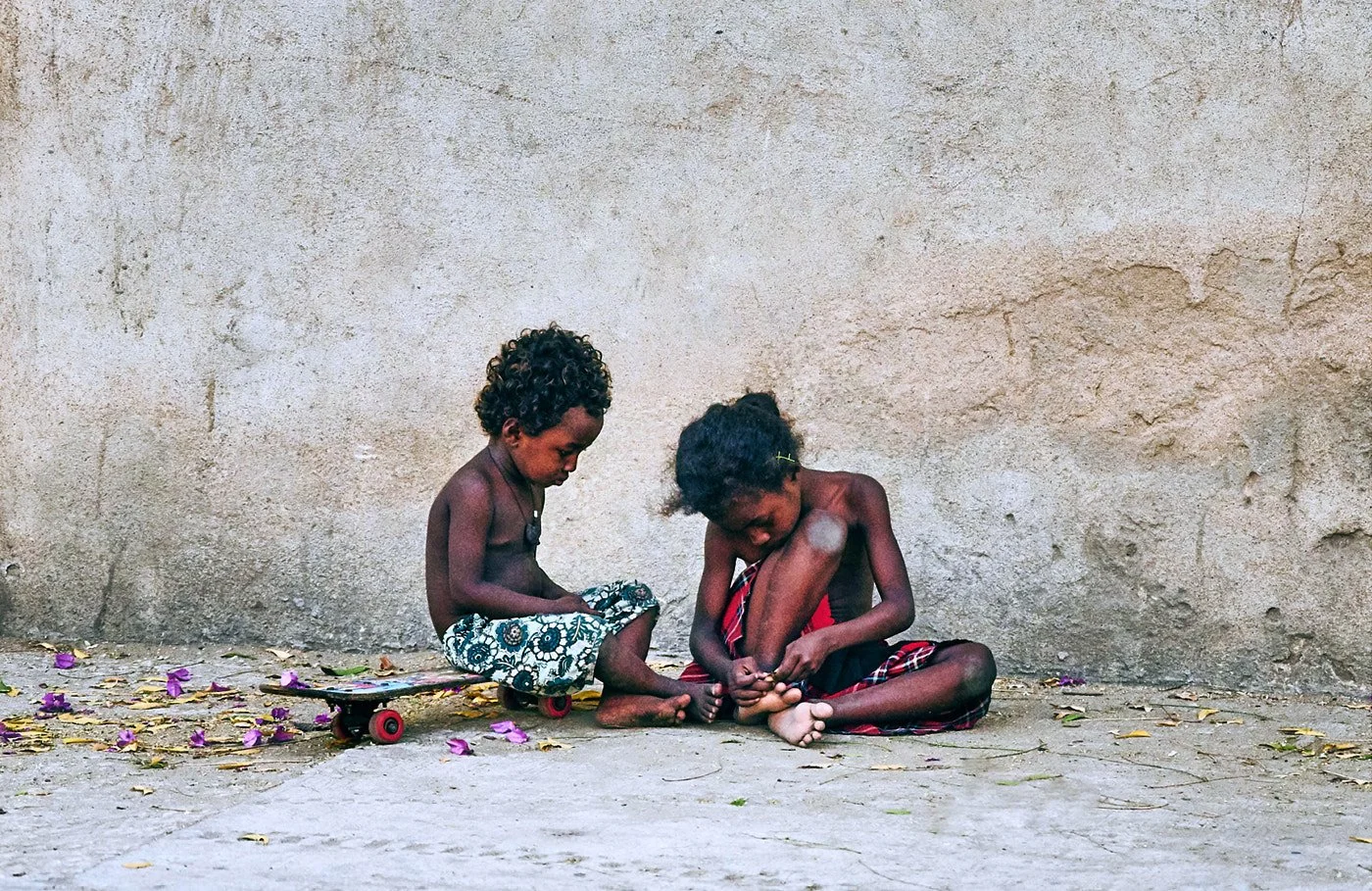
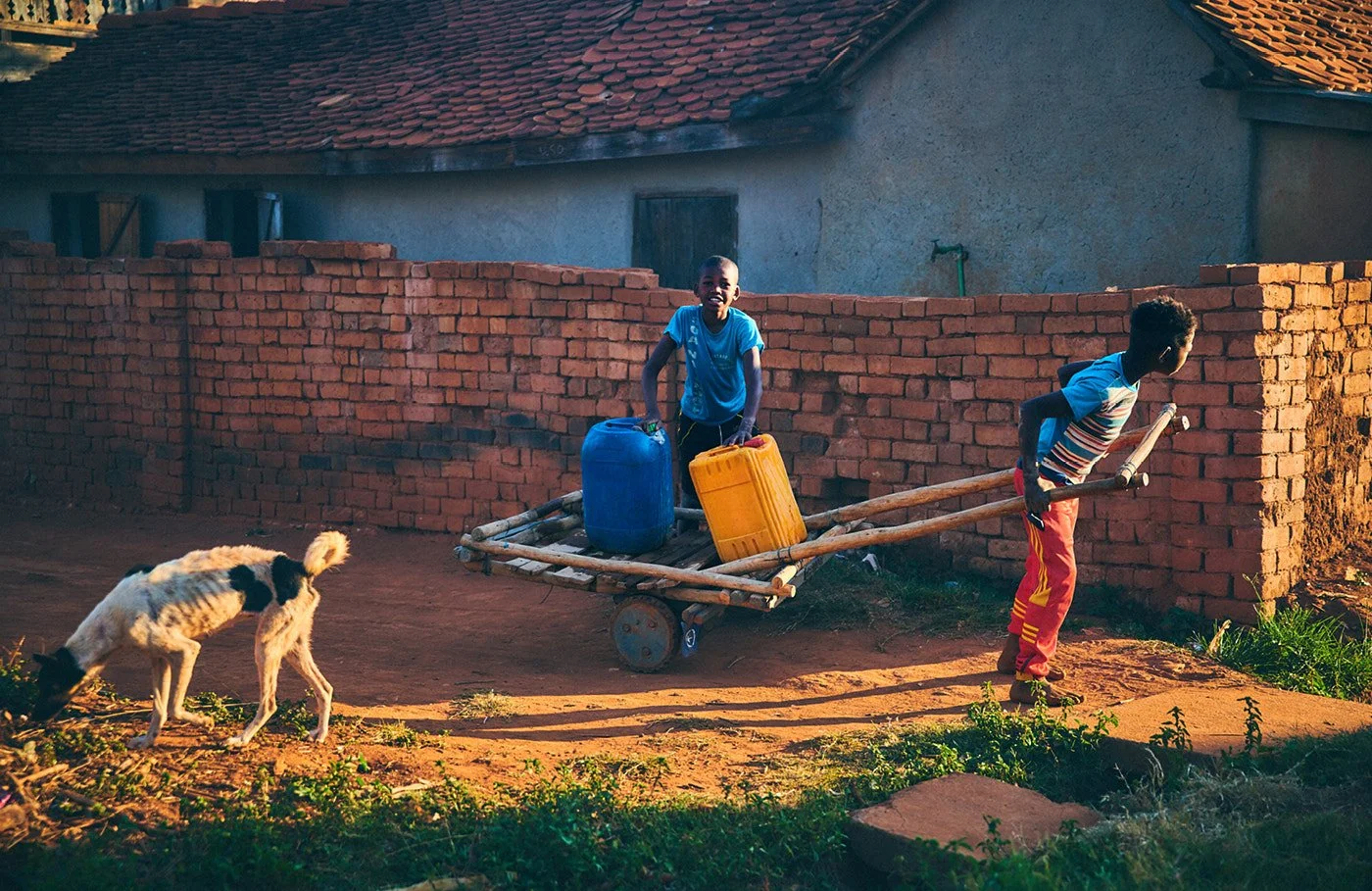
Cuba/New York/India/Morocco - the thousand smiling faces around the world show how a piece of wood with four wheels can create dreams, open up perspectives, and eliminate fears. Stories prove every day that it’s more important to see a dream in something seemingly meaningless than to pursue something meaningful without a dream.

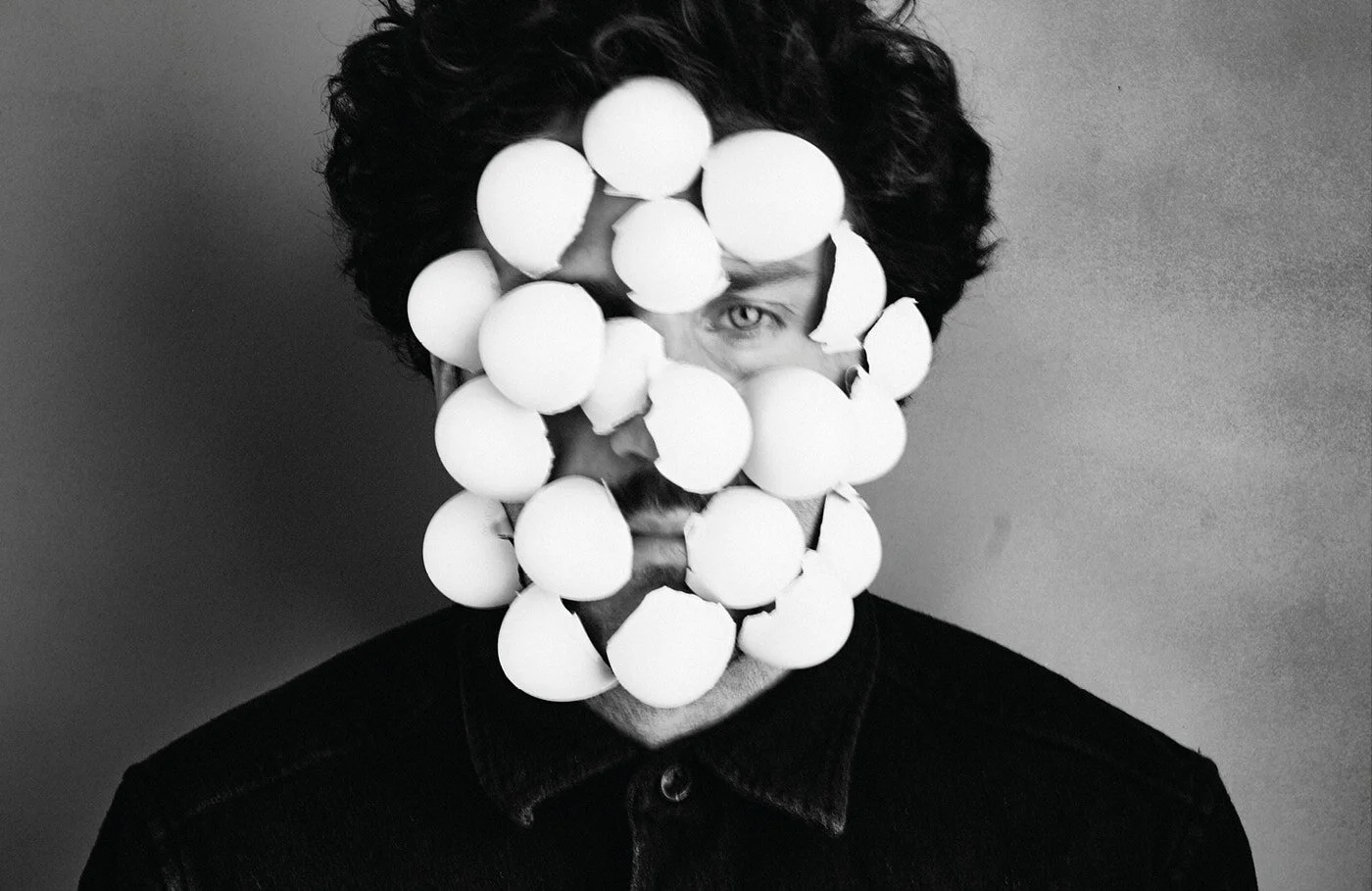
Embarrassment is the feeling that arises when something is revealed that you would like to hide. It is something private that no one else should know about, especially your feelings, weaknesses, and even intentions. However, what is discovered and revealed may not necessarily be real. Often, something is seemingly exposed but is not a reflection of reality. These are assumptions presented as truth, known as fabricated truths.
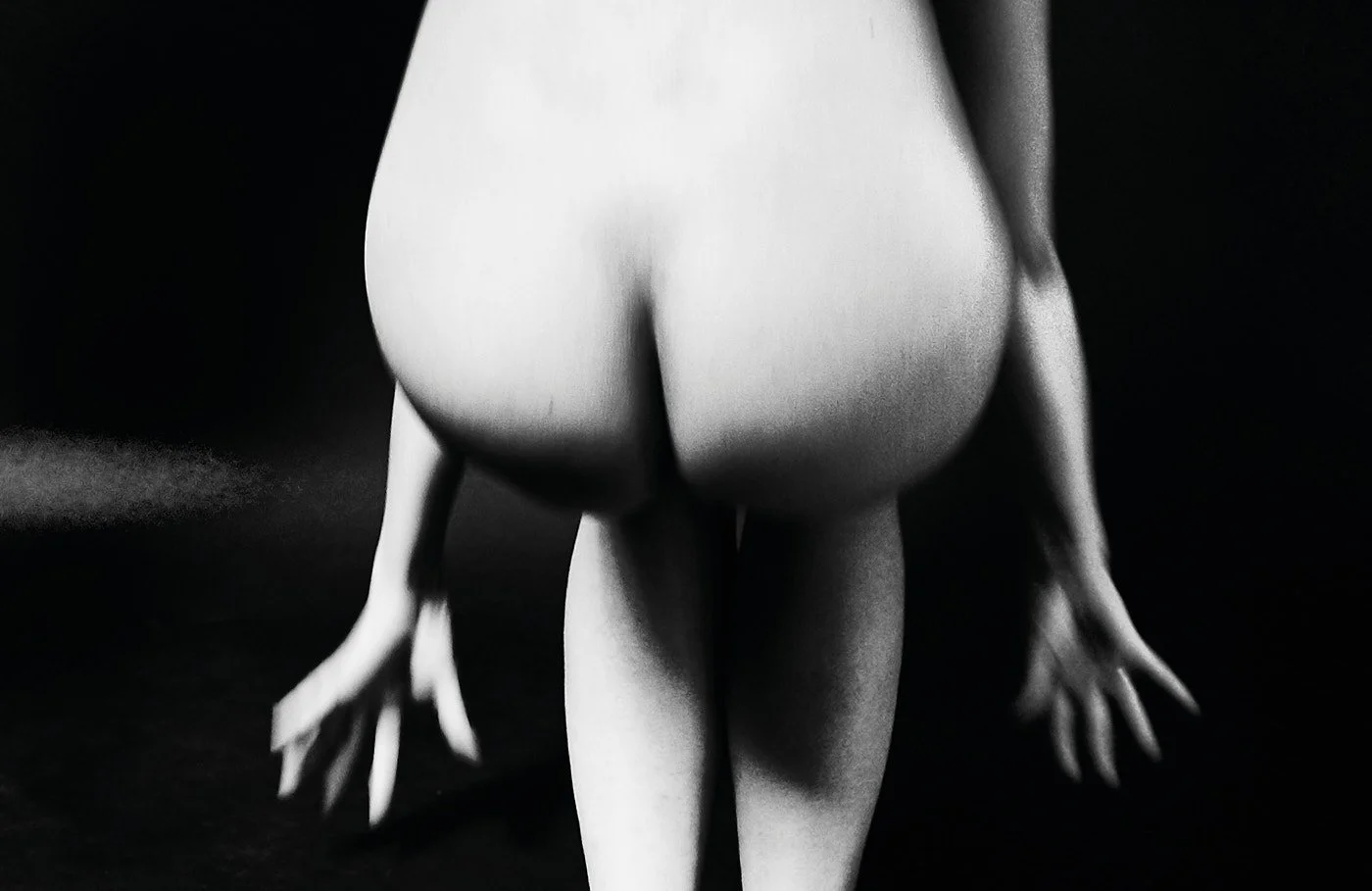
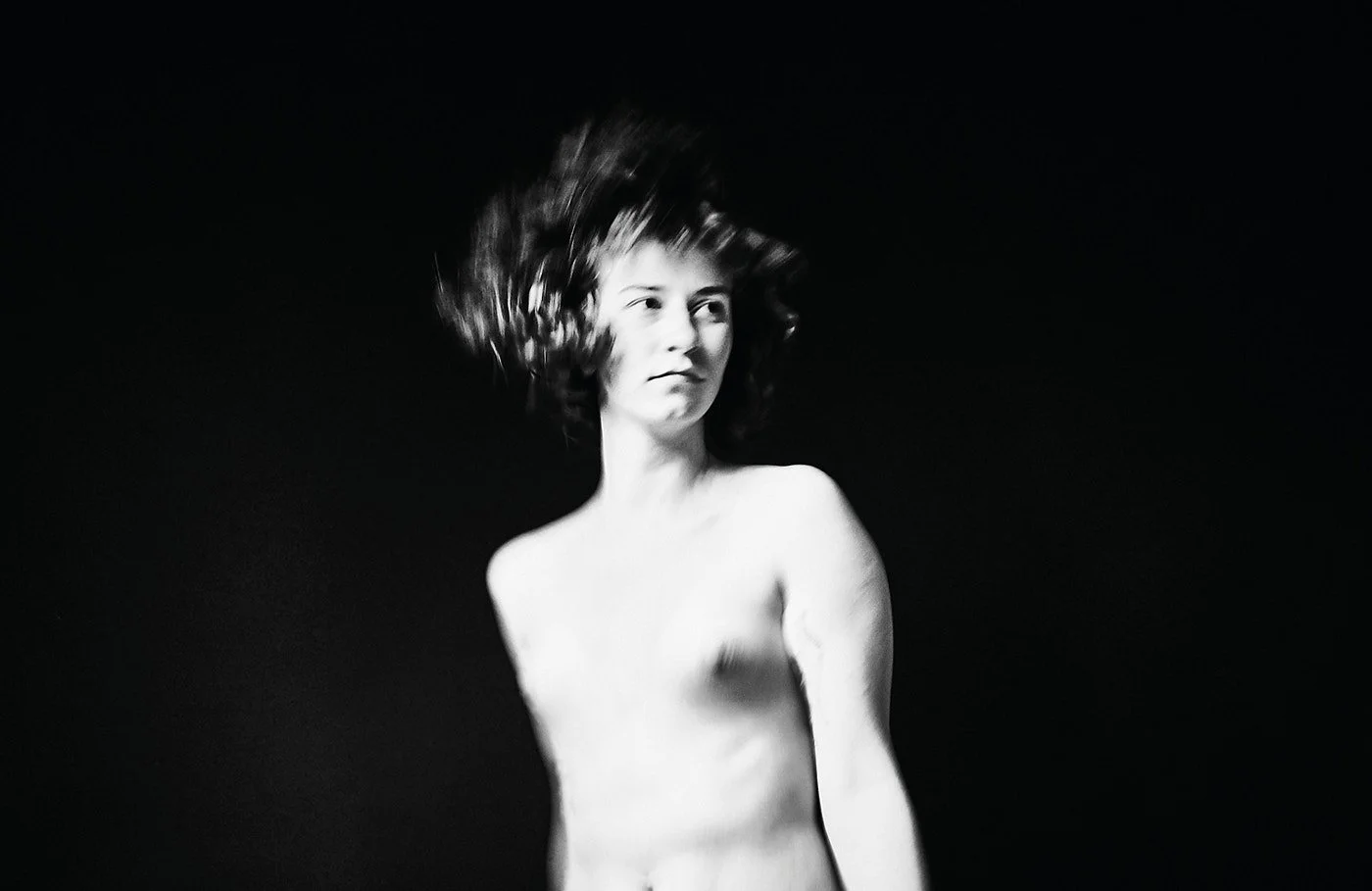
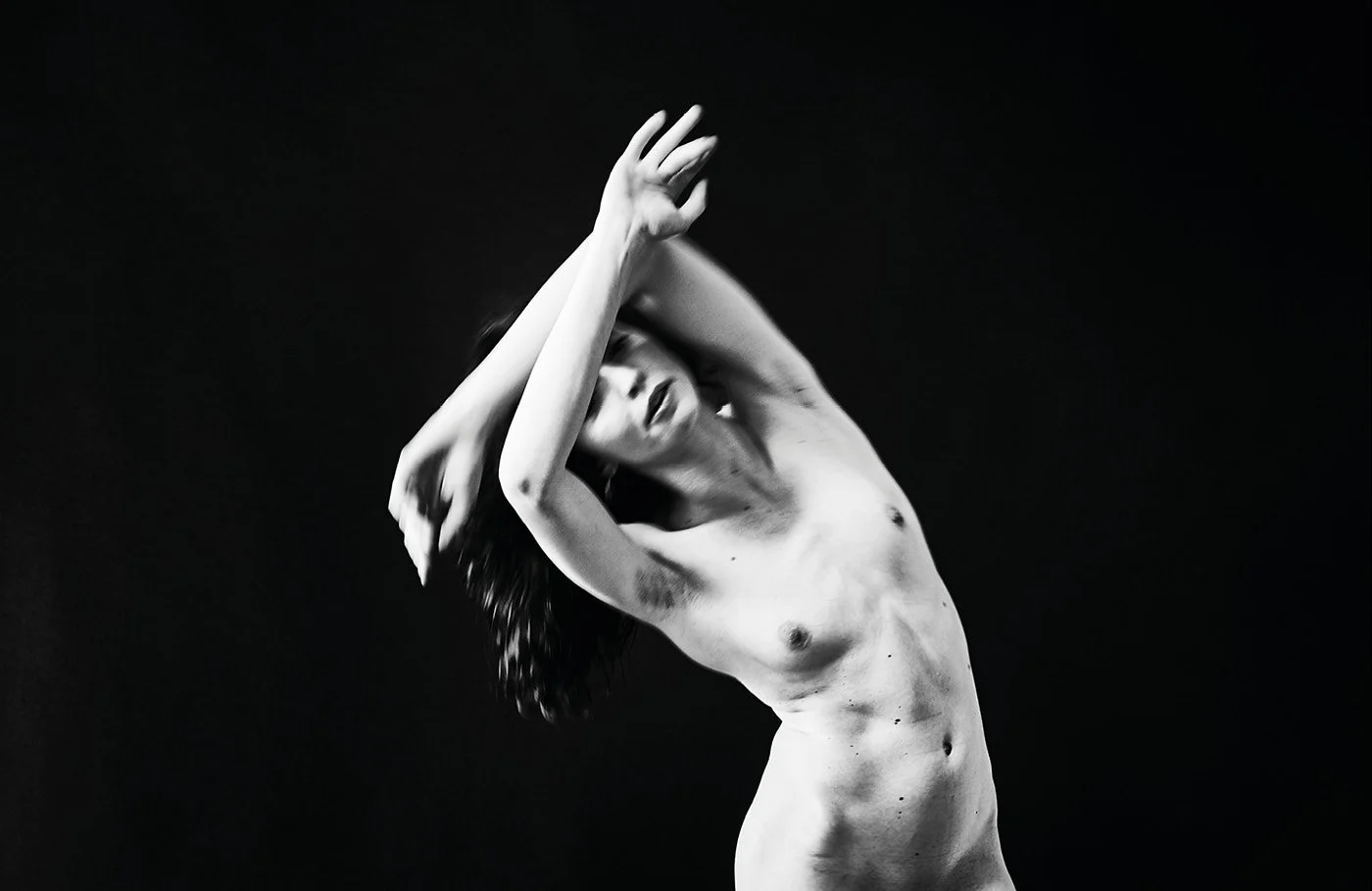
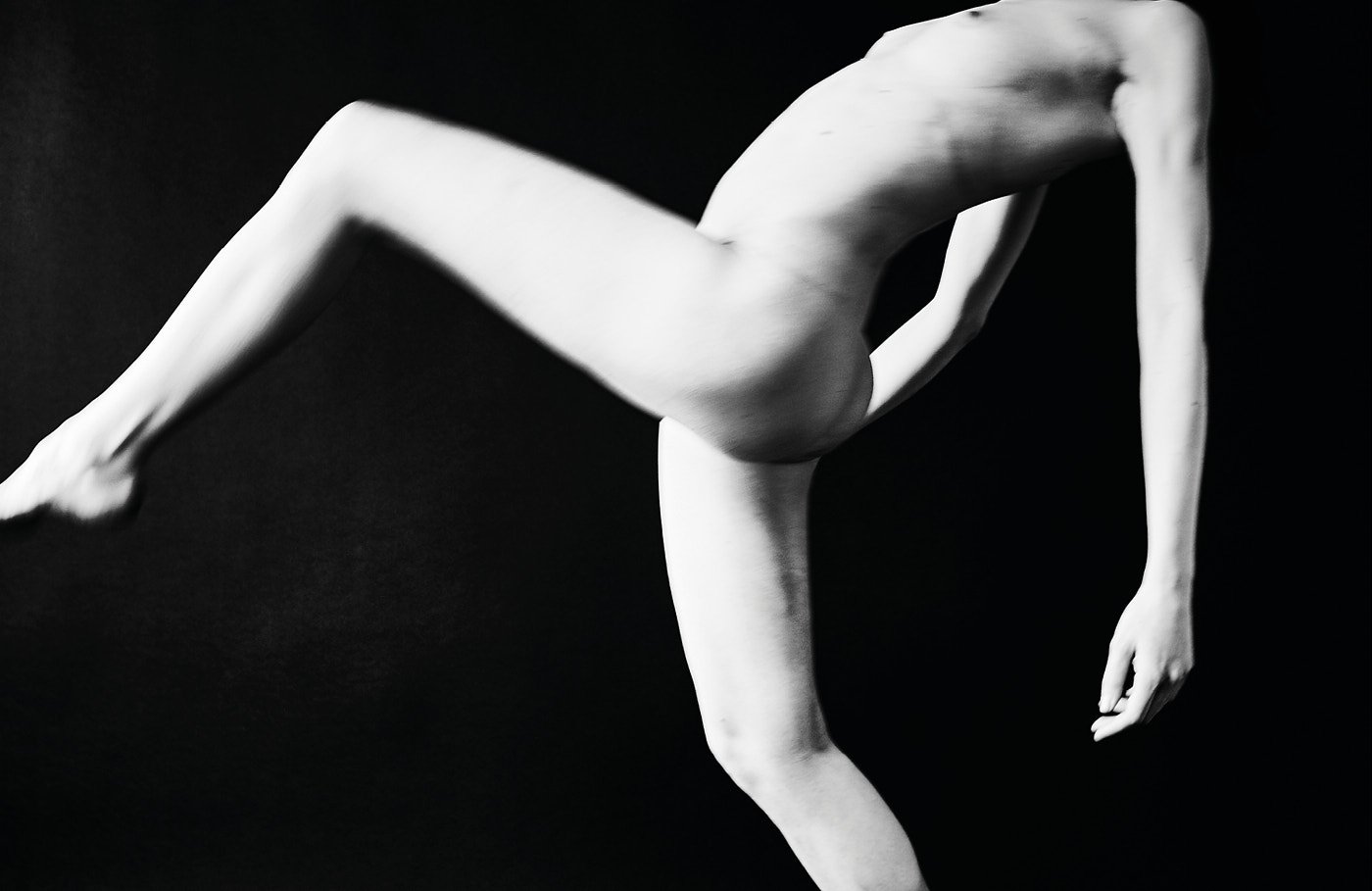

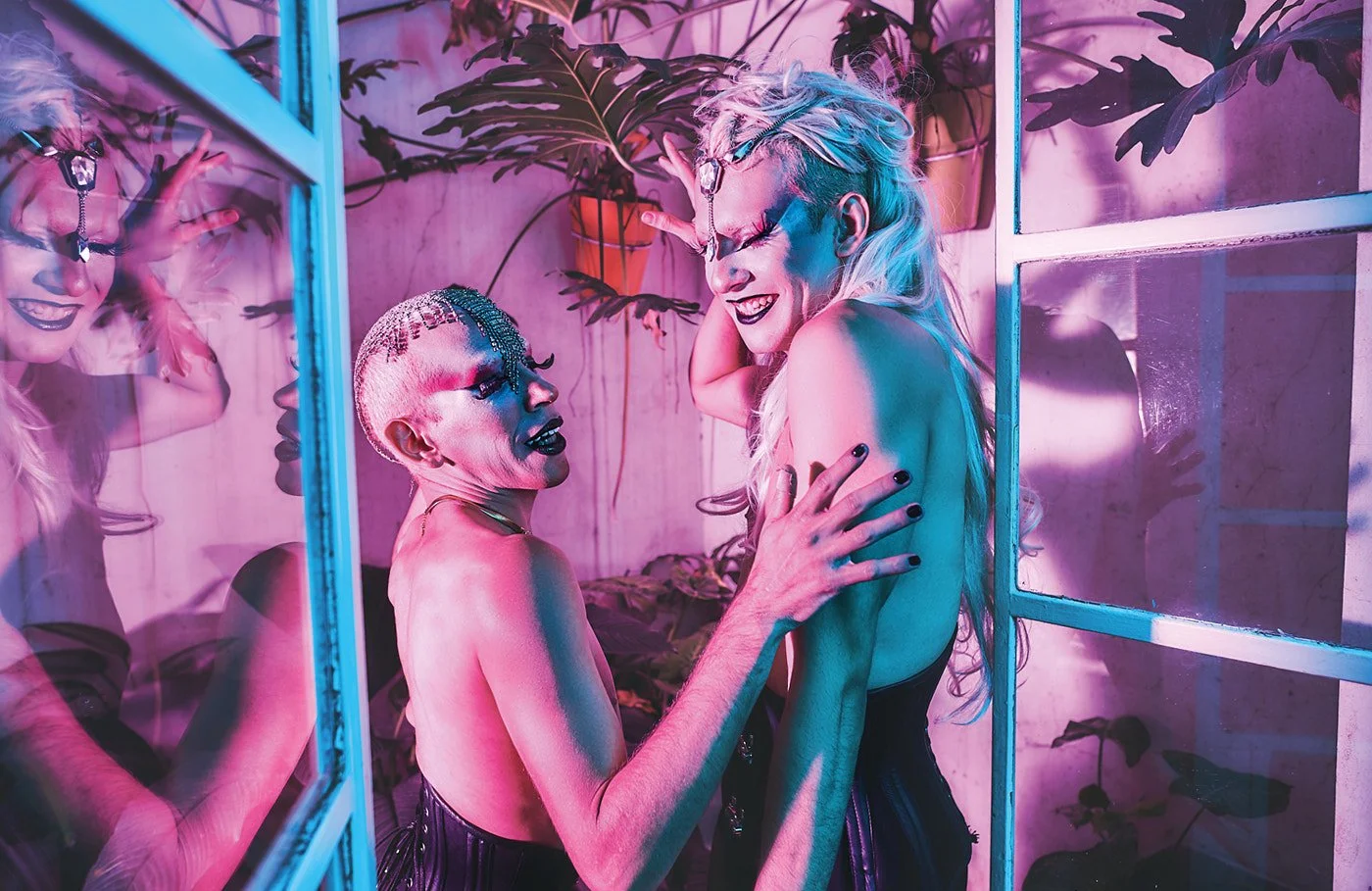
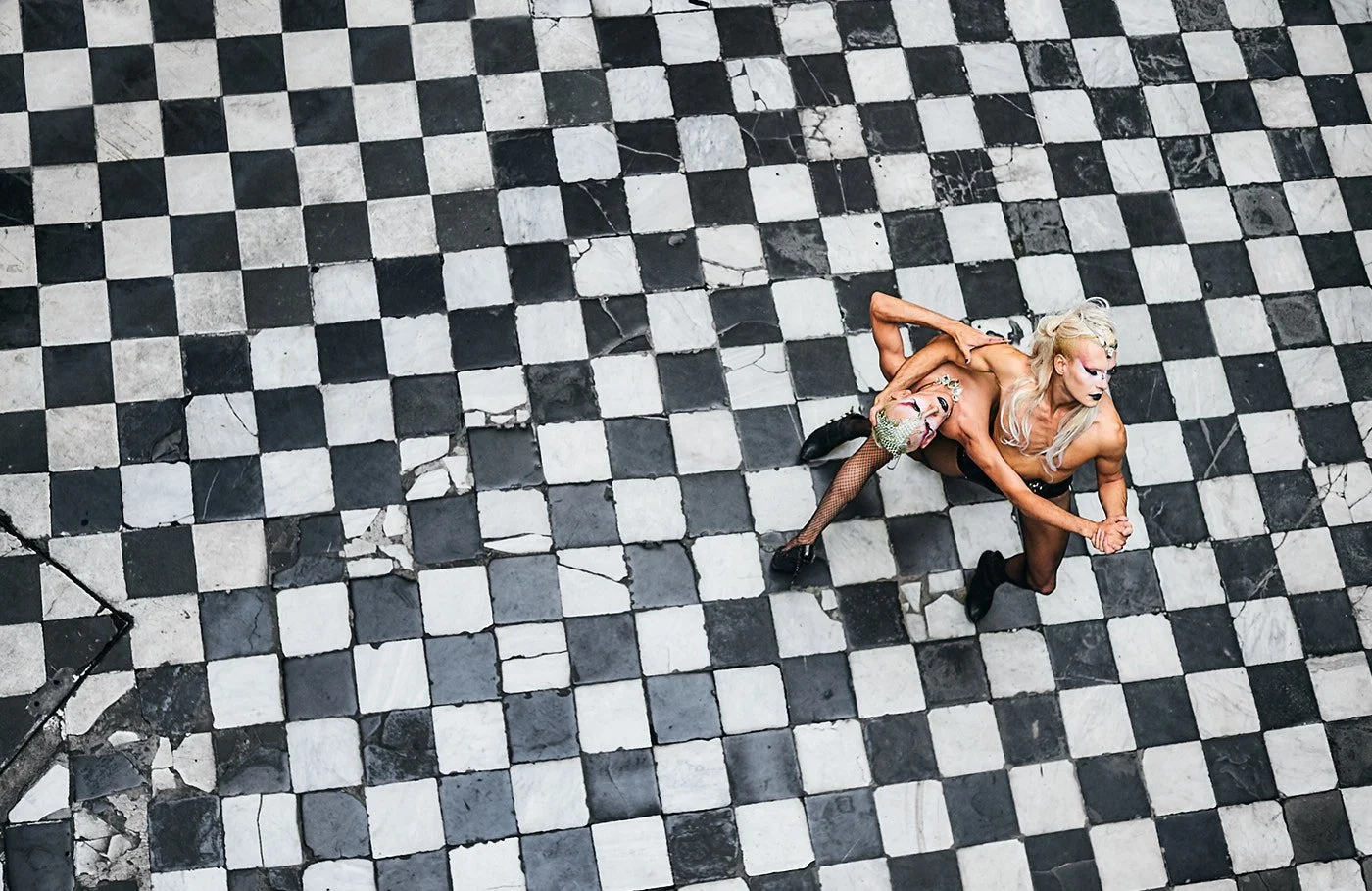
In the midst of traditional tango, there are more and more same-sex dance partners, which is seen as progressive and at the same time returns to the roots of tango when men waiting outside brothels danced tango together to pass the time. In the series ‘Tanguero’, I follow two of the most successful queer tango dancers.
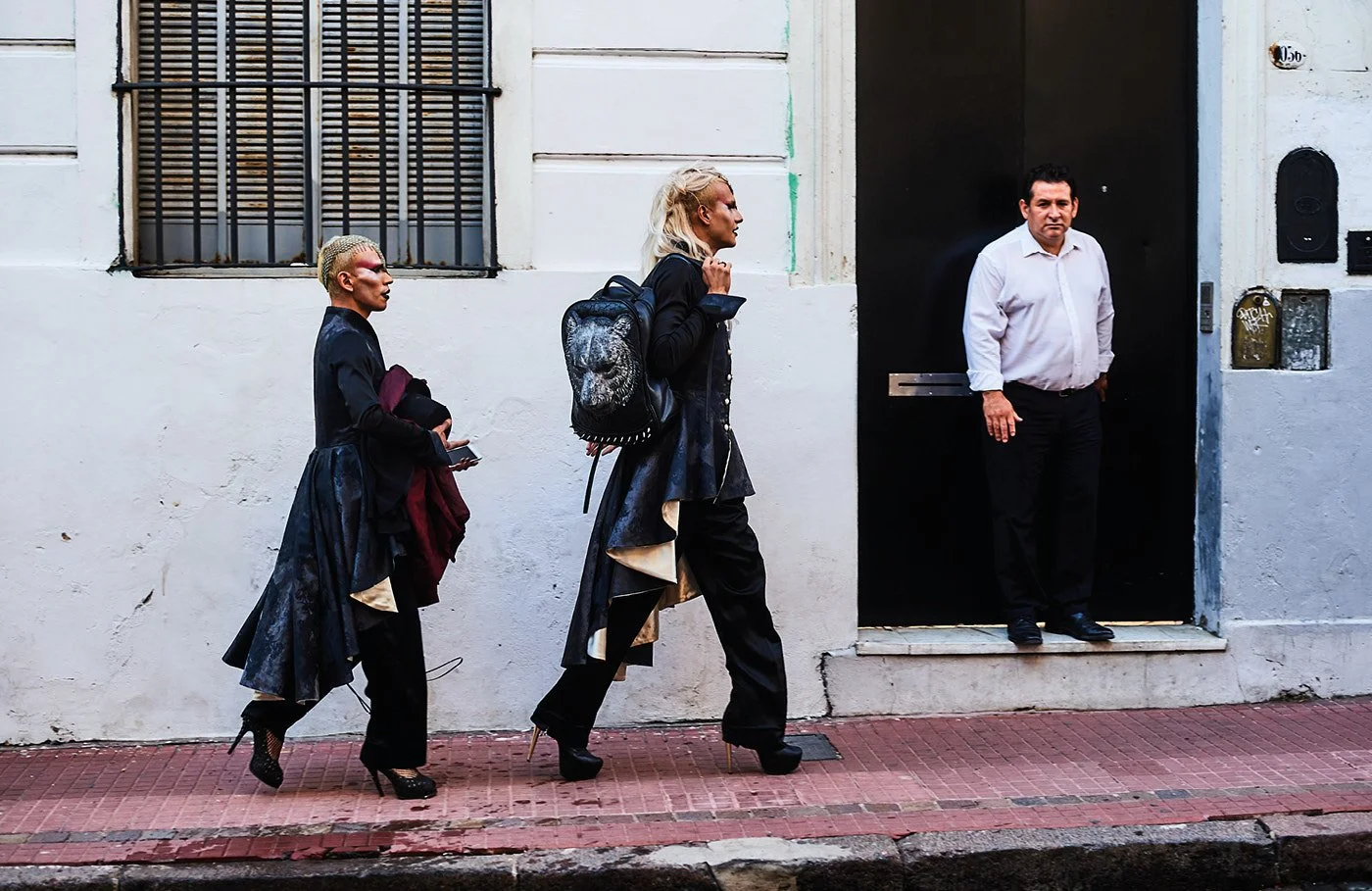

This series captures the streets as a stage, blurring the boundary known as the “fourth wall,” which traditionally separates performers from their audience. Each person’s gaze into the camera breaks this invisible line, drawing the viewer into a shared, raw moment. These faces reveal moments of curiosity, vulnerability, and humanity, blending performance with reality. In The Fourth Wall, the world itself becomes a theater, and every glance is an invitation to connect in a fleeting moment of presence.
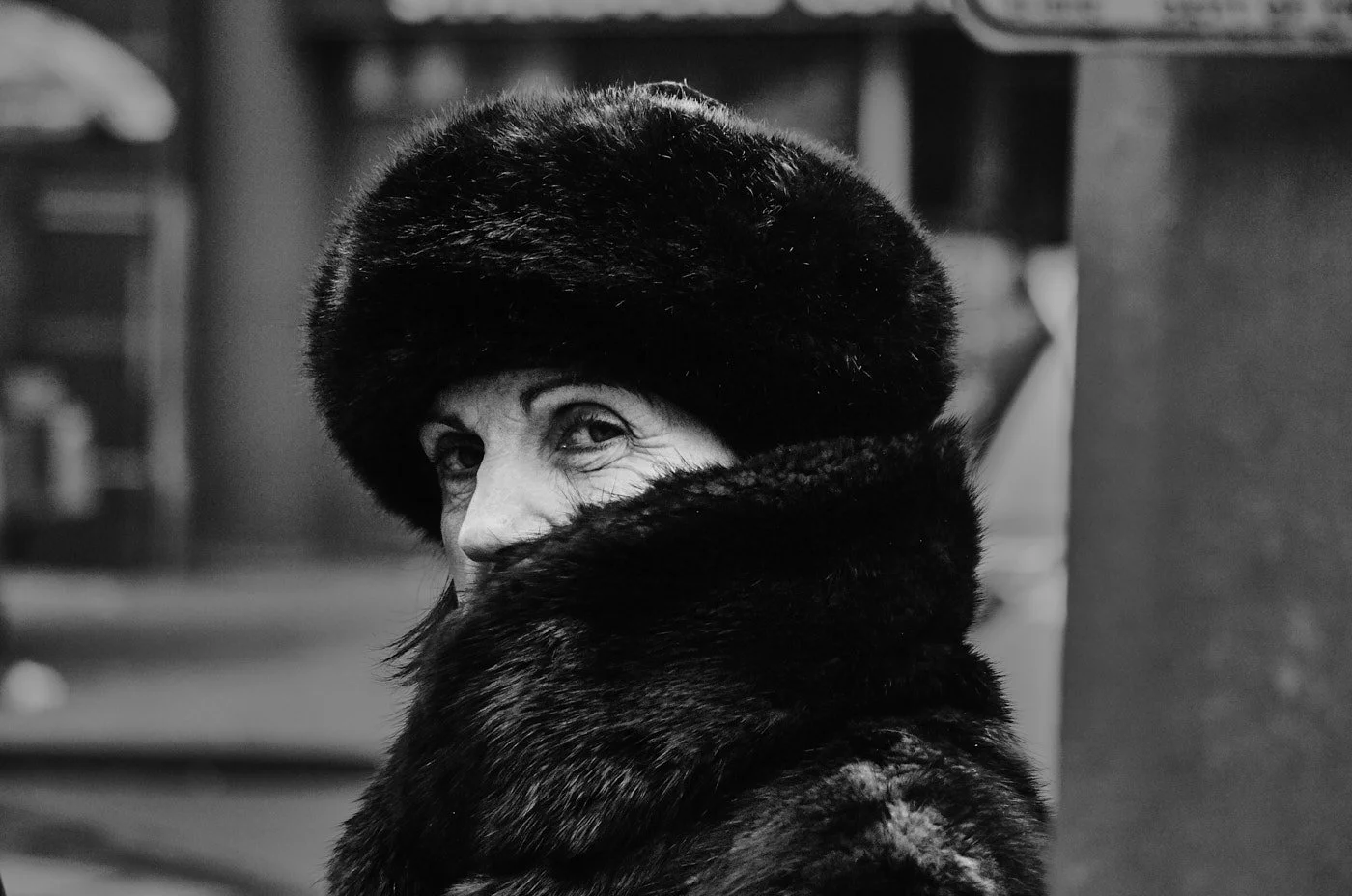
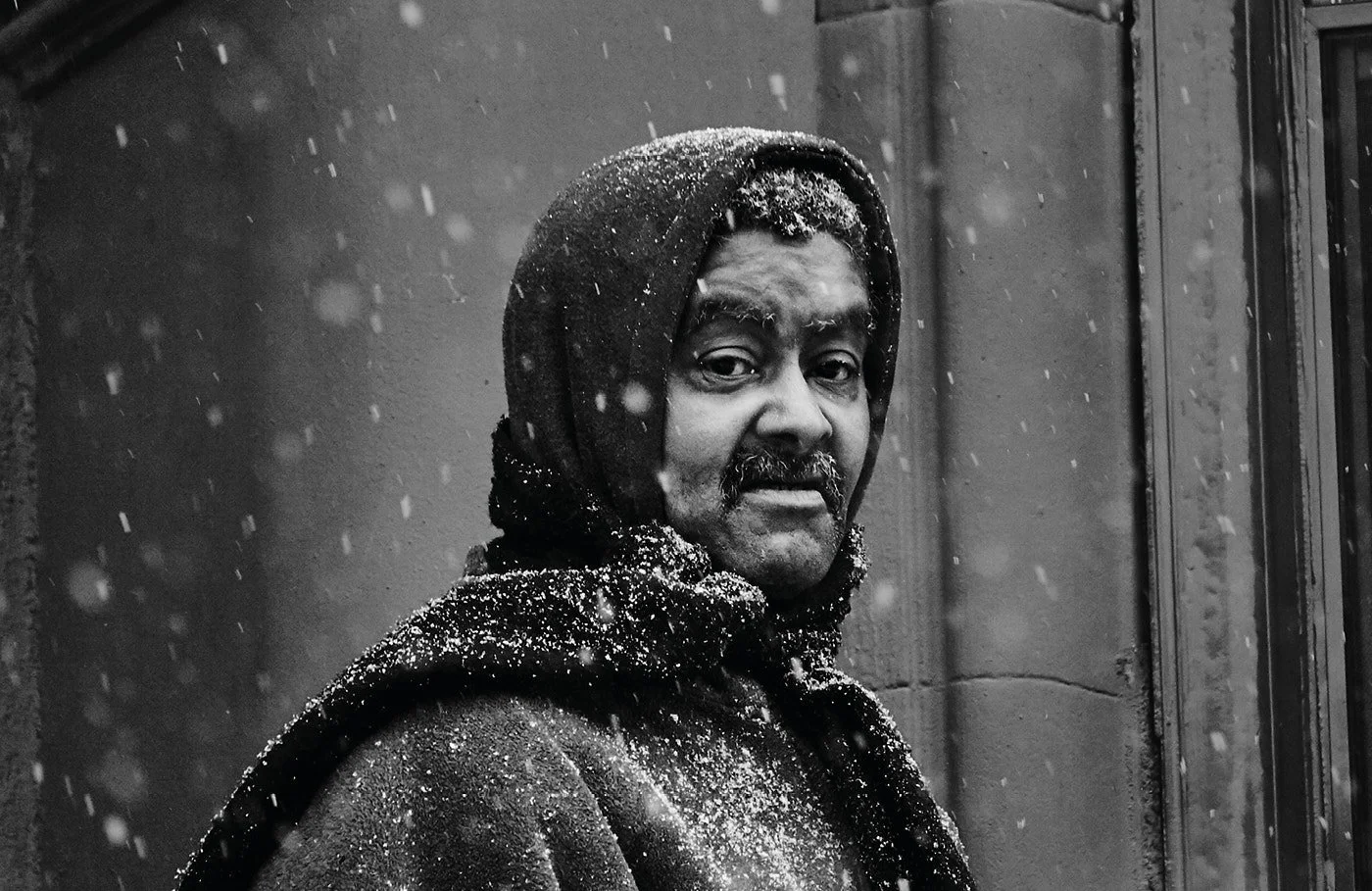
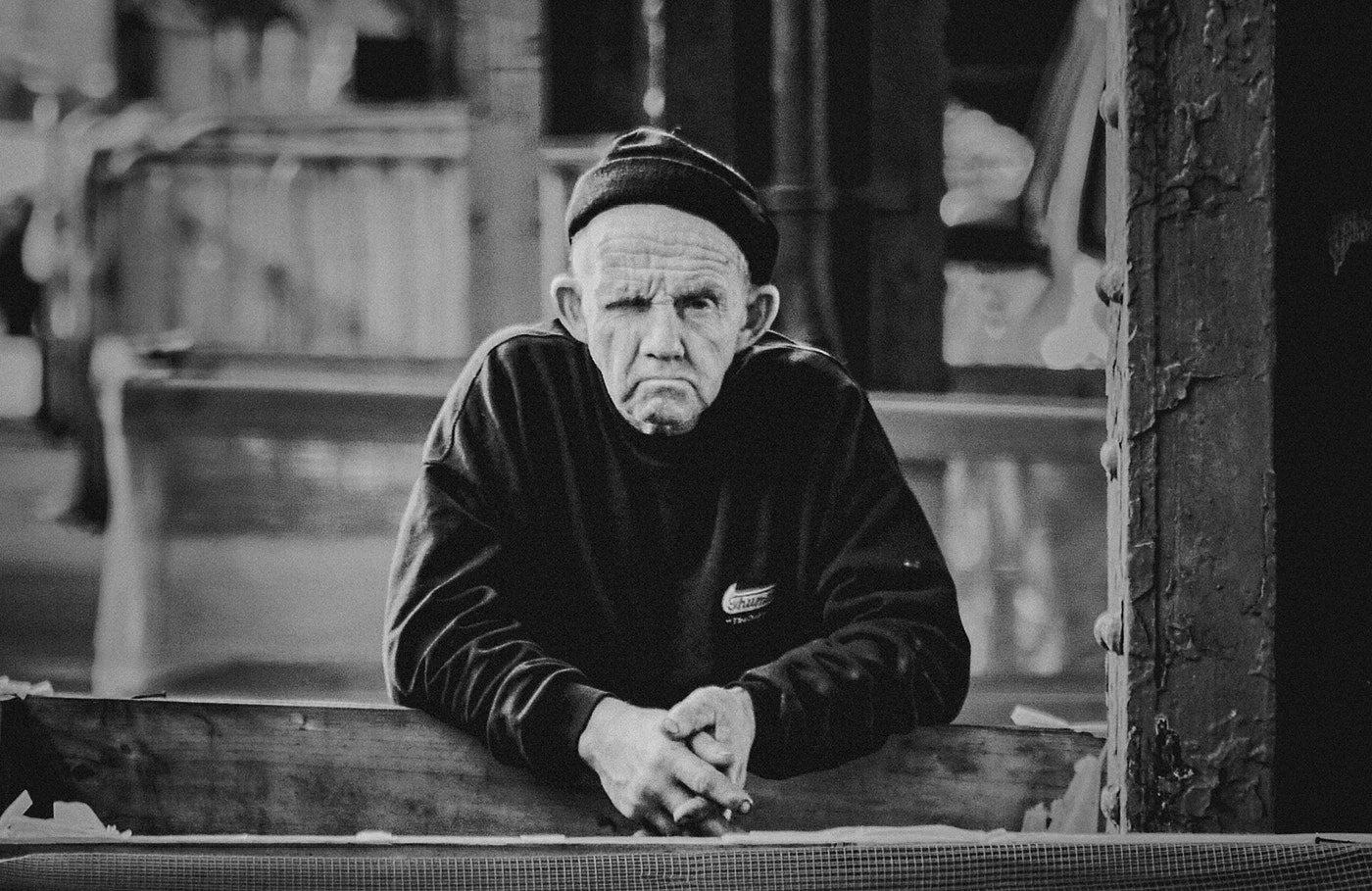
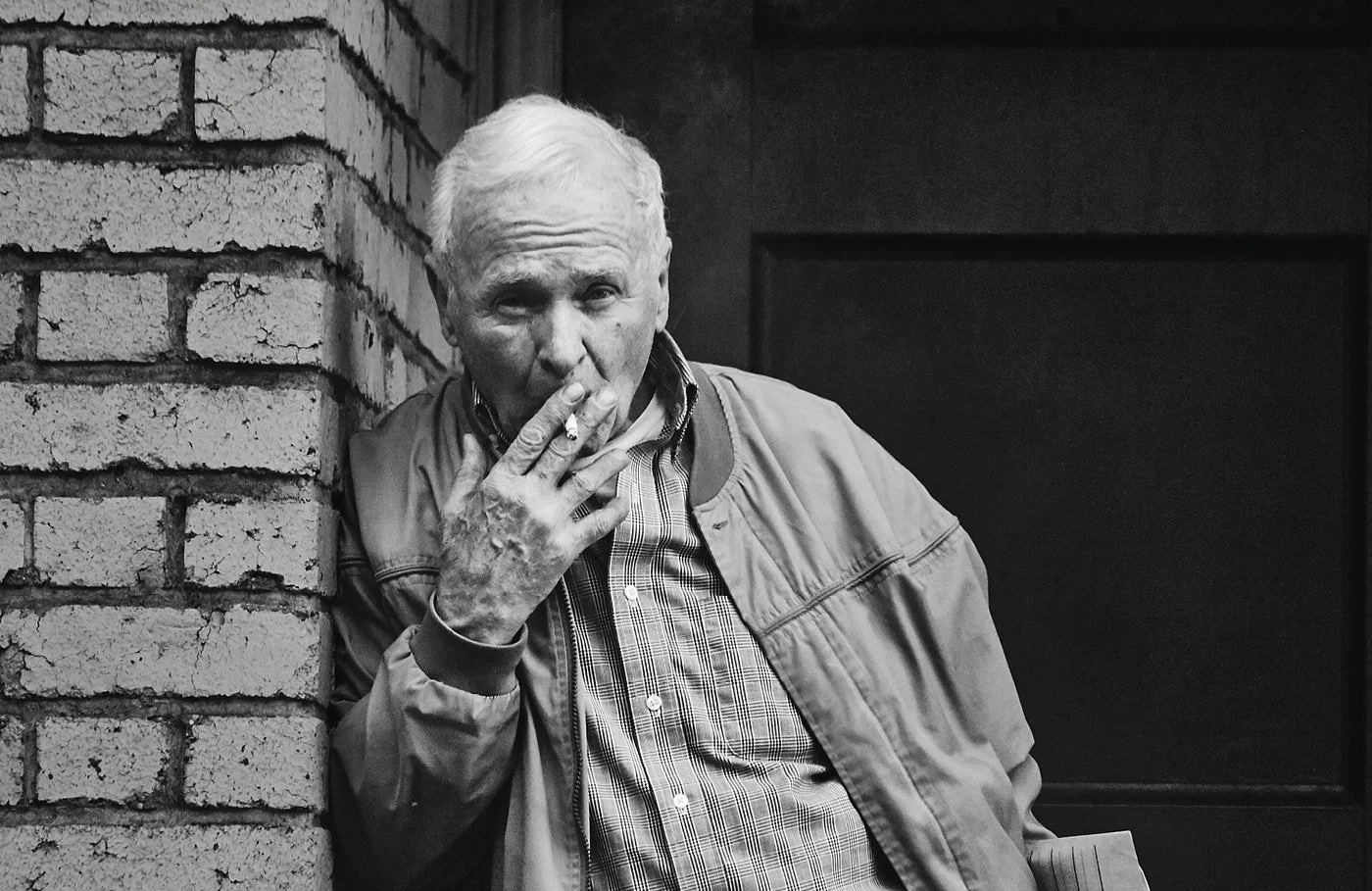
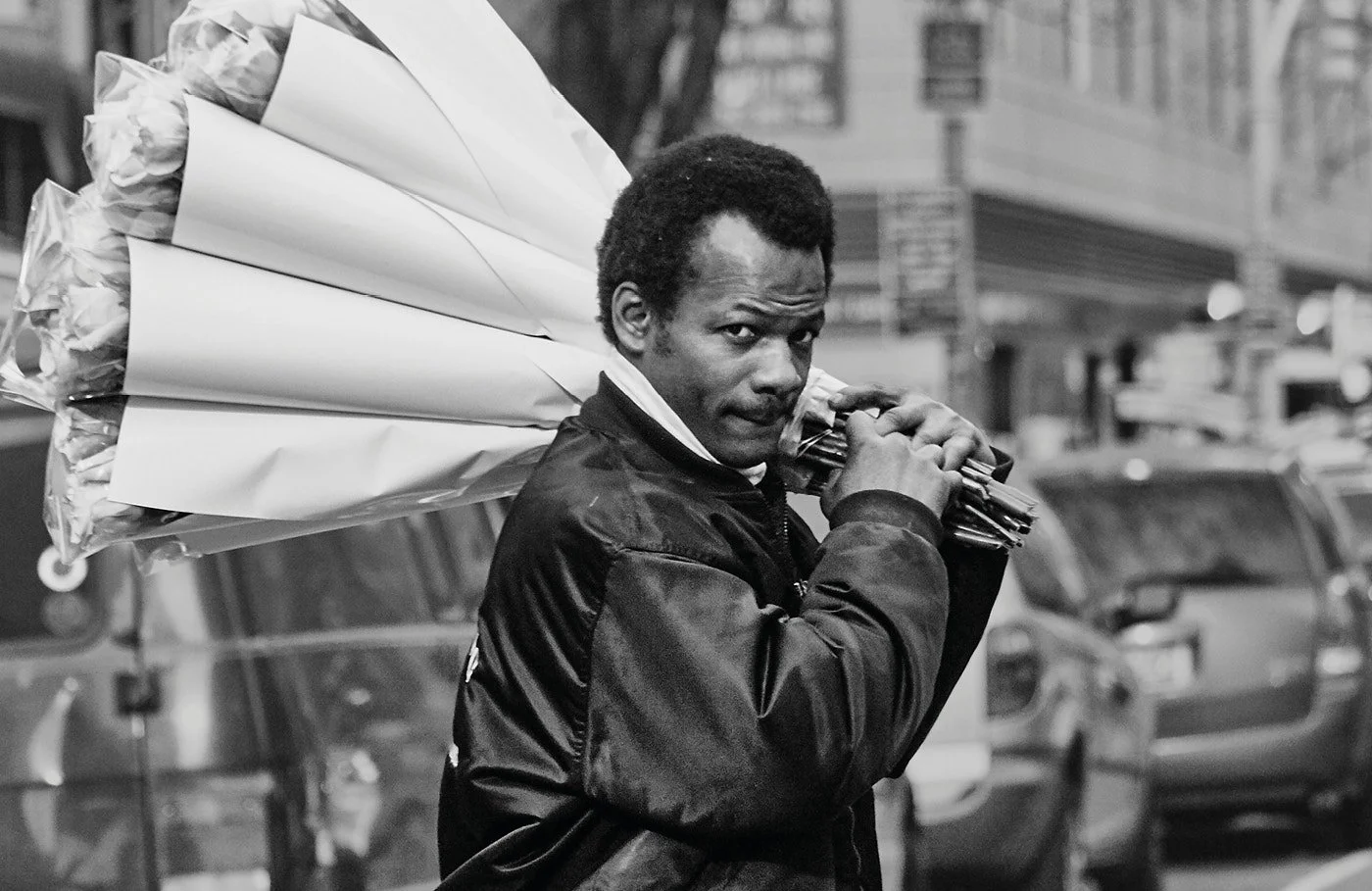

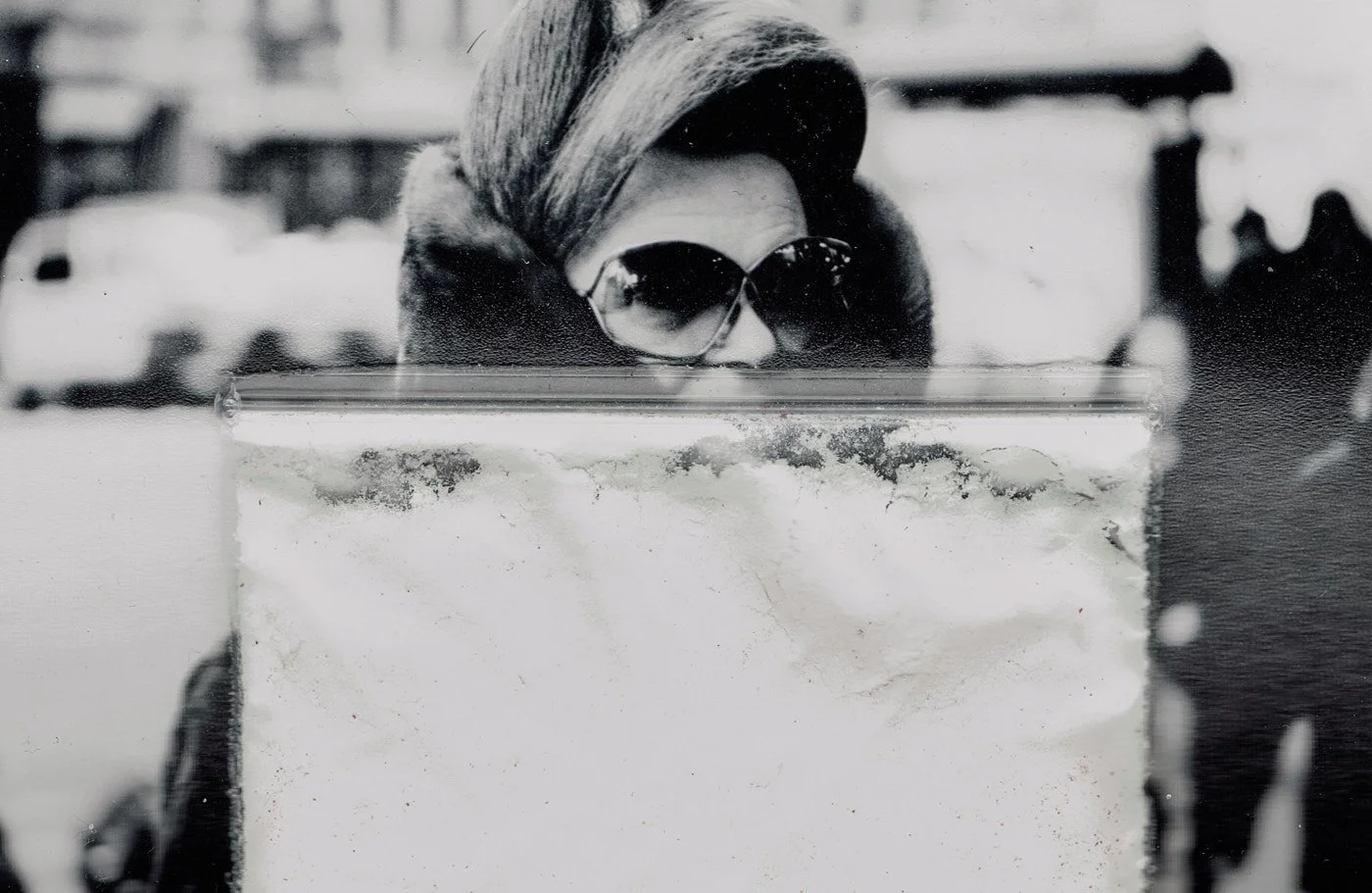
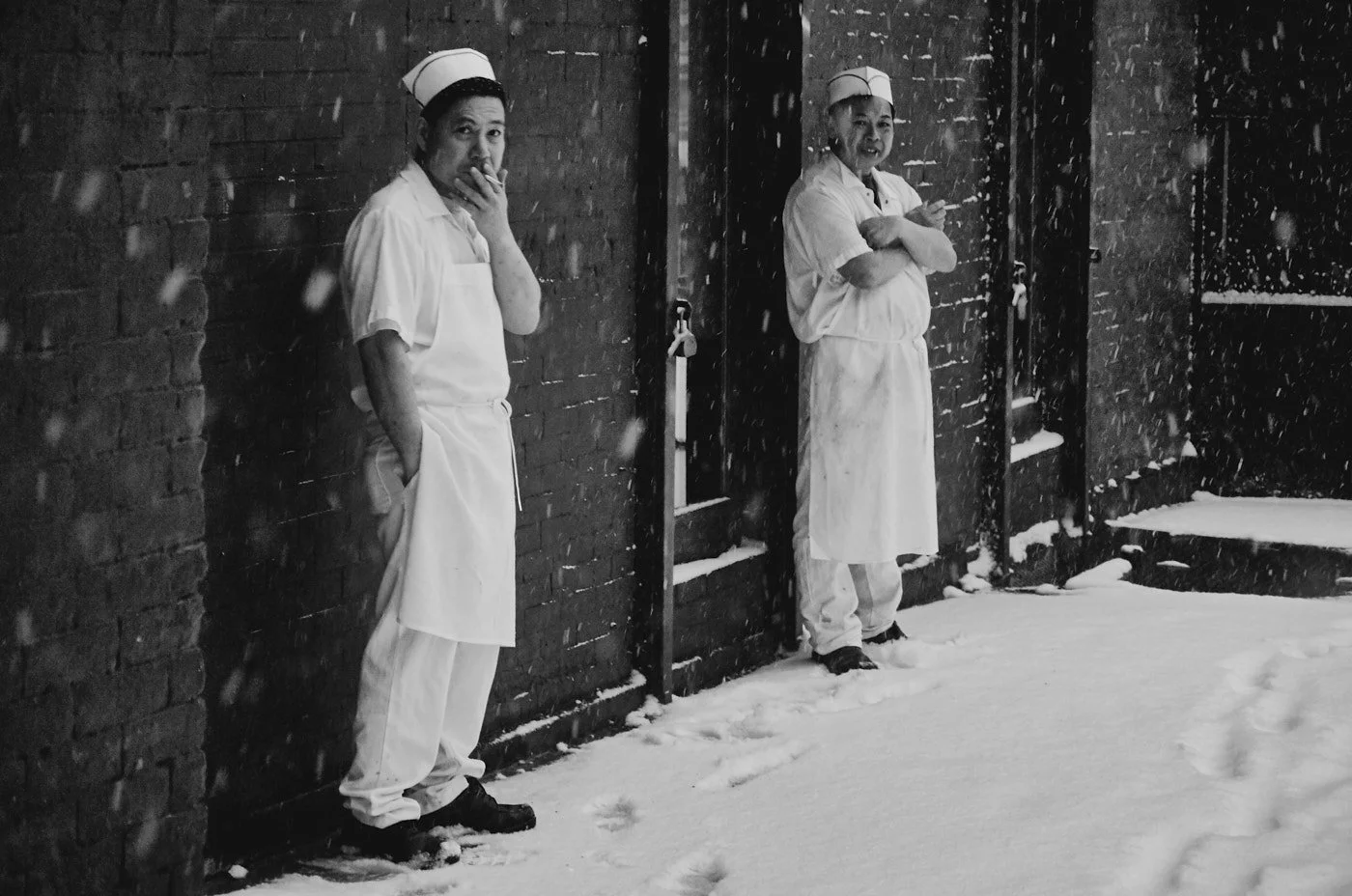
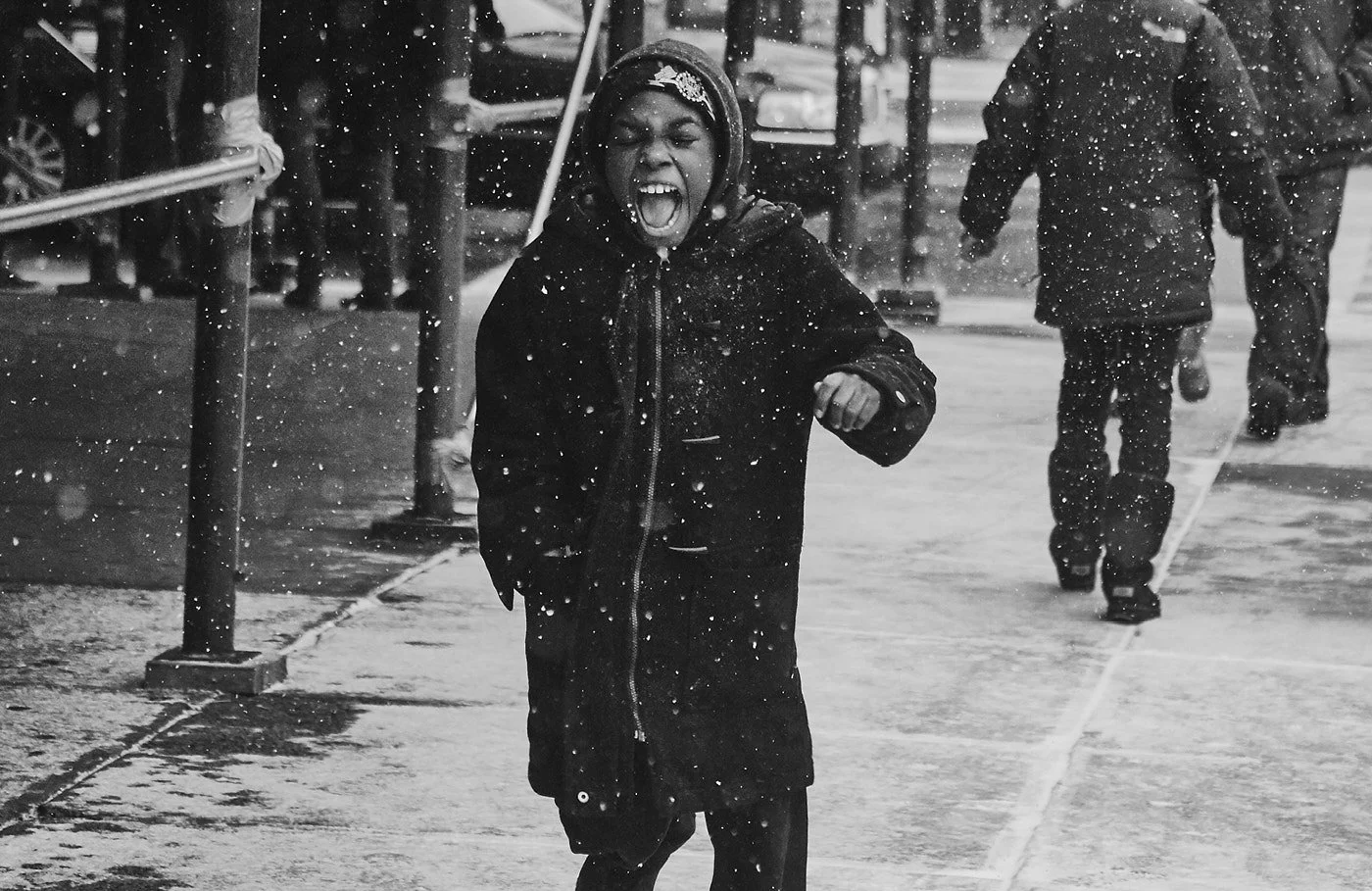
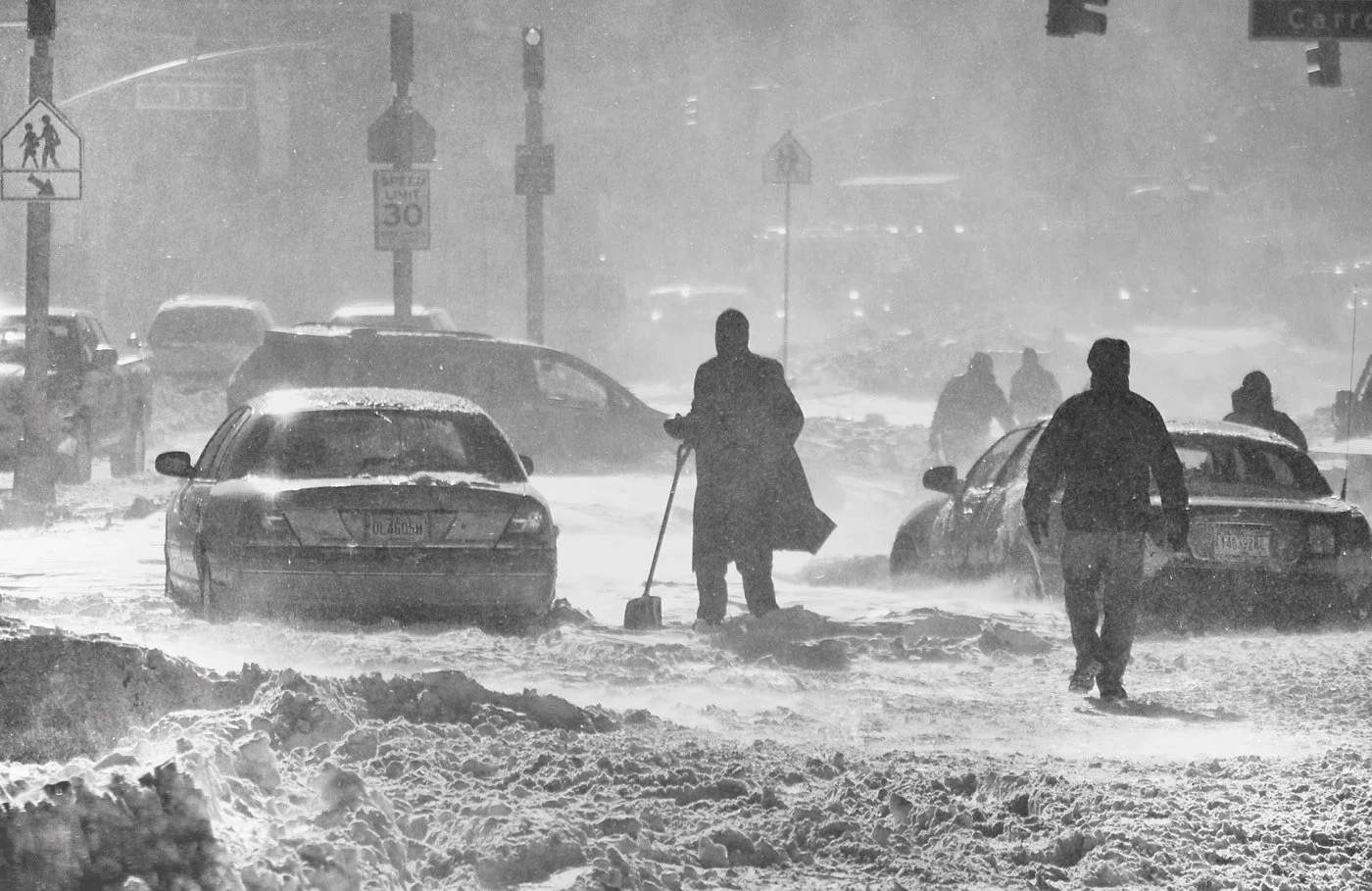
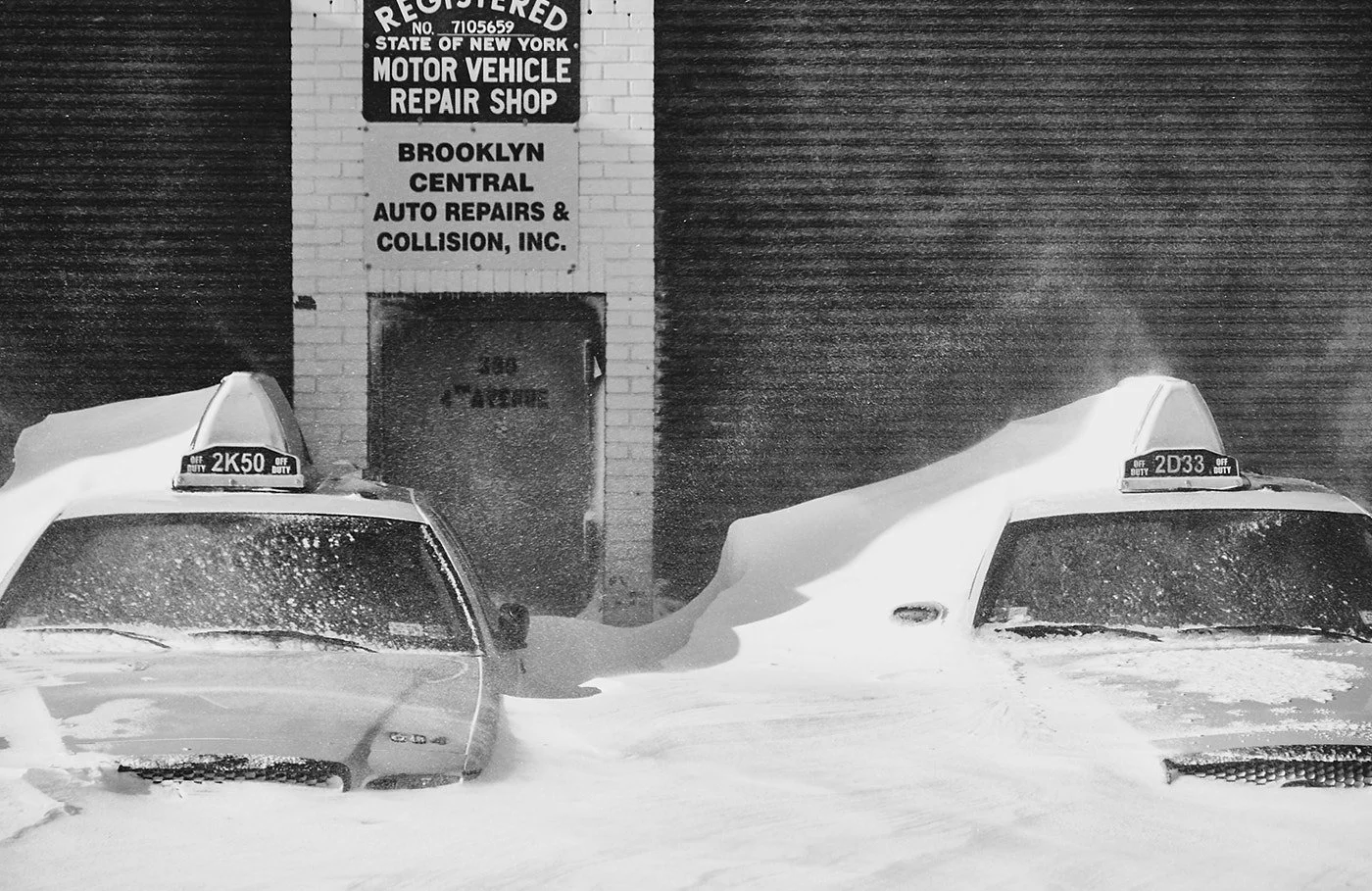
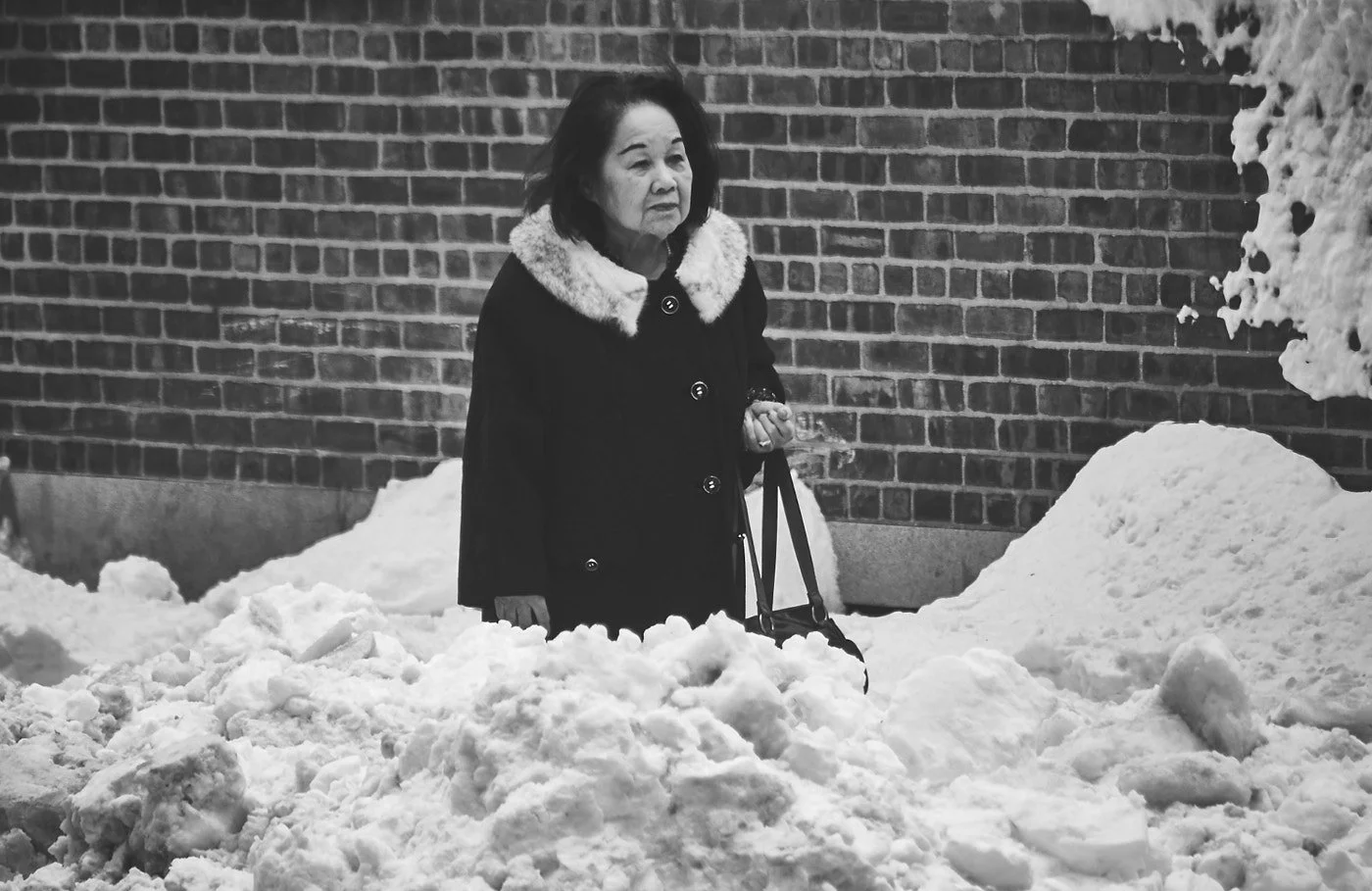
New York 2010 - The sixth-largest snowstorm in New York’s history buried the streets in two meters of snow, brought transportation to a standstill, and spread a strange and wonderful silence over the city. The snowstorm of 2010 dumped between 18 and 24 inches of snow and wind gusts of up to 60 miles per hour. Situations like these make us look at each other, help each other, and show compassion. Daily life makes us forget that we all struggle with the same problems that everyone tries to hide because they feel alone.

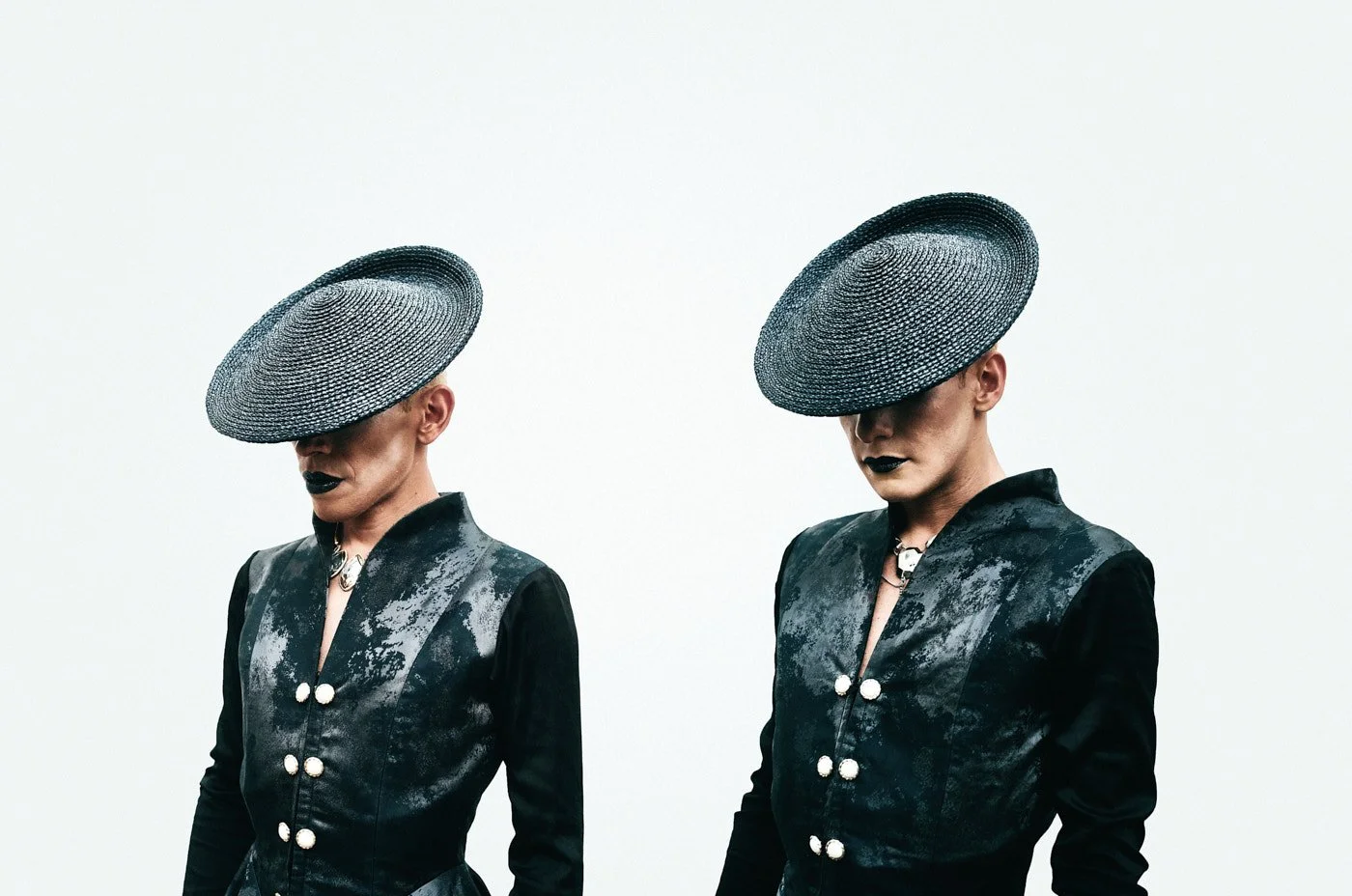
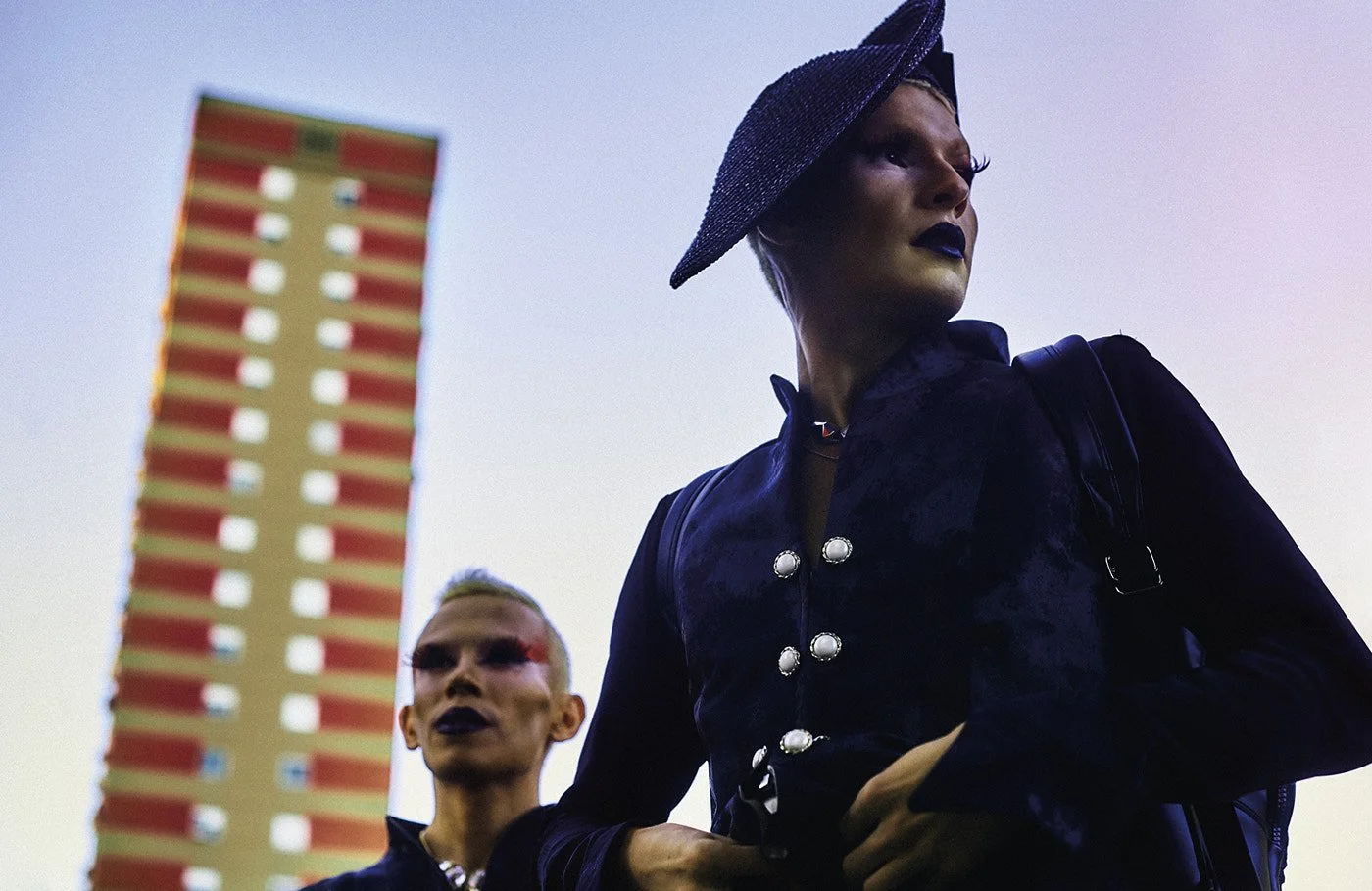
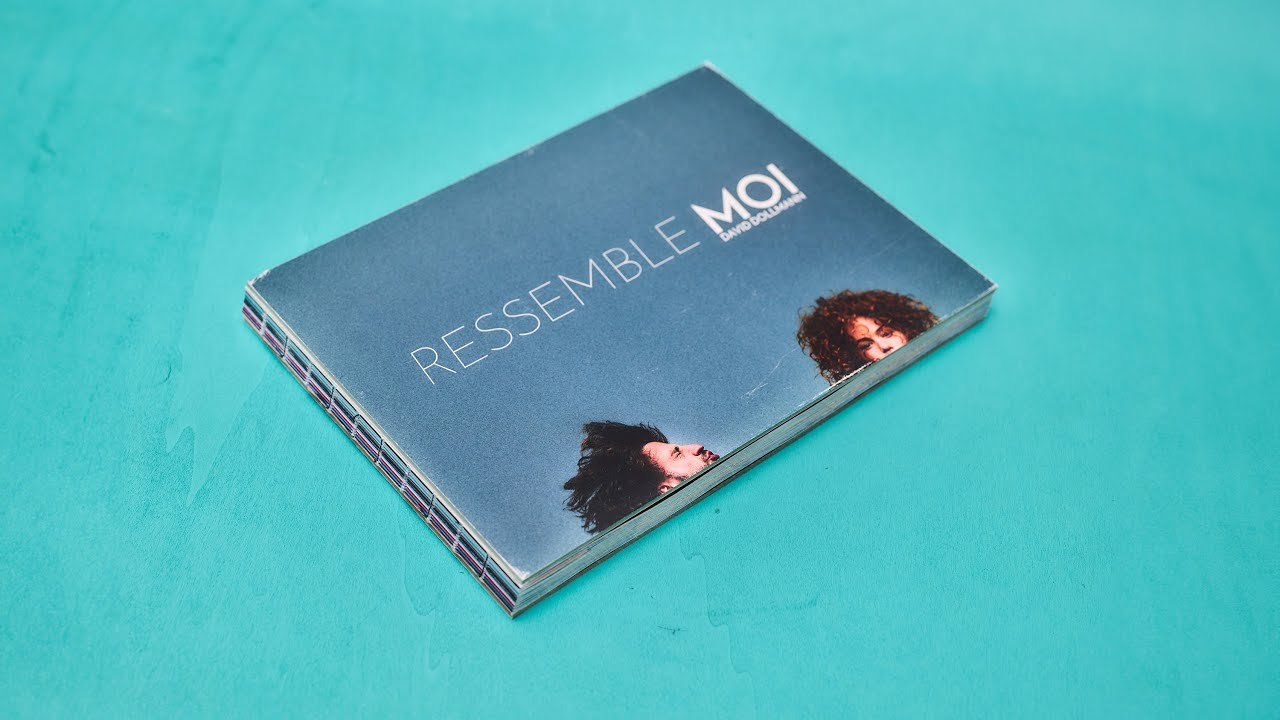
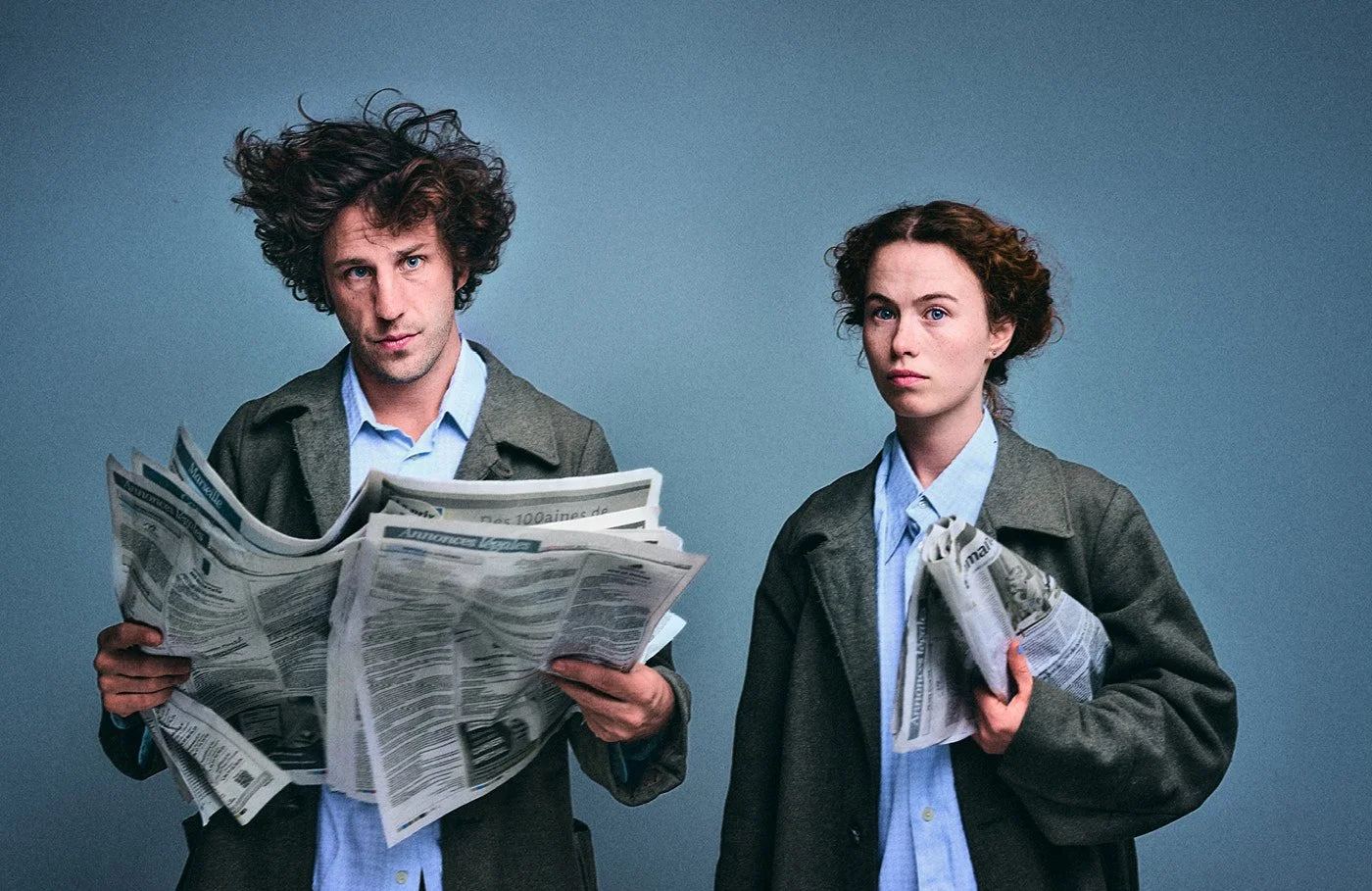
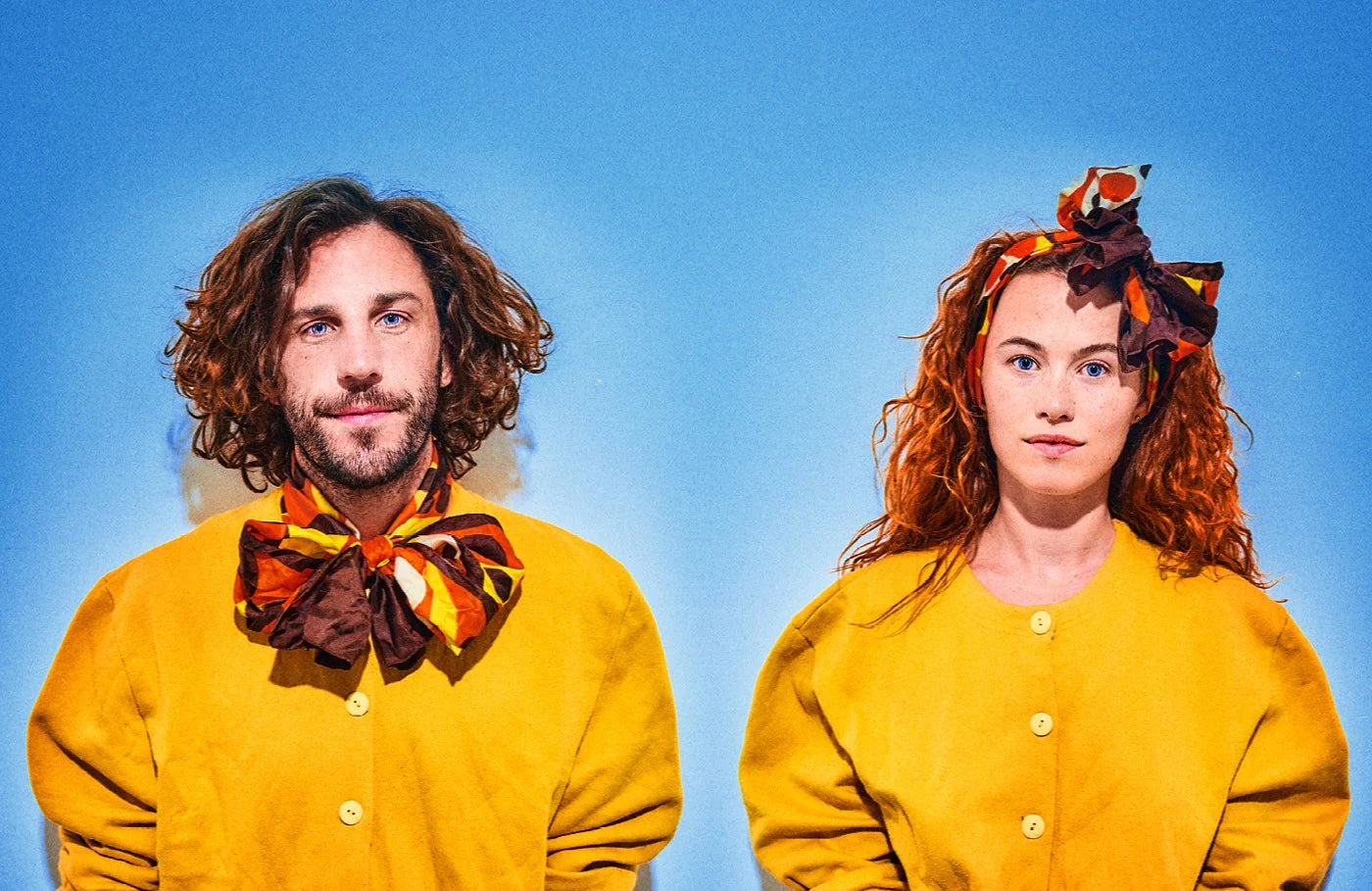
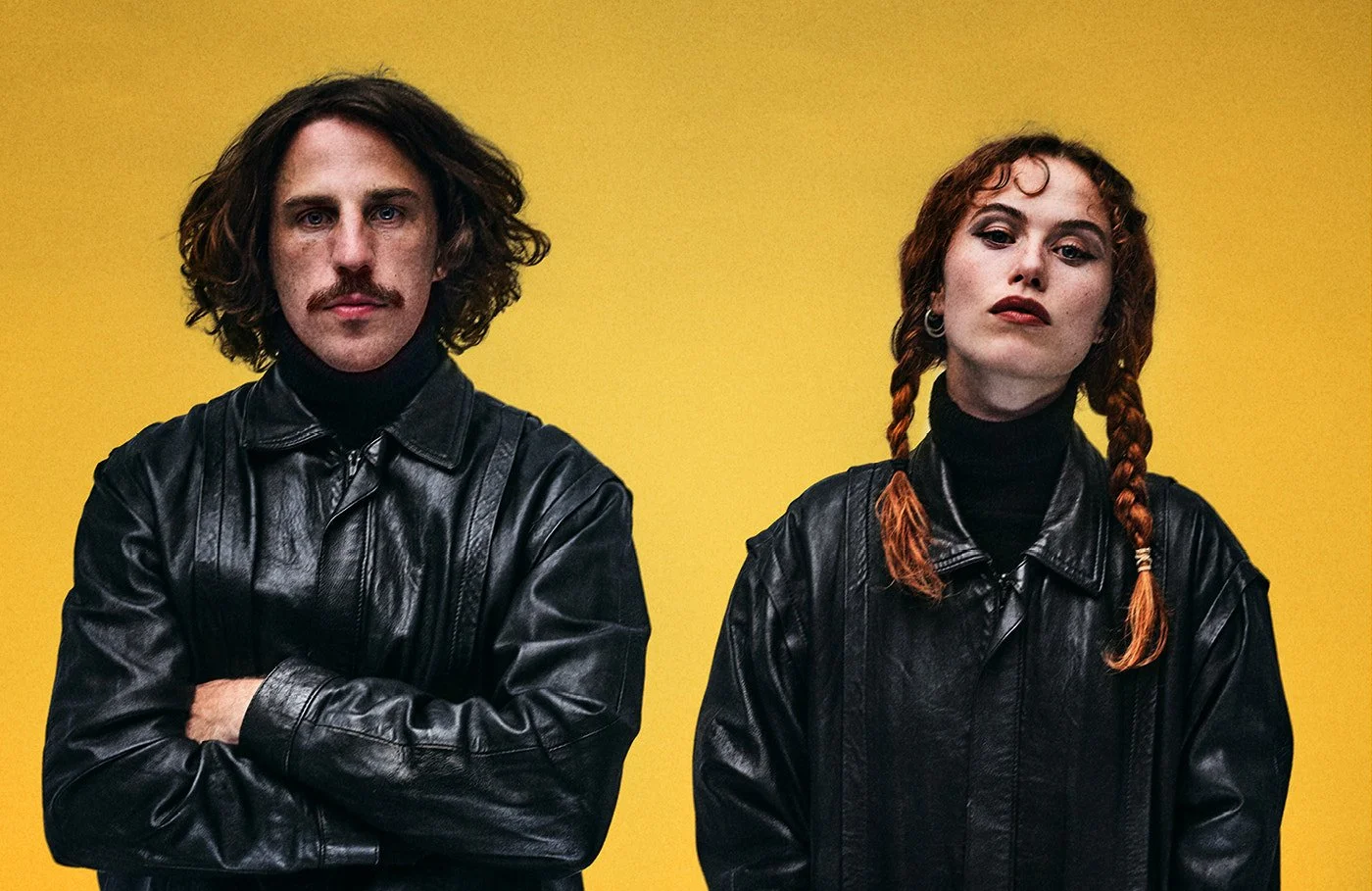
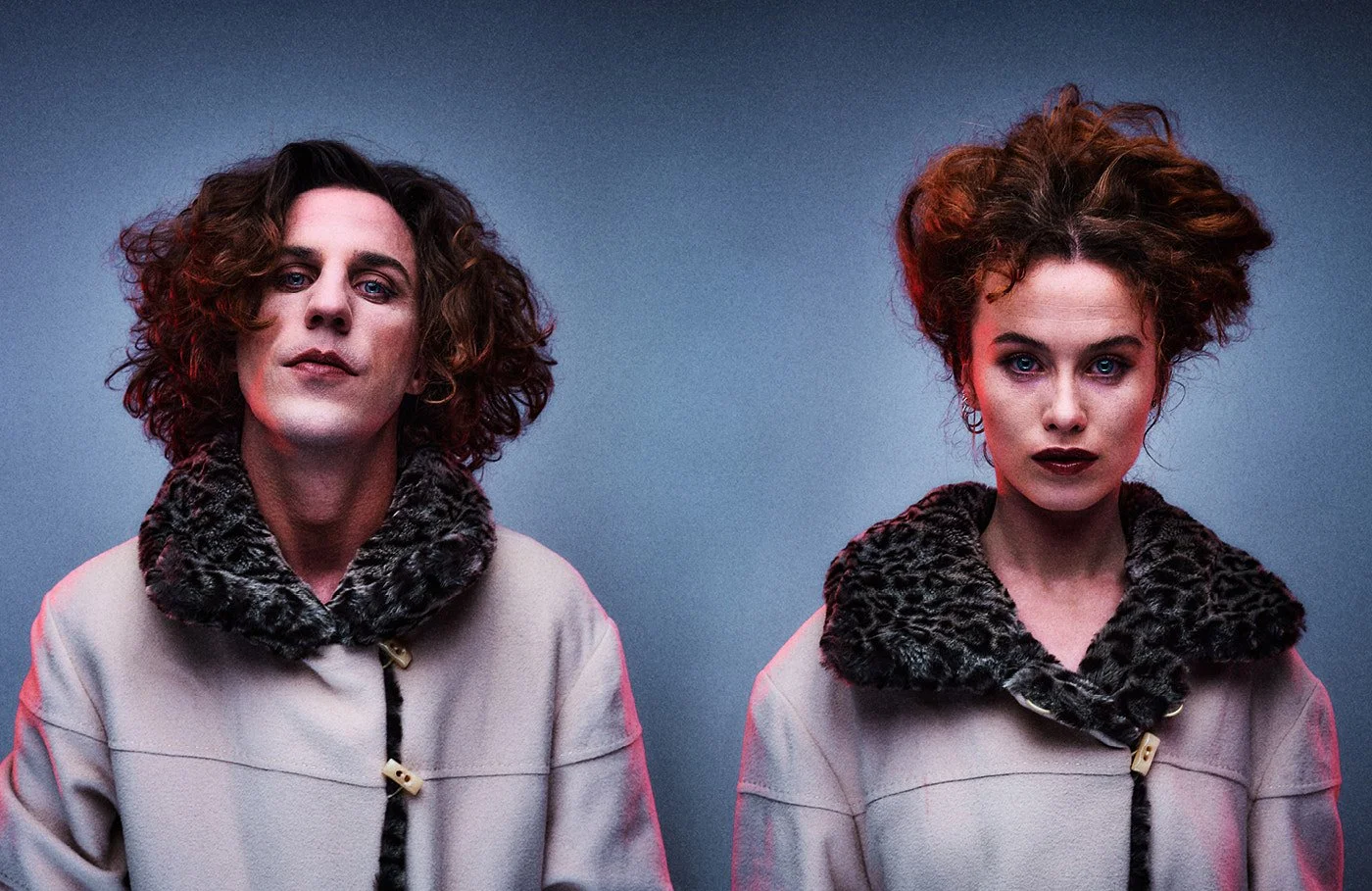
The series “Ressemble-Moi” is all about how people grow together, apart, or side-by-side in relationships. This pictures two people who look alike, with fashion as an external element of how the two have grown together. Like brothers, sisters, a team; they seem perfect for each other on the outside. Or is it a disguise for one that signifies identity for the other? Alongside these photos are intimate notes penned by loving and loved ones, offering insights born of affectionate critique to the other or themselves. These musings prompt readers to contemplate the complexities of their own relationships, embracing the fluidity of partnership and the varied paths it may take. This work navigates the blurred lines of modern relationships, exploring the challenge of defining norms in a world of diverse perspectives and evolving narratives.

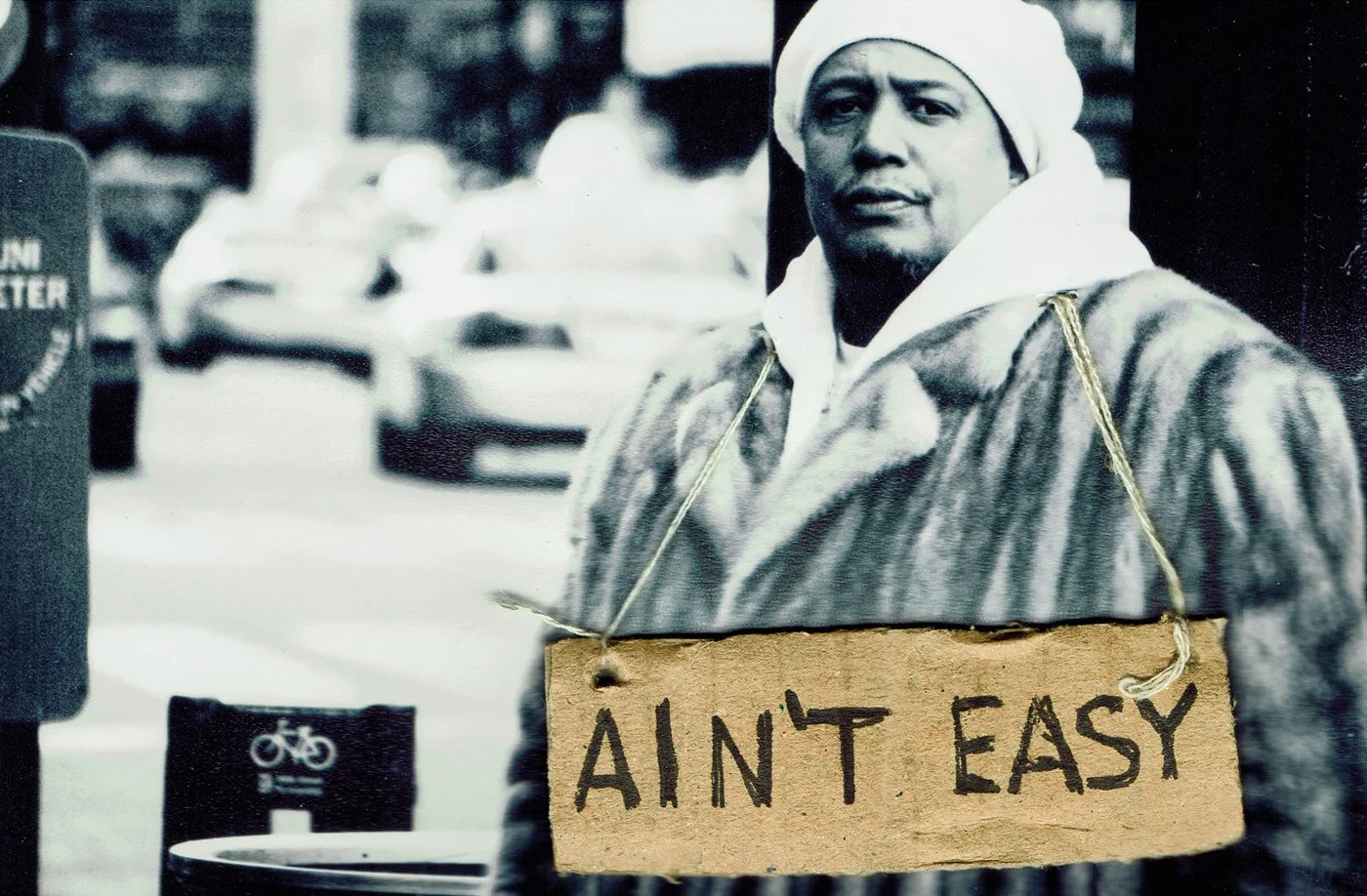
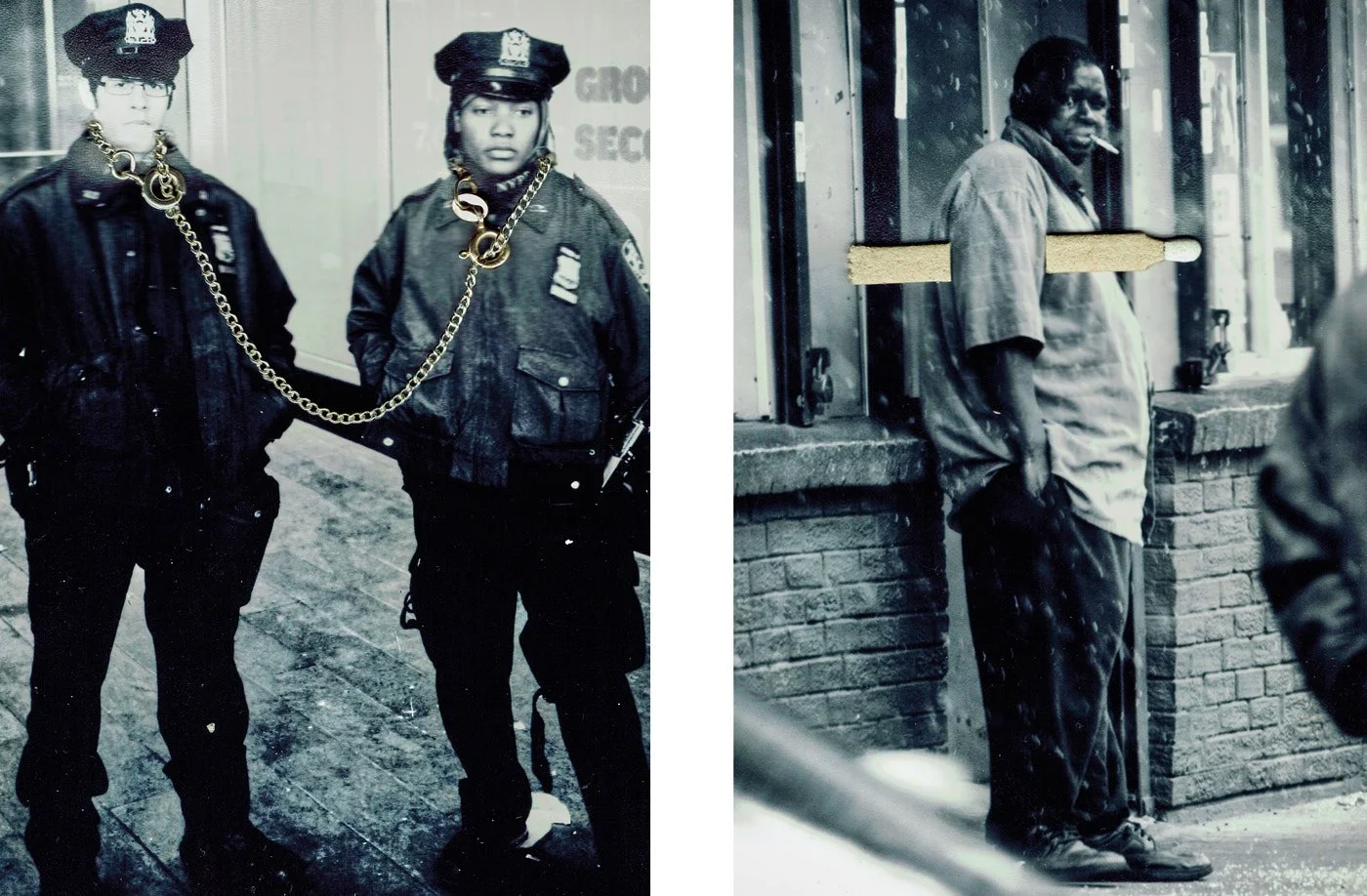
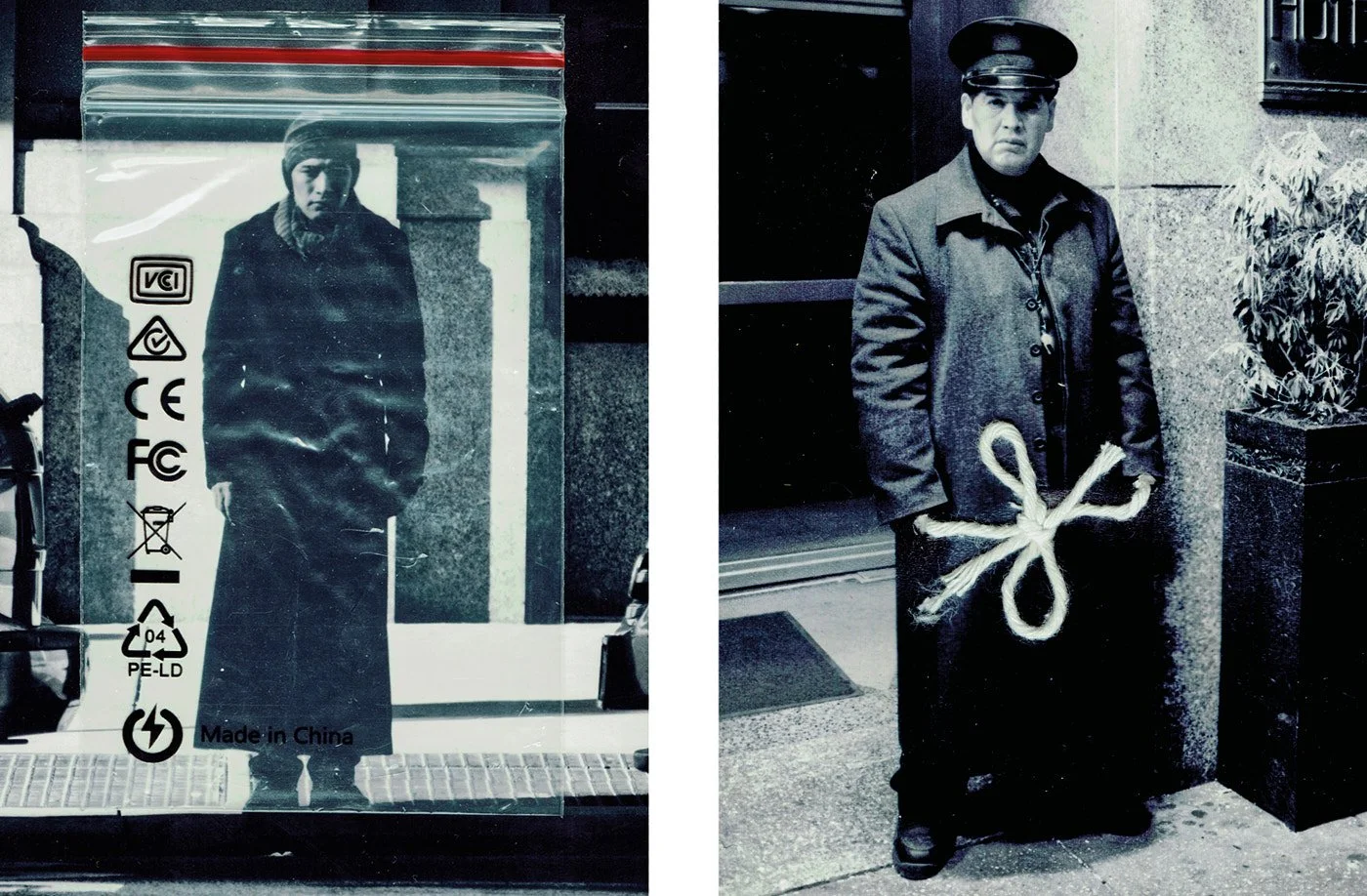
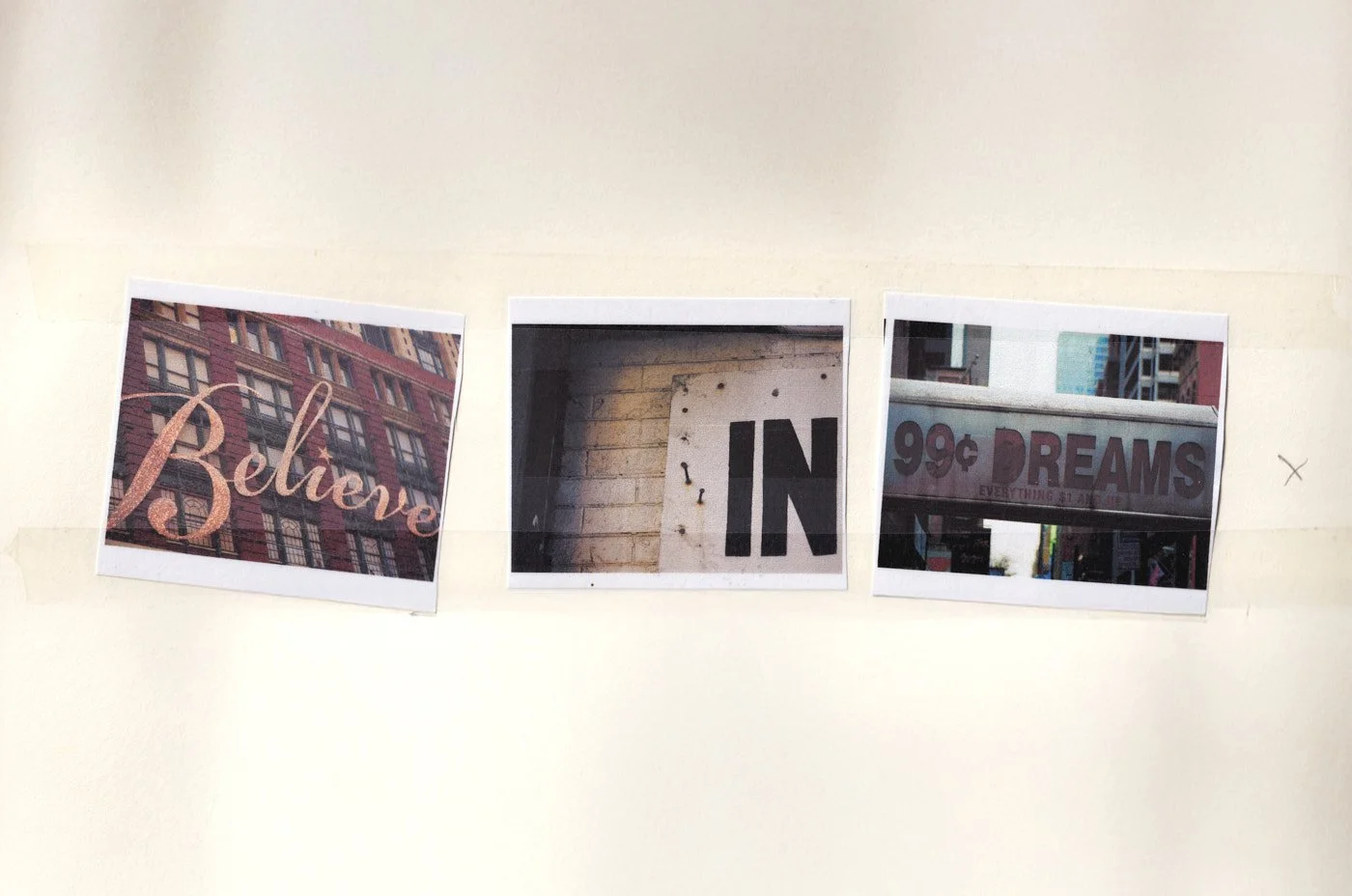
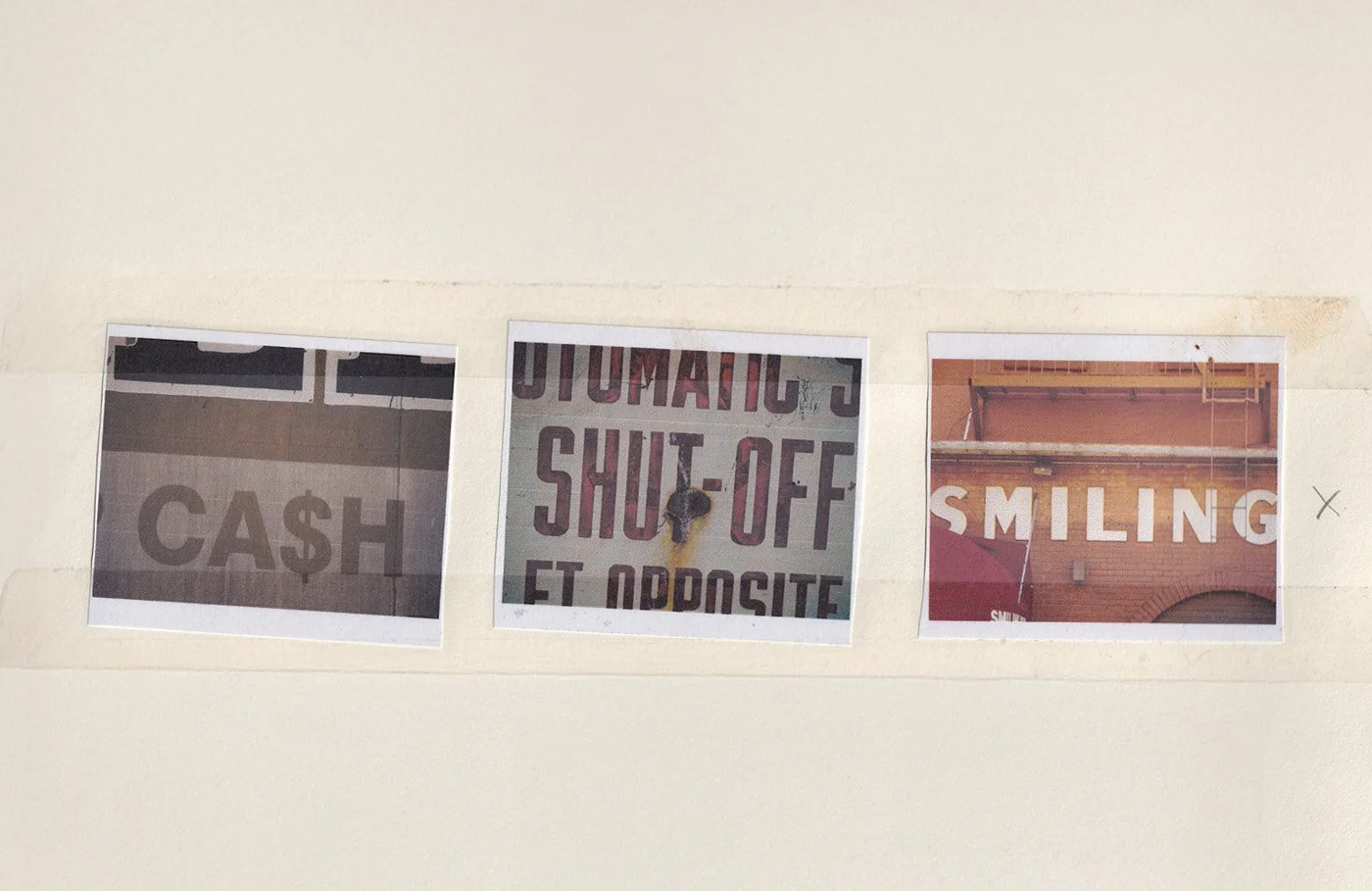
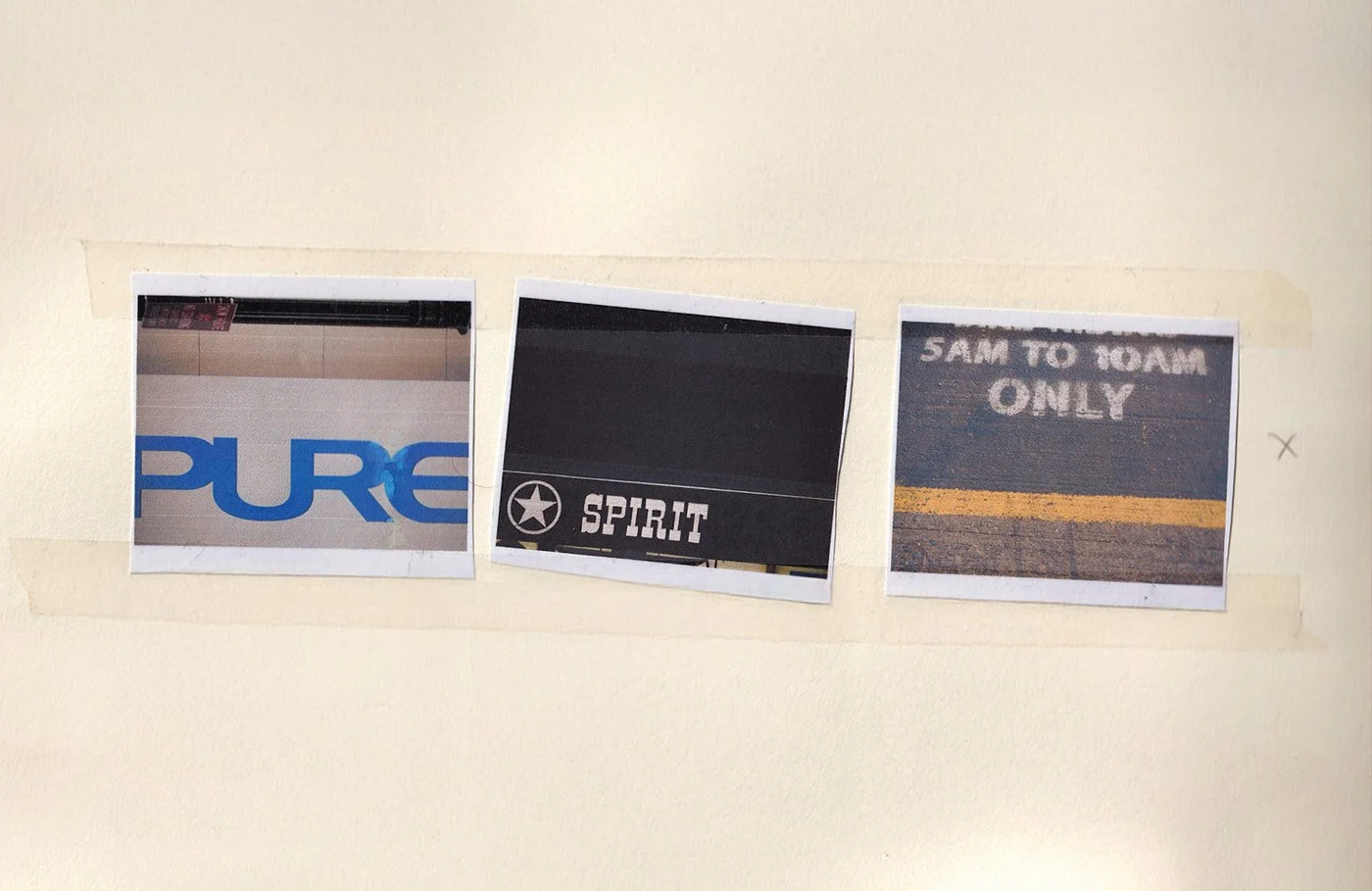
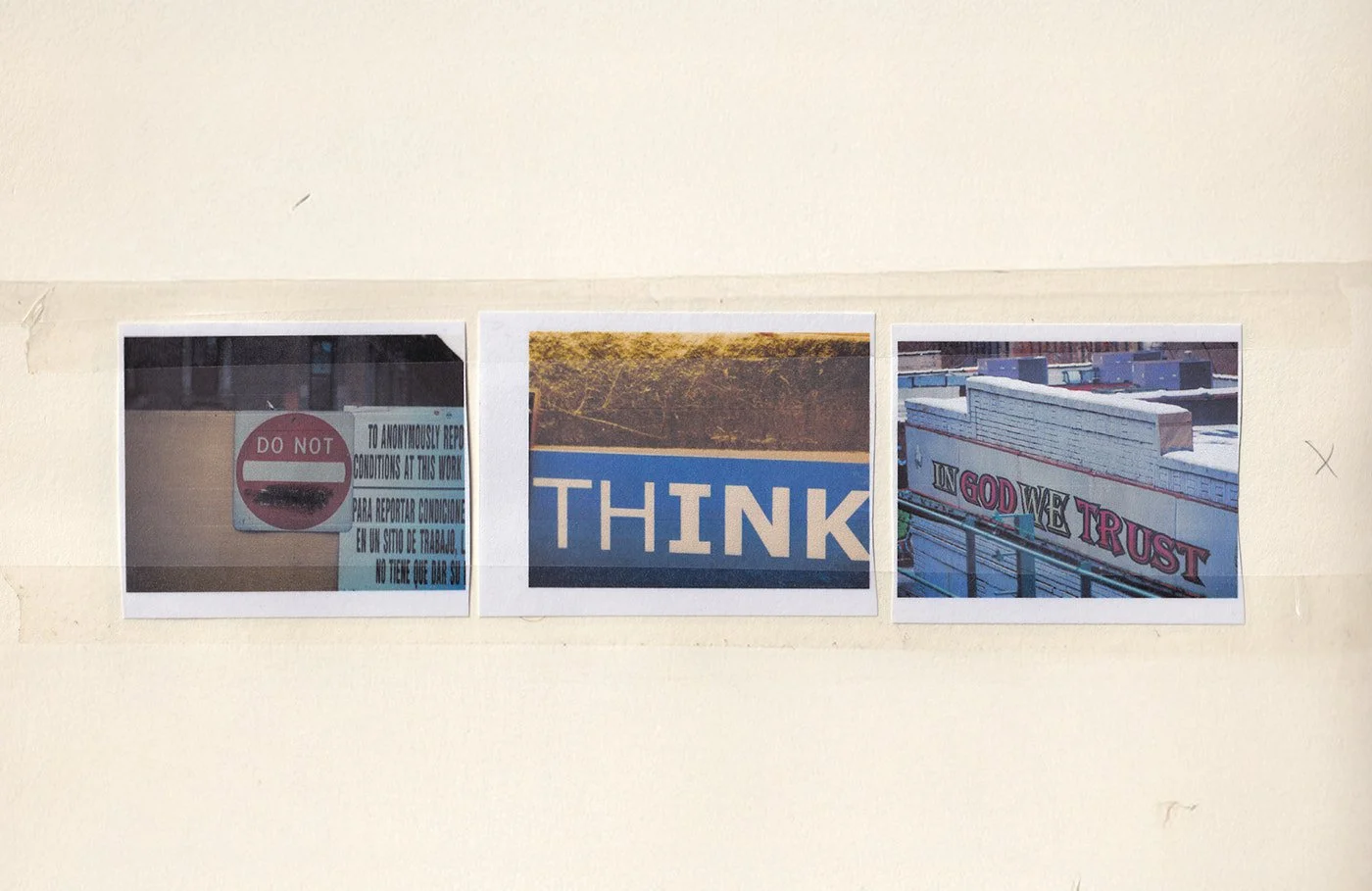
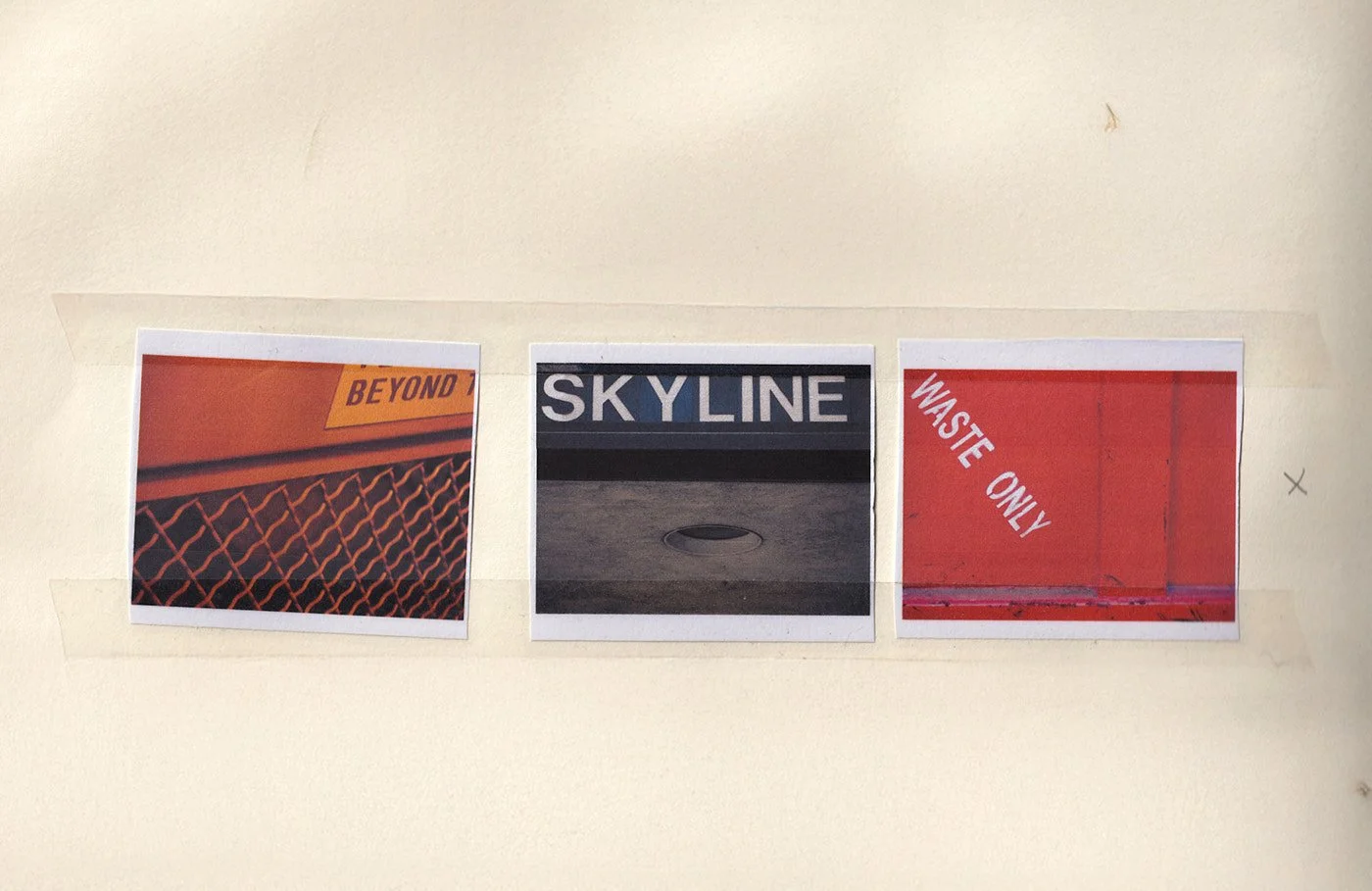
The excessive amount of advertising slogans and statements can make it challenging to concentrate on the important details, as they get buried among the multitude of offers and warnings. In this context, the “Uncoded New York” series offers a unique perspective that explores the hidden meaning behind the scenes of New York’s streets.

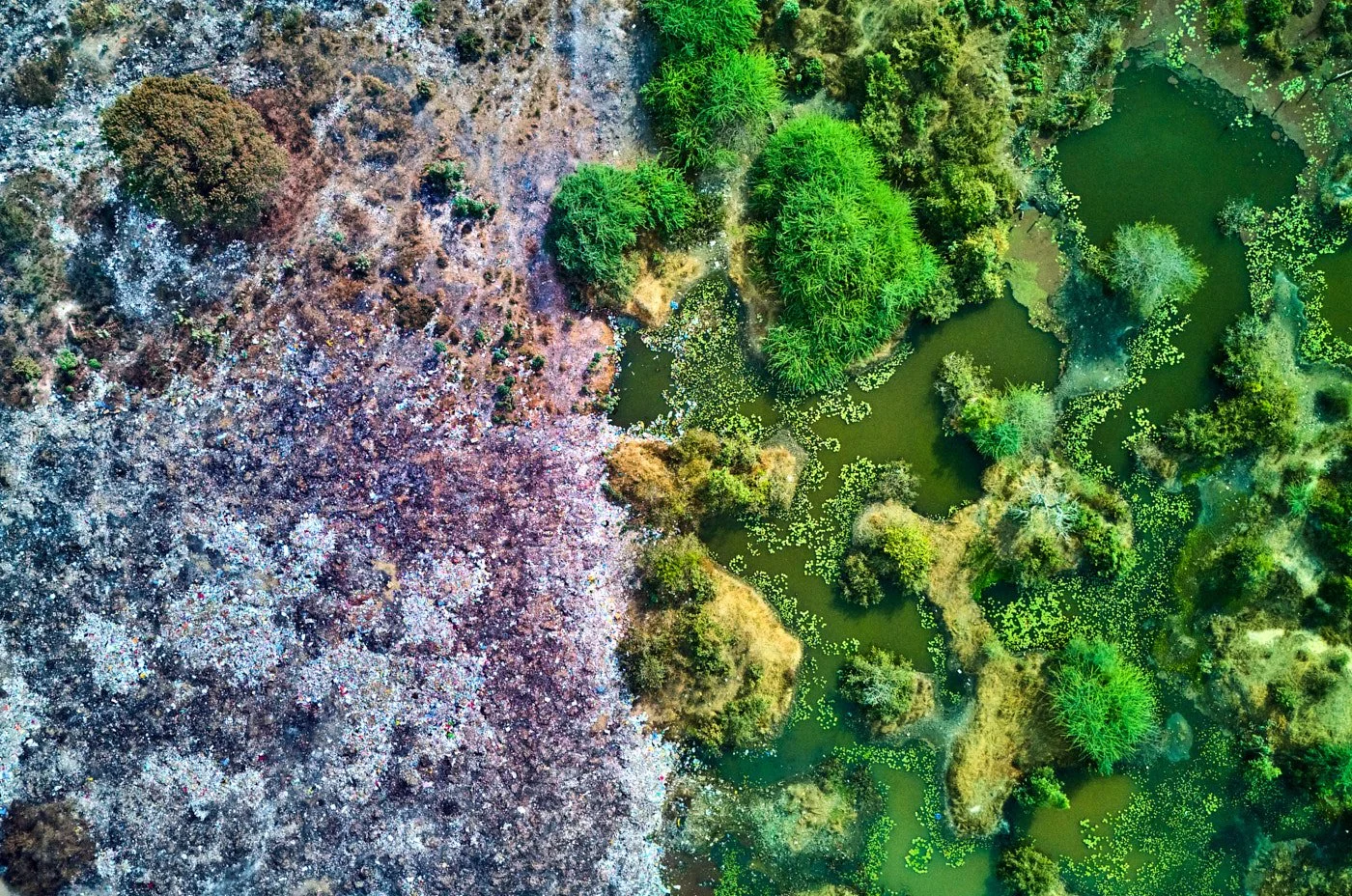
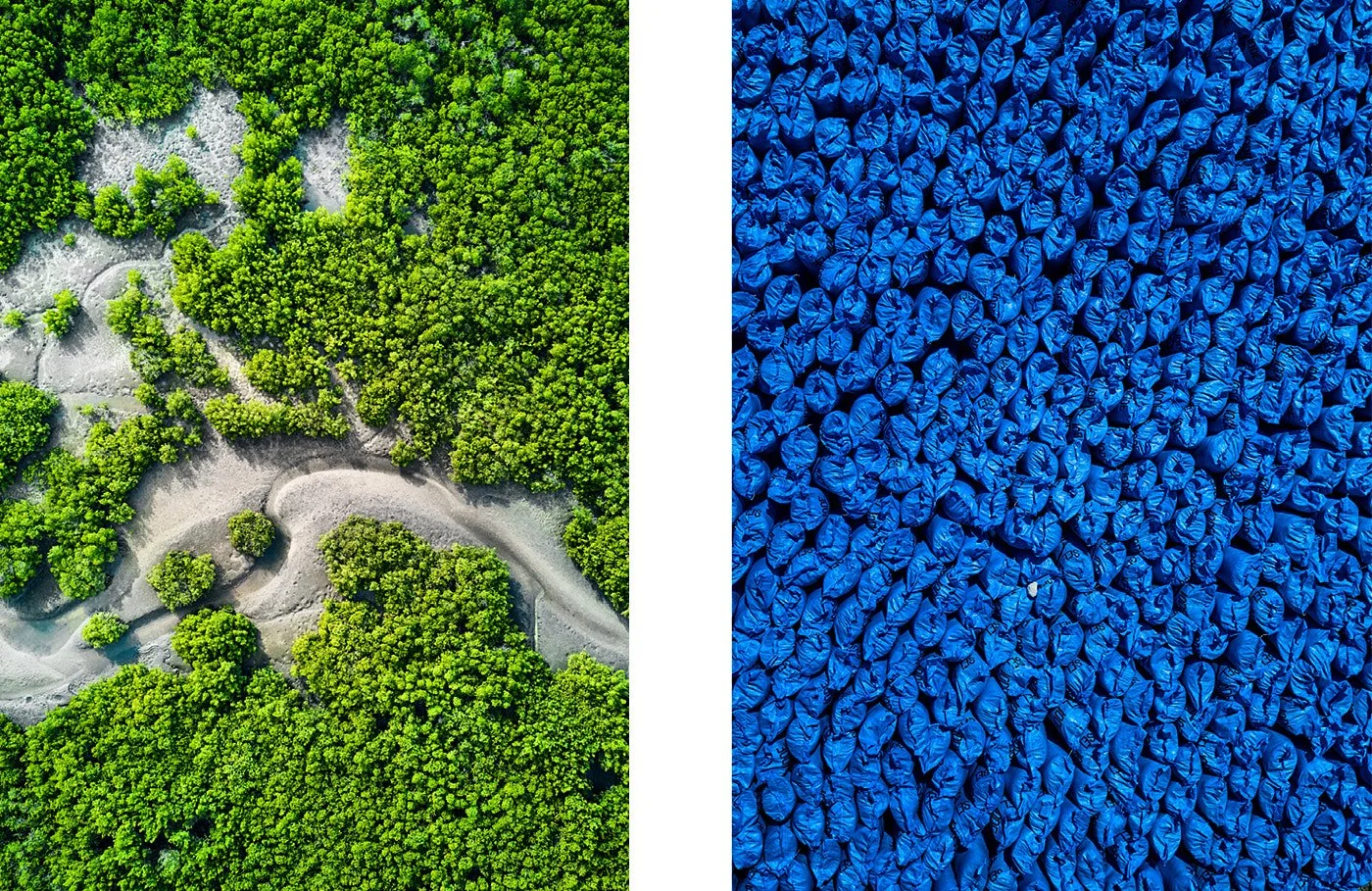
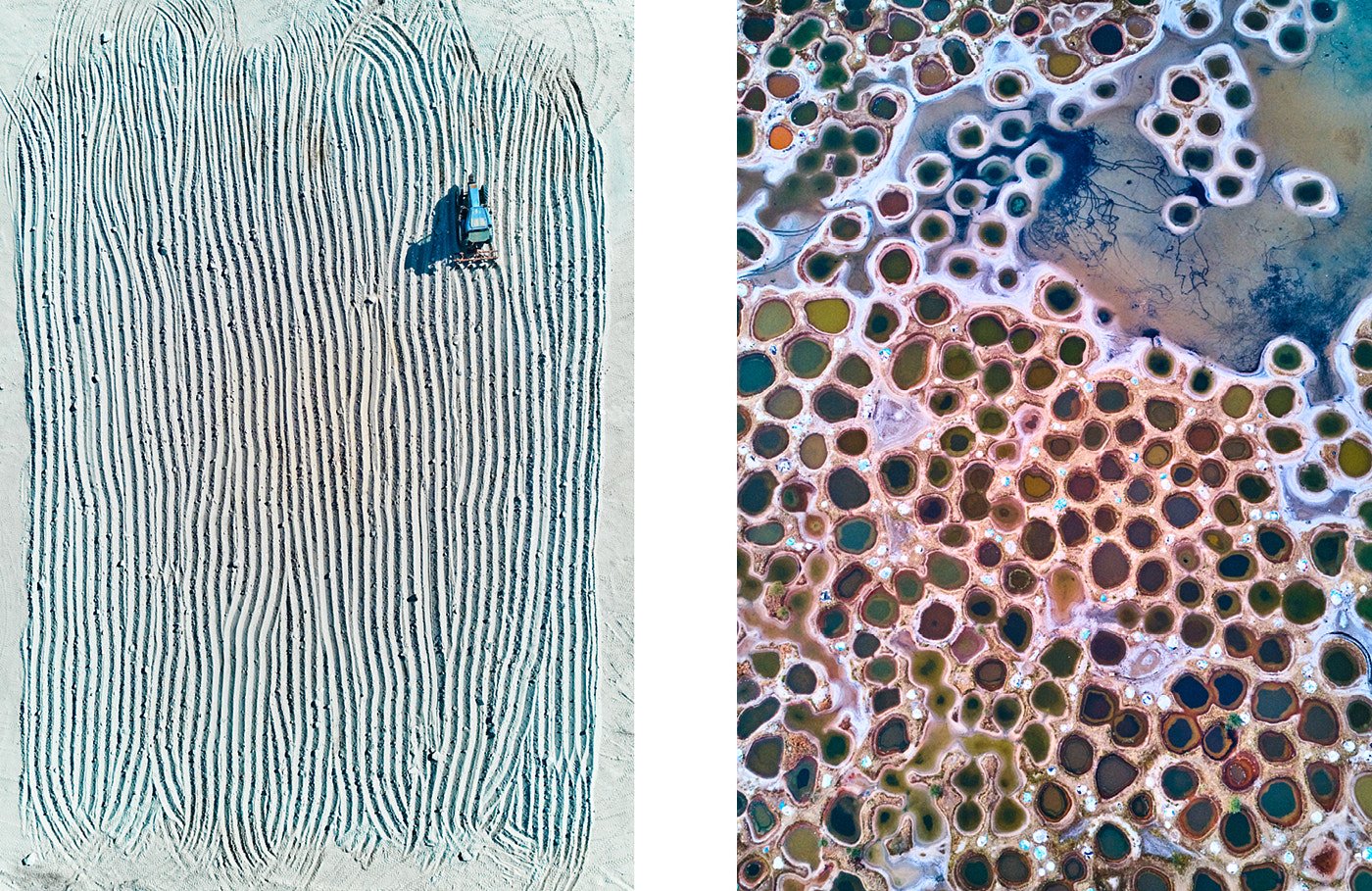
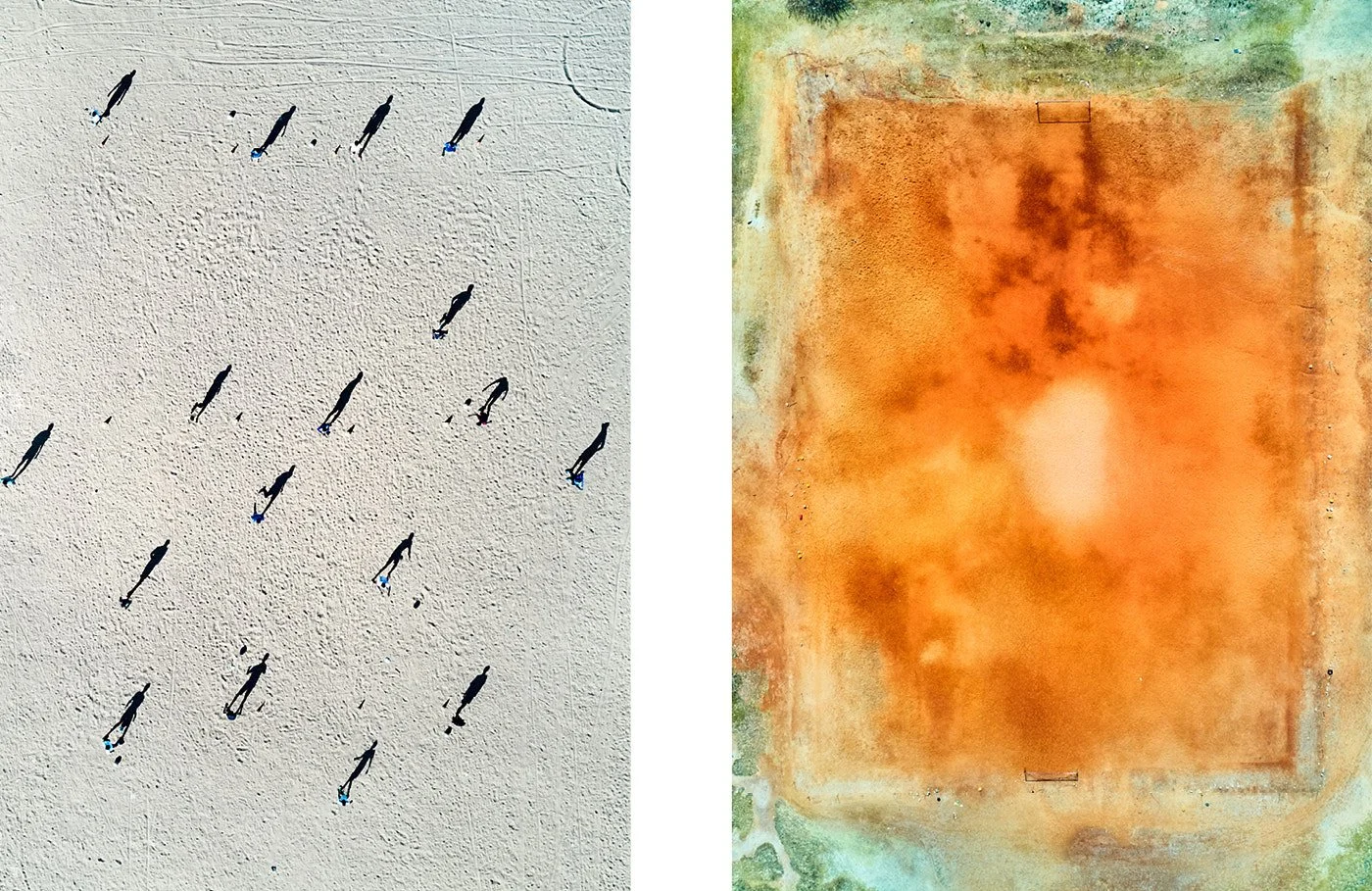
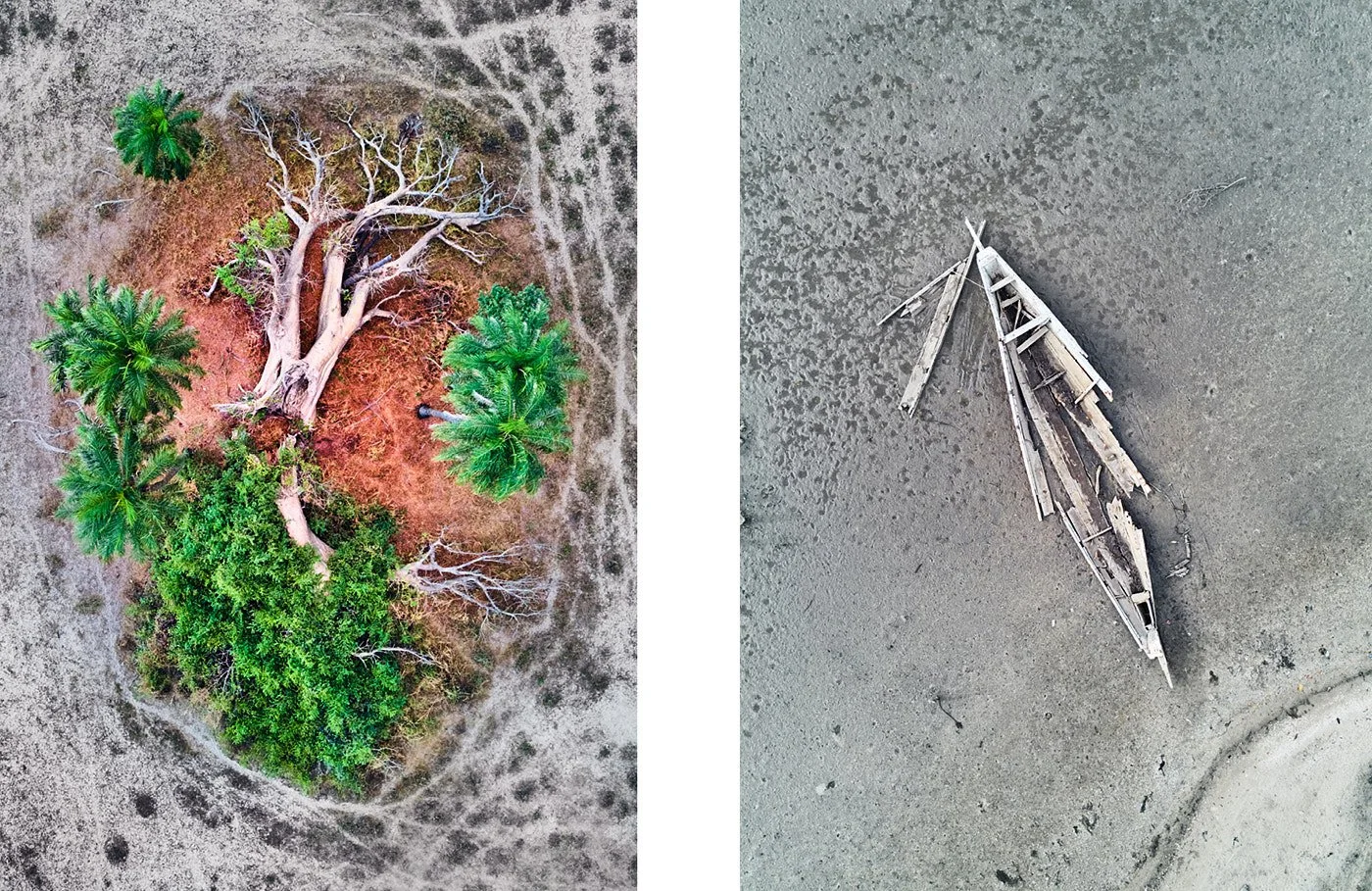
From a vantage point once reserved for myth and machinery, we now hover above the Earth and see what had always been below. In these aerial views the scale of human change — the patterns of waste, the sculpting of land — becomes visible. By shifting the angle, we shift the story: the world is no longer ground we move across, but a surface we have remade.

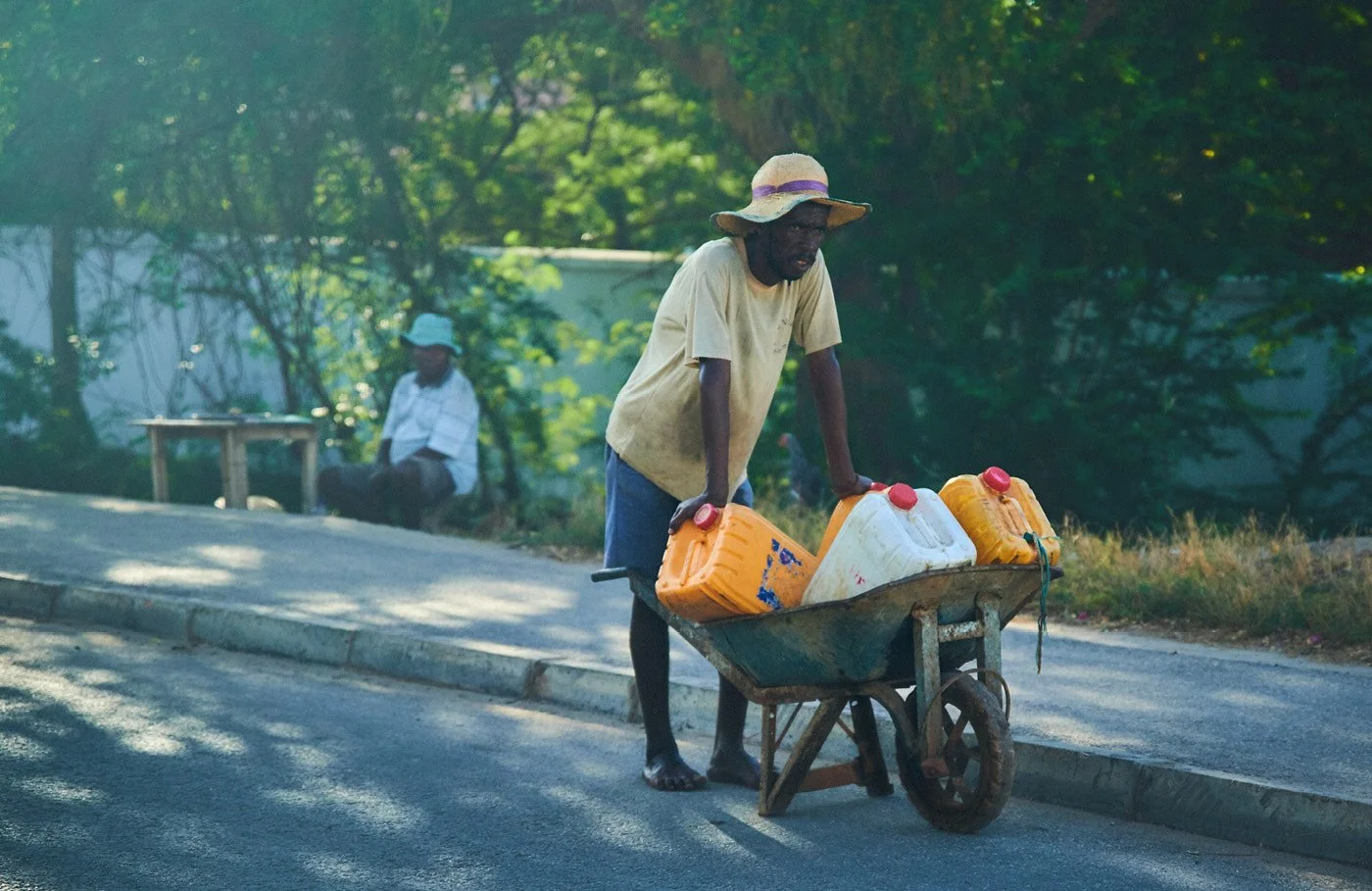
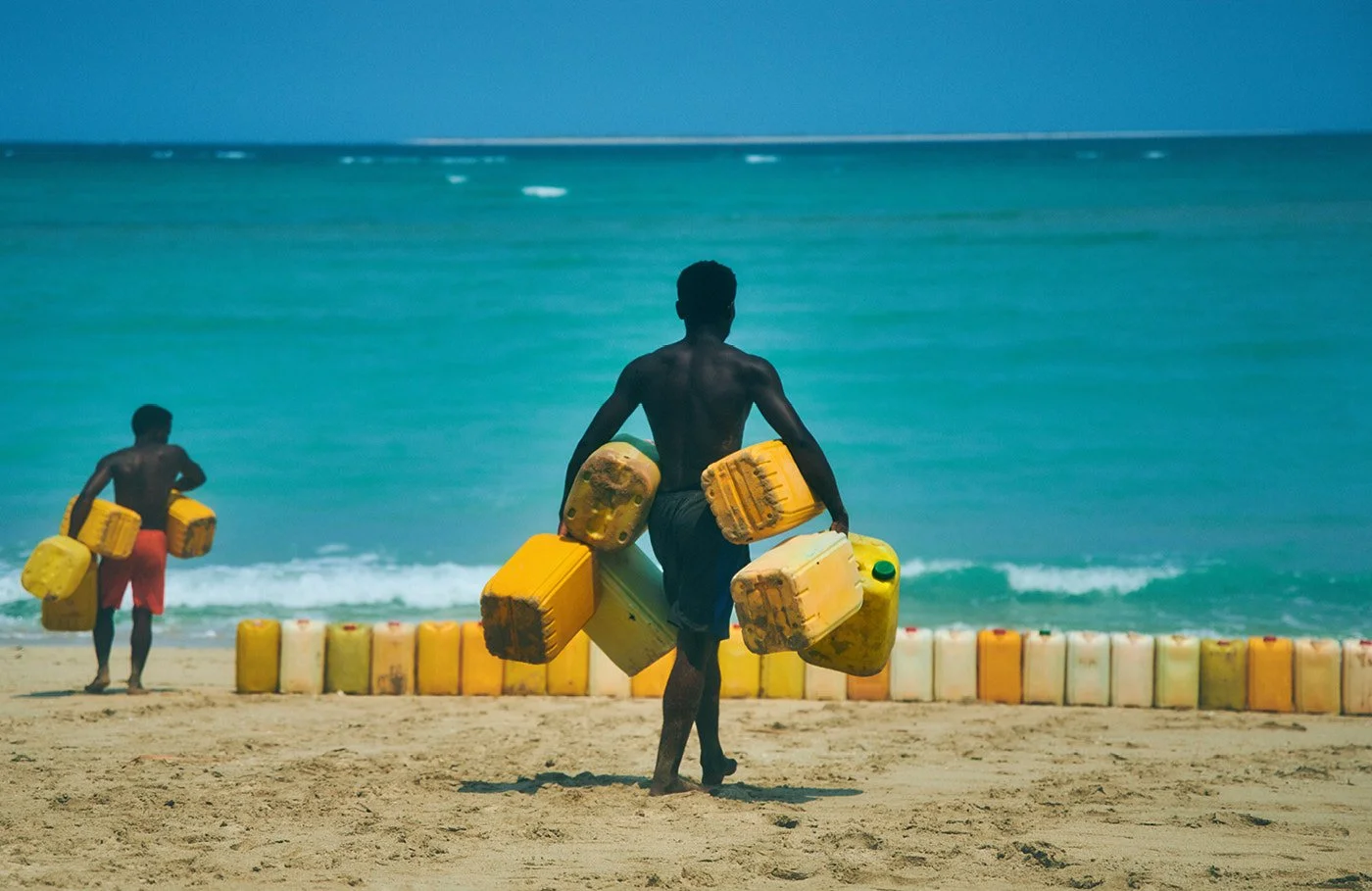
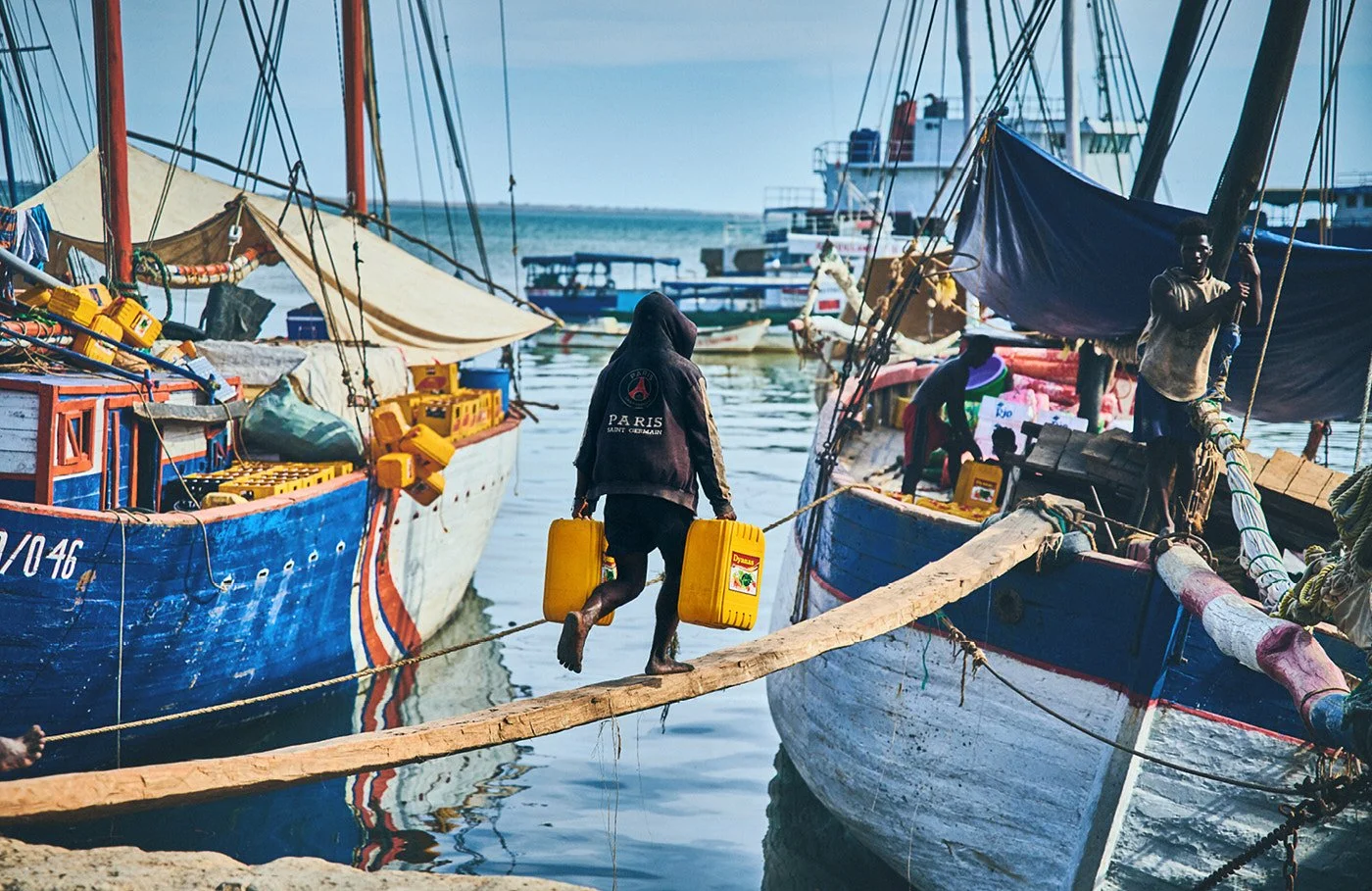

Walls hold us, protect us, confine us. The box is limit and liberation — prison and poem. Architecture turns the cage into rhythm, the shelter into meaning. In the end, a box becomes a home only when someone dares to shape it.
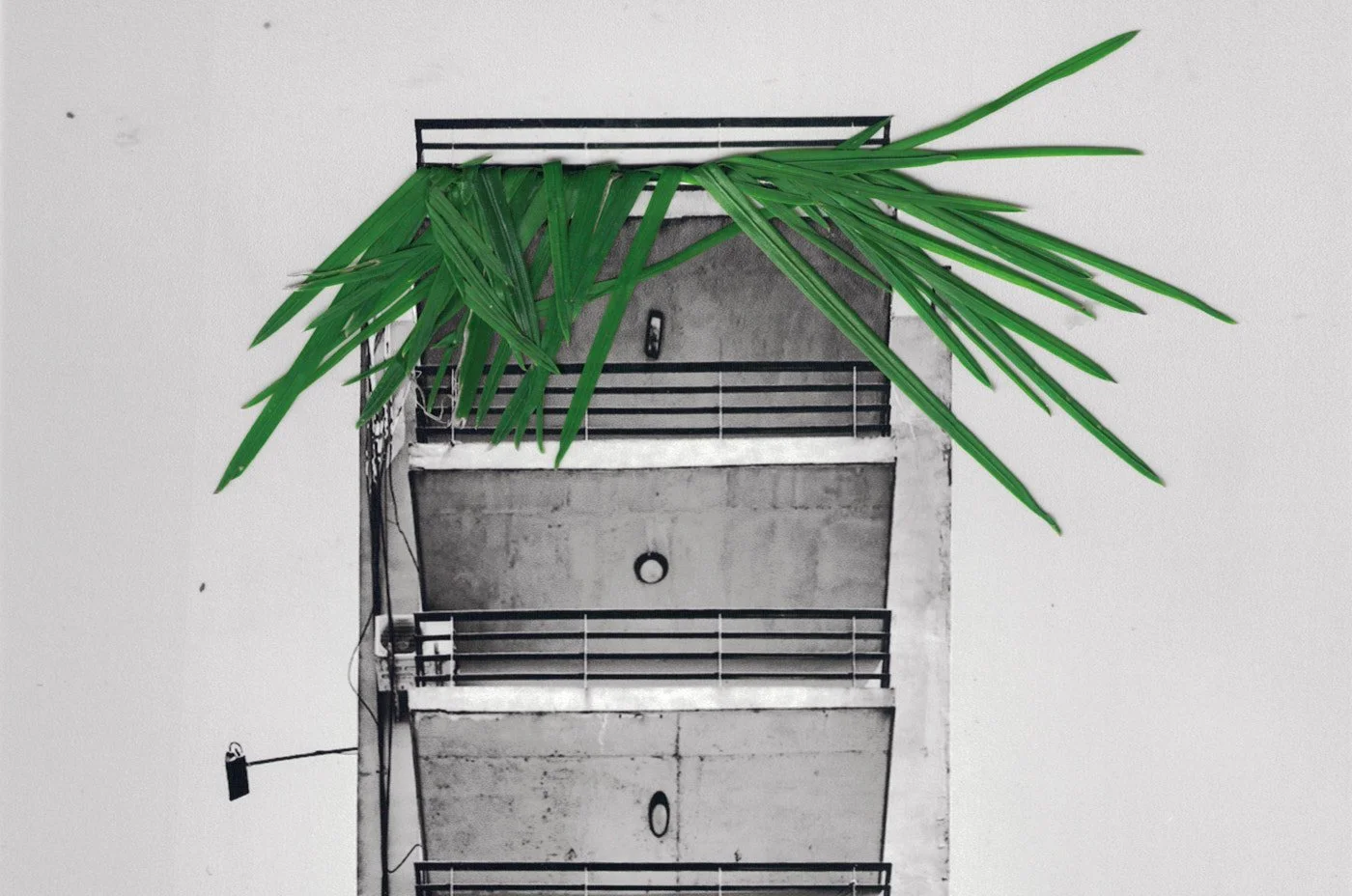

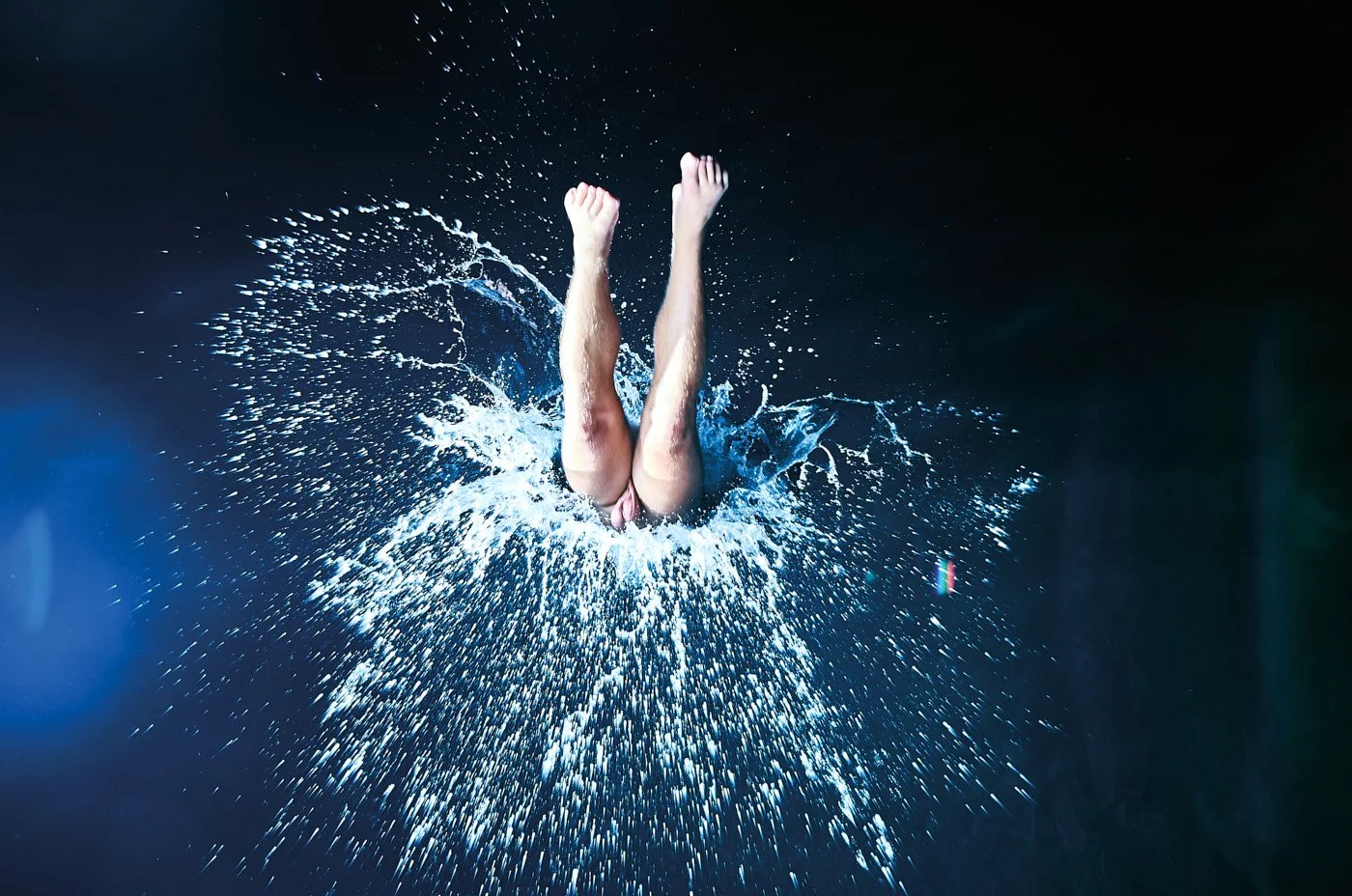
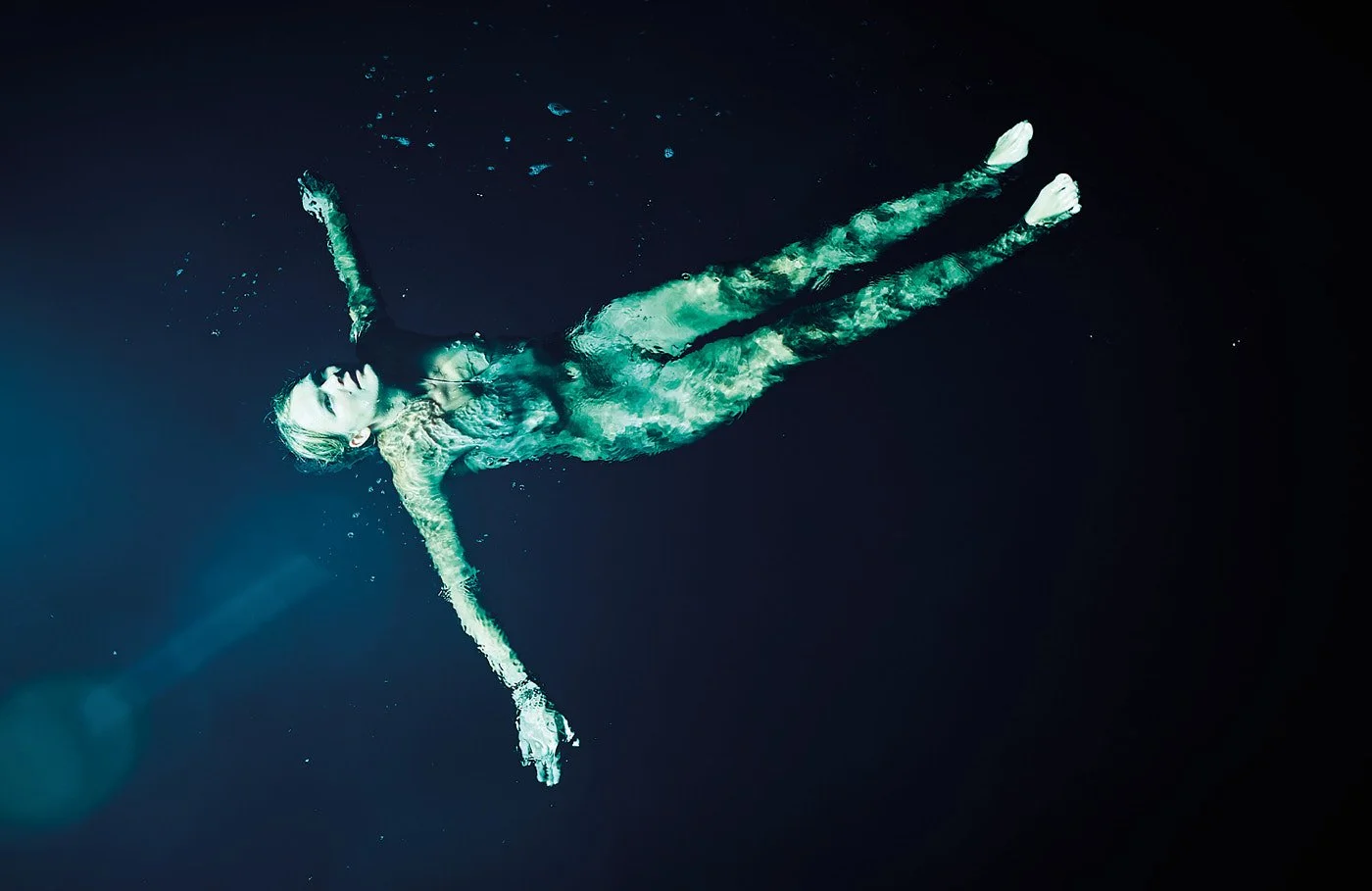
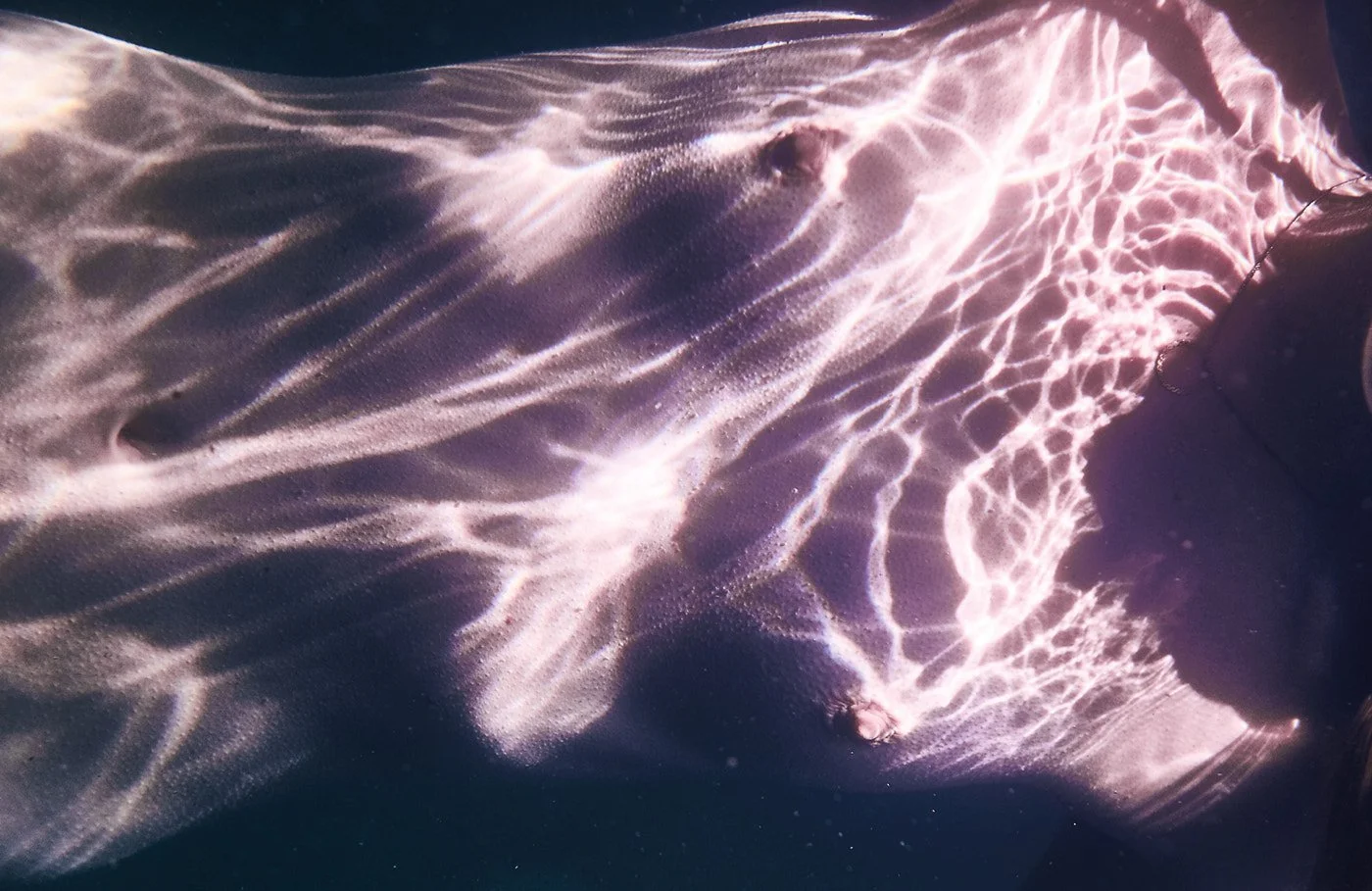
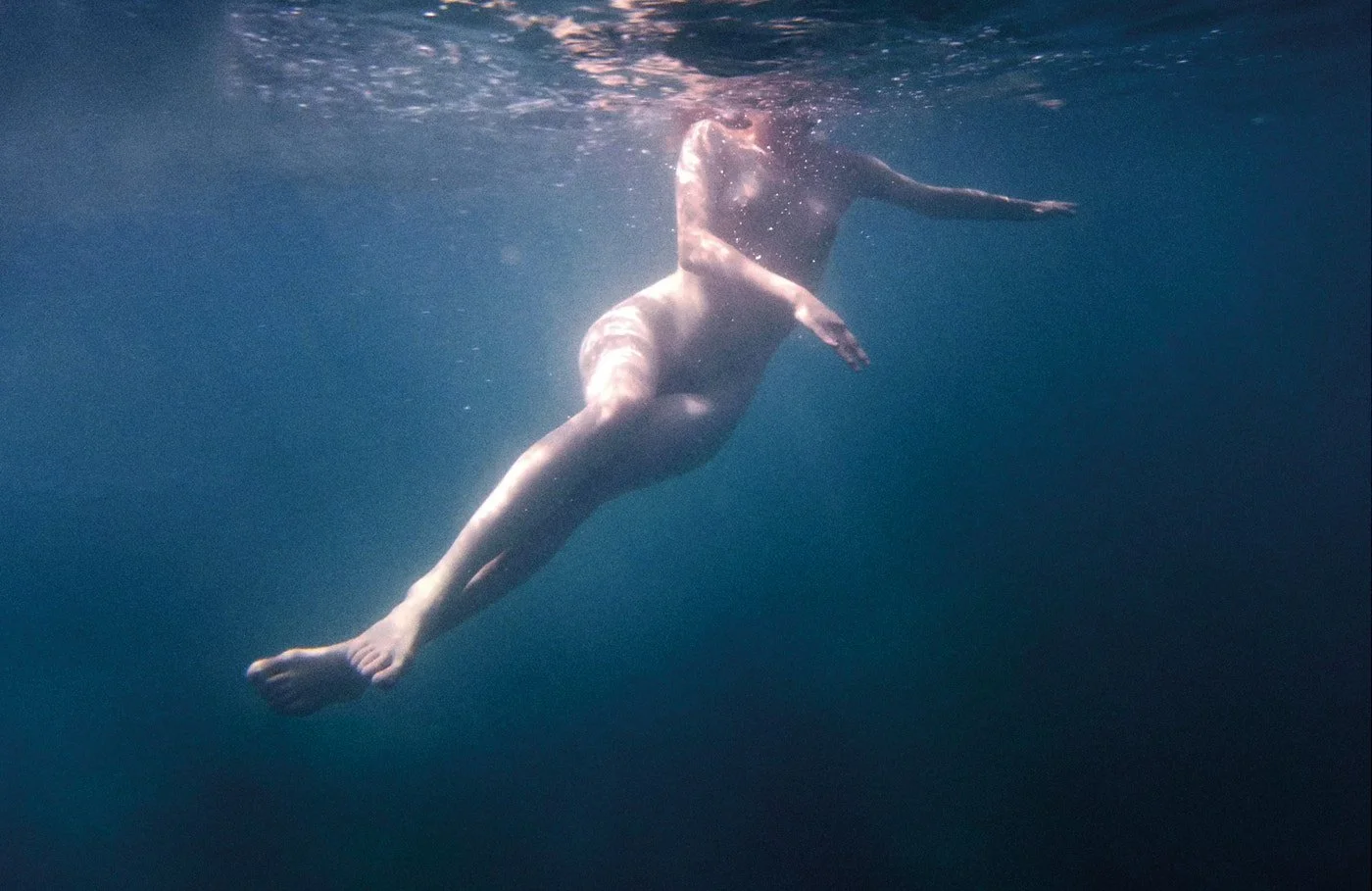
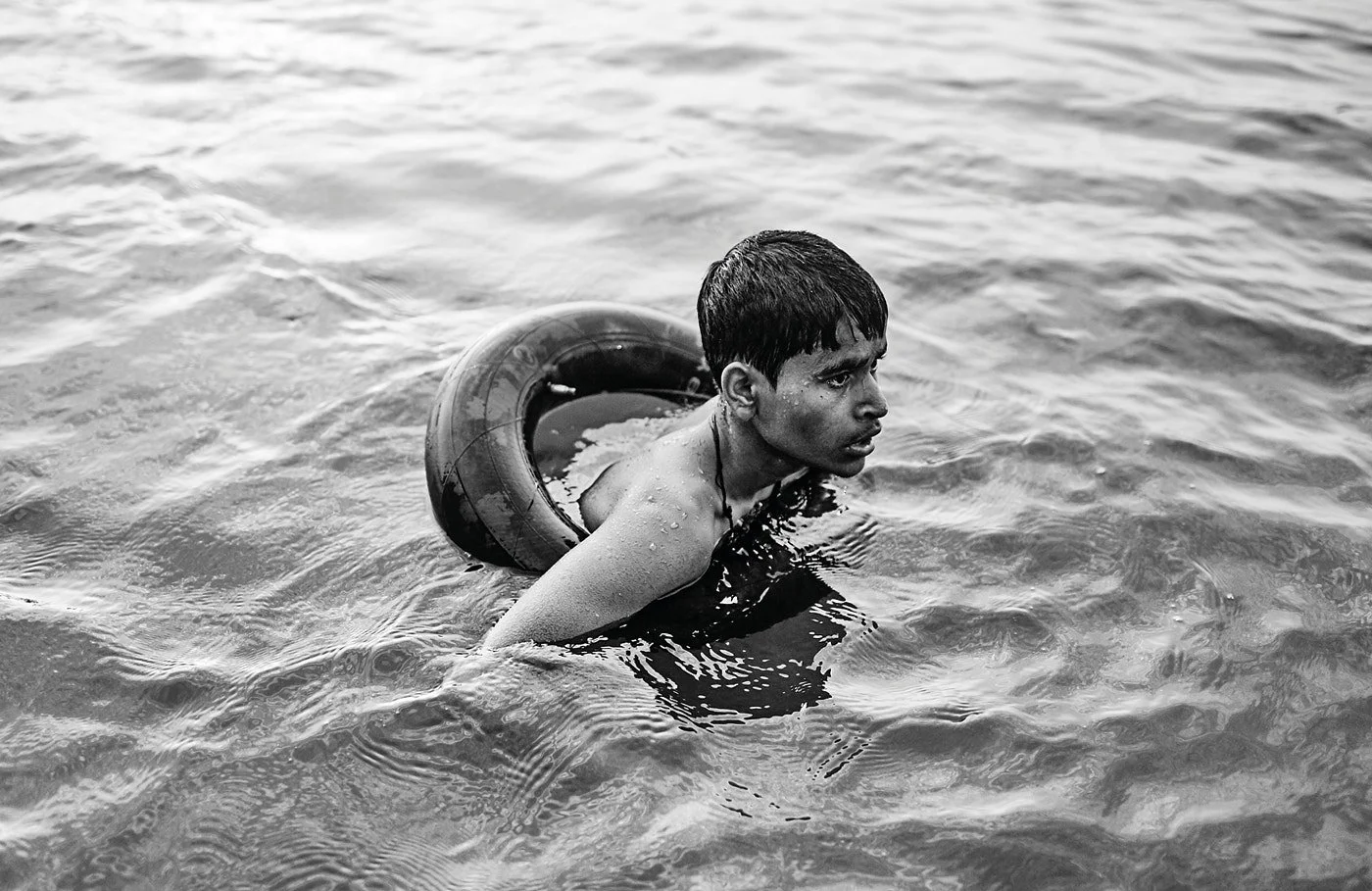
Water dissolves the weight of the world. In its embrace, time loosens, and the border between body and surrounding fades. It carries both softness and power—the gentlest surface, the deepest abyss. To drift within it is to return to something older than ourselves, where silence speaks and voices finally rest.